- Etusivu

- Taiteilijat
- Mariano Fortuny
Sisällysluettelo
Lyhyet tiedot
- Art period: Modernismi
- Emotional tone: nostalginen
- Vibe: elegantti
- Room fit: olohuone
- Works on APS: 133
- Died: 1949
- Top 3 works:
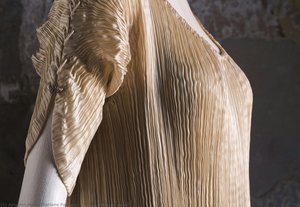
- Delphos Dress, detail
- Block for printing textiles
- Teagown
- Copyright status: Public domain
- Gift suitability: other-none
- Creative periods: mature period
- Näytä lisää…
- Typical colors:
- other
- neutraalit sävyt
- Lifespan: 78 years
- Color intensity:
- tasapainoinen
- monokromaattinen
- Nationality: Espanja
- Born: 1871, Reus, Espanja
- Mediums: akryyli kankaalle
- Top-ranked work: Delphos Dress, detail
- Best occasions:
- korostusväri
- keskeinen teos
- Also known as:
- Mariano Fortuny y Marsal
- Marià Fortuny i de Madrazo
Taidevisa
Jokaisessa kysymyksessä on vain yksi oikea vastaus.
Kysymys 1:
Mikä oli Mariano Fortuny pääasiallinen ammatti?
Kysymys 2:
Mitä Fortuny tunnettiin erityisesti keksinytään teatterin valaistuksen saralla?
Kysymys 3:
Kenen ooppera inspiroi Mariano Fortuny maalaamaan kohtauksia?
Kysymys 4:
Missä kaupungissa Mariano Fortuny syntyi?
Kysymys 5:
Mitä Fortuny kehitti, joka mullisti teatterin valaistuksen suunnittelun?
Liittyvät artikkelit

Draped Narratives: Fashion as Symbol & Subject in Historical Art
Explore the fascinating history of fashion as a symbol of power & status in art! Discover masterpieces from Gainsborough to Tissot and learn how clothing shaped societal narratives. Find museum-quality reproductions at AllPaintingsStore.


Rafael de Penagos: A Study in Spanish Portraiture & Artistic Identity
Explore the life & art of Rafael de Penagos, a leading Spanish Art Deco illustrator. Discover his iconic 'Penagos Woman', commercial work, and lasting legacy. Learn about this pivotal figure in 20th-century Spanish art history.

Águeda Ruiz de la Prada: A Study of Eclecticism & Emotional Resonance in Contemporary Spanish Painting
Discover the vibrant world of Ágatha Ruiz de la Prada, a leading figure in contemporary Spanish art. Explore her eclectic style, emotional depth & legacy – a must-read for discerning collectors.