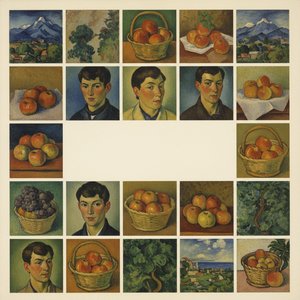
La vie brève mais brillante de Karl Meunier
Dans les annales de l'histoire de l'art belge, peu de noms évoquent un sentiment aussi poignant de potentiel inabouti que celui de Karl Louis Constantin Marie Meunier. Né en 1864 à Saint-Josse-ten-Noode, en Belgique, Karl était destiné à intégrer une véritable dynastie artistique. En tant que fils du légendaire sculpteur et peintre Constantin Meunier, son existence même était imprégnée de l'atmosphère riche et texturée de la scène artistique belge. Si ses premières années furent façonnées par un lignage d'une profonde créativenté, il chercha néanmoins à se forger une identité distincte, s'extrayant de l'ombre du réalisme social monumental de son père.
La formation académique de Karl se déroula au sein de la prestigieuse Académie de Bruxelles, où il étudia sous la direction d'Ernest Blanc-Garin de 1881 jusqu'à sa mort prématurée en 1894. Cette période d'apprentissage intensif lui permit de maîtriser l'équilibre délicat entre précision technique et expression émotionnelle. Tandis que son père se concentrait souvent sur la dignité lourde et musclée de la classe ouvrière, le développement de Karl l'amena à graviter vers une approche plus atmosphérique, mêlant les leçons structurelles de l'académie à la lumière et aux couleurs naissantes du mouvement impressionniste.
Une vision de paysages et d'âme industrielle
L'œuvre de Karl Meunier se caractérise par une capacité remarquable à capturer les qualités éphémères du monde naturel. Il excellait particulièrement dans la création de paysages vibrants, respirant l'humidité de la campagne belge et la lumière changeante des saisons. Sa technique utilisait souvent des couleurs audacieuses et des coups de pinceau expressifs, marque de fabrique de son influence impressionniste, ce qui lui permettait de transmettre non seulement la vue d'une scène, mais son tempérament même.
L'une de ses contributions les plus significatives au monde de l'art fut sa série de gravures connue sous le nom de 'Le Pays Noir'. Dans ces œuvres, Meunier explora les paysages industriels de la Belgique, capturant la beauté sombre des régions minières. Grâce à sa maîtrise de la gravure, il parvenait à traduire la poussière et la fumée de la vie industrielle en compositions d'une beauté envoûtante. Cette série témoigne de sa capacité à trouver une grâce esthétique au sein des réalités rudes, et souvent éprouvantes, de l'ère industrielle.
Au-delà des paysages, le répertoire de Meunier comprenait des peintures de figures évocatrices et des natures mortes qui démontraient toute sa polyvalence :
- The Ford (Le Gué) : Une peinture de paysage qui s'apparente à une leçon magistrale sur la capture de l'essence du monde naturel à travers la lumière et l'eau.
- Banquet : Une nature morte opulente qui démontre sa capacité à traiter l'abondance, la texture et le jeu d'ombres et de lumières.
- Études de figures : Des œuvres qui comblaient le fossé entre la forme humaine et l'environnement environnant, faisant souvent écho aux thèmes sociaux présents dans l'œuvre de son père, mais avec une touche plus personnelle et lyrique.
Héritage et importance historique
Bien que sa vie fut tragiquement courte, s'achevant à Louvain à l'âge de seulement trente ans, Karl Meunier a laissé une marque indélébile sur le paysage belge. Sa capacité à synthétiser les thèmes lourds du réalisme social avec la liberté lumineuse de l'impressionnisme a offert un pont unique entre deux mouvements majeurs de la fin du XIXe siècle. Son travail ne se contente pas de documenter une période de l'histoire ; il capture l'âme d'une nation en pleine transition, passant de ses racines agraires à sa puissance industrielle.
Aujourd'hui, ses contributions sont préservées dans des institutions prestigieuses telles que les Musées Royaux des Beaux-Arts à Bruxelles, où ses pièces côtoient les maîtres de son époque. Étudier Karl Meunier, c'est être témoin d'un moment fugace de génie artistique — une vie qui, bien que brève, a brûlé d'une intensité qui continue de résonner auprès des collectionneurs et des historiens. Son héritage perdure à travers la beauté intemporelle de ses paysages et la profonde profondeur émotionnelle nichée au cœur de ses traits.
Questions et réponses
Comment puis-je trouver toutes les œuvres de Karl Meunier dans une technique donnée ?
Les œuvres de Karl Meunier peuvent être consultées par technique sur la page Tous les médiums de l'artiste.
Où et en quelle année Karl Meunier est-il né ?
Karl Meunier est né à Saint-Josse-ten-Noode en 1864.
Où puis-je trouver des statistiques sur les œuvres de Karl Meunier ?
Les statistiques relatives aux œuvres de Karl Meunier sont disponibles sur la page Statistiques de l'artiste.