Le Poète Floral de Delft : La Vie et l'Héritage de Simon Pietersz Verelst
À l'âge d'or de la peinture hollandaise, peu d'artistes ont su capturer la beauté éphémère de la nature avec autant de grâce et de précision que Simon Pietersz Verelst. Affectueusement surnommé par ses contemporains le « dieu des fleurs », Verelst possédait une capacité rare à insuffler la vie dans les compositions de natures mortes, transformant de simples études botaniques en de profondes méditations sur l'existence. Né à La Haye en 1644, il est issu d'une lignée profondément ancrée dans le tissu artistique des Pays-Bas. Son père, Pieter Harmensz Verelst, s'était déjà forgé une réputation formidable à Anvers, offrant à Simon un socle d'excellence technique et une immersion précoce dans les traditions méticuleuses de l'art d'Europe du Nord.
Les années de formation de Verelst furent marquées par un apprentissage rigoureux et l'influence de maîtres qui prônaient la finesse des détails du réel. Étudiant à la confrerie pictura de La Haye aux côtés de son frère Herman, il passa sous la tutelle directe du légendaire Gerrit Dou. De Dou, Verelst hérita d'une maîtrise du clair-obscur — ce jeu dramatique et vibrant entre l'ombre et la lumière qui confère aux objets poids et présence. Cette exposition précoce au style des fijnschilders de Leyde instilla en lui un dévouement de toute une vie envers la précision, garantissant que chaque goutte de rosée sur un pétale et chaque veine subtile d'une feuille soient rendues avec une exactitude scientifique et une âme artistique.
Un Voyage du Réalisme Hollandais à l'Éclat Lyrique
Au fil de sa carrière, le style de Verelst connut une évolution captivante. Si ses premières œuvres restaient ancrées dans le réalisme austère de ses mentors, il s'orienta progressivement vers une esthétique plus atmosphérique et lyrique. Il commença à privilégier des palettes de couleurs lumineuses et un sentiment de profondeur qui invitaient le spectateur dans un jardin onirique. Ses compositions ne consistaient plus seulement en un simple inventaire d'espèces, mais cherchaient à capturer l'essence même de la floraison — la fragilité délicate d'une rose flétrissante ou l'énergie vibrante et fugace d'une tulipe printanière. Cette transition lui permit de jeter un pont entre la documentation botanique et le grand art, créant des œuvres qui résonnaient émotionnellement avec celui qui les contemplait.
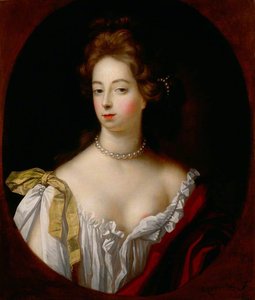
Sa maîtrise ne se limitait pas au domaine floral ; Verelst fut également un portraitiste distingué, capable de capturer la dignité de l'élite de son époque. Sa capacité à rendre les textures — le lustre lourd de la soie, la dentelle complexe d'un col et l'éclat doux de la peau — fit de lui un peintre très convoité par les sujets aristocratiques. Cette dualité dans son talent, oscillant entre le monde intime de la nature morte et le monde formel du portrait, lui permit de naviguer avec un succès remarquable parmi les diverses exigences du marché de l'art du XVIIe siècle.
Les Années Londoniennes et l'Importance Historique
En 1668, cherchant à élargir ses horizons et à conquérir de nouveaux marchés artistiques, Verelst s'installa à Londres. Ce déménagement marqua un chapitre important de sa vie, car il apporta les techniques sophistiquées de l'Âge d'Or hollandais dans la capitale anglaise. À Londres, son travail continua de s'épanouir et il devint une partie intégrante de la scène artistique internationale. Bien que sa vie s'achevât finalement en Angleterre vers 1721, son impact resta profondément enraciné dans les traditions qu'il avait portées depuis les Pays-Bas.
La portée historique de Simon Pietersz Verelst réside dans sa capacité à élever le genre de la nature morte à un niveau d'expression poétique. Ses œuvres servent de fenêtres impérissables sur le XVIIe siècle, reflétant à la fois la curiosité scientifique de l'époque et le lien profond de l'homme avec le monde naturel. Aujourd'hui, ses chefs-d'œuvre, tels que son emblématique « Un vase de fleurs », continuent d'enchanter collectionneurs et historiens, témoignant d'une vie entière passée à traquer la lumière et à célébrer la beauté éphémère de la vie.
Questions et réponses
Dans quelle ville et quel pays Simon Pietersz Verelst est-il/elle né(e) ?
Simon Pietersz Verelst est né à La Hague, en Pays-Bas.
Puis-je visiter un musée virtuel des œuvres de Simon Pietersz Verelst ?
La Musée 3D de Simon Pietersz Verelst est une page qui présente les œuvres de l'artiste dans une galerie virtuelle en trois dimensions.
Quels sont les pseudonymes ou autres noms sous lesquels Simon Pietersz Verelst est connu ?
Simon Pietersz Verelst apparaît sous les noms alternatifs Simon Pietersz Verelst.