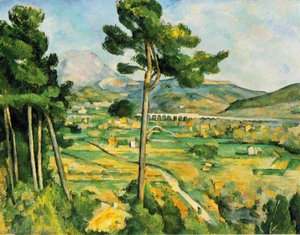
पूर्वावलोकन देखें
 साझा करें
 साझा करें
 विस्तृत विवरण

 डाउनलोड करें
 समान कलाकृतियाँ
 एक्स-रे
 स्लाइड शो देखें
पॉल सेज़ान का अमब्रॉइस Vollard का चित्र (१८९९) आधुनिक कला के इतिहास में एक महत्वपूर्ण व्यक्ति है। उन्होंने प्रभाववाद की क्षणभंगुर छाप और घनत्ववाद के खंडित रूपों के बीच का सेतु बनाया। इस तेल चित्रकला को फ़्रांस में Musée du Petit Palais में रखा गया है और य
 कैनवस पर तेल रंग
- वॉल आर्ट
- Post-Impressionism
 1899
1899- 19वीं शताब्दी
 100.0 x 81.0 cm
 पूरा देखें
हाथ से बनी ऑयल रिप्रोडक्शन
आपके आकार और फ्रेम के अनुसार कैनवास पर हाथ से बनी ऑयल पेंटिंग, हमारे कलाकारों द्वारा विशेष रूप से ऑर्डर पर तैयार। ( प्रिंट खरीदें छवि खरीदें)




P118B $10

P118H $10

P118W $10

P438Z $10

P508JH $12

P508YH $12

P805H $10

P805Z $10

P919BZ $10

P919G $10

P919XJ $10

P959ZH $10

P968JZ $12

W106C $8

W218G $10

W218JH $8

W218Y $10

W307PJ $10

W316G $10

W316PJ $8

W316Y $10

W398PJ $8

W4111J $10

W500HY $15

W500JH $15

W692G $12

W849H $8

W940BG $15

W953PJ $8




कलाकृति के मूल अनुपात से मेल खाने वाले हमारे पूर्व निर्धारित आकारों में से चुनें।

आप किसी विशिष्ट फ्रेम या स्थान के अनुसार अपने स्वयं के आयाम (dimensions) दर्ज कर सकते हैं। यदि आपके द्वारा चुना गया आकार मूल छवि के अनुपात से मेल नहीं खाता है, तो हम कलाकृति को क्रॉप करेंगे या पेंटिंग में अतिरिक्त हाथ से चित्रित तत्व जोड़कर उसका विस्तार करेंगे। उत्पादन शुरू होने से पहले आपकी स्वीकृति के लिए एक डिजिटल मॉकअप भेजा जाएगा।
कृपया ध्यान दें कि स्क्रीन पर दिखने वाला पूर्वावलोकन वास्तविक क्रॉपिंग या विस्तार को नहीं दर्शाता है। केवल मॉकअप ही अंतिम रचना को सटीक रूप से दिखाएगा।
यद्यपि कस्टम आकार उपलब्ध हैं, फिर भी हम मूल अनुपात बनाए रखने के लिए पूर्व-निर्धारित सूची से आयाम चुनने की सलाह देते हैं।
ऑर्डर देने के बाद, AllPaintingsStore.com टीम निर्देशों के लिए क्लाइंट को ईमेल करेगी और एक मॉकअप प्रीव्यू प्रदान करेगी
विश्वव्यापी वितरण () मानक 5 सप्ताह के बजाय मात्र 3/4 सप्ताह में। (20 अगस्त)। गुणवत्ता से कोई समझौता नहीं।

दुनिया भर में मुफ़्त एक्सप्रेस शिपिंग

उच्च गुणवत्ता वाला लिनेन कैनवास

पूर्ण शिपिंग बीमा

सीमा शुल्क और आयात कर वापसी की गारंटी

सटीक रंग मिलान की गारंटी

60-दिन की वापसी नीति (केवल दोषों के लिए)

100% पैसे वापसी की गारंटी

थोक छूट का लाभ
 ग्लास का विकल्प केवल 110 सेमी से कम आकार में ही उपलब्ध है।

पॉल सेज़ान का अमब्रॉइस Vollard का चित्र (१८९९) आधुनिक कला के इतिहास में एक महत्वपूर्ण व्यक्ति है। उन्होंने प्रभाववाद की क्षणभंगुर छाप और घनत्ववाद के खंडित रूपों के बीच का सेतु बनाया। इस तेल चित्रकला को फ़्रांस में Musée du Petit Palais में रखा गया है और य
प्रतिकृति की विधि
प्रतिकृति का आकार
-


कुल देय राशि
$ 258
कलाकृति का विवरण
Portrait of Ambroise Vollard: A Window into Cézanne’s Soul
Paul Cézanne's 1899 portrait of Ambroise Vollard isn’t merely a likeness; it’s a carefully constructed tableau, a profound meditation on observation, the act of seeing, and the quiet intensity of intellectual engagement. This oil-on-canvas painting, currently residing in the Musée du Petit Palais in France, offers a remarkably intimate glimpse into the world of a pivotal figure in the Parisian art scene – Vollard himself, a shrewd and influential art dealer who played a crucial role in championing the work of numerous artists, including Cézanne. More than just a commission for a patron, it represents a deeply considered exploration by Cézanne of his subject’s character and the very nature of artistic appreciation.
The painting immediately draws the eye to Vollard's posture: seated in a simple chair, hands clasped together as if holding a weighty thought or perhaps a manuscript. His gaze is directed downwards, not at the viewer, but seemingly lost within his own contemplation. This subtle shift in focus—away from direct engagement and towards inward reflection—is central to Cézanne’s strategy. The artist masterfully employs a muted palette of browns, ochres, and greys, punctuated by strategic highlights that draw attention to Vollard's hands and face – areas imbued with a palpable sense of tension and concentration. These aren’t the gestures of a relaxed individual; they speak of an active mind wrestling with ideas, a man deeply immersed in the world of art.
Cézanne’s Revolutionary Technique
Cézanne's approach to portraiture in this work is distinctly revolutionary for its time. He abandons the traditional conventions of idealized representation, opting instead for a fragmented and deliberately ambiguous style. The painting is characterized by his signature technique: small, repetitive brushstrokes meticulously layered upon one another to build up complex fields of color. This method creates an astonishing sense of depth and texture—a tactile quality that invites the viewer to step closer and examine the intricacies of the surface. It’s as if Cézanne isn't simply painting a portrait; he’s constructing a visual landscape, capturing not just Vollard’s appearance but also the very *process* of seeing.
Notice how Cézanne uses color to suggest form and space. The background figures, rendered with less detail and painted in cooler tones, recede into the distance, creating an illusion of depth that contrasts sharply with the more immediate focus on Vollard’s face. The clock hanging above his head—a seemingly insignificant detail—adds a layer of temporal significance, hinting at the passage of time and the weight of contemplation. It's a subtle yet powerful device, reinforcing the painting's theme of introspection.
Ambroise Vollard: A Patron of the Avant-Garde
Understanding the context surrounding this portrait is crucial to appreciating its significance. Ambroise Vollard was more than just an art dealer; he was a vital conduit for avant-garde movements, actively promoting the work of artists like Cézanne, Gauguin, and Picasso. His gallery in Paris became a hub for artistic innovation, providing a platform for challenging new ideas and styles. Cézanne’s first solo exhibition, organized by Vollard in 1895, was a watershed moment, establishing the artist's reputation and paving the way for his eventual recognition as a major figure in modern art.
The portrait itself can be interpreted as a tribute to Vollard’s role as a champion of Cézanne. By capturing Vollard in this moment of quiet contemplation, Cézanne is not only celebrating his subject but also reflecting on the importance of patronage and the crucial connection between artist and dealer. It's a reciprocal relationship—Vollard providing support and exposure to Cézanne’s work, and Cézanne offering a portrait that encapsulates the essence of Vollard’s character and influence.
A Legacy of Innovation
The *Portrait of Ambroise Vollard* stands as a testament to Cézanne's groundbreaking approach to painting. His innovative use of color, form, and brushstroke—his deliberate rejection of traditional conventions—laid the foundation for many subsequent artistic movements, including Cubism. Artists like Henri Matisse and Pablo Picasso acknowledged Cézanne’s profound influence on their own work, recognizing his ability to capture the essence of objects while simultaneously pushing the boundaries of representation. This portrait is not simply a depiction of a man; it's a visual manifesto—a declaration of Cézanne’s artistic vision and a pivotal moment in the history of modern art.
Reproductions Available at AllPaintingsStore.com: For those seeking to own a piece of this artistic legacy, AllPaintingsStore.com offers meticulously crafted, hand-painted oil painting reproductions of *Portrait of Ambroise Vollard*. Explore our collection and bring this iconic artwork into your home or studio: Paul Cézanne: Portrait of Ambroise Vollard – Paul Cézanne: The Four Seasons, Winter – Vincent Van Gogh: Pine Trees in Front of the Wall of the Asylum
Further Resources:
संबद्ध कलाकृतियाँ


कलाकार का जीवन परिचय
पॉल सेज़ान: आधुनिक कला के पथप्रदर्शक
पॉल सेज़ान, जिनका जन्म 1839 में ऐक्स-एन-प्रोवेंस, फ्रांस में हुआ था, आधुनिक कला के इतिहास में एक विशाल व्यक्तित्व माने जाते हैं। उन्होंने प्रभाववाद की क्षणभंगुर छाप और घनत्ववाद के खंडित रूपों के बीच का सेतु बनाया। उनकी यात्रा तत्काल प्रशंसा की नहीं थी; बल्कि यह कलात्मक अन्वेषण की धीमी गति से चलने वाली प्रक्रिया थी, जो आत्म-संदेह और आलोचनात्मक अस्वीकृति की अवधि से चिह्नित थी, जिसका अंततः आधुनिक कला के पाठ्यक्रम को अपरिवर्तनीय रूप से बदलने वाले एक विरासत में परिणत हुआ। एक समृद्ध परिवार में जन्मे – उनके पिता शुरू में एक टोपी निर्माता थे जो बाद में बैंकर बन गए – सेज़ान को अभिरुचि कलाकारों के लिए असामान्य वित्तीय सुरक्षा का आनंद मिला, जिससे उन्हें वाणिज्यिक सफलता के तत्काल दबावों के बिना अपनी कला के प्रति अपने जुनून को समर्पित करने की स्वतंत्रता मिली। हालाँकि उनके पिता ने शुरू में कानूनी करियर की ओर उनका मार्गदर्शन किया था, लेकिन कलात्मक अभिव्यक्ति की प्रबलता बहुत अधिक थी, और उन्होंने अंततः कानून छोड़ दिया और चित्रकला का पीछा किया, एक निर्णय जिसने उनके जीवन को परिभाषित किया। प्रारंभिक प्रभावों में उनकी जवानी में प्रचलित रोमांटिसिज्म और बारबाइजोन स्कूल का परिदृश्य के प्रति समर्पण शामिल थे, लेकिन पॉल गौगिन और जॉर्जेस सेउराट जैसे कलाकारों के साथ मुठभेड़ों और रंग और रूप के प्रति उनके नवीन दृष्टिकोणों के माध्यम से ही सेज़ान ने अपना विशिष्ट मार्ग प्रशस्त करना शुरू किया।अंधेरे से संरचना तक: एक शैली का विकास
सेज़ान के शुरुआती काम अक्सर रोमांटिक पेंटिंग की विशेषता वाले नाटकीय, भावनात्मक रूप से आवेशित विषयों को दर्शाते थे – कैनवस पर गहरे पैलेट और अभिव्यंजक ब्रशवर्क हावी होते थे। हालाँकि, यह प्रारंभिक चरण केवल एक कदम था जो बहुत अधिक विश्लेषणात्मक और अभूतपूर्व दृष्टिकोण की ओर ले जाता है। प्रकाश के क्षणभंगुर प्रभावों को बस कैप्चर करने से असंतुष्ट होकर, जैसा कि प्रभाववादियों द्वारा पसंद किया गया था, सेज़ान ने वस्तुओं की अंतर्निहित संरचना को समझने और उनका प्रतिनिधित्व करने का प्रयास किया। उन्होंने न केवल *क्या* देखा, बल्कि उन्होंने वास्तविकता का गठन करने वाले मौलिक रूपों को *कैसे* समझा। इसने उन्हें प्राकृतिक आकृतियों को उनके ज्यामितीय समकक्षों में तोड़ने के लिए प्रेरित किया - शंकु, सिलेंडर, गोले - दशकों से घनत्ववादी क्रांति की भविष्यवाणी करते हुए। उनकी तकनीक छोटे, दोहराए जाने वाले ब्रशस्ट्रोक द्वारा चिह्नित थी, सावधानीपूर्वक जटिल रंग और बनावट के क्षेत्रों का निर्माण करने के लिए परतदार, पहले कभी नहीं देखी गई पेंटिंग में ठोसता और गहराई की भावना पैदा करता है। उनका उद्देश्य भ्रामक स्थान नहीं था; इसके बजाय, उन्होंने अक्सर वस्तुओं को एक साथ कई दृष्टिकोणों से प्रस्तुत किया, पारंपरिक परिप्रेक्ष्य की पारंपरिक धारणाओं को चुनौती दी और दर्शक को अपने रचनाओं के निर्मित स्वभाव के साथ सक्रिय रूप से जुड़ने के लिए मजबूर किया। यह जानबूझकर विकृति मनमानी नहीं थी बल्कि रूप की अधिक पूर्ण समझ व्यक्त करने का प्रयास था, समय के एक क्षण को दर्शाने के बजाय धारणा का संश्लेषण।परिदृश्य, स्थिर जीवन और मानव रूप: प्रमुख कार्य और आवर्ती रूपांकन
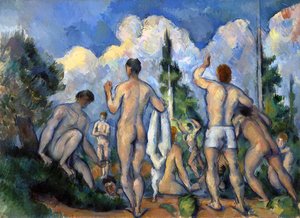
सेज़ान का काम उल्लेखनीय रूप से विविध है, जिसमें परिदृश्य, स्थिर जीवन, चित्र और नर्तकियों के चित्रण शामिल हैं, लेकिन सभी अपनी अनूठी दृष्टिकोण से रूप और रंग को एकीकृत करते हैं। जैस डी बुफन में तालाब, 1880 में चित्रित, उनके परिदृश्य कार्य का उदाहरण है, जो आकृतियों और टोन की सावधानीपूर्वक व्यवस्था के माध्यम से प्रकृति के सार को कैप्चर करने की उनकी क्षमता को दर्शाता है। एमिल ज़ोला का चित्र, 1866 में बनाया गया, उनकी विकसित शैली को प्रकट करता है और अपने करीबी मित्र और साथी लेखक के बौद्धिक तीव्रता की एक सम्मोहक झलक प्रदान करता है। उनके स्थिर जीवन, जैसे कि सेब और अन्य फलों वाले, वस्तुओं के केवल प्रतिनिधित्व नहीं हैं बल्कि आयतन, प्रकाश और स्थानिक संबंधों की खोज हैं। माउंट सैंट-विक्टोर श्रृंखला सेज़ान के लिए एक जुनून बन गई, एक आवर्ती रूपांकन जिसने उन्हें दशकों तक रूप और परिप्रेक्ष्य की जांच करने की अनुमति दी। ये चित्र पहाड़ का सिर्फ चित्रण नहीं है; वे गहराई, आयतन और प्रकाश और छाया के बीच परस्पर क्रिया को समझने के तरीके के अध्ययन हैं। अंत में, नर्तकियों की उनकी श्रृंखला, रमणीय परिदृश्यों में नग्न आंकड़े दर्शाती है, मानव रूप और प्रकृति के बीच संबंध की एक गहन खोज का प्रतिनिधित्व करती है, अक्सर कालातीतता और शांत चिंतन की भावना से भरी होती है।नवोन्मेष से निर्मित विरासत: आधुनिक कला पर सेज़ान का प्रभाव
पॉल सेज़ान का बाद की पीढ़ियों के कलाकारों पर प्रभाव असीम है। उन्हें उनकी चित्रभाषा में अभूतपूर्व योगदान के लिए "आधुनिक कला के पिता" माने जाते हैं, जिसने 20वीं शताब्दी की कई प्रमुख कलात्मक आंदोलनों के मार्ग प्रशस्त किया। पाब्लो पिकासो और जॉर्जेस ब्राक सेज़ान के ज्यामितीय रूपों और बहु-दृष्टिकोणों पर जोर से गहराई से ऋणी थे, जो घनत्ववाद के केंद्रीय सिद्धांत बन गए। उनके रंग का बोल्ड उपयोग हेनरी मैटिस जैसे कलाकारों द्वारा संचालित फाविस्ट आंदोलन को भी प्रेरित किया, जिन्होंने गैर-प्राकृतिक जीवंत रंगों को अपनाया। यहां तक कि अतियथार्थवादी कलाकारों ने भी सेज़ान की व्यक्तिपरक धारणा और मनोवैज्ञानिक गहराई की खोज में प्रतिध्वनि पाई। विशिष्ट आंदोलनों से परे, सेज़ान की व्यक्तिगत दृष्टि पर जोर और पारंपरिक शैक्षणिक बाधाओं के अस्वीकृति ने कलाकारों की पीढ़ियों को अभिव्यक्ति के नए रूपों का पता लगाने के लिए मुक्त कर दिया। उन्होंने प्रतिनिधित्व की बहुत परिभाषा को चुनौती दी, नकल से दूर ध्यान बदलकर अंतर्निहित संरचना और व्यक्तिपरक धारणा पर आधारित एक दृश्य अनुभव बनाने पर केंद्रित किया। 1906 में उनकी मृत्यु कला के इतिहास के एक नए युग के उदय - उनकी क्रांतिकारी दृष्टि से गहराई से प्रभावित - का प्रतीक नहीं थी बल्कि शुरुआत थी।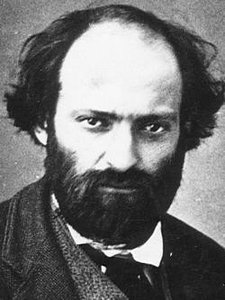
पॉल सेज़ान
1839 - 1906 , फ्रांस
मुख्य तथ्य
- Artistic Movement Or Style: उत्तर-प्रभाववादी
- Artists Or Movements Influenced By This Artist:
- घनवाद
- फोविज़्म
- अति यथार्थवाद
- Artists Who Influenced This Artist:
- रोमांटिकवाद
- बारबाइज़न स्कूल
- पॉल गौगिन
- जॉर्ज सीराट
- Date Of Birth: 19 जनवरी 1839
- Date Of Death: 22 अक्टूबर 1906
- Full Name: पॉल सेज़ान
- Nationality: फ्रांसीसी
- Notable Artworks:
- जैस डी बुफैन का तालाब
- एमिल ज़ोला का चित्र
- वन
- माउंट सैंट-विक्टोर श्रृंखला
- स्नानकर्ता
- Place Of Birth: एईक्स-एन-प्रोवेंस, फ्रांस
संबंधित लेख

Beyond Impressionism: Exploring the Emotional Depth and Vibrant Mastery of Post-Impressionist Art
Discover the profound evolution of art beyond Impressionism. Explore the emotional depth, vibrant colors, and revolutionary techniques of Post-Impressionist masters like Van Gogh and Cézanne in this expert guide to art history's most expressive movement.