

The Ukiyo-e shortlist
Famous Ukiyo-e कलाकार — Top 39 List
होकुसाई (1760–1849) is the most famous Ukiyo-e कलाकार, best known for महा समंदर का ज्वार और फुजी, स्पष्ट मौसम (लाल फुजी). Then एंदो हिरोशिघे, कितागावा उतामारो, त्सुकिओका योशीतोशी और तोरी कियोनागा. The list covers 39 कलाकार born between 1618 and 1880 in 2 countries, from हिशिकावा मोरोनोबु to Goyō Hashiguchi.
Method. Scope: artists filed under Ukiyo-e in our catalogue. Order: our artist fame ranking. Excluded: artists born after 1955 without a Wikidata identifier. Wikipedia figure: languages with an article, out of our 32.


Key data
Ukiyo-e: key data
- 39कलाकार
- 1618–1880जन्म का वर्ष
- 2जन्म के देश
- 0महिलाएं
- 1जीवंत कलाकार
- 5896हमारी कैटलॉग में उपलब्ध कृतियाँ
- सबसे महत्वपूर्ण कृतियाँ रखने वाले संग्रहालय
- Bujalance Collection (11), मेट्रोपॉलिटन म्यूज़ियम ऑफ़ आर्ट (10), Keio University Library (8), Minneapolis Institute of Art (5)
Ranked list
39 Ukiyo-e कलाकार, ranked with key works


4/ 39
त्सुकिओका योशीतोशी 1839–1892
जापानी b. टोक्यो उकियो-ए Wikipedia 15/32

Uesugi Kenshin Nyudo Terutora Riding into Battle (लगभग 1883). Hidaka नदी पर सर्प में बदलती कियोहिमे (लगभग 1890).
Key works · Top 100 works
 त्सुकिओका योशीतोशी
उकीयो-ए शैली
जापानी संस्कृति
निजी संग्रह
वुडब्लॉक प्रिंट
उकीयो-ए
ठोस रेखाएँ, सपाट रंगीन तलें
शहरी जीवन, आसकासा
आसकासा
1892
 Kingio Hideaki From Kaidai Hyaku Senso
 Okuko Hikozaemon Protects The Tokugawa Shogun From The Spear Of Goro Matabei Mototsugu
- 13431,343 works by त्सुकिओका योशीतोशी


6/ 39
उतागावा कुनियोशी 1798–1861
b. टोक्यो Wikipedia 24/32

Trained by Utagawa Toyokuni I #13 · Trained Utagawa Yoshitora #32, Kawanabe Kyōsai #11


8/ 39
हिशिकावा मोरोनोबु 1618–1694
जापानी b. होता उकियो-ए (Ukiyo-e) Wikipedia 20/32

Samurai tales, though romanticized, offered a glimpse into the warrior ethos that still held sway in Japanese culture.


9/ 39
उतागावा कुनिसदा 1786–1865
जापानी b. हंजो उकियो-ए (Ukiyo-e) Wikipedia 17/32

Trained by Utagawa Toyokuni I #13


10/ 39
चोबुनसाई एइशी 1756–1829
जापानी b. टोक्यो उकियो-ए, बिजिन-गा Wikipedia 11/32

While the exact circumstances surrounding his artistic awakening remain somewhat shrouded in mystery, it’s believed he received early instruction from Kanō Michinobu, a prominent master of the Kanō school of painting – renowned for its meticulous detail and stylized depictions of nature and religious subjects.


11/ 39
Kawanabe Kyōsai 1831–1889
Japanese b. Koga Ukiyo-e, Caricature, Manga pioneer Wikipedia 10/32

Kawanabe Kyōsai entered the world in 1831 in Koga, born into a samurai family. This early shock preceded a formal education under the masters of the Kanō school and Utagawa Kuniyoshi. He moved to Edo, where his father joined the official firefighters of the Shogunate, and there, Kyōsai began to develop a persona that would define his career.


12/ 39
Keisai Eisen 1790–1848
Japanese b. Edo Bunsei Era Ukiyo-e Wikipedia 15/32

In the vibrant, flickering light of 19th-century Edo, few artists captured the pulse of the "floating world" with as much evocative intensity as Keisai Eisen. This shift defined the aesthetic of the Bunsei era (1818–1830), a period often characterized by its decadent and psychologically complex atmosphere. In works such as his depictions of Fukaya Station or Ageo Station, he transformed mere topographical records into cinematic snapshots of life in motion.


13/ 39
Utagawa Toyokuni I 1769–1825
Japanese b. Shiba Ukiyo-e Wikipedia 13/32

Unlike some artists blessed with immediate, innate talent, Toyokuni appears to have been a dedicated student, meticulously absorbing the techniques and aesthetics of those who preceded him.
Trained Utagawa Kunimasa #15, Utagawa Toyokuni II #35


15/ 39
Utagawa Kunimasa 1773–1810
Japanese b. Aizuwakamatsu Utagawa School

He served as a vital link in the evolution of Japanese printmaking, helping to refine the stylistic language that would later be perfected by masters like Hiroshige and Kuniyoshi.


16/ 39
Nishikawa Sukenobu 1671–1750
Japanese b. Kyoto Ukiyo-e Wikipedia 9/32

Beyond his celebrated prints, Sukenobu produced an impressive array of paintings encompassing kimono patterns, samurai portraits, illustrations of classical literature, and landscapes.


17/ 39
Sharaku
Japan ukiyo-e Wikipedia 19/32

His portraits are noted for their ability to capture the psychology of a character through heightened theatrical gestures and expressive, almost caricature-like exaggerations.


18/ 39
Utashige
Japanese Ukiyo-e

This quiet revolution – a departure from the more flamboyant styles of his predecessors – established Hiroshige as a uniquely sensitive and poetic artist, whose work continues to inspire awe and contemplation centuries later.


19/ 39
Miyagawa Chōshun 1683–1753
Japanese b. Miyagawa Ukiyo-e Wikipedia 9/32

His subjects—often the elegant courtesans of the pleasure districts—were depicted with a fuller, more voluptuous grace than the slender, stylized figures seen in the works of later artists like Harunobu.


20/ 39
Goyō Hashiguchi 1880–1921
Dutch b. Kagoshima Post-Impressionism

In 1907 he won recognition for an ukiyo-e oil painting in the first Bunten show, but felt unfulfilled by public acceptance and returned to woodblock printing.


21/ 39
Isoda Koryūsai 1735–1790
Japanese b. Tokyo Ukiyo-e Wikipedia 10/32

In the vibrant, bustling heart of the Edo period, a golden age of Japanese creativity, few names resonate with as much elegance and prolific energy as Isoda Koryūsai. Born in 1735 in the burgeoning metropolis of Tokyo—then known as Edo—Koryūsai was a man shaped by the dualities of his era.


22/ 39
Ogata Gekko 1859–1920
Japanese b. Tokyo Ukiyo-e, Nihonga Wikipedia 9/32

His most celebrated series, “One Hundred Views of Mount Fuji” (1896-1905), exemplifies his mastery.


23/ 39
कोबायाशी कियोचिका 1847–1915
जापानी b. टोक्यो उकियो-ए, कोसेन-गा Wikipedia 10/32

Trained by Kawanabe Kyōsai #11


24/ 39
Adachi Ginko जन्म 1853
Japanese Ukiyo-e
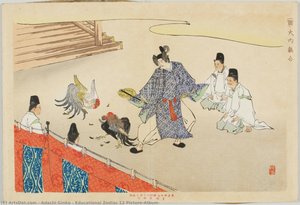
In the vibrant, transformative era of the late Meiji period, few artists captured the shifting soul of Japan as vividly as Adachi Ginkō. Born in 1853, a time when the traditional structures of the Edo period were beginning to yield to the rapid modernization of the West, Ginkō emerged as a master of the Ukiyo-e tradition.


25/ 39
Toyohara Chikanobu 1838–1912
Japanese Shin-hanga

In the twilight of the Edo period and the dawn of a modernizing Japan, few artists captured the profound tension between tradition and transformation as masterfully as Toyohara Chikanobu.


26/ 39
उतागावा तोयोहिरो 1773–1828
Japanese b. Toyooka Ukiyo-e Wikipedia 8/32

In the vibrant tapestry of the Edo period, few names resonate with the quiet elegance and technical mastery of Utagawa Toyohiro. Born as Okajima Tōjiro in Toyooka, Japan, this distinguished artist emerged as a pivotal figure within the renowned Utagawa school.


27/ 39
Mizuno Toshikata 1866–1908
Japanese b. Tokyo Ukiyo-e, Kuchi-e

Unlike the often-dramatic compositions favored by Yoshitoshi, Toshikata's works are imbued with an understated elegance and a profound sense of sentimentality. Several notable works by Mizuno Toshikata can be found in prestigious collections, including those at the Keio University Library and the Meiji Jingu Forest Festival of Art.


28/ 39
Ishikawa Toyonobu 1711–1785
Japanese b. Tokyo Ukiyo-e (Lacquer Print Art) Wikipedia 7/32

Among them stands Nishimura Shigenobu, also known as Ishikawa Toyonobu (1711–1785), a figure whose work embodies both the elegance and subtle sensuality characteristic of early ukiyo-e. He is often considered to have been the same person as Nishimura Shigenobu, a contemporary artist and student of Nishimura Shigenaga. Toyonobu’s artistic education began under the tutelage of Nishimura Shigenaga, a pupil of the renowned Okumura Masanobu.


29/ 39
Kogyo Sakamaki 1869–1927
Japanese Noh Theatre Prints

His prints continue to be studied by scholars and admired by collectors alike, serving as invaluable documents of Noh theatre’s cultural history and embodying the artistic ideals of the Meiji era—a testament to Sakamaki’s enduring legacy as a master of ukiyo-e and a poet of Japanese tradition.


30/ 39
Hokkei 1780–1850
b. Tokyo Wikipedia 8/32

The Tale of Genji, considered one of the greatest works of Japanese literature, depicts the complex lives and romantic entanglements within the Heian court.


31/ 39
Sadatora
Japanese b. Tokyo Ukiyo-e

Born around 1825 in the bustling metropolis of Tokyo, Sadatora was more than just a practitioner of woodblock printing; he was a poet of the atmospheric and the transient.


32/ 39
Utagawa Yoshitora

His artistic journey unfolded under several names – Ichimōsai Yoshitora, Kinchōrō Yoshitora, and Mosai Yoshitora – a practice not uncommon among ukiyo-e artists who adopted different art names throughout their careers to mark stylistic shifts or periods of production.


34/ 39
उतागावा कुनिसदा Ii 1823–1880
जापानी b. टोक्यो उकियो-ए (याकुशा-ए) Wikipedia 6/32

AllPaintingsStore.com पर होक्काइडो संग्रहालय ऑफ मॉडर्न आर्ट (जापान) का अन्वेषण करें.


35/ 39
Utagawa Toyokuni II 1777–1835
Japanese Ukiyo-e Wikipedia 4/32

Hiroshige's fame rests largely upon his monumental Tokaido series (1830–1832), a meticulously planned depiction of the 67 stations along Japan’s ancient pilgrimage route from Edo to Kyoto.
Trained by Utagawa Toyokuni I #13


36/ 39
Utagawa Yoshitaki 1841–1899
Japanese b. Osaka Ukiyo-e Wikipedia 4/32

His skillful use of shading and perspective created an illusion of depth and movement, effectively capturing the theatricality of the Kabuki stage.


37/ 39
Utagawa Kunitsuna Ii, Ichiransai, Sadashige
Japanese Ukiyo-e

Pinpointing Kunitsuna’s artistic lineage proves challenging due to the limited documentation surrounding his early career.


38/ 39
Utagawa Yoshikazu
Japanese b. Edo Ukiyo-e, Yokohama-e Wikipedia 3/32

He demonstrated a particular mastery of capturing textures and materials, from the sheen of Western fabrics to the rough surfaces of Japanese buildings. Among Yoshikazu’s most celebrated works are prints like “ American Family Print ” (1861) and “ Modern Ups and Downs Contests: Yokohama Merchants Referee (between) Entertainers and Non-workers,” which vividly portray the social dynamics of Yokohama during this period.


39/ 39
Shunkōsai Hokushū
Japanese b. Osaka Kamigata-e Wikipedia 3/32

The Osaka Style Emerges: Unlike the Edo-period’s dominant trend of producing prints in Tokyo, Hokuchō remained firmly rooted in Osaka. Osaka’s Artistic Landscape: Hokuchō's artistic output reflects Osaka’s position as a center of theatrical culture during the early 19th century.
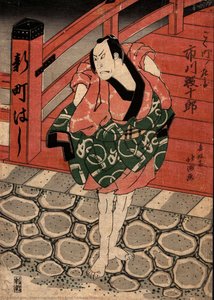


Best-known works
Famous Ukiyo-e paintings by artist
Chronology
Ukiyo-e chronology
- 1656
- 1785
- 1790
- 1809
- 1825
- 1825
- 1827
- 1831
- 1850
- 1855
- 1857
- 1867
- 1870
- 1888
Statistics
Counts by country, period and museum
| Japan | 21 |
|---|---|
| जापान | 15 |
| 17thवीं सदी | 3 |
|---|---|
| 18thवीं सदी | 17 |
| 19thवीं सदी | 12 |
| Bujalance Collection | 11 |
|---|---|
| मेट्रोपॉलिटन म्यूज़ियम ऑफ़ आर्ट | 10 |
| Keio University Library | 8 |
| Minneapolis Institute of Art | 5 |
| इंडियनपोलिस संग्रहालय कला | 2 |
| ब्रुकलिन संग्रहालय | 2 |
| क्लीवलैंड म्यूज़ियम ऑफ़ आर्ट | 2 |
| Kimbell Art Museum | 2 |
Index
Full list of 39 famous Ukiyo-e कलाकार
- 1
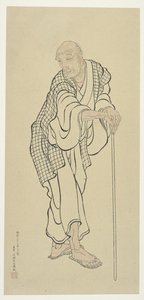 होकुसाईजापानी · 1760–1849
- 2
 एंदो हिरोशिघेजापानी · 1797–1858
- 3
 कितागावा उतामारोजापानी · 1753–1806
- 4त्सुकिओका योशीतोशीजापानी · 1839–1892
- 5
 तोरी कियोनागाजापानी · 1752–1815
- 6उतागावा कुनियोशी1798–1861
- 7
 सुजुकी हारुनोबु1724–1770
- 8हिशिकावा मोरोनोबुजापानी · 1618–1694
- 9उतागावा कुनिसदाजापानी · 1786–1865
- 10चोबुनसाई एइशीजापानी · 1756–1829
- 11Kawanabe KyōsaiJapanese · 1831–1889
- 12Keisai EisenJapanese · 1790–1848
- 13Utagawa Toyokuni IJapanese · 1769–1825
- 14
 हिरोशिगे प्रथम (Hiroshige I)Japanese · 1797–1858
- 15Utagawa KunimasaJapanese · 1773–1810
- 16Nishikawa SukenobuJapanese · 1671–1750
- 17SharakuJapan ·
- 18UtashigeJapanese ·
- 19Miyagawa ChōshunJapanese · 1683–1753
- 20Goyō HashiguchiDutch · 1880–1921
- 21Isoda KoryūsaiJapanese · 1735–1790
- 22Ogata GekkoJapanese · 1859–1920
- 23कोबायाशी कियोचिकाजापानी · 1847–1915
- 24Adachi GinkoJapanese · जन्म 1853
- 25Toyohara ChikanobuJapanese · 1838–1912
- 26उतागावा तोयोहिरोJapanese · 1773–1828
- 27Mizuno ToshikataJapanese · 1866–1908
- 28Ishikawa ToyonobuJapanese · 1711–1785
- 29Kogyo SakamakiJapanese · 1869–1927
- 30Hokkei1780–1850
- 31SadatoraJapanese ·
- 32Utagawa Yoshitora
- 33
 टोयोहारा कुनिचिकाजापानी · 1835–1900
- 34उतागावा कुनिसदा Iiजापानी · 1823–1880
- 35Utagawa Toyokuni IIJapanese · 1777–1835
- 36Utagawa YoshitakiJapanese · 1841–1899
- 37Utagawa Kunitsuna Ii, Ichiransai, SadashigeJapanese ·
- 38Utagawa YoshikazuJapanese ·
- 39Shunkōsai HokushūJapanese ·
FAQ
Ukiyo-e: quick answers
Who was the greatest Ukiyo-e कलाकार?
होकुसाई (#1) comes first, ahead of एंदो हिरोशिघे (#2) and कितागावा उतामारो (#3).
Which five Ukiyo-e कलाकार should everyone know?
होकुसाई (#1), एंदो हिरोशिघे (#2), कितागावा उतामारो (#3), त्सुकिओका योशीतोशी (#4) और तोरी कियोनागा (#5).
In which period did Ukiyo-e art flourish?
Most कलाकार in this list were born in the 18thवीं सदी (17 of 39), between 1618 and 1880 overall.
Which Ukiyo-e masters trained other famous कलाकार?
उतागावा कुनियोशी (#6) taught Utagawa Yoshitora (#32) और Kawanabe Kyōsai (#11); Utagawa Toyokuni I (#13) taught Utagawa Kunimasa (#15) और Utagawa Toyokuni II (#35).
Who are the most famous living Ukiyo-e कलाकार?
The highest-ranked living कलाकार in this list are Adachi Ginko (#24).
Who was the first Ukiyo-e कलाकार?
The earliest-born कलाकार in this list is हिशिकावा मोरोनोबु (#8), born in 1618.
Where can I see Ukiyo-e art?
The museums holding the most key works of this list are Bujalance Collection (11), मेट्रोपॉलिटन म्यूज़ियम ऑफ़ आर्ट (10) और Keio University Library (8).
Which country produced the most Ukiyo-e कलाकार?
Japan: 21 of the 39 कलाकार in this list were born there, then जापान (15).
Which techniques define Ukiyo-e art?
“While he mastered the precise brushwork required by tradition, his spirit gravitated toward the more liberated styles of the popular schools.” — from our biography of Kawanabe Kyōsai (#11).
Which Ukiyo-e कलाकार from जापान are the most famous?
The highest-ranked कलाकार born in जापान are होकुसाई (#1), एंदो हिरोशिघे (#2), कितागावा उतामारो (#3), त्सुकिओका योशीतोशी (#4) और तोरी कियोनागा (#5).
Which city produced the most Ukiyo-e कलाकार?
टोक्यो: 10 of the कलाकार in this list were born there.
Where can I buy Ukiyo-e art?
Our catalogue holds 5,896 works by these कलाकार. Each one can be ordered as a hand-painted oil reproduction or a print.
Guides
AllPaintingsStore.com guides
Other lists
Famous artists by movement
 प्रसिद्ध Baroque कलाकाररेम्ब्रांट वैन रीन
लीडेन
नीदरलैंड
1606
1669
रेम्ब्रांट वैन रीन
1642
डच गोल्डन एज पेंटिंग में एक क्रांतिकारी क्षण
363 x 437 सेमी
रात्रि प्रहरी
रात्रि प्रहरी · रैम्ब्राण्ट
 प्रसिद्ध Contemporary Realist कलाकारद ग्लीनर्स · जीन-फ्रांस्वा मिले
 प्रसिद्ध Impressionist कलाकारतारांकित रात (न्यूयॉर्क, MoMA) · विन्सेंट वैन गो
 प्रसिद्ध Romanticist कलाकारसैटर्न अपने पुत्र को निगल रहा है · फ्रांसिस्को डि गोया
 प्रसिद्ध Neoclassicist कलाकारThe Death of Marat · जैक्स-लुई डेविड
 प्रसिद्ध Realist कलाकारएक विद्रोही का ब्रश: गुस्ताव कोर्टबेट का जीवन और विरासतऑर्नन के शांत गांव में जन्मे, फ्रांस में 1819, जीन Désiré Gustave Courbet अपने समय की स्थापित कलात्मक मानदंडों के खिलाफ एक defiant शक्ति के रूप में उभरा। उसकी कहानी सिर्फ पेंट और कैनवस की नहीं है; यह · गुस्ताव कूरबे
 प्रसिद्ध Renaissance कलाकारमोना लिसा (ला जियोकोंडा) · लिओनार्दो दा विंची
 प्रसिद्ध Dutch Golden Age कलाकारजोहान्स वेरमियर
उत्तरी प्रकाश में डूबा एक जीवन: जोहान्स वेरमियर की दुनिया
जोहान्स वेरमियर, 17वीं शताब्दी के डच जीवन की शांत अंतरंगता के साथ पर्याय है, विद्वानों के सदियों बाद भी एक रहस्य बना हुआ है। अक्टूबर 1632 को डेलफ्ट में जन्मे, उनका अस्तित्व अभूतपू · जान वर्मीर
 प्रसिद्ध Expressionist कलाकारसं состава सात · वासिली कैंडिंस्की
 प्रसिद्ध Rococo कलाकारप्यार का पाठ · एंथोनी वातेऊ
By period
Famous artists by period
 प्रसिद्ध Early Medieval कलाकारSnowy River · वांग वेई
 प्रसिद्ध High Medieval कलाकारमैडोना इन मेस्ट (ओग्निसंति मैडोना) · गियोट्टो डी बोन्डोन
 प्रसिद्ध Late Medieval कलाकारदेवदूत घोषणा और दो संत · सिमोने मार्टिनी
 प्रसिद्ध Renaissance कलाकारमाइकल एंजेलो बोनारोटी, एक नाम जो उच्च पुनर्जागरण के साथ पर्याय है, सदियों से मानव कलात्मक क्षमता का प्रमाण है। 6 मार्च, 1475 को इटली के टस्कन पहाड़ियों में कैप्रेसे माइकेलांजेलो में जन्मे, उनका जीवन प्रतिभा, महत्वाकांक्षा और दिव्य प्रेरणा का एक असाधारण अभ · माइकल एंजेलो
 प्रसिद्ध Early Modern कलाकारकारावागियो
मिलान
स्पेन
1571
1599
1610
एक क्रांतिकारी क्षण बैरोक कला में
322 x 340 सेमी
सेंट मैथ्यू का आह्वान · कारावाजियो
 प्रसिद्ध 19th Century कलाकारजल लिली (या निम्फीस) · क्लाद मोने
 प्रसिद्ध Modern कलाकारगुएर्निका · पाब्लो पिकासो
 प्रसिद्ध Contemporary कलाकारWind Sculpture III (one in a series of nine) · Yinka Shonibare
Related lists