


 Pregledaj u stvarnoj veličini
 Pošalji
 Podijeli
 Detalji o umjetničkom djelu

 Preuzmi
 Slični predmeti
 Rentgenska snimka
 Automatska prezentacija
SVETI BONAVENTURA PRIMJENJE SVETOJ EPISTOLJI OD ANGELA


 Prikaži više
Ručno rađena uljana reprodukcija
Ručno oslikano uljanim bojama na platnu u dimenzijama i okviru po vašem izboru, izrađeno po narudžbi od strane naših umjetnika. ( Pređi na tisak Prebacite na sliku)




P118B $10

P118H $10

P118W $10

P438Z $10

P508JH $12

P508YH $12

P805H $10

P805Z $10

P919BZ $10

P919G $10

P919XJ $10

P959ZH $10

P968JZ $12

W106C $8

W218G $10

W218JH $8

W218Y $10

W307PJ $10

W316G $10

W316PJ $8

W316Y $10

W398PJ $8

W4111J $10

W500HY $15

W500JH $15

W692G $12

W849H $8

W940BG $15

W953PJ $8




Odaberite jednu od naših unaprijed definiranih veličina koje odgovaraju izvornim proporcijama umjetničkog djela.

Možete unijeti vlastite dimenzije kako bi odgovarale određenom okviru ili prostoru. Ako odabrana veličina ne odgovara proporcijama izvorne slike, izrezat ćemo umjetničko djelo ili proširiti sliku dodatnim ručno oslikanim elementima. Digitalni nacrt bit će vam poslan na odobrenje prije početka proizvodnje.
Imajte na umu da pregled na ekranu ne prikazuje stvarno izrezivanje ili proširivanje. Samo će nacrt točno prikazati konačni sastav.
Iako su dostupne prilagođene veličine, preporučujemo odabir dimenzije s preddefiniranog popisa kako bismo očuvali izvorne proporcije.
Nakon narudžbe, tim AllPaintingsStore.com kontaktirat će klijenta putem e-pošte radi dobivanja uputa te dostaviti probni prikaz (mockup).
Isporuka širom svijeta () u roku od 3-4 tjedna umjesto standardnih 5 tjedana. (8 Kolovoz). Bez kompromisa u kvaliteti.

Besplatna ekspresna dostava širom svijeta

Visokokvalitetno laneno platno

Potpuno osiguranje dostave

Jamstvo povrata carine i uvoznih poreza

Garancija vjernog podudaranja boja

Politika povrata u roku od 60 dana (samo u slučaju nedostataka)

Jamstvo povrata 100% novca

Popust na više proizvoda
 Opcija stakla dostupna je samo za dimenzije manje od 110 cm

SVETI BONAVENTURA PRIMJENJE SVETOJ EPISTOLJI OD ANGELA
Tehnika reprodukcije
Veličina reprodukcije
-


Ukupna cijena
$ 258
Opis umjetničkog djela
Saint Bonaventure Recevant La Communion Des Mains D'Un Ange – Une Symphonie Baroque de Foi et Lumière
La peinture intitulée « Saint Bonaventure Recevant La Communion Des Mains D’Un Ange » représente une scène religieuse emblématique du XVIe siècle, incarnant les valeurs esthétiques et spirituelles caractéristiques du baroque espagnol. Créée vers 1628 par Francisco de Herrera le Vieux, cette œuvre est aujourd'hui conservée au Musée du Louvre Département des Peintures à Paris, témoignant ainsi d’une richesse artistique et historique exceptionnelle. ### Une Œuvre Fondatrice de l’École Sévillane et Son Style Dramatique Francisco de Herrera el Viejo occupe une place centrale dans l’histoire de l’art espagnol, considéré comme un pionnier du baroque émotionnel et fondateur de l'École sévillane. Cette école, marquée par une approche innovante et pleine d'énergie artistique, fut influencée par les œuvres de grands maîtres tels que Diego Velázquez et Juan Carreño Céspedes. Herrera le Vieux maîtrisait parfaitement la technique picturale, notamment l’huile sur toile, utilisant une palette de couleurs vives et une maîtrise du clair-obscur pour créer des effets dramatiques et renforcer l'impact émotionnel de ses tableaux religieux. Son style baroque se distingue par une recherche constante de réalisme et une attention particulière aux détails anatomiques et aux textures superficielles. ### La Composition Dramatique et les Symboles Religieux : Une Éloge de la Foi Cristienne La composition du tableau est soigneusement orchestrée pour transmettre un message profond lié à la foi chrétienne. Saint Bonaventure, personnage clé de l’histoire religieuse occidentale, est représenté agenouillé devant un autel où il reçoit la communion des mains d'un ange. Cette scène évoque les rites sacrés et souligne la dignité humaine face à Dieu. L’ange, symbole de lumière divine et de grâce céleste, offre au saint le corps du Christ avec une précision remarquable. Les autres personnages présents dans l’œuvre sont des frères franciscains, représentant la communauté religieuse et incarnant les valeurs morales et spirituelles fondamentales. La lumière joue un rôle essentiel dans la peinture, créant une atmosphère dramatique et mettant en évidence les contours des figures et les détails architecturaux du fond. Cette utilisation audacieuse de la lumière contribue à renforcer l’effet émotionnel et à donner vie à la scène religieuse. ### Signatures et Provenance : Un Témoin de l'Histoire Artistique Européenne La peinture porte la signature « F. de Herrera le Vieux » dans le coin inférieur droit, attestant ainsi son authenticité et sa paternité artistique. Elle fait partie d’une série de quatre œuvres commandées à Herrera pour l’église du collège de Saint-Bonaventure de Séville par contrat en date du 30 décembre 1627. Cette commande reflète les préoccupations esthétiques et religieuses de l'époque et témoigne de la puissance économique et artistique des villes espagnoles au XVIIe siècle. Aujourd’hui conservée au Louvre Département des Peintures, puis au Musée National du Prado à Madrid avant d’être achetée par une famille américaine, cette œuvre demeure un symbole de l’histoire artistique européenne et une magnifique illustration du baroque espagnol.Srodna umjetnička djela


Biografija umjetnika
Francisco de Herrera le Vieux: A Pioneer of Baroque Emotion
Francisco de Herrera le Vieux (1590 – 1656) stands as a pivotal figure in Spanish Renaissance art, bridging the gap between Mannerism’s stylized elegance and the exuberant dynamism of Baroque painting. Born in Seville, Herrera's artistic journey was marked by unwavering devotion to religious iconography and an unparalleled mastery of technique—qualities that cemented his legacy as one of the founders of the Seville School and profoundly impacted subsequent generations of artists.Early Life and Artistic Formation
Little is known about Herrera’s formative years beyond confirming his birth in Seville, a city renowned for its artistic patronage during the Habsburg reign. He received his initial training at the Escuela Real de San Fernando, where he honed his skills alongside Diego Velázquez and Juan Carreño Céspedes—artists who would become instrumental in shaping the distinctive aesthetic of the Seville School. This environment fostered an appreciation for meticulous observation and a commitment to conveying spiritual fervor through carefully crafted compositions.The Seville School: A Synthesis of Style
Herrera’s contribution to art history resides primarily in his role as a leader of the Seville School, alongside Velázquez and Carreño Céspedes. Unlike the rigid formalism of Mannerism, which prioritized intellectual abstraction over emotional expression, Herrera championed a style characterized by palpable emotion and dramatic lighting—elements that would become hallmarks of Baroque painting throughout Europe. His canvases pulsated with life, capturing fleeting moments of piety and conveying profound spiritual contemplation. The Seville School’s aesthetic was heavily influenced by Caravaggio's revolutionary use of chiaroscuro, resulting in paintings imbued with an unforgettable sense of theatricality.Notable Works: Expressions of Faith
Herrera’s artistic output is predominantly focused on religious subjects—primarily depictions of saints and biblical narratives—reflecting the fervent piety prevalent during his time. Among his most celebrated masterpieces are “The Last Judgment,” housed in Seville Cathedral, and “Saint Bonaventure Receiving Communion from Saint Francis,” adorning a chapel at the same cathedral. These paintings exemplify Herrera’s exceptional skill in rendering human emotion with breathtaking realism, utilizing subtle gradations of color and masterful brushwork to convey the solemn grandeur of religious experience. Furthermore, his works are found in prestigious institutions like the Louvre Museum in Paris, demonstrating their enduring artistic merit.Influence and Legacy
Herrera's influence extended far beyond Seville, shaping the artistic sensibilities of numerous aspiring painters. His unwavering dedication to naturalistic representation combined with expressive dynamism established a precedent for Baroque artists seeking to communicate spiritual truths through compelling visual narratives. Diego Velázquez, arguably Herrera’s most prominent pupil, carried forward Herrera’s stylistic innovations—particularly his masterful use of chiaroscuro—into his own oeuvre, securing Herrera's place as a foundational figure in Spanish art history and contributing significantly to the artistic landscape of Europe during the 17th century. His legacy continues to inspire artists today who strive for emotional depth and technical brilliance.Concluding Remarks
Francisco de Herrera le Vieux’s artistic achievements stand as testament to the transformative power of faith and artistry. He remains a beacon of Baroque emotion, whose canvases continue to captivate audiences with their luminous beauty and profound spiritual resonance—a true embodiment of the Seville School's distinctive vision.
francisco de herrera le vieux
1590 - 1656
Osnovne informacije
- Artistic Movement Or Style: Baroque
- Artists Or Movements Influenced By This Artist: ['Diego Velázquez']
- Date Of Death: 1656
- Full Name: Francisco de Herrera le Vieux
- Nationality: Spanish
- Notable Artworks:
- The Last Judgment
- Holy Family
- Place Of Birth: Seville, Spain
Srodni članci

The Golden Age Reforged: Dramatic Realism & Religious Zeal in Spanish Baroque Art
Explore the dramatic world of Spanish Baroque art! Discover masters like Zurbarán & the powerful influence of religious zeal on painting techniques – a guide for collectors and enthusiasts.

Echoes of Isolation: Solitude in Western Art from Renaissance to Modernism
Explore the profound representation of solitude in Western art from the Renaissance to Modernism. Discover iconic paintings & artists like Goya, Friedrich, and Rossetti. Handmade oil reproductions available at AllPaintingsStore.

Deset Remek-djela Visoke Renesanse: Umijeće i Ukras za Vaš Dom
Otkrijte 10 remek-djela Visoke Renesanse! Leonardo, Michelangelo, Rafael i drugi majstori oblikovali su umjetnost. Istražite priče iza ikoničnih slika i inspirirajte svoj dom. Kvalitetne reprodukcije na AllPaintingsStore.com – otkrijte cijelu kolekciju online!

Antonio da Correggio: Innovation, Illusionism & the Poetics of Grace in Renaissance Painting
Explore the revolutionary art of Antonio da Correggio, a master of Renaissance illusionism and chiaroscuro. Discover his frescoes, mythological paintings & lasting influence on Baroque art. Expert analysis & key works featured.
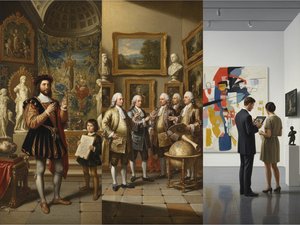
The Patron's Gaze: Art Collectors in Western Painting – A Renaissance to Modern History
Explore the fascinating history of art collectors in Western painting, from Renaissance patrons to modern museum founders. Discover how portraits revealed status, shaped artistic movements & built lasting legacies. Expert insights at AllPaintingsStore.




