Pénzvisszatérítési Garancia · 100 nap Ingyenes világszerte történő szállítás
646 446műalkotások 53 409művészek 5 406múzeumok 32nyelv
Joseph Blanc portréja

A 12 legnévesebb Joseph Blanc festmény közül

Frissítve: október 2026 · rangsorolva népszerűségi pontszámunk alapján (minden mű keresései, látogatásai és megrendelései alapján) · 12 mű Joseph Blanc alkotása a katalógusunkban

Gyors válasz

Joseph Blanc festményei közül az Sketch for the church Saint-Paul-Saint-Louis: Robert the Pious. Clovis. Saint Louis. Charlemagne (1873) a legnépszerűbb, amelynek eredetije a Petit Palais múzeumában található, Paris. A második és a harmadik helyen: Portrait of Émile Perrin (1814-1885), administrator of the Comédie-Française (1884) és Portrait of Julia Bartet (1854-1941), as an Allegory of Comedy (1885). Katalógusunkban 12 mű található Joseph Blanc alkotótól. Az itt felsorolt 12 alkotás a legismertebb, rangsorolt sorrendben, az eredeti művek évszámával és múzeumával együtt.

1846 – 1904, Montmartre A legtöbb mű: Carnavalet Museum

A top 10: Joseph Blanc leghíresebb festményei

11 és 12 helyezés között: több Joseph Blanc festmény

A Joseph Blanc eredeti műveit őrző múzeumok

A 3 olyan múzeum, amely a legtöbb ezen az oldalon szereplő festményet őrzi.

Múzeumok Város Joseph Blanc művei Ebből a listából származó festmények
Carnavalet Museum, ParisCarnavalet Museum Paris 6 Portrait of Émile Perrin (1814-1885), administrator of the Comédie-Française, Portrait of Julia Bartet (1854-1941), as an Allegory of Comedy, Portrait of Sophie Croizette (1847-1901), member of the Comédie-Française
Petit Palais, ParisPetit Palais Paris 5 Sketch for the church Saint-Paul-Saint-Louis: Robert the Pious. Clovis. Saint Louis. Charlemagne, Sketch for the Grand Staircase of the Hôtel de Ville: The Evening, Sketch for the Grand Staircase of the Hôtel de Ville - L'Aurore
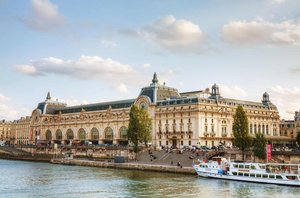
Musée d'Orsay, PárizsMusée d'Orsay Párizs 1 Perseus

Minden évtized legjobb Joseph Blanc festménye

Művek évtizedenként

Váasszon egy évtizedet a legnépszerűbb festmény megtekintéséhez.

Joseph Blanc festményei: GYIK

Mi Joseph Blanc leghíresebb műve?Megjelenítés

Sketch for the church Saint-Paul-Saint-Louis: Robert the Pious. Clovis. Saint Louis. Charlemagne (1873), Petit Palais, Paris, az első helyen áll, amelyet Portrait of Émile Perrin (1814-1885), administrator of the Comédie-Française (1884) és Portrait of Julia Bartet (1854-1941), as an Allegory of Comedy (1885) követ.

Milyen életkorában festette meg Joseph Blanc a(z) Sketch for the church Saint-Paul-Saint-Louis: Robert the Pious. Clovis. Saint Louis. Charlemagne című művet?Megjelenítés

Joseph Blanc 27 éves volt: Sketch for the church Saint-Paul-Saint-Louis: Robert the Pious. Clovis. Saint Louis. Charlemagne 1873-ből származik, Joseph Blanc pedig 1846 évfolyamon született.

Melyek a tíz leghíresebb Joseph Blanc festmény?Megjelenítés

Sketch for the church Saint-Paul-Saint-Louis: Robert the Pious. Clovis. Saint Louis. Charlemagne, Portrait of Émile Perrin (1814-1885), administrator of the Comédie-Française, Portrait of Julia Bartet (1854-1941), as an Allegory of Comedy, Portrait of Sophie Croizette (1847-1901), member of the Comédie-Française, Tragedy, Study after Mlle Dudlay, Portrait of Adeline Dudlay (1858-1934), as an Allegory of Tragedy, Constant Coquelin (1841-1909), known as Coquelin aîné, shareholder and member of the board of directors of the Comédie-Française, Sketch for the Grand Staircase of the Hôtel de Ville: The Evening, Sketch for the Grand Staircase of the Hôtel de Ville - L'Aurore és Sketch for the Festival Staircase of the Hôtel de Ville - The Day - the Sun; Messidor - Vendémiaire. A művek évszáma és múzeuma a rangsorban található.

Hány Joseph Blanc alkotása szerepel a listán?Megjelenítés

12 műve Joseph Blanc alkotása a katalógusunkban, 1869 és 1901 között.

Mely múzeumokban található Joseph Blanc leghíresebb eredeti műve?Megjelenítés

Főleg Carnavalet Museum (Paris), Petit Palais (Paris) és Musée d'Orsay (Párizs) található. A teljes listaért tekintse meg a fenti múzeumi táblázatot.

Mikor készültek a Joseph Blanc legnépszerűbb festményei?Megjelenítés

1880s idején: a rangsorolt 12 festmény közül 6 ebben az időszakban készült, beleértve a(z) Portrait of Émile Perrin (1814-1885), administrator of the Comédie-Française.

Melyek a leghitelesebb és a legfrissebb híres Joseph Blanc festmények?Megjelenítés

A legkorábbi alkotás ezen az oldalon: Perseus (1869). A legutóbbi: Sketch for the Festival Staircase of the Hôtel de Ville - The Day - the Sun; Messidor - Vendémiaire (1901).

Mely híres Joseph Blanc festményei találhatók a Carnavalet Museum gyűjteményében?Megjelenítés

A Carnavalet Museum, Paris 6 darabban foglalja magában az itt rangsorolt festmények közül, beleértve a Portrait of Émile Perrin (1814-1885), administrator of the Comédie-Française, Portrait of Julia Bartet (1854-1941), as an Allegory of Comedy és Portrait of Sophie Croizette (1847-1901), member of the Comédie-Française alkotásokat is.

Vásárolhatok Joseph Blanc festményről reprodukciót?Megjelenítés

Igen. Az oldalon található összes festmény rendelhető kézzel festett olajfestmény-másolatként vagy nyomtatványként is. Nyissa meg a festményt, válassza ki a méretet, és adja meg a zamówelést.

Joseph Blanc: a művész a festmények mögött

The Academy and the Prix de Rome

Paris, 1867. The atmosphere of the École des Beaux Arts thickens with the weight of competition as Paul-Joseph Blanc presents his work, The Murder of Laius by Œdipus. This is the moment the trajectory shifts. The jury awards him the prestigious Prix de Rome, a recognition that places him firmly within the upper echel's circle of academic excellence. He has studied under the rigorous guidance of Émile Bin and Alexandre Cabanel, absorbing the precise techniques required for large-scale historical narratives.

His studio in Montmartre becomes more than a private workspace; it transforms into an active art school. Here, the boundaries between master and student blur as he instructs others in the classical tradition. His hand moves between the grand scale of history painting and the intimate demands of portraiture. He captures the likenesses of political figures such as Georges Clemenceau, Léon Gambetta, and Paul Bert, anchoring his reputation in the contemporary political landscape of France.

Mythology and Monumental Decoration

The brushwork focuses on the ancient world. Scenes from mythology and antiquity provide the foundation for his most significant compositions. In 1869, he completes Perseus, a massive canvas measuring over three meters in height. The scale of such works demands a command of light and form that defines his professional identity.

His influence extends into the very architecture of Paris. He takes up the task of decorating significant public buildings, leaving permanent marks on the city's structural history:

  • The Panthéon, where he executes large-scale works including The Vow of Clovis at the Battle of Tolbiac, The Baptism of Clovis, and The Triumph of Clovis.
  • The Opéra-Comique, contributing to its decorative program.
  • The Hôtel de Ville, adding to the civic grandeur of the capital.

Beyond the canvas, Blanc engages with the minute details of statecraft. He designs postage stamps featuring the figure of Marianne, creating denominations that circulate through the French colonies. These "Blancs" become a part of daily life, their original engraved wooden blocks preserved today in the Musée de La Poste.

The Final Years in Paris

By 1889, his status within the academic hierarchy is solidified when he is named a professor at the École. He remains a fixture of the French Academic Classical style, a painter of history and a decorator of institutions. His life concludes in Paris in 1904, leaving behind a body of work that spans from the monumental walls of the Panthéon to the small, engraved surfaces of postal currency.