

1608. Oil On Canvas, 361.0 x 520.0 cm.

§ 1Katalógusadatok

- 361.0 x 520.0 cm


§ 2Absztrakt
A gyűjtemény leírása
The painting is housed in the Uffizi Gallery in Florence. Caravaggio's innovative approach to portraying human emotion and dramatic narratives cemented his legacy as one of the greatest artists of all time.
 Összes részlet megjelenítése
A művész életrajza
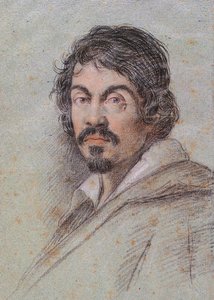
Caravaggio (1571-1610): Barokk festő, aki a realizmust és a chiaroscuro drámai fényekkel ötvözte. Vallási témák, intenzív érzelmek, forradalmi stílus!
§ 3Magyarázat
A Descent into Darkness: The Visceral Majesty of Caravaggio
To stand before Michelangelo Merisi da Caravaggio’s Beheading of Saint John the Baptist is to witness more than a mere biblical execution; it is to be pulled into an unflinching confrontation with mortality. Painted in 1608, this monumental canvas—stretching an imposing 361 by 520 cm—commands the space of the Museum of Saint John in Malta with a gravity that few works in the Baroque canon can match. Caravaggio does not merely depict a historical or religious event; he orchestrates a psychological drama where light and shadow act as the primary protagonists. The scene is a masterclass in tenebrism, a technique where profound, impenetrable darkness swallows the periphery, forcing the viewer’s gaze onto the stark, agonizing reality of the central figures. This manipulation of light serves as an emotional amplifier, isolating the vulnerability of the Saint against a void that feels both infinite and suffocating.
The composition is a breathtaking study in contrast and anatomical precision. Caravaggio eschews the idealized, graceful forms of the High Renaissance in favor of a gritty, palpable realism. One can almost feel the tension in the strained muscles and the glistening sweat on the bodies of those involved in the grim task. The artist’s use of rapid brushstrokes and strategic layering creates an illusion of immediacy, as if the blade has only just begun its descent. This commitment to anatomical accuracy—the heavy weight of limbs, the slumped posture of the condemned—strips away the divine veil to reveal the raw, human suffering beneath. For the collector or lover of fine art, this piece offers a profound sense of presence; it is a work that does not sit quietly on a wall but actively engages the room with its turbulent energy.
Symbolism and the Baroque Soul
Beyond the surface-level violence lies a complex web of religious fervor and symbolic depth. Created during the height of the Baroque period, the painting reflects the intense piety and spiritual upheaval of an era defined by the Counter-Reformation. The stark highlights on Saint John’s torso draw the eye upward, suggesting a flicker of divine light even amidst the carnage, symbolizing the endurance of faith through martyrdom. The surrounding figures—soldiers, observers, and attendants—represent the various facets of human reaction to injustice: some are complicit, others are indifferent, and some are mere witnesses to the unfolding tragedy. Even the seemingly mundane objects scattered within the scene, such as the bowl or the cup, take on a ritualistic quality, grounding the biblical narrative in a tangible, earthly reality.
For interior designers and curators of high-end reproductions, this artwork serves as a powerful focal point for spaces that demand character and intellectual depth. The dramatic interplay of light and shadow makes it an ideal centerpiece for rooms designed with a moody, sophisticated aesthetic—perhaps a study or a formal gallery space where the play of natural light can interact with the painting's inherent chiaroscuro. To possess a reproduction of such a masterpiece is to invite a conversation about the human condition, bringing into one's home a piece of history that celebrates the beauty found within the most harrowing moments of existence.
Kérdések és válaszok
Ismer-e más neveket a "Beheading of Saint John the Baptist" alkotója, Caravaggio?
A „Beheading of Saint John the Baptist” alkotójáról, Caravaggio nevű művészről ismert egyéb nevek között szerepel Michelangelo Merisi da Caravaggio, Michele Angelo Merigi, Amerighi da Caravaggio.
Milyen technikával készült a „Beheading of Saint John the Baptist”, Caravaggio alkotása?
A "Beheading of Saint John the Baptist" alkotás Oil On Canvas technikával készült.
Hol javasolt a(z) "Beheading of Saint John the Baptist" Landscape formátumú alkotás kihelyezését?
A formátum (Landscape) és a javasolt helyiség (Living Room) a „Beheading of Saint John the Baptist”, Caravaggio alkotása alkotáshoz tartozó két elhelyezési adat.


 Váltás nyomtatványra


 A bármely oldalsó méretét túlszálaló 105 cm (kb. 41 hüvelyk) meghaladó műalkotások vagy reprodukciók esetében a keret összeszerelhető készletként, szétszerelve kerül szállításra. Ez a módszer biztosítja a biztonságos szállítást, és megakadályozza a szállítás során fellépő sérüléseket.


