


 Előnézet
 Megosztás
 Megosztás
 Részletek

 Letöltés
 Hasonló alkotások
 X-ray felvétel
 Diavetítés
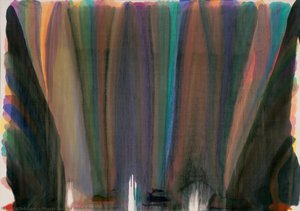
Édeselmi cím
 Akril vászonon
- Falfeliratok és faldekoráció
- Early Twentieth Century
 1941
1941 U.S. Department of the Interior Museum
 Tovább olvasom
Kézzel készített olajfestmény reprodukció
Kézzel festett olajvastú vászon, az Ön által választott méretben és keretben, művészeink készítik meglévőre. ( Nyomat vásárlása Kép vásárlása)




P118B $10

P118H $10

P118W $10

P438Z $10

P508JH $12

P508YH $12

P805H $10

P805Z $10

P919BZ $10

P919G $10

P919XJ $10

P959ZH $10

P968JZ $12

W106C $8

W218G $10

W218JH $8

W218Y $10

W307PJ $10

W316G $10

W316PJ $8

W316Y $10

W398PJ $8

W4111J $10

W500HY $15

W500JH $15

W692G $12

W849H $8

W940BG $15

W953PJ $8




Válasszon előre meghatározott méreteink közül, amelyek megfelelnek a műalkotás eredeti arányainak.

Ön megadhat saját méreteket egy adott kerethez vagy térhez igazításhoz. Ha a kiválasztott méret nem egyezik az eredeti kép arányával, akkor a műalkotást levágjuk, vagy további kézzel festett elemekkel meghosszabbítjuk a festményt. A gyártás megkezdése előtt küldünk Önnek egy digitális előnézetet jóváhagyásra.
Kérjük, vegye figyelembe, hogy a képernyőn megjelenő előnézet nem tükrözi a tényleges vágást vagy kiterjesztést. Csak az előnézet fog pontosan mutatni a végső kompozíciót.
Bár egyedi méretek állnak rendelkezésre, javasoljuk, hogy válasszon egy méretet az előre meghatározott listából az eredeti arányok megőrzése érdekében.
A rendelést követően a AllPaintingsStore.com csapata e-mailt küld az ügyfélnek az instrukciókért, és biztosít egy előnézeti képet (mockup).
Világszerte elérhető szállítás () 3-4 hét alatt a szokásos 5 hét helyett. (13 augusztus). A minőség nem kérdőjelezhető.

Ingyenes globális expressz szállítás

Prémium minőségű len vászon

Teljes szállítási biztosítás

Vámvisszatérítési Garancia

Tökéletes színpontosság garancia

60 napos visszaküldési lehetőség (csak gyártási hibák esetén)

100%-os pénzvisszatérítési garancia

Kedvezmény több termény esetén
 Az üvegkeretes opció csak 110 cm alatti méretben érhető el

Édeselmi cím
Reprodukciós technika
A reprodukció mérete
-


Összesített ár
$ 258
A műalkotás leírása
Editorial Label – Harold LeClair Ickes: A Testament to Pragmatic Idealism
The photograph presents a meticulously preserved document—a letter penned by President Harry S. Truman to Harold Leclair Ickes, Secretary of the Interior, dated June 19, 1941. More than just bureaucratic correspondence, this image encapsulates the essence of Ickes’s remarkable thirteen-year tenure at the helm of the Department – a period defined by unwavering conviction in governmental responsibility for fostering cultural enrichment amidst the turbulent backdrop of World War II. It's a visual record of an era where thoughtful leadership demanded both strategic foresight and a deep appreciation for artistic expression.- Subject Matter: At first glance, the letter appears unremarkable—a straightforward exchange between two influential figures concerning museum operations. However, its significance resides in representing Ickes’s steadfast belief that government could actively contribute to elevating the cultural landscape. It speaks directly to Roosevelt's New Deal vision – a commitment to shaping environmental policy alongside bolstering public understanding of American heritage.
- Style & Technique: Presented as a vintage photograph, the image prioritizes clarity and documentation over stylistic embellishment. The subtle graininess lends it an immediacy that reflects its historical context—a time when meticulous record-keeping was paramount for governmental initiatives. This deliberate aesthetic choice underscores Ickes’s pragmatism while simultaneously acknowledging the importance of preserving tangible evidence of pivotal moments in history.
- Historical Context: June 1941 marks the commencement of World War II, placing Ickes’s letter within a landscape fraught with anxieties about national security. Yet, amidst these pressing concerns, he resolutely pursued his vision of a museum that would serve as both an educational resource and a beacon of American values—a testament to his conviction that fostering appreciation for beauty and craftsmanship was essential for nurturing a citizenry capable of confronting complex challenges with wisdom and compassion.
- Symbolism: The very act of sending this letter symbolizes Ickes’s profound understanding that government could actively champion artistic endeavors. It underscores his belief in the transformative power of art—a conviction rooted not merely in aesthetic pleasure but also in its capacity to cultivate empathy, broaden perspectives, and inspire civic engagement.
- Emotional Impact: Viewing this photograph evokes a sense of quiet dignity – mirroring Ickes’s understated leadership style. It serves as a poignant reminder that impactful change often emerges from persistent dedication to principles grounded in both practicality and idealism—qualities powerfully embodied by this enduring symbol of American civic engagement.
Hasonló műalkotások




A művész életrajza
A Life Dedicated to Public Service and the Arts: Harold LeClair Ickes
Harold LeClair Ickes, born in Altoona, Pennsylvania, in 1874, was a figure whose influence extended far beyond the realm of American politics. Though best known for his unprecedented thirteen-year tenure as Secretary of the Interior under President Franklin D. Roosevelt – the longest anyone has held that office – Ickes’s commitment to progressive ideals and his quiet but significant support for the arts cemented his place as a pivotal figure in 20th-century American history. His early life was marked by hardship; the loss of his mother at a young age and a somewhat distant relationship with his father instilled in him a sense of self-reliance and a deep empathy for those facing adversity, qualities that would define his career. He pursued higher education at the University of Chicago, initially working to finance his studies, eventually earning both a Bachelor of Arts and a law degree. This academic foundation provided him with the tools he needed to navigate the complex world of politics and public administration.The New Deal Architect and Champion of Social Justice
Ickes’s appointment as Secretary of the Interior in 1933 coincided with the depths of the Great Depression, and he immediately threw himself into implementing President Roosevelt's ambitious New Deal programs. He oversaw the Public Works Administration (PWA), a massive undertaking that constructed vital infrastructure across the nation – bridges, dams, schools, hospitals – providing employment to millions during a time of widespread economic hardship. Beyond simply building structures, Ickes envisioned these projects as catalysts for social and economic revitalization. He was known as “Honest Harold” due to his meticulous management of funds and unwavering commitment to transparency, a rare quality in an era often plagued by corruption. But his dedication wasn’t limited to infrastructure; Ickes was a vocal advocate for civil rights at a time when such positions were politically risky. He championed the cause of African Americans, integrating the Department of the Interior and supporting artists like Marian Anderson when she faced discrimination. His actions demonstrated a profound belief in equality and social justice, principles that guided his decisions throughout his career.A Patron of the Arts: Fostering American Creativity
While not an artist himself, Harold Ickes played a crucial role in fostering the arts during the New Deal era. Recognizing the power of art to uplift spirits and provide employment, he championed programs that supported artists through the PWA and other initiatives. He understood that artistic expression was essential to the cultural fabric of the nation and actively worked to ensure its survival during challenging economic times. Ickes’s support wasn't merely financial; he genuinely appreciated the work of American artists and believed in their ability to capture the spirit of the age. Though often overshadowed by his political achievements, this aspect of his legacy is increasingly recognized as a vital contribution to the flourishing of American art during the 1930s and 40s. His influence helped shape a generation of artists who would go on to define American artistic identity.Legacy and Historical Significance
Harold LeClair Ickes’s impact resonates far beyond his years in public office. His unwavering commitment to social justice, environmental conservation, and the arts left an indelible mark on American society. He was a complex figure – often described as gruff and uncompromising – but beneath that exterior lay a deep sense of integrity and a genuine desire to improve the lives of others. His tenure as Secretary of the Interior laid the groundwork for many of the environmental policies we rely on today, and his advocacy for civil rights helped pave the way for future progress. He was a man ahead of his time, recognizing the interconnectedness of social, economic, and cultural well-being. His story serves as a reminder that true leadership requires not only political acumen but also a profound moral compass. Even today, his name is associated with public housing projects in Chicago – the Harold L. Ickes Homes – a testament to his enduring commitment to providing affordable housing for all Americans. His legacy continues to inspire those who strive to create a more just and equitable world.
Harold LeClair Ickes
1874 - 1952 , United States of America
Rövid tények
- Artistic Movement Or Style: Not primarily an artist
- Date Of Birth: March 15, 1874
- Date Of Death: 1952
- Full Name: Harold Leclair Ickes
- Nationality: American
- Notable Artworks: ['Editorial label']
- Place Of Birth: Altoona, USA
Kapcsolódó cikkek

Echoes of Time: Nostalgia, Technique & Cultural Significance in Vintage Paintings
Explore the captivating world of vintage paintings! Discover key styles, cultural significance & collecting tips from art experts at AllPaintingsStore. Find authentic reproductions and elevate your home décor.

Egyensúly és Merészség: A Kortárs Festészet Harmóniája a Klasszikus Enteriőrökben – Absztrakt Képekkel a Hagyomány Megújítása
Fedezze fel, hogyan illesztheti a kortárs absztrakt művészetet klasszikus enteriőrébe! Szakértői tanácsok, egyedi festmények és inspirációk a AllPaintingsStore.com-on. Teremtsen luxus hangulatot otthonában!

Harmónia és Kontraszt: A Klasszikus és Kortárs Művészeti Stílusok Összehangolása a Belső Terekben
Fedezze fel, hogyan ötvözheti a klasszikus és kortárs művészetet belsőépítészeti projektjeiben! Szakértői tanácsok, inspirációk és tippek egy harmonikus, elegáns otthon megteremtéséhez. AllPaintingsStore.

Az időtálló belső terek művészete: Reneszánsz harmónia és impresszionista fény összhangja a modern otthonokban
Fedezze fel a reneszánsz harmóniáját és az impresszionista fényét! Szakértői tanácsokkal segítünk időtálló, elegáns belső tereket megteremteni. Prémium minőségű művészeti alkotások és lakberendezési megoldások.

A tér és a művész párbeszéde: Kontextusérzékeny tervezés harmónikus belső terekért
Fedezze fel a kontextusérzékeny belső tervezés titkait! Szakértői tanácsok luxus otthonokhoz, szimbolizmus művészete és biofil design megoldások. Teremtsen harmóniát és inspiráló teret!




