Előnézet
 Megosztás
 Megosztás
 Részletek

 Letöltés
 Hasonló alkotások
 X-ray felvétel
 Diavetítés
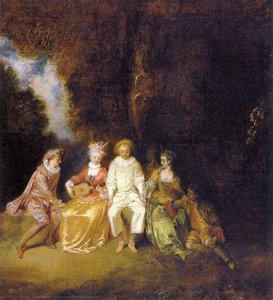
Meeting in the Open Air
 Olajfestmény vászonon
- Falfeliratok és faldekoráció
- Rococo
 1719
1719- Reneszánsz
 60.0 x 75.0 cm
 Staatliche Kunstsammlungen Dresden
 Tovább olvasom
Kézzel készített olajfestmény reprodukció
Kézzel festett olajvastú vászon, az Ön által választott méretben és keretben, művészeink készítik meglévőre. ( Váltás nyomtatványra Képváltás)




P118B $10

P118H $10

P118W $10

P438Z $10

P508JH $12

P508YH $12

P805H $10

P805Z $10

P919BZ $10

P919G $10

P919XJ $10

P959ZH $10

P968JZ $12

W106C $8

W218G $10

W218JH $8

W218Y $10

W307PJ $10

W316G $10

W316PJ $8

W316Y $10

W398PJ $8

W4111J $10

W500HY $15

W500JH $15

W692G $12

W849H $8

W940BG $15

W953PJ $8




Válasszon előre meghatározott méreteink közül, amelyek megfelelnek a műalkotás eredeti arányainak.

Ön megadhat saját méreteket egy adott kerethez vagy térhez igazításhoz. Ha a kiválasztott méret nem egyezik az eredeti kép arányával, akkor a műalkotást levágjuk, vagy további kézzel festett elemekkel meghosszabbítjuk a festményt. A gyártás megkezdése előtt küldünk Önnek egy digitális előnézetet jóváhagyásra.
Kérjük, vegye figyelembe, hogy a képernyőn megjelenő előnézet nem tükrözi a tényleges vágást vagy kiterjesztést. Csak az előnézet fog pontosan mutatni a végső kompozíciót.
Bár egyedi méretek állnak rendelkezésre, javasoljuk, hogy válasszon egy méretet az előre meghatározott listából az eredeti arányok megőrzése érdekében.
A rendelést követően a AllPaintingsStore.com csapata e-mailt küld az ügyfélnek az instrukciókért, és biztosít egy előnézeti képet (mockup).
Világszerte elérhető szállítás () 3-4 hét alatt a szokásos 5 hét helyett. (9 augusztus). A minőség nem kérdőjelezhető.

Ingyenes globális expressz szállítás

Prémium minőségű len vászon

Teljes szállítási biztosítás

Vámvisszatérítési Garancia

Tökéletes színpontosság garancia

60 napos visszaküldési lehetőség (csak gyártási hibák esetén)

100%-os pénzvisszatérítési garancia

Kedvezmény több termény esetén
 Az üvegkeretes opció csak 110 cm alatti méretben érhető el

Meeting in the Open Air
Reprodukciós technika
A reprodukció mérete
-


Összesített ár
$ 258
A műalkotás leírása
Jean Antoine Watteau: A Masterpiece of Rococo Elegance
Jean Antoine Watteau (1684–1721), a luminary of French Baroque and Rococo art, remains an artist whose work continues to fascinate scholars and connoisseurs alike. His ability to transform everyday scenes into canvases brimming with grace and poetic beauty cemented his place in artistic history. Among his celebrated creations is Meeting in the Open Air (1719), currently housed at the Staatliche Kunstsammlungen Dresden, Germany—a painting that encapsulates the spirit of its era and Watteau’s unparalleled artistic vision.The Painting's Composition: A Symphony of Light and Movement
Measuring 60 x 75 cm, Meeting in the Open Air is executed in oil on canvas—a medium favored by Watteau for its capacity to capture subtle nuances of color and texture. The artwork depicts a lively gathering of individuals amidst a verdant park landscape, populated with at least twelve figures engaged in various activities. From elegantly seated patrons to strolling musicians and animated conversations, Watteau meticulously portrays human interaction, imbuing the scene with an atmosphere of convivial joy. Lush greenery dominates the backdrop—a multitude of trees and shrubs framing the tableau and contributing to its serene tranquility.Artistic Significance: Bridging Realism and Idealism
What distinguishes Meeting in the Open Air is Watteau’s masterful blend of realism and idealism—characteristics that define the Rococo style itself. He skillfully captures the essence of a social occasion, conveying not merely what was seen but also what was felt—a palpable sense of pleasure and sophistication. The artist's deft brushstrokes produce soft colors and delicate textures, enhancing the painting’s ethereal ambiance and transporting viewers to a realm of idealized beauty. Watteau deliberately avoided harsh contrasts and emphasized diffused light, mirroring the aesthetic sensibilities of his time. This technique—characteristic of artists like Rembrandt and Rubens—was revolutionary for its era, marking a decisive break from the dramatic chiaroscuro favored by Caravaggio and Bernini.Contextualizing Watteau's Work: The Birthplace of Fêtes Galantes
Jean Antoine Watteau stands as a pivotal figure in the development of *fêtes galantes*, a genre that emerged during Louis XIV’s reign—a style characterized by its playful depiction of aristocratic outdoor entertainments and infused with theatrical flair. Watteau’s canvases frequently featured members of French society from diverse social strata, reflecting the evolving dynamics of the monarchy's court and capturing the spirit of the age. His influence extended far beyond his immediate contemporaries, shaping artistic trends for decades to come. The *fêtes galantes* were more than just paintings; they represented a cultural phenomenon—a deliberate effort to elevate the pleasures of leisure and cultivate refined sensibilities among the aristocracy. Watteau’s vision was profoundly affected by the theatrical traditions of Comédie Italienne, which had arrived in Paris in 1697, bringing with it the vibrant energy of Italian opera and dance.Relevance Today: An Enduring Legacy of Beauty
Meeting in the Open Air continues to resonate with audiences today—serving as a testament to Watteau’s genius in portraying human experience with grace and elegance. It remains an invaluable source of inspiration for artists and designers alike—a reminder that beauty can be found even in seemingly mundane subjects when approached with artistic sensitivity. For those eager to explore more works by Watteau or delve deeper into the history of Rococo art, Meeting in the Open Air and Le Pacha de Mossoul visitant les fouilles de Khorsabad are available for viewing on AllPaintingsStore. Additionally, the Doddington Hall Art Museum in Lincoln, United States, offers a captivating glimpse into European artistic heritage.- Artist: Jean Antoine Watteau
- Born Year: 1684
- Death Year: 1721
- Birth City: Valenciennes
- Birth Country: France
Hasonló műalkotások


A művész életrajza
A Delicate Brushstroke: The Life and Art of Jean-Antoine Watteau
Jean-Antoine Watteau, a name synonymous with the blossoming Rococo style, emerged from the northern French city of Valenciennes in 1684. His brief but incandescent career irrevocably altered the course of eighteenth-century painting, shifting its focus from the grandeur and drama of the Baroque to an intimate world of elegance, leisure, and subtle emotion. Unlike many artists who followed a clearly defined path, Watteau’s journey was marked by initial struggles for recognition within the established art institutions of Paris. Born into a family of modest means—his father a master roofer—young Jean-Antoine displayed an early aptitude for drawing, initially sketching the colorful characters and bustling scenes of his hometown streets. This formative experience instilled in him a keen eye for observation and a fascination with everyday life, themes that would permeate his later work. His initial training under local artists Jacques-Albert Gérin and Julien provided a foundation, but it was his move to Paris around 1702 that truly ignited his artistic development.From Theatrical Scenes to *Fêtes Galantes*
In the vibrant heart of Paris, Watteau entered the workshop of Claude Gillot, a painter specializing in theatrical designs and the popular genre of *fêtes galantes*—depictions of aristocratic outdoor entertainments. This apprenticeship proved pivotal. Gillot’s influence exposed Watteau to the world of commedia dell’arte, with its masked characters and playful narratives, which would become a recurring motif throughout his oeuvre. However, Watteau’s artistic sensibilities didn’t neatly align with the rigid categories favored by the Académie Royale de Peinture et de Sculpture. His genre paintings were deemed unsuitable for official recognition, leading to initial rejection when he attempted to compete for the prestigious Prix de Rome. Undeterred, and demonstrating a remarkable resilience, Watteau persevered, eventually gaining acceptance as a *maître amateur* in 1717—a status that allowed him to exhibit his work independently. This period marked a crucial turning point, allowing him to fully develop his unique style characterized by luminous colors, delicate brushwork, and an air of wistful melancholy. He began to move away from direct theatrical representation towards more poetic and evocative scenes, inventing the *fête galante* as a distinct genre—idyllic gatherings in park-like settings where aristocratic figures engaged in flirtatious pursuits and refined pastimes.The Essence of Rococo: Style and Masterpieces
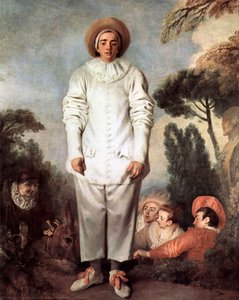
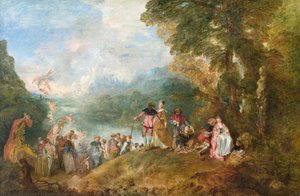
Watteau’s paintings are instantly recognizable for their distinctive qualities. He possessed an unparalleled ability to capture the elegance and refinement of aristocratic life, not through bombastic displays of power or wealth, but through subtle gestures, nuanced expressions, and a masterful use of light and color. His figures exude a poetic grace and a delicate emotional depth that sets them apart from the more formal portraits of his predecessors. The Country Dance (1718-1721), perhaps one of his most celebrated works, exemplifies this perfectly—a vibrant scene depicting carefree rustic life with exquisite detail and an underlying sense of longing. Other masterpieces such as Ceres (Summer) (1705) demonstrate his skill in portraying the beauty of nature and the human form, while The Embarkation for Cythera (1717) and its companion piece, Pilgrimage to Cythera, are iconic depictions of mythological journeys to the island of love, imbued with a sense of mystery and romantic yearning. Even his theatrical portraits, like Gilles (1719), possess an enigmatic quality that invites contemplation. Watteau’s technique was equally innovative; he employed a feathery brushstroke and a delicate layering of colors to create a shimmering effect, capturing the fleeting beauty of light and atmosphere.Influences and Development
Watteau's artistic lineage is complex, drawing inspiration from diverse sources. He deeply admired Venetian Renaissance masters like Titian and Veronese, particularly their rich color palettes and dynamic compositions. The influence of Flemish artists such as Rubens is also evident in his energetic brushwork and sensuous figures. However, Watteau didn’t simply imitate these predecessors; he synthesized their influences into something entirely new and uniquely his own—a style that became the hallmark of Rococo painting. His early training under Jacques-Albert Gérin exposed him to the theatrical traditions of commedia dell'arte, which profoundly shaped his approach to composition and characterization. The works of Rembrandt, with their masterful use of light and shadow, also exerted a significant influence on Watteau’s technique. Crucially, he studied the paintings of Charles Le Brun, the official painter of Louis XIV, recognizing the importance of formal structure and compositional balance, though he ultimately rejected the rigid conventions of court painting in favor of his own more expressive style.Legacy and Enduring Influence
Watteau's artistic lineage is complex, drawing inspiration from diverse sources. He possessed an unparalleled ability to capture the elegance and refinement of aristocratic life, not through bombastic displays of power or wealth, but through subtle gestures, nuanced expressions, and a masterful use of light and color. His figures exude a poetic grace and a delicate emotional depth that sets them apart from the more formal portraits of his predecessors. Despite a tragically short life—he succumbed to tuberculosis in 1721 at the age of just thirty-seven—Watteau left an indelible mark on art history. His work profoundly influenced generations of artists, including Fragonard and Boucher, who further developed the themes and techniques he pioneered. He redefined genre painting, elevating it to a level of artistic sophistication previously reserved for historical or religious subjects. Today, his paintings are treasured in major museums worldwide—from the National Gallery of Art in Washington D.C. to the Museo del Prado in Madrid—continuing to captivate audiences with their beauty, grace, and enduring appeal, solidifying his place as one of the most important and beloved artists of the Rococo period.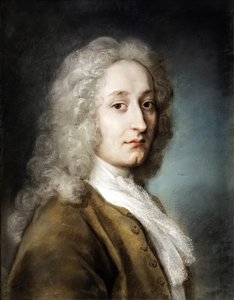
Watteau
1684 - 1721 , Francia
Rövid tények
- Artistic Movement Or Style: Rokokó
- Artists Or Movements Influenced By This Artist:
- Fragonard
- Boucher
- Artists Who Influenced This Artist:
- Titian
- Rubens
- Date Of Birth: 1684
- Date Of Death: 1721
- Full Name: Jean-Antoine Watteau
- Nationality: Francia
- Notable Artworks:
- A Country Dance
- Ceres (Summer)
- The Marriage Contract
- Place Of Birth: Valenciennes, Francia
Kapcsolódó cikkek

Rococo Art Guide: A Professional Designer's Resource for Implementing Elegance, Ornamentation, and Luxury in Hospitality Interiors
Elevate hospitality interiors with our professional guide to Rococo art. Discover expert strategies for integrating opulent ornamentation, gold accents, and large-scale reproductions into luxury hotel designs through reliable, high-volume art procurement.