


 Megtekintés
 Küldés
 Megosztás
 Részletek

 Letöltés
 Hasonló darabok
 X-ray felvétel
 Diavetítés
Malabar Lady with Veena - Raja Ravi Varma
 Akril
Akril- Falfeliratok és faldekoráció
- Romanticism
 2026
2026- Studio Hand Painted Art Available Now
 66 x 94 cm
- Artwork Reference (Famous): Lady With Veena
 Összes részlet megjelenítése
Kedvezményes olajfestmény készleten
Kész sẵn készletből, kézzel festett olajfestmény, azonnal szállítható; a kereteztetést a fizetés során adhatja hozzá. ()





































Ingyenes globális expressz szállítás

Prémium minőségű len vászon

Teljes körű szállítási biztosítás

Vámvisszatérítési Garancia

Hiteles színpontosság garancia

60 napos visszaküldési lehetőség (csak hibás termékek esetén)

100% pénzvisszatérítési garancia

Több darab vásárlása esetén kedvezmény
 Az üvegkeretes opció csak 110 cm alatti méretben érhető el

Malabar Lady with Veena - Raja Ravi Varma
Kedvezményes olajfestmény készleten
Reprodukció mérete
-


Gyorsított szállítás
Gyors nemzetközi szállítás. Egy hét. (27 július).
Beépítve
Összesített ár
$ 129
A műalkotás leírása
A Symphony of Serenity: Romantic Echoes in Malabar Lady
This exquisite acrylic painting on canvas embodies the spirit of Romanticism—a movement that prioritized emotion and imagination above strict observation. Created by AllPaintingsStore.com Studio, this piece captures a moment of profound contemplation within the framework of Kerala’s rich cultural heritage. The artist skillfully employs a warm ochre palette punctuated with amber and terracotta hues to illuminate the serene figure of a woman playing a sitar, instantly transporting viewers to a realm of tranquil beauty. The composition leans towards horizontal stability, mirroring the woman's posture and reinforcing the sense of calm. Soft brushstrokes delicately render skin tones and drapery, emphasizing texture and capturing the ethereal quality characteristic of Romantic art. Beyond mere visual appeal, the artwork speaks volumes about introspection and connection with nature—themes central to Romantic idealism. The subtle adornments on her attire hint at traditions rooted in Kerala’s vibrant artistic past, adding layers of narrative depth.Subject Matter & Symbolism
At its core, “Malabar Lady with Veena” presents a portrait steeped in symbolism. The sitar, an instrument revered for its melodic resonance and connection to Hindu mythology, symbolizes harmony and spiritual contemplation. Similarly, the woman’s gaze outward reflects Romantic artists' fascination with exploring inner landscapes and embracing the sublime—a quest for transcendent beauty found within the natural world.Technical Qualities & Artistic Craftsmanship
The artist’s meticulous attention to detail is evident in every brushstroke. The acrylic medium provides exceptional luminosity and vibrancy, ensuring that the painting retains its captivating glow over time. Furthermore, AllPaintingsStore.com Studio's artisanal craftsmanship guarantees a piece of art imbued with passion and dedication—a testament to enduring artistic excellence.Why Collectors Value This Artwork
This painting resonates deeply with collectors who appreciate both aesthetic beauty and intellectual depth. Its masterful execution captures the essence of Romanticism while honoring Kerala’s cultural legacy, making it an ideal addition to any discerning collection. Don't miss out on owning a piece of history! Explore our Studio Hand Painted Artisanal Masterpieces Available Now – Framing options available!- Click Here
Hasonló műalkotások




A művész életrajza
The Princely Brush: Raja Ravi Varma and the Dawn of Modern Indian Painting
Raja Ravi Varma, a name that echoes through the halls of Indian art history, wasn’t merely a painter; he was a cultural architect, a bridge between tradition and innovation. Born in 1848 within the opulent walls of Kilimanoor Palace, nestled amidst the verdant hills of Kerala, his life unfolded as a remarkable synthesis of aristocratic privilege and an incandescent creative spirit. He didn't simply capture images on canvas; he breathed life into ancient myths, imbued them with human emotion, and ultimately, reshaped how India perceived its own artistic heritage. Ravi Varma’s lineage was deeply intertwined with the Travancore royal family – two of his daughters were later adopted into the court, a testament to his family's esteemed position. From a young age, he displayed an extraordinary aptitude for art, nurtured by his uncle, Raja Raja Varma, who introduced him to the world of drawing and painting, initially within the framework of the Tanjore School’s established traditions. However, Ravi Varma’s ambition quickly surpassed mere imitation; he yearned to master techniques that would allow him to translate not just likeness but also profound emotion and narrative depth onto his canvases.A Fusion of Worlds: Technique and Inspiration
Ravi Varma's artistic journey took a dramatic turn during his travels, primarily through interactions with British officials stationed in India. He became utterly captivated by the meticulous realism and technical precision of European academic painting – a style that emphasized perspective, anatomy, light, and shadow with unparalleled accuracy. Unlike many of his contemporaries who simply adopted these Western techniques superficially, Varma ingeniously integrated them into his own distinctly Indian artistic vision. His paintings transformed into vibrant stages for scenes drawn from the Ramayana, the Mahabharata, and the Puranas – epic tales brought to life with a newfound sense of naturalism and psychological complexity. He didn’t merely illustrate these religious narratives; he imbued them with relatable human emotions, creating characters that resonated deeply with viewers. This was a revolutionary shift in Indian art, moving away from stylized representations towards a more nuanced and emotionally engaging approach. Crucially, Ravi Varma mastered oil painting – a relatively novel medium in India at the time – which allowed him to achieve an unprecedented level of detail, luminosity, and expressive power. Consider his depiction of *Shakuntala*, for instance; her longing gaze and delicate posture convey a depth of feeling previously unseen in Indian art. Similarly, *The Maharani of Travancore* showcases not only regal beauty but also a profound sense of inner character.Democratizing Art: Lithographs and Public Appeal
Recognizing that the intricate detail and expense of original paintings rendered them inaccessible to the vast majority of Indians, Raja Ravi Varma took a bold step – he established the Raja Ravi Varma Fine Arts Lithographic Press in 1894. This groundbreaking venture marked a pivotal moment in Indian art history, effectively democratizing access to visual culture. By utilizing lithography, a printing technique that allowed for the mass production of affordable reproductions, Ravi Varma made his paintings—and the stories they depicted—available to a much wider audience. These lithographs weren’t mere copies; they were carefully considered interpretations, capturing the essence of his original works while maintaining their artistic integrity. Suddenly, images of Hindu deities and mythological scenes adorned homes across India, transforming into objects of worship and cultural pride. The impact was profound: it fostered a broader appreciation for visual culture and played a significant role in shaping popular perceptions of religious iconography. *Hansa Damayanthi*, perhaps one of his most beloved works, became widely disseminated through these lithographs, solidifying its place as an iconic image within Indian society.Royal Patronage and Artistic Development
Ravi Varma’s artistic development was significantly shaped by royal patronage. He began his career under the guidance of Rama Swamy Naidu, a palace painter who initially resisted teaching him oil painting due to concerns about competition. However, Arumugham Pillai, one of Naidu's assistants, eventually imparted the basics of this challenging medium to Ravi Varma. Subsequently, he received formal training from Theodore Jensen, a Danish-born British artist stationed at the Travancore court, further refining his technical skills. His travels across India – visiting courts in Mewar, Baroda, and Mysore – exposed him to diverse artistic traditions and influenced his evolving style. He was also deeply affected by the political turmoil of the time, witnessing the decline of princely states and the growing influence of British rule. These experiences informed his art, adding layers of social commentary and historical awareness.Legacy and Enduring Influence
Raja Ravi Varma passed away in 1906, leaving behind a legacy that continues to inspire artists and shape Indian identity. His work not only revolutionized Indian painting but also laid the foundation for modern Indian art by challenging conventional norms and embracing innovation. He skillfully blended tradition with modernity, creating images that were both deeply rooted in India’s rich cultural heritage and imbued with a contemporary sensibility. His influence can be seen in the works of subsequent generations of Indian artists who sought to forge a distinctly national artistic identity. Museums like The Raja Ravi Varma Heritage Foundation and The Ganesh Shivaswamy Foundation diligently preserve and celebrate his legacy, ensuring that his vision endures for future generations. His paintings remain powerful testaments to his genius – masterpieces that capture the beauty, spirituality, and cultural richness of India, reminding us of a pivotal moment in the nation’s artistic journey.- Explore artworks: Discover masterpieces like "Portrait of a Gentleman," "Hansa Damayanthi," and "The Maharani of Travancore" through online databases.
- Visit museums: Immerse yourself in Varma’s legacy at The Raja Ravi Varma Heritage Foundation, The Ganesh Shivaswamy Foundation, and the Kiran Nadar Museum of Art.
- Further research: Consult Wikipedia and Google Arts & Culture for detailed biographical information and scholarly insights.
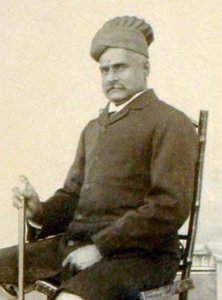
Raja Ravi Varma
1848 - 1906 , India
A művészről röviden
- Artistic Movement Or Style: Európai és indiai keverés
- Artists Or Movements Influenced By This Artist: ['Modern Indiai művészet']
- Artists Who Influenced This Artist: ['Europai mesterek']
- Date Of Birth: Ápril 29, 1848
- Date Of Death: Október 2, 1906
- Full Name: Raja Ravi Varma
- Nationality: Indiai
- Notable Artworks:
- Hansa Damayanthi
- Maharani
- Shakuntala
- Place Of Birth: Kilimanoor, India
Kapcsolódó cikkek

Acrylic on Canvas: A Durable & Versatile Choice for Large-Scale Hospitality Art Projects
Optimize your hospitality projects with durable, large-scale acrylic on canvas art. Ideal for high-traffic hotel environments, our professional-grade reproductions offer unmatched versatility, custom sizing, and bulk procurement solutions for designers and procurement managers.

Acrylic Paint Guide: Leveraging Fast-Drying Versatility for Professional Art Reproductions and Large-Scale Hospitality Projects
Master the use of acrylic paint for professional art reproductions. Discover how fast-drying versatility, impasto textures, and large-scale scalability provide efficient, durable, and high-quality solutions for hotel designers and large-scale hospitality procurement projects.





