


 Előnézet
 Megosztás
 Megosztás
 Részletek
 Útmutató

 Letöltés
 Hasonló darabok
 X-ray felvétel
 Diavetítés
 Statisztika
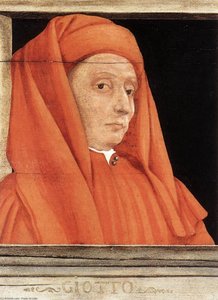
Egy öreg férfi portréja
 Akril festmény vászonon
- Falfeliratok és faldekoráció
- Northern Renaissance
 1470
1470 22.0 x 17.0 cm
 Metropolitan Művészeti Múzeum
 Tovább olvasom
Kézzel készített olajfestmény reprodukció
Kézzel festett olajvastú vászon, az Ön által választott méretben és keretben, művészeink készítik meglévőre. ( Váltás nyomtatványra Áttérés digitális képre)




P118B $10

P118H $10

P118W $10

P438Z $10

P508JH $12

P508YH $12

P805H $10

P805Z $10

P919BZ $10

P919G $10

P919XJ $10

P959ZH $10

P968JZ $12

W106C $8

W218G $10

W218JH $8

W218Y $10

W307PJ $10

W316G $10

W316PJ $8

W316Y $10

W398PJ $8

W4111J $10

W500HY $15

W500JH $15

W692G $12

W849H $8

W940BG $15

W953PJ $8




Válasszon előre meghatározott méreteink közül, amelyek megfelelnek a műalkotás eredeti arányainak.

Ön megadhat saját méreteket egy adott kerethez vagy térhez igazításhoz. Ha a kiválasztott méret nem egyezik az eredeti kép arányával, akkor a műalkotást levágjuk, vagy további kézzel festett elemekkel meghosszabbítjuk a festményt. A gyártás megkezdése előtt küldünk Önnek egy digitális előnézetet jóváhagyásra.
Kérjük, vegye figyelembe, hogy a képernyőn megjelenő előnézet nem tükrözi a tényleges vágást vagy kiterjesztést. Csak az előnézet fog pontosan mutatni a végső kompozíciót.
Bár egyedi méretek állnak rendelkezésre, javasoljuk, hogy válasszon egy méretet az előre meghatározott listából az eredeti arányok megőrzése érdekében.
A rendelést követően a AllPaintingsStore.com csapata e-mailt küld az ügyfélnek az instrukciókért, és biztosít egy előnézeti képet (mockup).
Világszerte elérhető szállítás () 3-4 hét alatt a szokásos 5 hét helyett. (23 szeptember). A minőség nem kérdőjelezhető.

Ingyenes globális expressz szállítás

Prémium minőségű len vászon

Teljes körű szállítási biztosítás

Vámvisszatérítési Garancia

Tökéletes színarányosság garancia

100 napos visszaküldési garancia (csak gyártási hibás termékek esetén)

100% pénzvisszatérítési garancia

Több darab vásárlásakor kedvezmény
 Az üvegkeretes opció csak 110 cm alatti méretben érhető el

Egy öreg férfi portréja
Reprodukciós technika
Reprodukció méretei
-


Összesített ár
$ 258
Hugo van der Goes és Egy Öreg Ember – Egy Megköszönhető Épület Az Észak Európai Reneszánszi Társaságában
A flamelengi reneszánsz korának egyik legnagyobb alakja, Hugo van der Goes egy különleges műalkotásával jelentkezik az Észak-Európa művészetének történeteibe: Egy öreg ember portréja. Ez a művészi alkotás nem csak technikailag kiváló eredményét mutatja meg, hanem mély betekintést engedő információkat tartalmaz az időszakra és az artista egyéni kreativitására is. Az alkotást 1470 körül készítette Görögországban született Hugo van der Goes, és bár részletes életrajzai még mindig nagyra vetődnek, művészi hagyománya jelentős mértékben befolyásolta az ő kortársait és későbbi következményeit. A kép egy férfi arcának részletes tanulmánya, melyet különös figyelmet fordít a fény modellálására a ráncos, időjárást használt bőrön. Ez az objektív realizmus jellemző Hugo művéreire, különösen az 1470-es évek eleji alkotásaira. Az ő műve nem tartalmaz független portrékat, és továbbá az olajfestés technikája viszonylagosan ritka volt ebben az időszakban. Az képmegjelenítés szűk kivágása, egyenletes bézs színű háttér és a fej fölött nincs fényjelző árnyék jelzik, hogy ez a portrét egy nagyobb kompozíció részének előzetes terveként készítették el. Ez a művészi megközelítés különösen fontos szerepet játszott Hugo van der Goes számára, aki nem csak technikailag tökéletes volt, hanem képes volt érzővé teszni az anyagot és az időszak szellemét.- Színészettörténeti Kontextus: Az öreg ember portréja egy mérföldköve a flamelengi művészet története számára, mert Hugo van der Goes először szakított meg az akkor megszokott hagyományaival. Egyrészt következményesen új perspektívát kínál az időszak és az artista gondolkodásának vizsgálatához; másrészt pedig bizonyítja, hogy Hugo képes volt meghonosítani a nagy mestertől átvett realizmus és érzelmi mélység kombinációját.
- Technika és Stílus: Az alkotást olajfestékkel készítették papírra, ami egy különösen ritka módszer volt ebben az időszakban. Hugo van der Goes használta ugyanazt a technikát Jan van Eycktől örökölt nagy mestertől átvett réalismus és érzelmi mélység kombinációját követve.
- Szimbolizmus: Az öreg ember portréja számos szimbólumot tartalmaz, melyek együttes jelentése mélyebb értelmet ad az alkotásnak. Egyrészt a férfi ráncos bőre és haja jelképezi meg az idő múlását és az élet végességét; másrészt pedig az öreg ember nyugodt tekintete és egyszerű ruházata tükrözik az ő spirituális stabilitását és böltségét.
Hasonló műalkotások




A művész életrajza
A Pioneer of Flemish Realism: The Life and Art of Hugo van der Goes
Born around 1440 in the vibrant artistic hub of Ghent, Belgium, Hugo van der Goes emerged as a pivotal figure in the Northern Renaissance. Though shrouded in some mystery—details of his early life remain scarce—his impact on the development of painting during the latter half of the 15th century is undeniable. Van der Goes wasn’t merely a painter; he was an innovator who profoundly altered the course of artistic expression, influencing masters both within Flanders and across the burgeoning Italian Renaissance. He entered the Ghent painters' guild in 1467, marking his formal establishment as a master craftsman, yet it was his unique vision—a blend of intense realism, psychological depth, and dramatic composition—that would set him apart. Before Van der Goes, Flemish painting, while technically brilliant, often adhered to established conventions; he dared to break from these traditions, imbuing his work with an unprecedented level of human emotion and tangible reality.Innovation and Artistic Style
Van der Goes’s artistic signature lies in his ability to infuse religious scenes with a startling sense of immediacy and emotional weight. He moved beyond the stylized conventions of earlier Flemish painting, imbuing his figures with a weighty presence and individualized character. His use of color was deliberate and often somber, creating a sense of gravity and spiritual intensity. This wasn’t simply about replicating appearances; it was about conveying inner states—awe, sorrow, reverence—through subtle gestures, expressive faces, and the careful manipulation of light and shadow. His monumental style, characterized by large-scale compositions and imposing figures, further amplified this emotional impact. He didn't shy away from portraying imperfections; his figures often possess a raw, almost unsettling realism that distinguishes them from the more idealized representations common in earlier art. This commitment to depicting humanity in all its complexity was revolutionary for its time, influencing artists who sought to move beyond mere technical skill and explore the depths of human experience. The influence of Jan van Eyck’s meticulous detail is evident, but Van der Goes transcends imitation, forging a style uniquely his own. He introduced a new level of psychological insight into portraiture, capturing not just physical likenesses but also the inner lives of his subjects.Masterpieces and Lasting Influence
Perhaps Van der Goes’s most celebrated work is the Portinari Altarpiece, commissioned by Tommaso Portinari, an Italian banker residing in Bruges. Completed around 1475, this magnificent triptych—now housed in the Uffizi Gallery in Florence—is a testament to his mastery of composition, color, and psychological insight. The scene depicting the Adoration of the Shepherds is particularly striking, with its dramatic lighting, realistic portrayal of humble figures, and palpable sense of wonder. The altarpiece’s arrival in Italy had a profound effect on Florentine artists, including Domenico Ghirlandaio, who were captivated by its innovative realism and emotional power. Another significant work is The Adoration of the Magi (Monforte Altarpiece), currently residing in Berlin's Gemäldegalerie. This piece showcases his skill in creating dynamic scenes filled with intricate detail and symbolic meaning. Beyond these iconic works, Van der Goes contributed to numerous civic projects, including heraldic decorations for Charles the Bold’s ceremonial entries into Ghent, demonstrating his versatility as an artist. His influence extended beyond painting; he impacted the development of book illustration through his designs which were disseminated by artists like Alexander Bening.A Life Transformed: From Workshop to Monastery
In a surprising turn of events, at the height of his artistic success in 1477, Van der Goes abruptly closed his bustling workshop and entered the Roode Klooster monastery near Auderghem. This decision remains something of an enigma, though it’s believed to have been driven by a deep spiritual yearning or perhaps a struggle with mental health. Despite taking religious vows as a lay brother, he continued to accept painting commissions, even undertaking the task of evaluating unfinished works by Dieric Bouts for the city of Leuven. However, his final years were marked by increasing bouts of depression and psychological distress. Accounts suggest that he suffered a severe breakdown in 1482, tragically taking his own life shortly thereafter. This poignant end to a brilliant career adds another layer of complexity to the legacy of Hugo van der Goes—a man whose art explored the depths of human emotion while grappling with inner turmoil. The circumstances surrounding his death have fueled speculation for centuries, adding to the mystique that surrounds this remarkable artist.A Legacy Enduring Through Time
Hugo van der Goes’s influence extended far beyond his relatively short lifetime. His innovative techniques and profound psychological insights paved the way for future generations of artists, both in Flanders and Italy. His work can be found today in prestigious museums such as the Musées royaux des Beaux-Arts in Brussels, offering a glimpse into the genius of this pioneering Flemish master. He remains a compelling figure—a testament to the power of art to capture the complexities of the human condition and to transcend cultural boundaries. His legacy continues to inspire awe and admiration, solidifying his place as one of the most important artists of the Northern Renaissance.- His emphasis on realism influenced subsequent generations.
- The Portinari Altarpiece remains a landmark achievement in art history.
- His exploration of psychological depth set a new standard for portraiture and religious painting.

Hugo van der Goes
1440 - 1482 , Belgium
Gyors információk
- Artistic Movement Or Style: Kora németalföldi festészet
- Artists Or Movements Influenced By This Artist:
- Domenico Ghirlandaio
- Italian Renaissance
- Artists Who Influenced This Artist:
- Jan van Eyck
- Dieric Bouts
- Date Of Birth: c. 1440
- Date Of Death: 1482
- Full Name: Hugo van der Goes
- Nationality: Flamand
- Notable Artworks:
- Portinari Triptych
- Monforte Altár
- Krisztus megjelenése Máriának
- Place Of Birth: Ghent, Belgium
Kapcsolódó cikkek

Realism in Art: A Professional Guide to Authentic Detail and Lifelike Masterpieces for Large-Scale Interior Projects
Master the use of Realism in professional interiors. This expert guide explores 19th-century masterpieces, offering procurement managers and designers technical insights into selecting authentic, hand-painted oil reproductions for high-end hotel and corporate projects.


