


 Előnézet
 Megosztás
 Megosztás
 Részletek
 Útmutató

 Letöltés
 Hasonló darabok
 X-ray felvétel
 Diavetítés
 Statisztika
William Hogarth, Thomas Coram kapitány portréja, 1740 © Coram Alapítvány gondozásában
 Olajfestmény vászonon
- Falfeliratok és faldekoráció
- Baroque
 1740
1740- Korai modern kor
 147.0 x 238.0 cm
 the-foundling-museum
 Tovább olvasom
Kézzel készített olajfestmény reprodukció
Kézzel festett olajvastú vászon, az Ön által választott méretben és keretben, művészeink készítik meglévőre. ( Váltás nyomtatványra Áttérés digitális képre)




P118B $10

P118H $10

P118W $10

P438Z $10

P508JH $12

P508YH $12

P805H $10

P805Z $10

P919BZ $10

P919G $10

P919XJ $10

P959ZH $10

P968JZ $12

W106C $8

W218G $10

W218JH $8

W218Y $10

W307PJ $10

W316G $10

W316PJ $8

W316Y $10

W398PJ $8

W4111J $10

W500HY $15

W500JH $15

W692G $12

W849H $8

W940BG $15

W953PJ $8




Válasszon előre meghatározott méreteink közül, amelyek megfelelnek a műalkotás eredeti arányainak.

Ön megadhat saját méreteket egy adott kerethez vagy térhez igazításhoz. Ha a kiválasztott méret nem egyezik az eredeti kép arányával, akkor a műalkotást levágjuk, vagy további kézzel festett elemekkel meghosszabbítjuk a festményt. A gyártás megkezdése előtt küldünk Önnek egy digitális előnézetet jóváhagyásra.
Kérjük, vegye figyelembe, hogy a képernyőn megjelenő előnézet nem tükrözi a tényleges vágást vagy kiterjesztést. Csak az előnézet fog pontosan mutatni a végső kompozíciót.
Bár egyedi méretek állnak rendelkezésre, javasoljuk, hogy válasszon egy méretet az előre meghatározott listából az eredeti arányok megőrzése érdekében.
A rendelést követően a AllPaintingsStore.com csapata e-mailt küld az ügyfélnek az instrukciókért, és biztosít egy előnézeti képet (mockup).
Világszerte elérhető szállítás () 3-4 hét alatt a szokásos 5 hét helyett. (22 szeptember). A minőség nem kérdőjelezhető.

Ingyenes globális expressz szállítás

Prémium minőségű len vászon

Teljes körű szállítási biztosítás

Vámvisszatérítési Garancia

Tökéletes színarányosság garancia

100 napos visszaküldési garancia (csak gyártási hibás termékek esetén)

100% pénzvisszatérítési garancia

Több darab vásárlásakor kedvezmény
 Az üvegkeretes opció csak 110 cm alatti méretben érhető el

William Hogarth, Thomas Coram kapitány portréja, 1740 © Coram Alapítvány gondozásában
Reprodukciós technika
Reprodukció méretei
-


Összesített ár
$ 258
William Hogarth és Thomas Coram: Egy Látványos Portré Szociális Felelősségről
William Hogarth 1740-es, lenyűgöző méretű (147 x 238 cm) portréja Captain Thomas Coramról nem csupán egy arckép; ez egy erőteljes üzenet a társadalmi felelősségvállalásról, művészi innovációról és az öntevékeny emberek növekvő hatalmáról a 18. századi Britiában. A festmény megörökíti Coramnak a Royal Charter átadását a Foundling Hospital számára – egy forradalmian új intézményt, melynek célja elhagyott gyermekek gondozása volt. Hogarth nem egyszerűen egy portrét alkotott; egy olyan képet szándékozott létrehozni, amely vetélyesen áll az európai kontinensen készült „mighty portraits”-okkal, ezzel bizonyítva a brit művészet erejét.
A Történelmi Kontekst és Coram Életútja
Captain Thomas Coram egy rendkívül érdekes figura volt, aki tengerészként és kereskedőként töltött évei után könyörtelen filantróppá vált. Hogarth mesterien szövödi be Coram útját a kompozícióba – a bostoni tengerészélettől kezdve London első árvaházának alapításáig. A festmény nem egy arisztokratát ábrázol, hanem egy olyan embert, aki kitartással és vállalkozó szellemmel érte meg helyét a társadalban. Ez egy radikális eltérés volt a hagyományos portréfestéshez képest, mely általában csak a nemesség számára tartogatta az ilyen méltóságot. 1740 különleges év volt; Coram életművének királyi elismerése megerősítette az árvaház jövőjét.
Művészi Stílus és Technika
Hogarth a barokk hagyományokra épülő, realista stílust alkalmaz, melyet sajátos megfigyelőképessége fúzionált. A festmény aprólékos részletességgel ábrázolja Coram ruházatának gazdag textúráit és a navigációs eszközök bonyolult kidolgozását. A drámai világítás, mely erős árnyékokat vet és kiemeli a lényeges vonásokat, mélységet és súlyosságot kölcsönöz a kompozíciónak. Hogarth ecsetvonásai láthatóak és magabiztosak, hozzájárulva az azonnali életérzethez. A festő nem csupán egy portrét festett; egy képet alkotott, melyet a kontinensenál készült nagy portrékkal kívánt versenybe lépni.
Szimbolizmus és Narratíva
A festmény szimbólumai mélyebb jelentéseket hordoznak. Coram kezében tartja a Foundling Hospital oklevelét, ami az intézményt ápoló munkájának elismerése. A háttérben látható globus és a tengerészeti eszközök Coram tengerészi múltjára utalnak, emlékeztetve minket a Bostonban töltött évekre és hajószerelői tevékenységére. Az allegorikus ábrázolás, mely az irgalmasságot szimbolizálja, Coram jótékonyságát hangsúlyozza. Hogarth nem csupán egy portrét alkotott; egy történetet mesél el a kitartásról, a filantrópia erejéről és a társadalmi felelősségvállalás fontosságáról. A festmény érzelmileg megrázó hatással van a nézőre, hiszen Coram arca nem csupán egy ember képét mutatja be, hanem az emberségen, a könyörületen és a reményen keresztül a jövő generációinak megváltóját.
Hasonló műalkotások


A művész életrajza
A London Life in Ink and Paint: The World of William Hogarth
William Hogarth, born into the bustling heart of 18th-century London in 1697, was more than just an artist; he was a visual historian, a keen observer of human nature, and a satirical commentator on the societal currents of his age. His life story is inextricably linked to the very fabric of England during a period of significant transformation – its burgeoning ambitions, underlying anxieties, and pervasive hypocrisies all finding potent expression in his remarkably detailed and often biting works. The son of a struggling Latin schoolmaster, Hogarth’s early experiences instilled within him both a love for learning and a sharp awareness of social inequalities, a foundation that would prove crucial to shaping his artistic vision. Initially apprenticed to an engraver, he quickly demonstrated a talent extending beyond mere technical skill; he possessed an innate ability to observe the nuances of human behavior and translate them into compelling visual narratives. However, he chafed against the constraints of traditional engraving, seeking a more expressive outlet for his burgeoning creativity. This led him to studies at both St Martin’s Lane Academy and under Sir James Thornhill, where he honed his skills in painting and composition, absorbing influences that would later inform his unique style.The Birth of Modern Moral Subjects
Hogarth's true innovation lay not simply *what* he painted, but *how*. He pioneered what he termed “modern moral subjects” – a series of pictures designed to tell a story, often imbued with a strong satirical edge. These weren’t isolated portraits or landscapes; they were visual novels unfolding before the viewer’s eyes, offering pointed commentary on contemporary society. A Harlot's Progress, created in 1742, stands as perhaps his most famous example. This series of six paintings meticulously follows the tragic downfall of Mary, a young woman arriving in London full of hope but quickly succumbing to the temptations and dangers of city life. Each scene is rendered with painstaking detail, filled with symbolic elements that reveal the moral decay surrounding her. The figures are not merely depicted; they are analyzed, their actions and motivations laid bare for the viewer’s scrutiny. Similarly, A Rake's Progress, begun in 1733, charts the reckless decline of Tom Rakewell, a man who squanders his inheritance on gambling, debauchery, and ultimately, madness. These weren’t merely cautionary tales; they were unflinching portraits of a society grappling with issues of class, morality, and social mobility. Hogarth's genius resided in his ability to elevate everyday scenes – the bustling streets of London, the opulent interiors of the wealthy, the squalid lives of the poor – into works of art that resonated deeply with his audience. He didn’t shy away from depicting the harsh realities of life, presenting them with a blend of humor and pathos that forced viewers to confront uncomfortable truths about themselves and their society.Technique and Influences: A Synthesis of Styles
Hogarth's artistic style was a unique amalgamation of diverse influences. He greatly admired the realism and narrative detail found in the works of Dutch genre painters like Pieter de Hooch, evident in his meticulous depictions of interiors and everyday life. The satirical prints produced in France also played a role in shaping his approach to social commentary. However, Hogarth wasn’t simply imitating these sources; he was synthesizing them into something entirely new and distinctly his own. His technique was characterized by a masterful use of line and shading, particularly evident in his engravings. He employed a distinctive cross-hatching technique that created depth and texture, bringing his scenes to life with remarkable clarity. He also possessed an exceptional eye for composition, arranging figures and objects within the frame to create dynamic and engaging narratives. Beyond visual art, Hogarth was influenced by literary works, particularly those of Jonathan Swift and Henry Fielding, whose satirical wit informed his own social observations. He believed that art should not merely be beautiful but should also serve a moral purpose, challenging viewers to think critically about the world around them and their place within it. He sought to hold a mirror up to nature, reflecting both its beauty and its ugliness with unflinching honesty.The Foundling Hospital and Legacy
Hogarth’s commitment to social reform extended beyond his art. He became a staunch supporter of the Foundling Hospital, established by Thomas Coram to care for abandoned children. He actively promoted the hospital's cause through his art, donating numerous paintings and engravings depicting scenes from its history and highlighting the plight of orphaned children. This dedication reflected his deep concern for the vulnerable members of society and underscored his belief in the power of art to effect positive change. His work gained immense popularity thanks to the mass production of prints based on his paintings, making his satirical commentary accessible to a wider audience than ever before. He is widely considered a precursor to political cartooning and comic strips, laying the groundwork for visual storytelling in popular culture. Artists like James Gillray and George Cruikshank were directly influenced by his style, carrying forward his tradition of social satire. Even Charles Lamb, the celebrated essayist, recognized the narrative power of Hogarth’s images, famously remarking that they were “like books to be read rather than merely looked at.” Hogarth died in 1764, leaving behind a legacy that continues to resonate today. He remains a pivotal figure in the history of British art, celebrated for his innovative approach to storytelling, his unflinching social commentary, and his enduring ability to capture the complexities of human life. His paintings and engravings are not merely historical artifacts; they are vibrant windows into a bygone era, offering timeless insights into the follies and foibles of humanity. He demonstrated that art could be both entertaining and enlightening, challenging viewers to think critically about the world around them and their place within it.- Hogarth established a distinctly British artistic identity.
- His work provides invaluable insights into 18th-century English society.
- He influenced generations of artists and satirists.
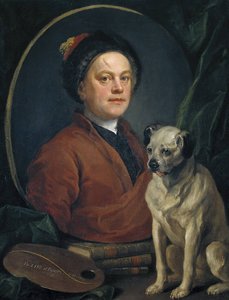
Hogarth
1697 - 1764 , Egyesült Királyság
Gyors információk
- Artistic Movement Or Style: Moral szatira, Realizmus
- Artists Or Movements Influenced By This Artist:
- James Gillray
- Politikai karikatúra
- Artists Who Influenced This Artist:
- Pieter de Hooch
- Jonathan Swift
- Date Of Birth: 1697. nov. 10.
- Date Of Death: 1764. okt. 26.
- Full Name: William Hogarth
- Nationality: Angol
- Notable Artworks:
- A Harlot's Progress
- A Rake's Progress
- Marriage A-la-Mode
- Place Of Birth: London, Anglia
Kapcsolódó cikkek

A 18. Század Mesterei: 10 Képi Gyöngyem a Történelemből | AllPaintingsStore
Fedezze fel a 18. század legikonikusabb műalkotásait! Jacques-Louis David, Fragonard és más mesterek remekművei rokokó stílusban, barokk eleganciával. Művészeti reprodukciók prémium minőségben – inspirálja otthonát a AllPaintingsStore.com kínálatával! Explore the full collection online.

Sir William Nicholson: A Study in Post-Impressionist Portraiture & Decorative Modernism
Explore the life & work of Sir William Nicholson, a pivotal British Post-Impressionist painter. Discover his striking portraits, innovative woodcuts, and lasting influence on early 20th-century art. Expert insights for collectors.

William Hogarth: Satire, Social Commentary & the Birth of Modern British Art
Explore the satirical world of William Hogarth, pioneering British painter & engraver. Discover his iconic works like *A Rake's Progress* and insightful social commentary on 18th-century London life.

Reflecting Nobility & Nuance: 18th-Century Portraiture as a Window into Societal Values
Explore the world of 18th-century portraiture with AllPaintingsStore. Discover symbolism, artistic innovation & societal values reflected in masterpieces by Reynolds, Hogarth & more. Expert insights for collectors.
Thomas Hudson: A Study in 18th-Century Portraiture & British Artistic Identity
Explore the life & work of Thomas Hudson, a leading 18th-century British portraitist. Discover his mastery of the 'Grand Manner,' influential style, and lasting impact on British art. Learn about his notable portraits like Judge William Noel & Alexander Van Aken.


