Pénzvisszatérítési Garancia · 100 nap Ingyenes világszerte történő szállítás
612 380műalkotások 52 887művészek 5 406múzeumok 32nyelv
Jan Hackaert portréja

Jan Hackaert festményei: A legnévesebb 31 alkotás, rangsorolva

Frissítve: november 2026 · rangsorolva népszerűségi pontszámunk alapján (minden mű keresései, látogatásai és megrendelései alapján) · 33 mű Jan Hackaert alkotása a katalógusunkban

Gyors válasz

A leghíresebb Jan Hackaert festmény a A Stag Hunt in a Forest (1660); az eredeti mű a National Gallery múzeumában található, London. A hawking party on a woodland path (1680) és Deer Hunt in a Forest (1672) a második és a harmadik szám. A Jan Hackaert 33 műve közül a következők a 31 leghíresebb alkotás, rangsorolva, évszámmal és múzeummal ellátva, hogy Ön kiválaszthassa a megrendelésre szánt festményt.

1628 – 1685, Amsterdam Baroque A legtöbb mű: Rijksmuseum

A Jan Hackaert legjobb 10 festménye, rangsorolva

1
A Stag Hunt in a Forest (1660) (1889) -ja Jan Hackaert

A Stag Hunt in a Forest

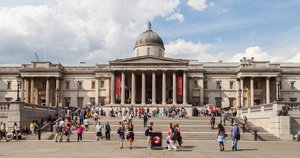
1660 · Oil On Canvas · National Gallery, London

The tension of the chase unfolds in A Stag Hunt in a Forest, a work by the Dutch Golden Age painter Jan Hackaert. Within this dense woodland, a stag moves through the shadows, pursued by the focused energy of a hunt. The scene captures a moment of high stakes, where the quiet of the trees meets the sudden movement of the quarry. Every element of the landscape, from the towering…

Kézzel festett olajfestmény másolat, kezdő áron: $236 35 × 29 cm Az eredeti méretben $580 120 × 100 cm Megrendelem az eredeti méretben →
Válasszon méretet Részletek megtekintése
3
Deer Hunt in a Forest (1672) (1889) -ja Jan Hackaert

Deer Hunt in a Forest

1672 · Oil On Canvas · Mauritshuis, Haag

The forest breathes with a heavy, humid stillness. Sunlight pierces through a dense canopy of ancient trees, casting long, shifting patterns across a floor of moss and fallen leaves. In this dappled light, the tension of the chase begins to stir. A stag moves through the thicket, its presence felt in the sudden rustle of foliage and the quiet, focused energy of the woods. Hunters and hounds emerge from the…

Kézzel festett olajfestmény másolat, kezdő áron: $186 28 × 36 cm Az eredeti méretben $272 54 × 69 cm Megrendelem az eredeti méretben →
Megrendelem ezt a festményt A festmény részletei

Jan Hackaert festményei 11. helyezéstől 31. helyezésig

11Italianate Landscape by Evening with Dancing Couple (1658) (1889) -ja Jan HackaertItalianate Landscape by Evening with Dancing Couple1658 · Museum Boijmans Van Beuningen Válasszon méretet en $186 →
12Italian Landscape (1658) (1889) -ja Jan HackaertItalian Landscape1658 · Museum Boijmans Van Beuningen Rendelj egy kézzel festett másolatot en $186 →
13The Lake of Zurich (1660) (1889) -ja Jan HackaertThe Lake of Zurich1660 · Rijksmuseum Válasszon méretet en $186 →
14Italian scenery with figures (1654) (1889) -ja Jan HackaertItalian scenery with figures1654 Megrendelem ezt a festményt en $186 →
15Landscape with a Waterfall (1649) (1889) -ja Jan HackaertLandscape with a Waterfall1649 · Holburne Museum Válasszon méretet en $186 →
16Beech Forest with Hunting Party (1670) (1889) -ja Jan HackaertBeech Forest with Hunting Party1670 · Bavári Állami Festırménygyűjtemények Megrendelem ezt a festményt en $186 →
17The Ash Alley (1670) (1889) -ja Jan HackaertThe Ash Alley1670 · Petit Palais Megrendelem ezt a festményt en $186 →
18Mountainous Landscape with Rider at Sunset (1672) (1889) -ja Jan HackaertMountainous Landscape with Rider at Sunset1672 · Städel Múzeum Rendelj egy kézzel festett másolatot en $186 →
19View of Schwanenburg castle at Kleve (1674) (1889) -ja Jan HackaertView of Schwanenburg castle at Kleve1674 · Groninger Museum Rendelj egy kézzel festett másolatot en $186 →
20Mountainous landscape (1672) (1889) -ja Jan HackaertMountainous landscape1672 · Rijksmuseum Megrendelem ezt a festményt en $186 →
21Landscape with cattle herders (1672) (1889) -ja Jan HackaertLandscape with cattle herders1672 · Rijksmuseum Válasszon méretet en $186 →
22Mountainous Landscape with Cattle (1680) (1889) -ja Jan HackaertMountainous Landscape with Cattle1680 · Nationalmuseum Megrendelem ezt a festményt en $186 →
23An Avenue in a Wood (1675) (1889) -ja Jan HackaertAn Avenue in a Wood1675 · Wallace Collection Rendelj egy kézzel festett másolatot en $186 →
24Hunters in the Woods, Jan Hackaert, 1660 - 1685 (1685) (1889) -ja Jan HackaertHunters in the Woods, Jan Hackaert, 1660 - 16851685 · Rijksmuseum Megrendelem ezt a festményt en $186 →
25The Avenue of Birches, Jan Hackaert, 1660 - 1685 (1685) (1889) -ja Jan HackaertThe Avenue of Birches, Jan Hackaert, 1660 - 16851685 · Rijksmuseum Válasszon méretet en $186 →
26River Scene (1660) (1889) -ja Jan HackaertRiver Scene1660 · Wallraf-Richartz Múzeum Megrendelem ezt a festményt en $261 →
27Forest Landscape with Stag Hunt (1889) -ja Jan HackaertForest Landscape with Stag HuntKunsthistorisches Museum Rendelj egy kézzel festett másolatot en $186 →
28Landscape (1889) -ja Jan HackaertLandscapeStatens Museum for Kunst Rendelj egy kézzel festett másolatot en $186 →
29Wooded Landscape with Bandits Attacking a Coach (1889) -ja Jan HackaertWooded Landscape with Bandits Attacking a Coach Válasszon méretet en $186 →
30Deer Hunters in the Woods (1889) -ja Jan HackaertDeer Hunters in the WoodsVarsói Nemzeti Múzeum Válasszon méretet en $186 →
31A Stag Hunt in a Forest (1889) -ja Jan HackaertA Stag Hunt in a Forest Megrendelem ezt a festményt en $186 →

Jan Hackaert festményei témakör szerint

A négy leggyakoribb téma ebben a rangsorban, a legnépszerűbb festménnyel együtt.

A Jan Hackaert eredeti műveit őrző múzeumok

A 8 olyan múzeum, amely a legtöbb ezen az oldalon szereplő festményet őrzi.

Múzeum Város Jan Hackaert művei Ebből a listából származó festmények
Rijksmuseum, AmsterdamRijksmuseum Amsterdam 5 The Lake of Zurich, Mountainous landscape, Landscape with cattle herders
Bavári Állami Festırménygyűjtemények, MunchenBavári Állami Festırménygyűjtemények Munchen 2 Landscape, Beech Forest with Hunting Party
Wallace Collection, LondonWallace Collection London 2 The Wooded Banks of a River, An Avenue in a Wood
Museum Boijmans Van Beuningen, RotterdamMuseum Boijmans Van Beuningen Rotterdam 2 Italianate Landscape by Evening with Dancing Couple, Italian Landscape
National Gallery, LondonNational Gallery London 1 A Stag Hunt in a Forest
Mauritshuis, HaagMauritshuis Haag 1 Deer Hunt in a Forest
Detroit Institute of Arts, DetroitDetroit Institute of Arts Detroit 1 Forest Landscape with Stag Hunt
Museum Voor Moderne Kunst, ArnhemMuseum Voor Moderne Kunst Arnhem 1 Travellers in a Wooded Landscape

Jan Hackaert évtizedenként: a legnépszerűbb festmény mindegyikből

Művek évtizedenként

Váasszon egy évtizedet a legnépszerűbb festmény megtekintéséhez.

Jan Hackaert festményei: gyakori kérdések

Mi a leghíresebb műve Jan Hackaert alkotótól?Megjelenítés

A Stag Hunt in a Forest (1660), National Gallery, London, az első helyen áll, amelyet A hawking party on a woodland path (1680) és Deer Hunt in a Forest (1672) követ.

Hány éves volt Jan Hackaert, amikor a A Stag Hunt in a Forest készült?Megjelenítés

Jan Hackaert 32 éves volt: A Stag Hunt in a Forest 1660-ből származik, Jan Hackaert pedig 1628 évfolyamon született.

Melyek Jan Hackaert top 10 festménye?Megjelenítés

A Stag Hunt in a Forest, A hawking party on a woodland path, Deer Hunt in a Forest, Forest Landscape with Stag Hunt, Travellers in a Wooded Landscape, Landscape, The Wooded Banks of a River, A Wooded Landscape, A Hawking Party és Estate Reigersburg in the Watergraafsmeer. A művek évszáma és múzeuma a rangsorban található.

Hány Jan Hackaert műve szerepel a listán?Megjelenítés

33 műve Jan Hackaert alkotása a katalógusunkban, 1645 és 1685 között.

Hol tárolják az eredeti Jan Hackaert festményeket?Megjelenítés

Főleg Rijksmuseum (Amsterdam), Bavári Állami Festırménygyűjtemények (Munchen) és Wallace Collection (London) található. A teljes listaért tekintse meg a fenti múzeumi táblázatot.

Mely korszakben születtek Jan Hackaert leghíresebb festményei?Megjelenítés

1660s idején: a rangsorolt 31 festmény közül 8 ebben az időszakban készült, beleértve a(z) A Stag Hunt in a Forest.

Melyek Jan Hackaert leghamarabb és legutóbb készült híres festményei?Megjelenítés

A legkorábbi alkotás ezen az oldalon: Travellers in a Wooded Landscape (1645). A legutóbbi: Hunters in the Woods, Jan Hackaert, 1660 - 1685 (1685).

Melyek Jan Hackaert festményeinek főbb motívumai?Megjelenítés

A listán szereplő 31 festmény közül: Forest (4), Stag (3) és Hunter (3).

Milyen technikával készül a(z) Jan Hackaert eredeti műveinek többsége?Megjelenítés

Oil On Canvas, a 31 festmény közül, amelyek ebben a rangsorban szerepelnek, 5 darab.

Mely művészeti irányhoz tartozik Jan Hackaert?Megjelenítés

Baroque, a jelen oldalon rangsorolt festmények alapján.

Melyik Jan Hackaert eredeti műve található a Rijksmuseum collectionében?Megjelenítés

A Rijksmuseum, Amsterdam 5 darabban foglalja magában az itt rangsorolt festmények közül, beleértve a The Lake of Zurich, Mountainous landscape és Landscape with cattle herders alkotásokat is.

Megrendelhetek egy Jan Hackaert reprodukciót?Megjelenítés

Igen. Az oldalon található összes festmény rendelhető kézzel festett olajfestmény-másolatként vagy nyomtatványként is. Nyissa meg a festményt, válassza ki a méretet, és adja meg a zamówelést.

A művészről: Jan Hackaert

Jan Hackaert: Weaver of Light and Shadow in the Dutch Golden Age

Jan Hackaert, a name perhaps less familiar than those of Rembrandt or Vermeer, nevertheless stands as a significant figure within the vibrant tapestry of the Dutch Golden Age. Born in Amsterdam around 1628 and tragically passing away in 1685, Hackaert’s life was one dedicated to capturing the essence of landscape – not merely depicting scenes, but imbuing them with atmosphere, light, and a subtle, almost mystical quality. His career unfolded across Germany and Switzerland, yet his most enduring legacy lies in the meticulously rendered Italianate landscapes that defined much of his output.

Early biographical details about Hackaert are scarce, shrouded in the typical obscurity that often accompanies artists working during this period. He seems to have embarked on a series of journeys, notably traveling through Switzerland and Germany, likely seeking inspiration and opportunities. It’s within these foreign lands that his distinctive style began to take shape – a synthesis of observation and artistic license. A particularly intriguing anecdote reveals the complexities of his work; accounts suggest he was occasionally met with suspicion by local miners when sketching their operations in the mountains. The workers, understandably perplexed by his detailed renderings, viewed him as either a spy or even a practitioner of dark arts, leading to complaints and highlighting the potential for misinterpretation inherent in representing unfamiliar subjects.

Hackaert’s contribution to the artistic landscape extended beyond individual paintings. He frequently served as a landscape painter for other prominent artists, acting as a crucial collaborator. His skill was particularly valued by Nicolas Berchem and Adriaen van de Velde, who relied on his expertise to create atmospheric backgrounds that elevated their compositions. This role underscores Hackaert’s understanding of composition and color theory – he wasn't simply painting pretty pictures; he was contributing to the overall narrative and emotional impact of larger works.

The Italianate Influence and a Misunderstood Lake

A defining characteristic of Hackaert’s work is his embrace of the Italianate style, which was immensely fashionable during the Dutch Golden Age. This wasn't merely imitation; rather, he skillfully adapted Italian techniques to the Dutch landscape tradition. He masterfully employed light and shadow, creating a sense of depth and drama that mirrored the works of Venetian masters. The influence of the Italian Renaissance is evident in his use of perspective, color palettes, and the depiction of classical ruins or distant mountains – elements frequently incorporated into his compositions.

Interestingly, one particular painting—his depiction of Lake Zurich—became a source of considerable confusion for decades. Due to Hackaert’s adeptness at simulating southern Italian light and atmosphere, the lake was mistakenly identified as an Italian lake for years after its creation. This anecdote serves as a testament to his technical skill and the widespread fascination with Italian landscapes during that era.

Technique and Materials

Hackaert's paintings are characterized by a meticulous attention to detail and a sophisticated understanding of color mixing. He primarily worked in oil on panel, utilizing layering techniques to build up rich textures and luminous effects. His brushwork is often subtle yet remarkably expressive, conveying the feel of wind, water, and sunlight with remarkable precision. Hackaert’s use of glazes—thin layers of translucent paint applied over dried underlayers—allowed him to achieve a remarkable level of depth and luminosity, capturing the fleeting qualities of light in natural settings.

He was known for his ability to render foliage with astonishing realism, creating a sense of immersion within the depicted landscapes. His compositions frequently feature elements such as winding paths, distant hills, and shimmering water surfaces, all rendered with a remarkable degree of accuracy and atmospheric perspective. The integration of figures—often shepherds or hunters—added a human element to these idyllic scenes, further enhancing their appeal.

Legacy and Significance

While Jan Hackaert may not be as widely celebrated as some of his contemporaries, his contributions to the Dutch landscape tradition are undeniable. His paintings offer a captivating glimpse into the beauty of the German and Swiss countryside during the 17th century, imbued with the spirit of the Golden Age. He demonstrated an exceptional ability to capture the essence of light and atmosphere, creating works that continue to resonate with viewers today.

Hackaert’s legacy extends beyond his individual paintings; he played a vital role in shaping the artistic landscape by collaborating with other prominent artists. His work serves as a valuable example of how artists could adapt foreign styles while maintaining their own unique vision. His meticulous approach to detail and atmospheric rendering cemented his place as a skilled and influential figure within the Dutch Golden Age art world.