Suzuki Harunobu – A Pioneer of Color Printmaking
Suzuki Harunobu (1725–8 July 1770) stands as a monumental figure in Japanese art history, recognized primarily for his groundbreaking innovation—the introduction of full-color printing to *ukiyo-e* art. Prior to his transformative work in 1765, prints were predominantly executed in monochrome, utilizing two or three colors, marking a significant limitation on artistic expression and visual impact. Harunobu’s achievement wasn't merely technical; it fundamentally altered the aesthetic landscape of Edo Japan and profoundly influenced subsequent generations of artists worldwide—a phenomenon known as Japonisme.- Early Life & Influences: While precise details about Harunobu’s birthdate and origins remain elusive, he was born around 1725 in Tokyo (then Edo), the capital of Tokugawa Japan. His family lineage traced back to samurai ancestry, notably a retainer serving Tokugawa Ieyasu during the unification wars, which instilled within him a sense of noble heritage. Notably, Harunobu’s father and grandfather experienced exile from Edo due to involvement in gambling and illicit activities—a circumstance that shaped his formative years and exposed him to societal complexities.
- Training & Artistic Style: Harunobu's artistic journey commenced under the tutelage of Nishikawa Sukenobu, a celebrated *ukiyo-e* master who championed the use of multiple woodblocks for color printing. This mentorship proved pivotal in establishing Harunobu’s distinctive style—characterized by delicate linework and subtle tonal gradations—which drew heavily from the Torii school's aesthetic sensibilities.
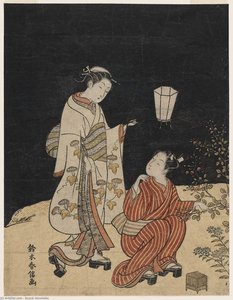
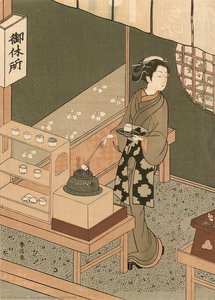
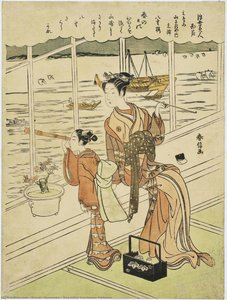
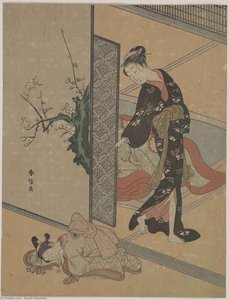
- The Birth of Nishiki-e: Harunobu’s genius shone brightest during his collaboration with literati samurai, who sought to elevate their artistic endeavors through innovative techniques. Recognizing the limitations of monochrome prints, he spearheaded the development of *nishiki-e*, utilizing a revolutionary process involving ten or more woodblocks meticulously carved and inked separately—a method that dramatically expanded the palette available to artists and ushered in an era of vibrant color reproductions.
- Subject Matter & Artistic Vision: Harunobu’s oeuvre encompassed a breathtaking array of subjects, ranging from serene landscapes depicting Mount Fuji to captivating depictions of aristocratic beauties and theatrical performances featuring kabuki actors. His prints weren't merely representations; they conveyed profound emotions and captured the essence of Japanese culture—reflecting the spirit of his time.
- Legacy & Influence: Harunobu’s impact extended far beyond his own lifetime, inspiring countless artists who imitated his style and techniques. He is considered a cornerstone of Japonisme, influencing European painters like Claude Léopold Bouvet and Eugène Delacroix, who embraced Japanese aesthetics and incorporated bold colors and asymmetrical compositions into their artworks. Suzuki Harunobu's contribution to art history cemented his place as one of Japan’s most influential artists—a visionary whose innovations continue to resonate with audiences today.
Notable Works & Techniques
Harunobu’s artistic prowess manifested itself in a series of iconic prints that exemplify the zenith of Edo-period artistry. Among his masterpieces are “Herons Et Roseaux,” showcasing masterful composition and tonal harmony, and “Young Woman Jumping...”, which captures an exquisite moment of grace with remarkable precision. His technique involved meticulous carving of woodblocks—often numbering ten or more—each painstakingly inked separately to achieve stunning color effects. This innovative approach distinguished Harunobu from his contemporaries and established him as a pioneer in printmaking methodology.Museum Collections & Exhibitions
Suzuki Harunobu’s artworks are proudly displayed in prestigious museums across Japan and internationally, including the Indianapolis Museum of Art and Fukuoka City Museum—testaments to their enduring artistic merit and cultural significance. These institutions offer visitors invaluable opportunities to appreciate Harunobu's genius firsthand and delve deeper into his contribution to Japanese art history.Further Exploration
To gain a more comprehensive understanding of Suzuki Harunobu’s life and work, consult scholarly articles and biographical studies available online—particularly those focusing on his influence within the Torii school and Nishiki-e movement. Examining related publications will illuminate the broader context of Edo Japan's artistic landscape and solidify Harunobu’s position as a transformative figure in art history.Kérdések és válaszok
Szűrhetem Suzuki Harunobu műveit szín alapján?
Suzuki Harunobu művei színek szerinti csoportosítással is felfedezhetők a művész Színindex oldalán.
Létezik-e egy időrendi áttekintés Suzuki Harunobu műveiről?
Suzuki Harunobu műveletei időrendi sorrendben tekinthetők meg a művész Műalkotások időrendje oldalán.
Suzuki Harunobu műveit színek alapján is böngészhetem?
Suzuki Harunobu műveinek keresése egy adott színpalettában a művész Színpaletták alapján oldalán lehetséges.