Garanzia soddisfatti o rimborsati · 100 giorni Spedizione gratuita in tutto il mondo
643.303opere d'arte 52.888artisti 5.406musei 32Lingue
Ritratto di Franz Ehrlich

I 100 dipinti più famosi di Franz Ehrlich tra cui scegliere

Aggiornato Novembre 2026 · classificato in base al nostro punteggio di popolarità (ricerche, visite e ordini per ogni opera) · 101 opere di Franz Ehrlich nel nostro catalogo

Risposta rapida

L'opera numero uno tra i dipinti di Franz Ehrlich è TERZO PIANO (Progetto per una rappresentazione estera della DDR. Pianta), l'originale del quale si trova presso il Fondazione Bauhaus Dessau, Dessau-Roßlau. Al secondo e terzo posto: LBH MACCHINARI PER L'EDILIZIA E MACCHINARI PER LA Lavorazione del Legno SALA 5 (Fiera di Lipsia, pianta dell'allestimento espositivo) (1949) e 4 sedute. 1 Banco. Ufficio del vicepresidente (dell'Accademia delle Scienze della RDA a Berlino). Il nostro catalogo contiene 101 opere di Franz Ehrlich. I 100 lavori elencati qui sono i più famosi, in ordine di classifica, con l'anno e il museo di ogni originale.

1907 – 1984, Reuth Ritorno al bauhaus Più opere: Fondazione Bauhaus Dessau

La top 10: i dipinti più famosi di Franz Ehrlich

1
TERZO PIANO (Progetto per una rappresentazione estera della DDR. Pianta) di Franz Ehrlich

TERZO PIANO (Progetto per una rappresentazione estera della DDR. Pianta)

Acrilico su tela · Fondazione Bauhaus Dessau, Dessau-Roßlau

A Blueprint for Utopia: Examining Franz Ehrlich’s “3rd FLOOR” The architectural drawing titled “3rd FLOOR,” created by Franz Ehrlich in 1956, transcends mere technical documentation; it embodies the aspirations of a nation grappling with its identity after decades under Nazi oppression and subsequent Soviet influence. This meticulously crafted plan for a foreign representation of the German Democratic Republic—specifically designed for the Leipzig Trade Fair—offers a fascinating glimpse into the ethos…

2
LBH MACCHINARI PER L'EDILIZIA E MACCHINARI PER LA Lavorazione del Legno SALA 5 (Fiera di Lipsia, pianta dell'allestimento espositivo) (1949) di Franz Ehrlich

LBH MACCHINARI PER L'EDILIZIA E MACCHINARI PER LA Lavorazione del Legno SALA 5 (Fiera di Lipsia, pianta dell'allestimento espositivo)

1949 · Inchiostro su carta · Fondazione Bauhaus Dessau, Dessau-Roßlau

Osservare questo disegno non significa semplicemente contemplare delle linee su carta; significa immergersi nelle venature stesse del commercio e dell'innovazione del primo Novecento. Questa pianta, che documenta la Sala 5 dei macchinari per l'edilizia e per la lavorazione del legno LBH presso la Fiera di Lipsia nel 1949, ci trasporta direttamente in un momento in cui l'industria veniva meticolosamente svelata al pubblico. L'opera di Franz Ehrlich possiede una qualità quasi…

3
4 sedute. 1 Banco. Ufficio del vicepresidente (dell'Accademia delle Scienze della RDA a Berlino) di Franz Ehrlich

4 sedute. 1 Banco. Ufficio del vicepresidente (dell'Accademia delle Scienze della RDA a Berlino)

Acrilico su tela · Fondazione Bauhaus Dessau, Dessau-Roßlau

La figura di Franz Ehrlich emerge dalla storia dell'architettura tedesca del secondo dopoguerra come un artista profondamente legato alla resistenza culturale e intellettuale del periodo della Repubblica Democratica Tedesca Orientale (GDR). Questo disegno bianco e nero, "4 Armchairs. 1 Bench. Office of the Vice President (of the Academy of Sciences of the GDR in Berlin)", non è semplicemente una rappresentazione di spazio ufficio; è un documento simbolico che testimonia l'aspirazione…

4
Bookshop Hauptstraße / Transversal section (FDGB Bookshop (1949) di Franz Ehrlich

Bookshop Hauptstraße / Transversal section (FDGB Bookshop

1949 · Acrilico su tela · Fondazione Bauhaus Dessau, Dessau-Roßlau

Franz Ehrlich: Un Riflesso Silenzioso dell'Architettura Bauhaus Il disegno di Franz Ehrlich, intitolato "Bookshop Hauptstraße / Transversal section (FDGB Bookshop", è un documento prezioso per comprendere l’estetica e le aspirazioni della Bauhaus Dessau negli anni Quaranta. Questo lavoro tecnico-artistico rappresenta una sezione trasversale del negozio di libri FDGB “Gutenberg” a Dresda, catturando con precisione lineare e tonalità monocromatiche l'ambiente interno e la sua organizzazione spaziale. Ehrlich, influenzato dalle teorie architettoniche…

5
La nuova città è costruita sul lavoro... (Progetto per il concorso di Dresda) (1952) di Franz Ehrlich

La nuova città è costruita sul lavoro... (Progetto per il concorso di Dresda)

1952 · Acrilico · Fondazione Bauhaus Dessau, Dessau-Roßlau

Lo schizzo del 1952 di Franz Ehrlich, "La nuova città è costruita sul lavoro...", non è semplicemente una proposta progettuale per un concorso a Dresda; è una testimonianza toccante della ricostruzione post-bellica e dello spirito indomito di una città che lotta per rinascere dalle proprie ceneri. Catturata con una sobria tavolozza di grafite su carta invecchiata, l'immagine possiede un'intimità immediata, come se ci fossimo imbattuti in una planimetria dimenticata, intrisa…

7
Senza titolo (Fiera di Lipsia Primavera 1949, pianta dello stand espositivo SANAR) (1949) di Franz Ehrlich

Senza titolo (Fiera di Lipsia Primavera 1949, pianta dello stand espositivo SANAR)

1949 · Matita in grafite · Fondazione Bauhaus Dessau, Dessau-Roßlau

Osservare quest'opera non significa semplicemente contemplare un vecchio disegno; significa immergersi direttamente nell'atmosfera meticolosa e speranzosa della ricostruzione del dopoguerra. Questo progetto architettonico, che documenta lo stand espositivo per SANAR alla Fiera di Primavera di Lipsia del 1949, trascende la sua funzione di mero diagramma tecnico. Esso cattura un momento di profondo anelito sociale: il desiderio di ricostruire, di commerciare e di ristabilire la normalità dopo un tumulto inimmaginabile. La…

8
110,4% di adempimento del piano a Lipsia. Rapporto del Consiglio Comunale di Lipsia (Brochure) (1949) di Franz Ehrlich

110,4% di adempimento del piano a Lipsia. Rapporto del Consiglio Comunale di Lipsia (Brochure)

1949 · Stampa d'arte · Fondazione Bauhaus Dessau, Dessau-Roßlau

Quest'opera così magnetica, "110,4% di adempimento del piano a Lipsia. Rapporto del Consiglio Comunale di Lipsia (Brochure)", offre molto più di una semplice rappresentazione; presenta un momento accuratamente selezionato di aspirazione civica, congelato nel tempo. Creata nel 1949, quest'opera emerge dalle immediate conseguenze dei grandi sconvolgimenti mondiali, portando con sé il peso e l'earnestà ottimistica tipica dell'arte tedesca del dopoguerra. Il titolo stesso suggerisce un'adesione a obiettivi collettivi: una misura…

9
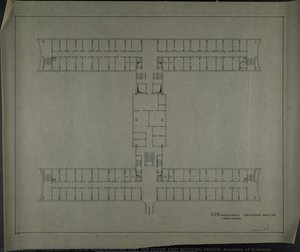
EDIFICIO PRINCIPALE A.D.W. PIANO TERRENO 1° DISEGNO TECNICO V.2 (Accademia delle Scienze, pianta (1976) di Franz Ehrlich

EDIFICIO PRINCIPALE A.D.W. PIANO TERRENO 1° DISEGNO TECNICO V.2 (Accademia delle Scienze, pianta

1976 · Disegno · Fondazione Bauhaus Dessau, Dessau-Roßlau

Contemplare questo disegno non significa semplicemente osservare delle linee su carta; significa immergersi nelle venature stesse del pensiero e della collaborazione. Questa rappresentazione, intitolata A.D.W. Main Building Ground Floor 1Rst Working Design V.2, offre uno sguardo meticoloso su un cuore accademico: la Accademia delle Scienze. Essa funge da molto più di una semplice pianta; è un istante catturato di potenziale intellettuale, un diagramma dell'impegno umano reso con precisione in bianco…

10
63 - 64 (Painting with violin, New Year (1964) di Franz Ehrlich

63 - 64 (Painting with violin, New Year

1964 · Colored Pencil · Fondazione Bauhaus Dessau, Dessau-Roßlau

This captivating piece, "63 - 64 (Painting with violin, New Year)," immediately draws the viewer into a realm of delicate fantasy. It is a truly unique confluence where the structured elegance of a musical instrument meets the unrestrained vitality of nature's bloom. At its heart lies a violin, not merely depicted, but seemingly grown—a beautiful marriage of crafted wood and organic life. The composition centers around this focal point, from…

Dalla 11 alla 100 posizione: altri dipinti di Franz Ehrlich

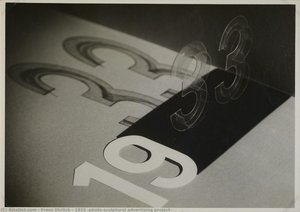
111933 (progetto pubblicitario foto-scultoreo) (1933) di Franz Ehrlich1933 (progetto pubblicitario foto-scultoreo)1933 · Fondazione Bauhaus Dessau 12Casa bifamiliare (Pianta) (1939) di Franz EhrlichCasa bifamiliare (Pianta)1939 · Fondazione Bauhaus Dessau 13Senza titolo (Progetto per un padiglione fieristico, interno, vista, ampliamento della Fiera di Lipsia) (1950) di Franz EhrlichSenza titolo (Progetto per un padiglione fieristico, interno, vista, ampliamento della Fiera di Lipsia)1950 · Fondazione Bauhaus Dessau 14Dipinto con violino (1979) di Franz EhrlichDipinto con violino1979 · Fondazione Bauhaus Dessau 15CRONOPROGRAMMA DI COSTRUZIONE PER LA PIÙ FAVOREVOLE ATTUAZIONE DI UN PROGETTO DI INVESTIMENTO STUDI TV PER UN PROGRAMMA DI 4 ORE A SETTIMANA (1959) di Franz EhrlichCRONOPROGRAMMA DI COSTRUZIONE PER LA PIÙ FAVOREVOLE ATTUAZIONE DI UN PROGETTO DI INVESTIMENTO STUDI TV PER UN PROGRAMMA DI 4 ORE A SETTIMANA1959 · Fondazione Bauhaus Dessau 16Schema appartamento camera da letto (con arredi interni) (1962) di Franz EhrlichSchema appartamento camera da letto (con arredi interni)1962 · Fondazione Bauhaus Dessau 17SCHEMA DI BASE PER LE UNITÀ AMBIENTALI E IL LORO UTILIZZO NELLA CASA HV (Trading House Berlin) (1974) di Franz EhrlichSCHEMA DI BASE PER LE UNITÀ AMBIENTALI E IL LORO UTILIZZO NELLA CASA HV (Trading House Berlin)1974 · Fondazione Bauhaus Dessau 18Senza titolo (Fiera primaverile di Lipsia 1949, stand espositivo IFA-Fahrzeugwerke) (1949) di Franz EhrlichSenza titolo (Fiera primaverile di Lipsia 1949, stand espositivo IFA-Fahrzeugwerke)1949 · Fondazione Bauhaus Dessau 19Untitled (Final artwork for chocolate packaging (Laughing child before toys)) (1934) di Franz EhrlichUntitled (Final artwork for chocolate packaging (Laughing child before toys))1934 · Fondazione Bauhaus Dessau 20Untitled (Designs of various room furnishings. Large room, small room, for the villa of an SS officer in Buchenwald) (1943) di Franz EhrlichUntitled (Designs of various room furnishings. Large room, small room, for the villa of an SS officer in Buchenwald)1943 · Fondazione Bauhaus Dessau 21Extending table (1939) di Franz EhrlichExtending table1939 · Fondazione Bauhaus Dessau 22Upholstered corner in the small room (Views, section) (1939) di Franz EhrlichUpholstered corner in the small room (Views, section)1939 · Fondazione Bauhaus Dessau 233 stools in the living room (Views) (1943) di Franz Ehrlich3 stools in the living room (Views)1943 · Fondazione Bauhaus Dessau 24PANEL (for Spring Trade Fair Leipzig 1950) (1950) di Franz EhrlichPANEL (for Spring Trade Fair Leipzig 1950)1950 · Fondazione Bauhaus Dessau 25MINISTER�S OFFICE WORKTABLE (HKB II, Ministry of the Interior of the GDR, Berlin) (1950) di Franz EhrlichMINISTER�S OFFICE WORKTABLE (HKB II, Ministry of the Interior of the GDR, Berlin)1950 · Fondazione Bauhaus Dessau 26Untitled (Leipzig Trade Fair, exhibition floor plans Exhibition stands Junkers, ABUS and others) (1949) di Franz EhrlichUntitled (Leipzig Trade Fair, exhibition floor plans Exhibition stands Junkers, ABUS and others)1949 · Fondazione Bauhaus Dessau 27Untitled (HKB I or II, Ministry of the Interior, plan view main floor Kanonierstraße / Basement floor Franz. Str. 7) (1950) di Franz EhrlichUntitled (HKB I or II, Ministry of the Interior, plan view main floor Kanonierstraße / Basement floor Franz. Str. 7)1950 · Fondazione Bauhaus Dessau 28Bookshop Hauptstraße (FDGB Bookshop (1949) di Franz EhrlichBookshop Hauptstraße (FDGB Bookshop1949 · Fondazione Bauhaus Dessau 29Reconstruction of Dresden�s urban core based on research results (1952) di Franz EhrlichReconstruction of Dresden�s urban core based on research results1952 · Fondazione Bauhaus Dessau 30Table and chair for dining room (1954) di Franz EhrlichTable and chair for dining room1954 · Fondazione Bauhaus Dessau 312 DISPLAY CASES (1957) di Franz Ehrlich2 DISPLAY CASES1957 · Fondazione Bauhaus Dessau 32Conference table (1957) di Franz EhrlichConference table1957 · Fondazione Bauhaus Dessau 33Untitled (Berlin-Buch, Institute of Pathology, Cardio-Vascular Research, construction detail) (1960) di Franz EhrlichUntitled (Berlin-Buch, Institute of Pathology, Cardio-Vascular Research, construction detail)1960 · Fondazione Bauhaus Dessau 34HKB II - Nuovo edificio Piano Terra Primo (Ministero degli Interni, Berlino, piano) (1950) di Franz EhrlichHKB II - Nuovo edificio Piano Terra Primo (Ministero degli Interni, Berlino, piano)1950 · Fondazione Bauhaus Dessau 352 SINGLE BEDS B RANGE (Standardized unit furniture (1966) di Franz Ehrlich2 SINGLE BEDS B RANGE (Standardized unit furniture1966 · Fondazione Bauhaus Dessau 36800 YRS. FRAME v. (1965) di Franz Ehrlich800 YRS. FRAME v.1965 · Fondazione Bauhaus Dessau 37800 YRS. WALL 11. GROUND PLAN AND VIEW (Exhibit display racks, Leipzig Trade Fair) (1964) di Franz Ehrlich800 YRS. WALL 11. GROUND PLAN AND VIEW (Exhibit display racks, Leipzig Trade Fair)1964 · Fondazione Bauhaus Dessau 38800 YRS. WALL 2 (Leipzig Trade Fair) (1965) di Franz Ehrlich800 YRS. WALL 2 (Leipzig Trade Fair)1965 · Fondazione Bauhaus Dessau 39800 YRS WALL AT ENTRANCE (Leipzig Trade Fair) (1965) di Franz Ehrlich800 YRS WALL AT ENTRANCE (Leipzig Trade Fair)1965 · Fondazione Bauhaus Dessau 40800 YRS. BOX FRAME (Leipzig Trade Fair) (1965) di Franz Ehrlich800 YRS. BOX FRAME (Leipzig Trade Fair)1965 · Fondazione Bauhaus Dessau 41LIVING ROOM CABINET (1964) di Franz EhrlichLIVING ROOM CABINET1964 · Fondazione Bauhaus Dessau 42800 YRS. GLASS SHOWCASE (Leipzig Trade Fair) (1965) di Franz Ehrlich800 YRS. GLASS SHOWCASE (Leipzig Trade Fair)1965 · Fondazione Bauhaus Dessau 43800 YRS. WALL 6 GROUND PLAN AND VIEW (Leipzig Trade Fair) (1965) di Franz Ehrlich800 YRS. WALL 6 GROUND PLAN AND VIEW (Leipzig Trade Fair)1965 · Fondazione Bauhaus Dessau 44PROF. DR. BAUMANN HOUSE EXECUTION (windows 3, 4, 5, 6) (1962) di Franz EhrlichPROF. DR. BAUMANN HOUSE EXECUTION (windows 3, 4, 5, 6)1962 · Fondazione Bauhaus Dessau 45800 YRS. WALL 4 + 5. GROUND PLAN AND VIEWS (Exhibit display racks, Leipzig Trade Fair) (1964) di Franz Ehrlich800 YRS. WALL 4 + 5. GROUND PLAN AND VIEWS (Exhibit display racks, Leipzig Trade Fair)1964 · Fondazione Bauhaus Dessau 46800 YRS. WALLS 9 + 10. GROUND PLAN AND VIEWS (Exhibit display racks, Leipzig Trade Fair) (1964) di Franz Ehrlich800 YRS. WALLS 9 + 10. GROUND PLAN AND VIEWS (Exhibit display racks, Leipzig Trade Fair)1964 · Fondazione Bauhaus Dessau 47800 YRS. FRAME - DÜRER WALL 3 (Leipzig Trade Fair) (1965) di Franz Ehrlich800 YRS. FRAME - DÜRER WALL 3 (Leipzig Trade Fair)1965 · Fondazione Bauhaus Dessau 481rst Front door project (Baumann House, Berlin) (1962) di Franz Ehrlich1rst Front door project (Baumann House, Berlin)1962 · Fondazione Bauhaus Dessau 49800 YRS. WALLS 12 + 23. GROUND PLAN AND VIEWS (Exhibit display racks, Leipzig Trade Fair) (1964) di Franz Ehrlich800 YRS. WALLS 12 + 23. GROUND PLAN AND VIEWS (Exhibit display racks, Leipzig Trade Fair)1964 · Fondazione Bauhaus Dessau 50800 YRS. WALL 7 + 8. GROUND PLAN AND VIEWS (Exhibit display racks, Leipzig Trade Fair) (1964) di Franz Ehrlich800 YRS. WALL 7 + 8. GROUND PLAN AND VIEWS (Exhibit display racks, Leipzig Trade Fair)1964 · Fondazione Bauhaus Dessau 51800 YRS. FRAMEWORK WALL 3 (Leipzig Trade Fair) (1965) di Franz Ehrlich800 YRS. FRAMEWORK WALL 3 (Leipzig Trade Fair)1965 · Fondazione Bauhaus Dessau 52800 YRS. DAS BUCH [THE BOOK]. GROUND PLAN AND VIEWS (Exhibit display racks, Leipzig Trade Fair) (1964) di Franz Ehrlich800 YRS. DAS BUCH [THE BOOK]. GROUND PLAN AND VIEWS (Exhibit display racks, Leipzig Trade Fair)1964 · Fondazione Bauhaus Dessau 53800 YRS PANEL FOR TROPHY (Leipzig Trade Fair) (1965) di Franz Ehrlich800 YRS PANEL FOR TROPHY (Leipzig Trade Fair)1965 · Fondazione Bauhaus Dessau 54800 YRS. FRAME FOR FABRIC WALL (Leipzig Trade Fair) (1965) di Franz Ehrlich800 YRS. FRAME FOR FABRIC WALL (Leipzig Trade Fair)1965 · Fondazione Bauhaus Dessau 55800 YRS PANEL LEIPZIG (Leipzig Trade Fair) (1965) di Franz Ehrlich800 YRS PANEL LEIPZIG (Leipzig Trade Fair)1965 · Fondazione Bauhaus Dessau 56Untitled (Design sketch for a wooden table and armchair with hoop-steel) (1969) di Franz EhrlichUntitled (Design sketch for a wooden table and armchair with hoop-steel)1969 · Fondazione Bauhaus Dessau 57Untitled (Design sketches for upholstered armchair) (1969) di Franz EhrlichUntitled (Design sketches for upholstered armchair)1969 · Fondazione Bauhaus Dessau 58CABINET WITH WET BAR (1969) di Franz EhrlichCABINET WITH WET BAR1969 · Fondazione Bauhaus Dessau 59H. P. A. PRAGUE STUDY B (Trade Policy Department (H.P.A.) of the GDR in Prague, floor plan) (1968) di Franz EhrlichH. P. A. PRAGUE STUDY B (Trade Policy Department (H.P.A.) of the GDR in Prague, floor plan)1968 · Fondazione Bauhaus Dessau 60Untitled (Design sketches for an upholstered chair, cabinet and bed) (1969) di Franz EhrlichUntitled (Design sketches for an upholstered chair, cabinet and bed)1969 · Fondazione Bauhaus Dessau 61CHAIR WITH LEATHER SEAT (1971) di Franz EhrlichCHAIR WITH LEATHER SEAT1971 · Fondazione Bauhaus Dessau 62TUBULAR STEEL CHAIR (1976) di Franz EhrlichTUBULAR STEEL CHAIR1976 · Fondazione Bauhaus Dessau 63A.D.W. MAIN BUILDING VIEW 1RST WORKING DESIGN (Academy of Sciences) (1975) di Franz EhrlichA.D.W. MAIN BUILDING VIEW 1RST WORKING DESIGN (Academy of Sciences)1975 · Fondazione Bauhaus Dessau 64TAVOLO E PANCA TAPIZZATA (1955) di Franz EhrlichTAVOLO E PANCA TAPIZZATA1955 · Fondazione Bauhaus Dessau 65BOOK AND DOCUMENT REPOSITORY (1976) di Franz EhrlichBOOK AND DOCUMENT REPOSITORY1976 · Fondazione Bauhaus Dessau 66A.D.W. MAIN BUILDING 1RST TOP FLOOR WORKING DESIGN 1 (Academy of Sciences) (1976) di Franz EhrlichA.D.W. MAIN BUILDING 1RST TOP FLOOR WORKING DESIGN 1 (Academy of Sciences)1976 · Fondazione Bauhaus Dessau 67A.D.W. MAIN BUILDING GROUND FLOOR WORKING DESIGN 1 (Academy of Sciences) (1976) di Franz EhrlichA.D.W. MAIN BUILDING GROUND FLOOR WORKING DESIGN 1 (Academy of Sciences)1976 · Fondazione Bauhaus Dessau 68A.D.W. MAIN BUILDING 1RST TOP FLOOR 1RST WORKING DESIGN (Academy of Sciences) (1976) di Franz EhrlichA.D.W. MAIN BUILDING 1RST TOP FLOOR 1RST WORKING DESIGN (Academy of Sciences)1976 · Fondazione Bauhaus Dessau 69A.D.W. MAIN BUILDING 1RST TOP FLOOR WORKING DESIGN 2 (Academy of Sciences) (1976) di Franz EhrlichA.D.W. MAIN BUILDING 1RST TOP FLOOR WORKING DESIGN 2 (Academy of Sciences)1976 · Fondazione Bauhaus Dessau 70A.D.W. MAIN BUILDING 2ND-4TH TOP FLOORS 1RST WORKING DESIGN (Academy of Sciences) (1976) di Franz EhrlichA.D.W. MAIN BUILDING 2ND-4TH TOP FLOORS 1RST WORKING DESIGN (Academy of Sciences)1976 · Fondazione Bauhaus Dessau 71A.D.W. MAIN BUILDING GROUND FLOOR 1RST WORKING DESIGN V.2 (Academy of Sciences, floor plan) (1976) di Franz EhrlichA.D.W. MAIN BUILDING GROUND FLOOR 1RST WORKING DESIGN V.2 (Academy of Sciences, floor plan)1976 · Fondazione Bauhaus Dessau 72A.D.W. MAIN BUILDING 2 BASEMENT STOREYS 1RST WORKING DESIGN (Academy of Sciences, floor plan) (1976) di Franz EhrlichA.D.W. MAIN BUILDING 2 BASEMENT STOREYS 1RST WORKING DESIGN (Academy of Sciences, floor plan)1976 · Fondazione Bauhaus Dessau 73A.D.W. MAIN BUILDING GROUND FLOOR 1RST WORKING DESIGN V. 1 (Academy of Sciences, floor plan) (1976) di Franz EhrlichA.D.W. MAIN BUILDING GROUND FLOOR 1RST WORKING DESIGN V. 1 (Academy of Sciences, floor plan)1976 · Fondazione Bauhaus Dessau 74A.D.W. MAIN BUILDING 2 BASEMENT STOREYS 1RST WORKING DESIGN (Academy of Sciences, floor plan) (1976) di Franz EhrlichA.D.W. MAIN BUILDING 2 BASEMENT STOREYS 1RST WORKING DESIGN (Academy of Sciences, floor plan)1976 · Fondazione Bauhaus Dessau 75ESECUZIONE CASA PROF. DR. BAUMANN (pianta delle fondamenta) (1962) di Franz EhrlichESECUZIONE CASA PROF. DR. BAUMANN (pianta delle fondamenta)1962 · Fondazione Bauhaus Dessau 76Cassetto singolo con piedini in acciaio tubolare e piano superiore in marmo (1981) di Franz EhrlichCassetto singolo con piedini in acciaio tubolare e piano superiore in marmo1981 · Fondazione Bauhaus Dessau 77SALES COUNTER (1957) di Franz EhrlichSALES COUNTER1957 · Fondazione Bauhaus Dessau 782 SINGLE BEDS B RANGE (Standardized unit furniture (1966) di Franz Ehrlich2 SINGLE BEDS B RANGE (Standardized unit furniture1966 · Fondazione Bauhaus Dessau 79SEDIA CON BRACCIOLI (con telaio in tubolare d'acciaio) (1970) di Franz EhrlichSEDIA CON BRACCIOLI (con telaio in tubolare d'acciaio)1970 · Fondazione Bauhaus Dessau 801970 (New Year (1970) di Franz Ehrlich1970 (New Year1970 · Fondazione Bauhaus Dessau 81PIANI DI SVILUPPO. Edifici esistenti / sviluppo come attualmente previsto / sviluppo come dovrebbe essere previsto di Franz EhrlichPIANI DI SVILUPPO. Edifici esistenti / sviluppo come attualmente previsto / sviluppo come dovrebbe essere previstoFondazione Bauhaus Dessau 822ND TOP FLOOR (Institute and lecture hall building Leipzig University Goethe-Straße, floor plan) di Franz Ehrlich2ND TOP FLOOR (Institute and lecture hall building Leipzig University Goethe-Straße, floor plan)Fondazione Bauhaus Dessau 832ND TOP FLOOR (Institute and lecture hall building Leipzig University Goethe-Straße, floor plan) di Franz Ehrlich2ND TOP FLOOR (Institute and lecture hall building Leipzig University Goethe-Straße, floor plan)Fondazione Bauhaus Dessau 84Little house in a forest near Berggiesshübel (1947) di Franz EhrlichLittle house in a forest near Berggiesshübel1947 · Fondazione Bauhaus Dessau 851 Room (Design sketches for easy chairs and tables) di Franz Ehrlich1 Room (Design sketches for easy chairs and tables)Fondazione Bauhaus Dessau 86WORKTABLE. GROUND PLAN AND VIEWS di Franz EhrlichWORKTABLE. GROUND PLAN AND VIEWSFondazione Bauhaus Dessau 874 armchairs. 1 Bench. Office of the vice president (of the Academy of Sciences of the GDR in Berlin) di Franz Ehrlich4 armchairs. 1 Bench. Office of the vice president (of the Academy of Sciences of the GDR in Berlin)Fondazione Bauhaus Dessau 88Untitled (Design for a building, floor plan and calculations) di Franz EhrlichUntitled (Design for a building, floor plan and calculations)Fondazione Bauhaus Dessau 893 panels 72/51 di Franz Ehrlich3 panels 72/51Fondazione Bauhaus Dessau 903 WALLS IN THE HALL (Entrance, living room, study) di Franz Ehrlich3 WALLS IN THE HALL (Entrance, living room, study)Fondazione Bauhaus Dessau 91Wing armchair di Franz EhrlichWing armchairFondazione Bauhaus Dessau 924th FLOOR (Design for a foreign representation of the GDR. Floor plan) di Franz Ehrlich4th FLOOR (Design for a foreign representation of the GDR. Floor plan)Fondazione Bauhaus Dessau 93WALL FOR SIGNAL GLASS (Leipzig Trade Fair) di Franz EhrlichWALL FOR SIGNAL GLASS (Leipzig Trade Fair)Fondazione Bauhaus Dessau 944th TOP FLOOR (Floor plan of a building with 22 single rooms) di Franz Ehrlich4th TOP FLOOR (Floor plan of a building with 22 single rooms)Fondazione Bauhaus Dessau 953rd TOP FLOOR (Floor plan of a building with 2- and 3-room apartments) di Franz Ehrlich3rd TOP FLOOR (Floor plan of a building with 2- and 3-room apartments)Fondazione Bauhaus Dessau 961rst TOP FLOOR (Floor plan of a building with furnishing proposals) di Franz Ehrlich1rst TOP FLOOR (Floor plan of a building with furnishing proposals)Fondazione Bauhaus Dessau 971rst FLOOR (Design for a foreign representation of the GDR, Floor plan) di Franz Ehrlich1rst FLOOR (Design for a foreign representation of the GDR, Floor plan)Fondazione Bauhaus Dessau 981RST TOP FLOOR (Institute and lecture hall building Leipzig University Goethe-Straße, floor plan) di Franz Ehrlich1RST TOP FLOOR (Institute and lecture hall building Leipzig University Goethe-Straße, floor plan)Fondazione Bauhaus Dessau 99LIVING ROOM CABINET di Franz EhrlichLIVING ROOM CABINETFondazione Bauhaus Dessau 100Dipinto con violino (1973) di Franz EhrlichDipinto con violino1973 · Fondazione Bauhaus Dessau

Opere di Franz Ehrlich per periodo

Opere di Franz Ehrlich per soggetto

I quattro soggetti più frequenti in questa classifica, con il dipinto principale per ciascuno.

Musei che conservano gli originali di Franz Ehrlich

Il museo che custodisce la maggior parte dei dipinti presenti in questa pagina.

Musei Città Opere di Franz Ehrlich Dipinti di questo elenco
Fondazione Bauhaus Dessau, Dessau-RoßlauFondazione Bauhaus Dessau Dessau-Roßlau 100 TERZO PIANO (Progetto per una rappresentazione estera della DDR. Pianta), LBH MACCHINARI PER L'EDILIZIA E MACCHINARI PER LA Lavorazione del Legno SALA 5 (Fiera di Lipsia, pianta dell'allestimento espositivo), 4 sedute. 1 Banco. Ufficio del vicepresidente (dell'Accademia delle Scienze della RDA a Berlino)

Il miglior dipinto di Franz Ehrlich di ogni decennio

Opere per decennio

Seleziona un decennio per vedere il suo dipinto più celebre.

Dipinti di Franz Ehrlich: FAQ

Qual è l'opera più famosa di Franz Ehrlich?Mostra risposta

TERZO PIANO (Progetto per una rappresentazione estera della DDR. Pianta), Fondazione Bauhaus Dessau, Dessau-Roßlau, occupa il primo posto, seguito da LBH MACCHINARI PER L'EDILIZIA E MACCHINARI PER LA Lavorazione del Legno SALA 5 (Fiera di Lipsia, pianta dell'allestimento espositivo) (1949) e 4 sedute. 1 Banco. Ufficio del vicepresidente (dell'Accademia delle Scienze della RDA a Berlino).

Quali sono i dieci dipinti più famosi di Franz Ehrlich?Mostra risposta

TERZO PIANO (Progetto per una rappresentazione estera della DDR. Pianta), LBH MACCHINARI PER L'EDILIZIA E MACCHINARI PER LA Lavorazione del Legno SALA 5 (Fiera di Lipsia, pianta dell'allestimento espositivo), 4 sedute. 1 Banco. Ufficio del vicepresidente (dell'Accademia delle Scienze della RDA a Berlino), Bookshop Hauptstraße / Transversal section (FDGB Bookshop, La nuova città è costruita sul lavoro... (Progetto per il concorso di Dresda), CABINET DISPLAY CASE, Senza titolo (Fiera di Lipsia Primavera 1949, pianta dello stand espositivo SANAR), 110,4% di adempimento del piano a Lipsia. Rapporto del Consiglio Comunale di Lipsia (Brochure), EDIFICIO PRINCIPALE A.D.W. PIANO TERRENO 1° DISEGNO TECNICO V.2 (Accademia delle Scienze, pianta e 63 - 64 (Painting with violin, New Year. L'anno e il museo per ciascuna opera sono indicati nella classifica sopra.

Quante opere di Franz Ehrlich sono elencate?Mostra risposta

Nel nostro catalogo sono presenti 101 opere di Franz Ehrlich, datate dal 1933 al 1981.

In quali musei sono conservati gli originali più famosi di Franz Ehrlich?Mostra risposta

Principalmente in Fondazione Bauhaus Dessau (Dessau-Roßlau). Consulta la tabella dei musei sopra per l'elenco completo.

In che anno sono state realizzate le opere più celebri di Franz Ehrlich?Mostra risposta

In 1960s: 32 dei 100 dipinti in classifica risalgono a quel periodo, tra cui CABINET DISPLAY CASE.

Quali sono le opere più antiche e quelle più recenti di Franz Ehrlich?Mostra risposta

Il più antico in questa pagina: 1933 (progetto pubblicitario foto-scultoreo) (1933). Il più recente: Cassetto singolo con piedini in acciaio tubolare e piano superiore in marmo (1981).

Quali soggetti compaiono più spesso nelle opere di Franz Ehrlich?Mostra risposta

Tra le 100 opere classificate qui: Architecture (13), Floor plan (9) e Interior design (8).

Qual è la tecnica più comune nelle opere di Franz Ehrlich?Mostra risposta

Drawing, per 9 dei 100 dipinti classificati qui.

A quale movimento appartengono i dipinti di Franz Ehrlich?Mostra risposta

Ritorno al bauhaus, in base ai dipinti classificati in questa pagina.

Quali famose opere di Franz Ehrlich sono conservate presso il Fondazione Bauhaus Dessau?Mostra risposta

Il Fondazione Bauhaus Dessau, Dessau-Roßlau custodisce 100 dei dipinti presenti in questa classifica, tra cui TERZO PIANO (Progetto per una rappresentazione estera della DDR. Pianta), LBH MACCHINARI PER L'EDILIZIA E MACCHINARI PER LA Lavorazione del Legno SALA 5 (Fiera di Lipsia, pianta dell'allestimento espositivo) e 4 sedute. 1 Banco. Ufficio del vicepresidente (dell'Accademia delle Scienze della RDA a Berlino).

Franz Ehrlich: l'artista dietro le opere

Early Life and Education

Franz Ehrlich, a name synonymous with both architectural innovation and poignant political experience, was born in Reuth, Germany, in 1907. From his earliest years, a deep-seated passion for the arts ignited within him – a desire to translate vision into tangible form. This innate inclination led him to enroll at the Bauhaus in Dessau, one of the most influential art schools of the 20th century, from 1927 to 1930. The Bauhaus wasn’t merely an educational institution; it was a crucible where radical ideas about design, function, and aesthetics were forged. Here, Ehrlich immersed himself in the avant-garde movements of the time, absorbing the philosophies of Walter Gropius, László Moholy-Nagy, Paul Klee, and Joost Schmidt – figures who profoundly shaped his artistic perspective. His training encompassed carpentry, typography, and a deep understanding of spatial relationships, laying the groundwork for his future architectural endeavors. The rigorous environment fostered a meticulous approach to craft and a commitment to exploring new forms of expression.

Artistic Career and Communist Affiliation

Ehrlich’s life took a dramatic turn when he became deeply involved with the communist party in Germany. This political engagement, while driven by a genuine belief in social justice, ultimately led to his arrest and imprisonment by the Nazi regime in 1935. His incarceration in Zwickau prison and later at Buchenwald concentration camp represents a harrowing chapter in his life – an experience that indelibly marked his artistic trajectory. Despite these immense hardships, Ehrlich refused to abandon his creative pursuits. He continued to work as an architect and designer, producing works that reflected both the constraints of his circumstances and his unwavering spirit. Notably, he designed the entrance gate inscription for Buchenwald: “Jedem das Seine” – a phrase laden with irony and profound meaning in the context of the camp’s brutal reality. This act, simultaneously defiant and deeply sorrowful, stands as a testament to his complex moral compass. His work during this period demonstrates an extraordinary ability to find beauty and purpose even amidst unimaginable suffering.

Notable Works

Ehrlich's artistic output spanned diverse disciplines, showcasing his versatility and innovative spirit. Among his most significant achievements are: the “800 YRS. FRAMEWORK WALL 3,” a monumental installation that explored the relationship between space and time; an exhibit display rack design for the Leipzig Trade Fair, demonstrating his mastery of spatial planning and visual communication; and the execution plan for Professor Dr. Baumann’s house, revealing his meticulous attention to detail and architectural expertise. Perhaps most strikingly, he conceived of “1933,” a groundbreaking photo-sculptural advertising project that seamlessly blended photography and sculpture – an experimental approach that foreshadowed later developments in multimedia art. These projects weren't simply functional; they were imbued with a sense of intellectual curiosity and a desire to push the boundaries of artistic expression. His work consistently sought to integrate form, function, and meaning in innovative ways.

Museums and Collections

Ehrlich’s legacy is preserved through several key institutions: The AllPaintingsStore.com website features an extensive collection of his works, offering a comprehensive overview of his artistic output. Furthermore, the Bauhaus Dessau Foundation in Dessau-Roßlau, Germany, serves as a vital repository for his architectural drawings, models, and other archival materials. The museum’s dedication to preserving and interpreting the Bauhaus legacy ensures that Ehrlich's contributions to modern design continue to be recognized and appreciated. His work is also featured within the broader context of German art history, offering valuable insights into the artistic landscape of the interwar period.

Legacy and Impact

Franz Ehrlich’s life story is a poignant reflection of the tumultuous era in which he lived – a time marked by political upheaval, social unrest, and profound human suffering. His experiences as an artist, architect, and political activist shaped his creative vision and left an enduring impact on the world of art and design. He demonstrated remarkable resilience in the face of adversity, refusing to allow his circumstances to extinguish his artistic spirit. Ehrlich’s work serves as a reminder of the power of art to transcend boundaries, challenge conventions, and bear witness to the complexities of human experience. His legacy continues to inspire artists and designers today, urging them to embrace innovation, social responsibility, and the enduring pursuit of beauty.