The Poet of Iron and Glass: The Life of Hector Guimard
Hector Guimard (1867-1942) stands as a singular figure in the annals of Art Nouveau architecture, embodying its ethos of organic form and flowing lines—a testament to the transformative power of design. Born in Lyon, France, he pursued his artistic education at the École des Beaux-Arts and later honed his skills at the School of Decorative Arts, establishing himself as both a craftsman and an innovator within the burgeoning Parisian avant-garde movement. His career spanned decades, leaving behind an indelible mark on the cityscape and shaping perceptions of beauty and functionality through a lens that merged the industrial with the biological.
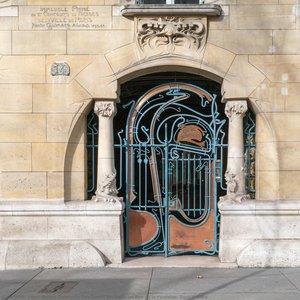
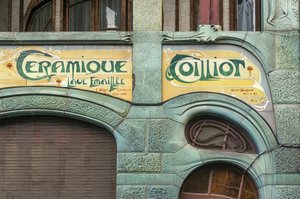
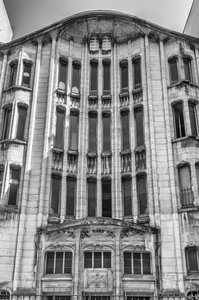
Guimard’s artistic journey began amidst the fervor of Impressionism and Japonisme, absorbing stylistic cues from these movements that would ultimately coalesce into his distinctive vision. However, it was Castel Béranger—the inaugural apartment building in Paris—that cemented his reputation as a pioneer of Art Nouveau. Selected from a competitive design brief in 1899, Guimard’s audacious proposal captivated judges with its innovative use of ironwork and glass, establishing it as the first true exemplar of this revolutionary style. The building's undulating façade, adorned with stylized floral motifs and intricate geometric patterns—a deliberate rejection of rigid classical forms—became a symbol of artistic aspiration and signaled a decisive break from traditional architectural conventions.
A Legacy Written in the Streets of Paris
Guimard’s fame ascended to unparalleled heights thanks to his involvement in the construction of Paris’s first underground railway stations. Between 1890 and 1930, he designed approximately fifty metro entrances and over one hundred and forty-one station halls—a monumental undertaking that profoundly impacted the city's visual landscape and cultural identity. These structures are instantly recognizable for their graceful arches crafted from cast iron, which seem to emerge from the earth like skeletal vines or exotic flora. Through these entrances, Guimard brought high art to the masses, turning a utilitarian transit system into an immersive gallery of organic modernism.
Beyond the grand scale of urban architecture, Guimard’s genius extended into the intimate realms of interior design and decorative arts. He believed that a cohesive aesthetic should permeate every aspect of life, from the structural bones of a building to the smallest household object. His work often featured:
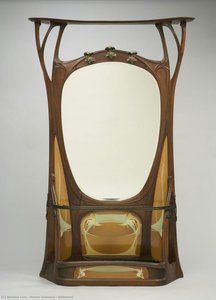
- Furniture Design: Pieces such as his Bench for a Smoking Parlour (1897) demonstrate how he applied the same sinuous, whip-lash curves found in his architecture to functional wooden forms, creating an atmosphere of luxurious, naturalistic elegance.
- Metalwork and Ironwork: His mastery over cast iron allowed him to manipulate hard, industrial materials into soft, fluid shapes that mimicked the growth patterns of plants.
- Integrated Ornamentation: In works like the entrance to Castel Béranger, he utilized elegant blue metal bars and intricate decorative elements to create a rhythmic, visual melody across the building's surface.
The Enduring Spirit of Art Nouveau
The historical significance of Hector Guimard lies in his ability to bridge the gap between the craftsmanship of the past and the industrial possibilities of the future. While his style was deeply rooted in the natural world, his use of mass-produced materials like iron and glass anticipated the functionalist movements that would follow. He did not merely decorate buildings; he breathed life into them, creating environments that felt as though they were breathing alongside their inhabitants.
Though the era of Art Nouveau eventually gave way to the more rigid geometries of Art Deco and Modernism, Guimard's influence remains etched into the very soul of Paris. His ability to transform the urban environment into a poetic landscape of iron and glass ensures that he is remembered not just as an architect, but as a visionary who taught the modern world how to find beauty in the organic flow of life.
Q&A
Hector Guimardの作品はどのくらい人気がありますか?
Hector Guimardの作品に関する統計情報を掲載した、統計情報ページが当サイトに用意されています。
Hector Guimardの出生地と誕生年はいつですか?
Hector Guimardは1867年にLyonで生まれました。
Hector Guimardは、どの時代に活動していましたか?
Hector Guimardは19th Centuryに活動していました。この時代背景は、その画家の活動を歴史の中に位置づけるものです。