თანხის დაბრუნების გარანტია · 100 დღე უფასო მიწოდება მთელ მსოფლიოში
646 446ნამუშევრები 53 409მხატვრები 5 406მუზეუმები 32ენები
Antonio de Puga პორტრეტი

Antonio de Puga-ის ნახატები: 12 ყველაზე ცნობილი, რეიტინგით

განახლდა ოქტომბერი 2026 · დალაგებულია ჩვენი პოპულარობის ქულების მიხედვით (ძიება, ნახვა და შეკვეთები თითოეული ნამუშწაროსთვის) · 14 ნამუშევარი Antonio de Puga ჩვენს კატალოგში

სწრაფი პასუხი

ყველაზე ცნობილი Antonio de Puga ნამუშევარია Man in Armour (1625); ორიგინალი იმყოფება ჩიკაგოს ხელოვნების ინსტიტუტი-ში, ჩიკაგო. Laughing Boy with Orange Blossom (1640) და The Soup Kitchen (1630) არის ორი და სამი. ჩვენს კატალოგში არსებული Antonio de Puga-ის 14 ნამუშწევრიდან, ეს არის 12 ყველაზე ცნობილი, დახარისხებული ნამუშწევრი, რომელთაგან თითოეულს ახლავს წელი და მუზეუმი, რათა შეძლოთ სასურველი სურათის შეკვეთა.

1602 – 1648, Ourense Baroque ყველაზე მეტი ნამشევრი: ერმიტაჟის მუზეუმი

Antonio de Puga-ის 10 საუკეთესო ნამთვარი, რეიტინგით

1
Man in Armour (1625) ავტორის: Antonio de Puga

Man in Armour

A young man occupies the center of the frame, his presence defined by the sharp geometry of a metallic gorget. He wears a doublet of textured, striped sleeves and a smooth torso, accented by a vertical row of dark ribbons. His pose is one of quiet confidence, one hand resting upon his hip while the other remains at his side. The light falls from the upper left, carving the contours…

ხელით ნაკletი ზეთისფერი რეპროდუქცია: $170 28 × 36 cm
შეუკვეთეთ ხელითכתული ასლი სამხატვრო ნაწერის შესახებ
2
Laughing Boy with Orange Blossom (1640) ავტორის: Antonio de Puga

Laughing Boy with Orange Blossom

In this 1640 portrait, we encounter a young man whose laughter feels startlingly immediate. He is captured in a medium close-up, his presence filling the space with a quiet, naturalistic energy. There is a profound sense of humanity in his expression, a spontaneous burst of joy that transcends the formal constraints often found in seventeenth-century portraiture. He holds an orange blossom, its white petals catching the light against the darker,…

ხელით ნაკletი ზეთისფერი რეპროდუქცია: $170 28 × 36 cm ორიგინალის ზომის $297 64 × 83 cm შეუკვეთეთ ორიგინალი ზომით →
შეუკვეთეთ ხელითכתული ასლი სამხატვრო ნაწერის შესახებ

Antonio de Puga-ის ნახატები, peringkatი 11-დან 12-მდე

Antonio de Puga-ის ნახატები თემატიკის მიხედვით

ამ რეიტინგში ყველაზე ხშირად წარმოდგენილი ოთხი თემა და თითოეული მათგანის საუკეთესო ნამუშწარო.

Saints 2 ნამუშევარი

მუზეუმები, სადაც Antonio de Puga-ის ორიგინალები ინახება

ამ გვერდზე წარმოდგენილი მხატვრობის შედეგების უმეტესობას 6 მუზეუმი ინახავს.

მუზეუმი ქალაქი Antonio de Puga შემოქმედებაలు ამ სიიდან მოპოვებული ნახატები
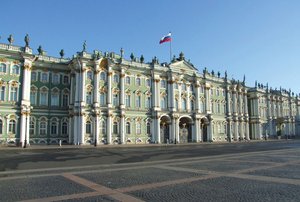
ერმიტაჟის მუზეუმი, სან-პეტერბურგიერმიტაჟის მუზეუმი სან-პეტერბურგი 2 Sharpener, Old man teaching a child to read
ჩიკაგოს ხელოვნების ინსტიტუტი, ჩიკაგოჩიკაგოს ხელოვნების ინსტიტუტი ჩიკაგო 1 Man in Armour
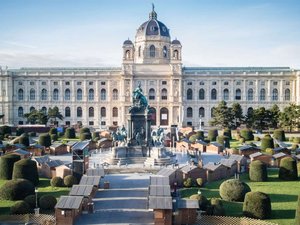
კუნსტისტორიშეს მუზეუმი, ვენაკუნსტისტორიშეს მუზეუმი ვენა 1 Laughing Boy with Orange Blossom
პონსეს ხელოვნების მუზეუმი, პონსეპონსეს ხელოვნების მუზეუმი პონსე 1 The Soup Kitchen
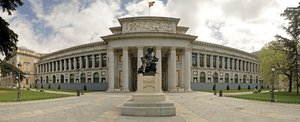
პრადოს მუზეუმი, მადრიდიპრადოს მუზეუმი მადრიდი 1 Old Woman Seated
გოიას მუზეუმი, კასტრგოიას მუზეუმი კასტრ 1 The oil merchant

Antonio de Puga ათწლეულების მიხედვით: თითოეული მათგანის საუკეთესო ნახატი

ნამუშევრები ათწლეულების მიხედვით

შეარჩიეთ ათწლეული, რომლოსაც წარმოგიდგენთ მის საუკეთესო ნაწერს.

Antonio de Puga-ის შემოქმედება: ხშირად დასმული კითხვები

რა არის Antonio de Puga-ის ყველაზე ცნობილი ნახატი?პასუხის ჩვენება

Man in Armour (1625), ჩიკაგოს ხელოვნების ინსტიტუტი, ჩიკაგო, პირველ ადგილს იკავებს, მას მოსდევს Laughing Boy with Orange Blossom (1640) და The Soup Kitchen (1630).

რამდენage იყო Antonio de Puga, როდესაც Man in Armour დაიწერა?პასუხის ჩვენება

Antonio de Puga იყო 23 წლის: Man in Armour დათარიღებულია 1625, ხოლო Antonio de Puga დაიბადა 1602-ში.

რომელია Antonio de Puga-ის 10 საუკეთესო ნამი?პასუხის ჩვენება

Man in Armour, Laughing Boy with Orange Blossom, The Soup Kitchen, The drinker or a peasant, Saint Jerome, Old Woman Seated, St Jerome, The oil merchant, A blind და Sharpener. თითოეული მათგანის წელი და მუზეუმი მოცემულია ზემოთ მოყვანილ რეიტინგში.

რამდენად ბევრი ნამუშწევრია Antonio de Puga-ის წარმოდგენილი?პასუხის ჩვენება

ჩვენს კატალოგშია 14 ნამუშგარები Antonio de Puga-ისგან, თარიღებით 1625-დან 1640-მდე.

სად ინახება Antonio de Puga-ის ორიგინალი ნამუშევრები?პასუხის ჩვენება

ძირითადად ერმიტაჟის მუზეუმი (სან-პეტერბურგი), ჩიკაგოს ხელოვნების ინსტიტუტი (ჩიკაგო) და კუნსტისტორიშეს მუზეუმი (ვენა)-ში. სრული სიის სანახავად იხილეთ ზემოთ მოცემული მუზეუმების ცხრილი.

რომელმა პერიოდმა შექმნა Antonio de Puga-ის ყველაზე ცნობილი სურათები?პასუხის ჩვენება

1640s-ში: აქ მოყვანილი 12 სურათებიდან 2 იმ პერიოდს მიეკუთვნება, მათ შორის Laughing Boy with Orange Blossom.

რომელია Antonio de Puga-ის ყველაზე ადრეული და ყველაზე გვიანდელი ცნობილი ნამუშევრები?პასუხის ჩვენება

ყველაზე ადრეული ამ გვერდზე: Man in Armour (1625). უახლესი: Laughing Boy with Orange Blossom (1640).

რა ტექნიკით არის შესრულებული Antonio de Puga-ის ორიგინალი ნამუშევრების უმეტესობა?პასუხის ჩვენება

Oil On Canvas, აქ მოცემული 12 სურათიდან 2 ცალიდან.

რომელ მიძღვნასთან არის დაკავშირებული Antonio de Puga?პასუხის ჩვენება

Baroque, ამ გვერდზე წარმოდგენილი სურათების მიხედვით.

რომელი Antonio de Puga-ის ორიგინალები იმყოფება ერმიტაჟის მუზეუმი-ში?პასუხის ჩვენება

ერმიტაჟის მუზეუმი, სან-პეტერბურგი-ში წარმოდგენილია აქ მოყვანილი 2 სურათი, მათ შორის Sharpener და Old man teaching a child to read.

შემიძლია შევუკვეთო Antonio de Puga-ის რეპროდუქცია?პასუხის ჩვენება

დიახ. ამ გვერდზე წარმოდგენილი ყველა სურათის შეკვეთა შესაძლებელია, როგორც তৈলში შესრულებული ხელნაკეთი რეპროდუქციის, ისე ბეჭდვის სახით. გახსენით სურათი, აირჩიეთ ზომა და გააფორმეთ შეკვეთა.

მხატვრის შესახებ: Antonio de Puga

The Resilient Voice of Galician Baroque

Antonio de Puga (1602 – 1648) stands as a singular figure in Spanish Baroque art, largely obscured by the shadow of his contemporaries yet possessing a distinctive artistic voice that resonates with remarkable detail and psychological insight. Born in Orense, Galicia, he emerged from a region historically underserved by artistic patronage, marking him as an exceptional talent whose career defied conventional expectations. While many artists of his era sought fame through established academies, Puga’s journey was one of grit and profound intellectual curiosity, carving out a space for himself within the most prestigious circles of the Spanish Court.

The early years of Puga's life remain shrouded in much of the mystery that often surrounds masters of the seventeenth century. However, through the meticulous scholarship of Maria Luisa Caturla, we have begun to piece together a clearer portrait of his formative period. His lineage was humble—the son of a local tailor—yet his ambitions were nothing short of royal. Documents from 1635 reveal that he worked under the direction of the esteemed Eugenio Caxés, contributing to the grand decoration of the Hall of Realms in the Buen Retiro Palace. This early engagement with such monumental projects suggests that Puga was not merely a provincial painter but a vital participant in the most significant artistic endeavors of the Spanish Golden Age.

A Mastery of Narrative and Nobility

Puga’s artistic output is characterized by a profound ability to blend dramatic historical narrative with the dignified stillness of portraiture. His oeuvre frequently focused on the powerful figures of his time, including the Counts of Lemos and the Duke of Aricoste, for whom he executed numerous commissions that captured both their social stature and their individual humanity. There is a palpable tension in his work, a hallmark of the Baroque style, where light and shadow dance across the canvas to evoke a sense of movement and psychological depth.

Beyond the faces of the nobility, Puga demonstrated a remarkable command over landscape and complex historical compositions. His involvement in the decoration of the Buen Retiro Palace allowed him to experiment with large-scale storytelling. Some historians even attribute the landscape elements within significant works, such as the Recovery of Puerto Rico by D. Juan de Haro currently held in the Museo del Prado, to his skilled hand. This ability to integrate human drama with sweeping, atmospheric environments showcases a versatility that few of his peers could replicate.

His technical repertoire was further enriched by an immense personal collection of art and knowledge:

  • Intellectual Depth: Puga possessed a library of over sixteen hundred engravings, which served as a vital source of inspiration and technical study.
  • Workshop Tradition: He maintained his own workshop, leaving behind a legacy of trained officials such as Pedro Gómez and Bartolomé González.
  • Artistic Versatility: His skill extended from equestrian portraits to delicate landscapes, often praised by contemporary diplomats for their precision.

Legacy and the Shadows of History

Despite his undeniable talent, Puga’s life was marked by the financial vulnerabilities common to many artists of the period. A 1643 document revealing a debt owed to the Marquis of Viana serves as a poignant reminder of the precarious nature of artistic patronage. Yet, even in moments of hardship, his dedication to the craft remained unyielding. His death in 1648 marked the end of a brilliant, if somewhat turbulent, career that bridged the gap between the provincial traditions of Galicia and the sophisticated splendor of Madrid.

Today, Antonio de Puga is remembered not just as an assistant to greater masters, but as a foundational figure for Galician art. He proved that brilliance could emerge from the periphery, bringing a unique perspective to the Spanish Baroque. His works continue to captivate modern audiences, offering a window into a world of courtly elegance, historical triumph, and the enduring power of the painted image.