


 წინასწარი ნახვა
 გაგზავნა
 გაზიარება
 დეტალები
 გზამკვლევი

 ჩამოტვირთვა
 მსგავსები
 რენტგენოგრაფიული კვლევა
 სლაიდშოუ
 კითხვა-პასუხი
 სტატისტიკა
ბრძანებები


 გააგრძელეთ კითხვა
მიიღეთ ბეჭდვისთვის გამზადებული ფაილი, რომლის ხარისხიც ბევრად აღემატება ვებ-პრევიუსს. ჩვენს ბაზაში არსებული ყველა ციფრული გამოსახულება ეყრდნობა მაღალი რეზოლუციის ორიგინალს — როგორც წესი, 5,000-დან 15,000 პიქსელამდე სიგანის — რაც საშუალებას გაძლევთ, თავდაჯერებულად დაამბოროთ დიდი ზომის ბეჭდვა, მოახდინოთ ფრაგმენტის მჭიდროდ გამოჭრა ან აღადგინოთ ნატიფი დეტალები.
ჩვენს სტუდიაში არცერთი ფაილი შეუმჩნევლად არ რჩება. ციფრული ექსპერტი ადარებს ფერებს ორიგინალ ნახატს და საჭიროების შემთხვევაში ასწორებს მათ, შემდეგ კი პროფესიონალური რეტუშირების ინსტრუმენტებით აუმჯობესებს სიცხადესა და დეტალიზაციას — ყოველთვის ოსტატის ფუნჯის მონაკვეთებისა და სტილის ერთგულებით. შედეგი არის გამოსახულება, რომელიც ნამდვილ ნახატს ჰგავს და არა ფილტრებულ სკანირებას.
თქვენ აკონტროლებთ პროცესს მის დასრულებამდე: ჩვენი ექსპერტი 72 საათის განმავლობაში გამოგიგზავნით გამოსახულებას ელექტრონული ფოსტით გადასასინჯად. არ დაკმაყოფილებული? მოითხოვეთ ცვლილებები ან შესწორებები, ან მოითხოვეთ თანხის დაბრუნება, თუ ხარისხი თქვენს მოლოდინს ვერ შეესაბამება.
ეს არის ხარისხი, რომელსაც ენდობიან გამომცემლობები, დიზაინ სტუდიები, გალერეები და அச்சგამოცემები.
ციფრული გამოსახულება
ჩამოტვირთეთ მაღალი გარჩევადობის ფაილი პირადი გამოყენებისთვის, დასაბეჭდად და შემოქმედებითი პროექტებისთვის. ( ბეჭდვის რეჟიმზე გადართვა შეიძინეთ ხელით შესრულებული ნახატი)
ყოველ ციფრულ გამოსახულების შეკვეთაში შედის
ექსპერტული ციფრული მიწოდების გარანტია
როდესაც ირჩევთ AllPaintingsStore.com-ს, თქვენ მხოლოდ სურათს კი არ იღებთ, არამედ იღებთ პროფესიონალურად დამუშავებულ ციფრულ ნამუშევარს, რომელიც შექმნილია უზადო სიზუსტით და დაცულია კმაყოფილების გარანტიით. თქვენს შეკვეთას ავტომატურად მოჰყვება შემდეგი:

სწრაფი ელექტრონული მიწოდება
თქვენს მაღალი რეზოლუციის ციფრულ გამოსახულებას შეკვეთის დაწყებიდან 72 საათში ელექტრონული ფოსტით მიიღებთ — ის მზად იქნება დაუყოვნებლივი გამოყენებისთვის.

ხელოვნური ინტელექტით გაუმჯობესებული ციფრული გამოსახულება
თქვენი ხელოვნების ნიმუშები პროფესიონალურად არის ოპტიმიზებული მოწინავე AI ინსტრუმენტებისა და მექანიკური რედაქტირების მეშვეობით, რაც უზრუნველყოფს მაქსიმალურ დეტალიზაციას, სიცხადესა და ფერების სიზუსტეს.

ციფრული გამოსახულებების უფასო სამუდამო ხელახალი მიღება
ფაილი შემთხვევით წაიშალა ან დაკარგეთ? ნუបედავთ — ჩვენ მას ნებისმიერ დროს, უფასოდ ხელახლა გამოგეგზავნით.

იმპორტის გადასახადების გარეშე — ყოველთვის
ჭიდად ისიამოვნეთ თქვენი ნამუშევრით მყისიერად, საბაჟო გადასახადის, მოსაკრებლის ან მიწოდების ხარჯის გარეშე - ციფრული ჩამტვირთვისას ყოველთვის საგადასახადო თავისუფლებაა.

ფერების სიზუსტის გარანტია
პროფესიონალური ინსტრუმენტებისა და ფერების მართვის სისტემის გამოყენებით, ჩვენ უზრუნველყოფთ, რომ თქვენი ციფრული გამოსახულება მაქსიმალურად ზუსტად ასახავდეს ორიგინალურ ფერებს.

კმაყოფილების 100-დღიანი გარანტია
თუ თქვენ არ დაკმაყოფილებული ხართ თქვენი ციფრული გამოსახულებით, ჩვენ შევიტანთ მასში ცვლილებებს ან დაგიბრუნებთ 100% თანხას 100 დღის განმავლობაში — ყოველგვარი კითხვის დასმევის გარეშე.

100% თანხის დაბრუნების გარანტია
არ არის კმაყოფილი? მიიღეთ თანხის სრული დაბრუნება ციფრული ფაილის მიღებიდან 100 დღის განმავლობაში — ყოველგვარი დამატებითი კითხვების გარეშე.

ფასდაკლება დიდი რაოდენობით შეკვეთაზე
შეიძინეთ 3 გამოსახულება და მიიღეთ 10% ფასდაკლება - შეიძინეთ 5 და მიიღეთ 15% ფასდაკლება - შეიძინეთ 10+-ზე და მიიღეთ 20% ფასდაკლება. იდეალურია კრეატიული პროექტებისთვის, გალერეებისა და სააგენტოებისთვის.
A Village Chronicle: Pieter Bruegel's "The Peasant Wedding"
Pieter Bruegel the Elder’s “The Peasant Wedding,” painted around 1567-1568, is a monumental canvas offering an unparalleled glimpse into 16th-century rural life in the Netherlands. More than just a depiction of a festive occasion, it's a complex social commentary and a masterful display of Bruegel’s observational skills and narrative prowess.
Subject Matter & Composition
The painting portrays a boisterous wedding feast taking place within a rustic farmhouse. The scene is teeming with activity: guests are seated at long tables laden with food, musicians play lively tunes, and various individuals engage in conversations or amusements. Bruegel’s composition is remarkably intricate, filled with numerous figures and details that create a sense of bustling realism. The central focus is on the newly married couple, seated prominently at the head table, though their expressions are somewhat enigmatic. The overall impression is one of joyous celebration tempered by an underlying sense of social complexity.
Style & Technique
Bruegel’s style in “The Peasant Wedding” exemplifies his unique blend of Renaissance realism and Northern European detail. He employs a meticulous technique, rendering each figure and object with remarkable precision. His use of color is earthy and muted, reflecting the rustic setting and the clothing of the peasants. The painting's scale (approximately 117 cm x 162 cm) contributes to its immersive quality, drawing the viewer into the heart of the scene. Bruegel’s mastery lies in his ability to capture not just the physical appearance of his subjects but also their individual personalities and social roles.
Symbolism & Historical Context
Beyond its surface-level depiction of a wedding feast, “The Peasant Wedding” is rich in symbolism. Bruegel subtly critiques aspects of peasant society, highlighting both its joys and its flaws. The abundance of food suggests prosperity, but also potential gluttony. Certain figures appear to be engaged in questionable activities, hinting at moral ambiguities within the community. Historically, the painting reflects a period of social change in the Netherlands, as rural populations gained increasing economic importance. Bruegel’s work provides valuable insights into the lives and customs of ordinary people during this transformative era.
Emotional Impact & Legacy
“The Peasant Wedding” evokes a complex range of emotions in the viewer. It's simultaneously joyous, humorous, and thought-provoking. The painting’s enduring appeal lies in its ability to connect with audiences across centuries, offering a timeless portrait of human nature. Bruegel’s masterpiece remains one of the most celebrated works of Northern Renaissance art, influencing generations of artists and continuing to inspire awe and admiration.
კითხვები და პასუხები
რამდენად მკვეთრი კონტრასტი აქვს პიერ ბრუგელი დიდი-ის „ბრძანებები“-ს?
პიერ ბრუგელი დიდი-ის „ბრძანებები“-ის კონტრასტის დონე არის ბალანსირებული.
პიერ ბრუგელი დიდი-ის „ბრძანებები“-ის ფერები გაჯერებულია თუ მკრთალი?
„ბრძანებები“-ის პალიტრის ფერების გაჯერებულობა არის ნაზი ფერები.
რა განწყობასა და ემოციას გამოხატავს პიერ ბრუგელი დიდი-ის „ბრძანებები“?
პიერ ბრუგელი დიდი-ის „ბრძანებები“-ის დაფიქსირებული განწყობა არის ნოსტალგიური, ხოლო მისი ემოციური ტონი — დაფიქრებითი.
დაკავშირებული ნამუშევრები


მხატვრის ბიოგრაფია
The Life of Pieter Bruegel the Elder
The story of Pieter Bruegel the Elder begins in the shifting landscapes of the mid-sixteenth century. He was born in or near Breda, likely within the Duchy of Brabant, sometime between 1525 and 1530. This was a time of great movement and change, where the quiet rhythms of rural life met the growing complexity of the merchant cities. He was a man of many hands, working as a painter, draftsman, printmaker, and designer of prints. His talent allowed him to capture the world through many different mediums, from the delicate touch of a drawing to the bold lines of an engraving.
His life was marked by a restless curiosity that led him far from his beginnings. He did not merely observe the world from a distance; he sought to understand the very essence of human existence through his art. Whether he was sketching the rugged terrain of the Alps or documenting the boisterous energy of a village festival, his work remained deeply rooted in the reality of the people around him. He moved through the great centers of the era, eventually finding his way to the bustling streets of Antwerp and later to Brussels. His presence in these cities helped shape the visual language of the Dutch and Flemish Renaissance.
Though his time was cut short, his impact remained. He passed away on 9 September 1569, leaving behind a body of work that reflected both the humor and the hardship of his age. His ability to find meaning in the mundane ensured that his vision would endure long after he was gone. His life was a testament to the power of observation and the enduring nature of the human spirit.
Early Life and Artistic Training
The formative years of Pieter Bruegel the Elder unfolded amidst a landscape of profound religious upheaval and a flourishing merchant culture. Though the exact details of his childhood remain somewhat elusive, he was born in or near Breda, within the Duchy of Brabant. This was a time of great movement and shifting loyalties, where the steady pulse of trade met the turbulent currents of faith. Such an environment, filled with both the prosperity of the markets and the tension of spiritual change, would surely have shaped the keen eye he later brought to the human condition.
His path into the arts began around 1545 when he entered the workshop of Pieter Coecke van Aelst. As an apprentice to this respected Antwerp painter, Bruegel learned the technical rigors of oil painting and drawing. Van Aelst was a man of many talents, known for his artistry and his designs for tapestries, and his studio provided a crucible where traditional methods met the new humanist ideas of the era. For five years, Bruegel labored under his master, absorbing the discipline required to translate the complexities of life onto a wooden panel or a sheet of paper.
By the time he completed his apprenticeship around 1550, the young man had gained the skill necessary to claim his own place among the professionals. Between 1551 and 1552, he was admitted as a free master into the Guild of Saint Luke in Antwerp. This achievement granted him professional independence and established him as a recognized figure within the city's busy artistic community. He was no longer merely a student of the craft, but a master ready to face the world on his own terms.
Travels and the Italian Influence
After completing his apprenticeship, Bruegel set out to see the wider world, driven by a desire to observe the lands that had shaped the artistic spirit of the age. Between 1551 and 1553, he moved through France and the Swiss Alps, leaving the familiar sights of the North behind. These years were spent sketching the rugged contours of the mountains and immersing himself in the diverse cultures he encountered along the way. He was a man of observation, seeking to understand the rhythm of life in places far from his home.
His path eventually led him into the heart of Italy, where the influence of the Renaissance was most palpable. By 1552, he had reached Rome and even traveled as far south as Reggio Calabria. He returned to Rome by 1553, having absorbed the light and the compositions of the Italian masters. He did not simply mimic their style; instead, he filtered these new perspectives through his own northern sensibility. The dramatic peaks and valleys he encountered in the Alps left a lasting mark on his sense of space, influencing how he would later structure the vast landscapes of his own compositions.
Settling in Antwerp and Brussels
After his long wanderings through the landscapes of France and Italy, Bruegel returned to the bustling streets of Antwerp in 1555. This was a city of commerce and industry, a place where the pulse of trade dictated the rhythm of daily life. It was here that he sought to establish his professional standing, eventually gaining admission as a free master into the Guild of Saint Luke. This recognition was a significant milestone, marking his transition from a traveling student to a recognized professional within the competitive Antwerp art community. He became deeply associated with the publishing house of Hieronymus Cock, working closely with the printers to bring his designs to a wider audience through engravings.
The stability of Antwerp eventually gave way to a new chapter in 1563, when he moved to Brussels. This shift brought him closer to the seat of power and the court, perhaps reflecting the changing tides of his own ambitions or the shifting political climate of the Netherlands. He remained in Brussels for the final years of his life, continuing to observe the world with a keen, unblinking eye. He died there in 1569, leaving behind a body of work that had already begun to reshape how the common man was seen on canvas.
Technique and Artistic Style
Bruegel possessed a rare ability to find the monumental within the mundane. He was a pioneer who broke away from the tradition of treating landscapes and genre scenes as mere secondary backgrounds, instead presenting them as large-scale paintings that commanded the viewer's full attention. His brushwork was driven by a meticulous realism, a desire to capture the world exactly as it appeared to the eye. He did not merely observe; he interpreted the human condition through a lens of profound social commentary, often embedding subtle truths about the struggles and joys of the common people within his vast compositions. Through his work, the simple act of a peasant laboring in a field or a villager celebrating a festival took on a weight and significance previously reserved for the divine.
To achieve this sense of presence, he masterfully employed chiaroscuro, using the dramatic interplay of light and shadow to sculpt form and create a palpable sense of depth. This technique allowed him to build a world that felt three-dimensional and lived-in. In his more detailed studies, such as his engravings, he relied on precise hatching and cross-hatching to define the rugged textures of facial features and the heavy folds of clothing. This technical precision extended to his depictions of the most innocent of subjects. In his large-scale works, one might find a wide variety of games played by children, rendered with such clarity that the specific motions of their play become almost tangible. He captured the rhythmic chaos of a village square and the quiet stillness of a winter morning with equal skill, ensuring that every figure, no matter how small, contributed to the larger narrative of life.
Key Works and Masterpieces
His brush often sought the heavy truths of our existence. In The Triumph of Death, he offered a chilling vision of human mortality, where the end of life arrives with a sudden and grotesque certainty. He turned his gaze toward the earth and its people, finding a profound sense of life in the most common settings. In Peasant Wedding, he captured the boisterous energy of a rural celebration, portraying the customs of village life with a keen, unadorned eye. Even in his depictions of the spiritual, he remained grounded in the reality of the human condition, as seen in The Sermon of St John the Baptist, which he created in 1566.
Nature itself became a central character in his compositions. Hunters in the Snow remains a work celebrated for its atmospheric beauty, where the biting chill of a winter landscape is rendered with such clarity that one can almost feel the frost. He also possessed a grander, more ambitious scale of vision. The Tower of Babel stands as a monumental work, illustrating the heights of human ambition through its intricate and complex structure. He could also find a darker, more psychological edge to his observations, as seen in The Blind Leading the Blind, which is held in the Museo di Capodimonte in Naples.
- The Fight between Carnival and Lent
- Children's Games
- The Fall of the Rebel Angels
- The Massacre of the Innocents
- The Land of Cockayne
Legacy and Lasting Influence
The ripples of his vision reached far beyond the borders of the Low Countries, shaping the very foundations of the Dutch Golden Age. By turning his gaze toward the common man and the vastness of the natural world, he provided a blueprint for the generations of painters who followed. These later artists found in his work a way to depict the human condition without the heavy weight of classical myth or religious idealization. He taught them how to find the profound within the mundane, ensuring that the rhythms of rural life and the changing seasons would remain central to Northern European art for centuries.
His presence has endured through the ages, moving from the canvas into the modern imagination. His imagery has found a strange and striking new life in the medium of film, appearing in works such as Solaris (1972) and Melancholia (2011). This ability to haunt and inspire continues to draw modern audiences to his scenes, where the frost of a winter landscape or the chaos of a village festival still feels tangible. Even as centuries pass, the way he captured the struggle and joy of existence remains a powerful force for those who look upon his work.
Where to See the Works Today
To find the traces of his brush and the spirit of his observations, one must travel across the continent to several great repositories. In Vienna, the Kunsthistorisches Museum holds a vast assembly of his creations, preserving many of the scenes that once filled the halls of the powerful. It is there that his vision of the seasons and the social dances of the Flemish people remains most concentrated. The weight of his presence is felt heavily in these galleries, where his detailed compositions invite a slow, quiet study of the human condition.
Across the sea in New York, the Metropolitan Museum of Art keeps several of his paintings, allowing his northern sensibilities to meet a global audience. In Madrid, the Museo del Prado preserves his more somber and intense visions, including the haunting imagery of mortality. These works have survived the passage of centuries to remain accessible to those who seek the truth of his depictions. In Brussels, the Royal Museums of Fine Arts of Belgium house works that speak to the very heart of the region where he once walked and worked.
- The Fight between Carnival and Lent (1559)
- The Hunters in the Snow (1565)
- The Harvesters (1565)
- The Tower of Babel (1563)
- The Peasant Wedding (1568)
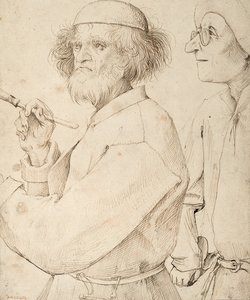
პიერ ბრუგელი დიდი
1525 - 1569 , ბელგია