


 წინასწარი ნახვა
 გაგზავნა
 გაზიარება
 დეტალები
 გზამკვლევი

 ჩამოტვირთვა
 მსგავსები
 რენტგენოგრაფიული კვლევა
 სლაიდშოუ
 სტატისტიკა
ფრანც შასელოუპ ლაუბატი


 გადასართად დაწვრილებით ნახეთ
ხელით ნაკვეთი ზეთის ტილოს რეპროდუქცია
ტილოზე შესრულებული ფერწერიანი ზეთប្រდათი, თქვენთვის სასურველი ზომისა და ჩარჩოსთვის, ჩვენი ხელოვანების მიერ შეკვეთის საფუძველზე დამზადებული. ( გადართვა ბეჭდზე გადასვლა ციფრულ გამოსახულებაზე)




P118B $10

P118H $10

P118W $10

P438Z $10

P508JH $12

P508YH $12

P805H $10

P805Z $10

P919BZ $10

P919G $10

P919XJ $10

P959ZH $10

P968JZ $12

W106C $8

W218G $10

W218JH $8

W218Y $10

W307PJ $10

W316G $10

W316PJ $8

W316Y $10

W398PJ $8

W4111J $10

W500HY $15

W500JH $15

W692G $12

W849H $8

W940BG $15

W953PJ $8




აირჩიეთ ჩვენს მიერ წინასწარ განსაზღვრული ზომებიდან, რომლებიც ნაწარმოების ორიგინალურ პროპორციებს შეესაბამება.

თქვენ შეგიძლიათ მიუთითოთ თქვენთვის სასურველი ზომები კონკრეტული ჩარჩოს ან სივრცის შესაბამისად. თუ თქვენ მიერ არჩეული ზომა არ შეესაბამება ორიგინალი გამოსახულების პროპორციებს, ჩვენ ან შევაჭრებთ ნაწარმოებს, ან ტილოზე დავამატებთ ხელით მოხატულ ელემენტებს. წარმოების დაწყებამდე, დამტკიცებისთვის გამოგეგზავნებათ ციფრული მაკეტი.
გთხოვთ, გაითვალისწინოთ, რომ ეკრანზე ნაჩვენები წინასწარი შეხედულება არ ასახავს რეალურ შეჭრას ან გაფართოებას. საბოლოო კომპოზიციას ზუსტად მხოლოდ მაკეტი წარმოაჩენს.
მიუხედავად იმისა, რომ შესაძლებელია ინდივიდუალური ზომების შერჩევა, ორიგინალური პროპორციების შენარჩუნებისათვის გირჩევთ, გამოიყენოთ წინასწარ განსაზღვრული სიის ზომები.
შეკვეთის შემდეგ, AllPaintingsStore.com გუნდი დაგიკავშირდებათ ელექტრონული ფოსტით ინსტრუქციებისთვის და გამოგიგზავნით წინასწარ ნახაზს (mockup).
მიწოდება მსოფლიო მასშტაბით -ში 3/4 კვირაში, სტანდარტული 5 კვირის ნაცვლად. (21 სექტემბერი). ხარისხზე კომპრომისის გაკეთება არ მოხდება.

უფასო ექსპრეს მიწოდება მთელ მსოფლიოში

საბამად მაღალი ხარისხის ტილო

სრული ტრანსპორტირების დაზღვევა

საბაჟო გადასახადების დაბრუნების გარანტია

ფერების სრული შესაბამისობის გარანტია

დაბრუნების 100-დღიანი პოლიტიკა (მხოლოდ დეფექტის შემთხვევაში)

100% თანხის დაბრუნების გარანტია

ფასდაკლება დიდი რაოდენობით შეკვეთისას
 მინის ჩარჩოს არჩევანი ხელმისაწვდომია მხოლოდ 110 სმ-ზე ნაკლები ზომისთვის

ფრანც შასელოუპ ლაუბატი
რეკლამაციის ტექნიკა
რეკლამაციის ზომა
-


საბოლოო ფასი
$ 258
Франკო ს შელოუპ ლა ბ ა ტ და გე ორ გ ს რ ო უ გ ე ต: ნ ე ო კ ლ ა ს მ ი კ დ ო ს ტ ო ს ტ ო ს ტ ო ს ტ ო ს ტ ო ს ტ ო ს ტ ო ს ტ ო ს ტ ო ს ტ ო ს ტ ო ს ტ ო ს ტ ო ს ტ ო ს ტ ო ს ტ ო ს ტ ო ს ტ ო ს ტ ო ს ტ ო ს ტ ო ს ტ ო ს ტ ო ს ტ ო ს ტ ო ს ტ ო ს ტ ო ს ტ ო ს ტ ო ს ტ ო ს ტ ო ს ტ ო ს ტ ო ს ტ ო ს ტ ო ს ტ ო ს ტ ო ს ტ ო ს ტ ო ს ტ ო ს ტ ო ს ტ ო ს ტ ო ს ტ ო ს ტ ო ს ტ ო ს ტ ო ს ტ ო ს ტ ო ს ტ ო ს ტ ო ს ტ ო ს ტ ო ს ტ ო ს ტ ო ს ტ ო ს ტ ო ს ტ ო ს ტ ო ს ტ ო ს ტ ო ს ტ ო ს ტ ო ს ტ ო ს ტ ო ს ტ ო ს ტ ო ს ტ ო ს ტ ო ს ტ ო ს ტ ო ს ტ ო ს ტ ო ს ტ ო ს ტ ო ს ტ ო ს ტ ო ს ტ ო ს ტ ო ს ტ ო ს ტ ო ს ტ ო ს ტ ო ს ტ ო ს ტ ო ს ტ ო ს ტ ო ს ტ ო ს ტ ო ს ტ ო ს ტ ო ს ტ ო ს ტ ო ს ტ ო ს ტ ო ს ტ ო ს ტ ო ს ტ ო ს ტ ო ს ტ ო ს ტ ო ს ტ ო ს ტ ო ს ტ ო ს ტ ო ს ტ ო ს ტ ო ს ტ ო ს ტ ო ს ტ ო ს ტ ო ს ტ ო ს ტ ო ს ტ ო ს ტ ო ს ტ ო ს ტ ო ს ტ ო ს ტ ო ს ტ ო ს ტ ო ს ტ ო ს ტ ო ს ტ ო ს ტ ო ს ტ ო ს ტ ო ს ტ ო ს ტ ო ს ტ ო ს ტ ო ს ტ ო ს ტ ო ს ტ ო ს ტ ო ს ტ ო ს ტ ო ს ტ ო ს ტ ო ს ტ ო ს ტ ო ს ტ ო ს ტ ო ს ტ ო ს ტ ო ს ტ ო ს ტ ო ს ტ ო ს ტ ო ს ტ ო ს ტ ო ს ტ ო ს ტ ო ს ტ ო ს ტ ო ს ტ ო ს ტ ო ს ტ ო ს ტ ო ს ტ ო ს ტ ო ს ტ ო ს ტ ო ს ტ ო ს ტ ო ს ტ ო ს ტ ო ს ტ ო ს ტ ო ს ტ ო ს ტ ო ს ტ ო ს ტ ო ს ტ ო ს ტ ო ს ტ ო ს ტ ო ს ტ ო ს ტ ო ს ტ ო ს ტ ო ს ტ ო ს ტ ო ს ტ ო ს ტ ო ს ტ ო ს ტ ო ს ტ ო ს ტ ო ს ტ ო ს ტ ო ს ტ ო ს ტ ო ს ტ ო ს ტ ო ს ტ ო ს ტ ო ს ტ ო ს ტ ო ს ტ ო ს ტ ო ს ტ ო ს ტ ო ს ტ ო ს ტ ო ს ტ ო ს ტ ო ს ტ ო ს ტ ო ს ტ ო ს ტ ო ს ტ ო ს ტ ო ს ტ ო ს ტ ო ს ტ ო ს ტ ო ს ტ ო ს ტ ო ს ტ ო ს ტ ო ს ტ ო ს ტ ო ს ტ ო ს ტ ო ს ტ ო ს ტ ო ს ტ ო ს ტ ო ს ტ ო ს ტ ო ს ტ ო ს ტ ო ს ტ ო ს ტ ო ს ტ ო ს ტ ო ს ტ ო ს ტ ო ს ტ ო ს ტ ო ს ტ ო ს ტ ო ს ტ ო ს ტ ო ს ტ ო ს ტ ო ს ტ ო ს ტ ო ს ტ ო ს ტ ო ს ტ ო ს ტ ო ს ტ ო ს ტ ო ს ტ ო ს ტ ო ს ტ ო ს ტ ო ს ტ ო ს ტ ო ს ტ ო ს ტ ო ს ტ ო ს ტ ო ს ტ ო ს ტ ო ს ტ ო ს ტ ო ს ტ ო ს ტ ო ს ტ ო ს ტ ო ს ტ ო ს ტ ო ს ტ ო ს ტ ო ს ტ ო ს ტ ო ს ტ ო ს ტ ო ს ტ ო ს ტ ო ს ტ ო ს ტ ო ს ტ ო ს ტ ო ს ტ ო ს ტ ო ს ტ ო ს ტ ო ს ტ ო ს ტ ო ს ტ ო ს ტ ო ს ტ ო ს ტ ო ს ტ ო ს ტ ო ს ტ ო ს ტ ო ს ტ ო ს ტ ო ს ტ ო ს ტ ო ს ტ ო ს ტ ო ს ტ ო ს ტ ო ს ტ ო ს ტ ო ს ტ ო ს ტ ო ს ტ ო ს ტ ო ს ტ ო ს ტ ო ს ტ ო ს ტ ო ს ტ ო ს ტ ო ს ტ ო ს ტ ო ს ტ ო ს ტ ო ს ტ ო ს ტ ო ს ტ ო ს ტ ო ს ტ ო ს ტ ო ს ტ ო ს ტ ო ს ტ ო ს ტ ო ს ტ ო ს ტ ო ს ტ ო ს ტ ო ს ტ ო ს ტ ო ს ტ ო ს ტ ო ს ტ ო ს ტ ო ს ტ ო ს ტ ო ს ტ ო ს ტ ო ს ტ ო ს ტ ო ს ტ ო ს ტ ო ს ტ ო ს ტ ო ს ტ ო ს ტ ო ს ტ ო ს ტ ო ს ტ ო ს ტ ო ს ტ ო ს ტ ო ს ტ ო ს ტ ო ს ტ ო ს ტ ო ს ტ ო ს ტ ო ს ტ ო ს ტ ო ს ტ ო ს ტ ო ს ტ ო ს ტ ო ს ტ ო ს ტ ო ს ტ ო ს ტ ო ს ტ ო ს ტ ო ს ტ ო ს ტ ო ს ტ ო ს ტ ო ს ტ ო ს ტ ო ს ტ ო ს ტ ო ს ტ ო ს ტ ო ს ტ ო ს ტ ო ს ტ ო ს ტ ო ს ტ ო ს ტ ო ს ტ ო ს ტ ო ს ტ ო ს ტ ო ს ტ ო ს ტ ო ს ტ ო ს ტ ო ს ტ ო ს ტ ო ს ტ ო ს ტ ო ს ტ ო ს ტ ო ს ტ ო ს ტ ო ს ტ ო ს ტ ო ს ტ ო ს ტ ო ს ტ ო ს ტ ო ს ტ ო ს ტ ო ს ტ ო ს ტ ო ს ტ ო ს ტ ო ს ტ ო ს ტ ო ს ტ ო ს ტ ო ს ტ ო ს ტ ო ს ტ ო ს ტ ო ს ტ ო ს ტ ო ს ტ ო ს ტ ო ს ტ ო ს ტ ო ს ტ ო ს ტ ო ს ტ ო ს ტ ო ს ტ ო ს ტ ო ს ტ ო ს ტ ო ს ტ ო ს ტ ო ს ტ ო ს ტ ო ს ტ ო ს ტ ო ს ტ ო ს ტ ო ს ტ ო ს ტ ო ს ტ ო ს ტ ო ს ტ ო ს ტ ო ს ტ ო ს ტ ო ს ტ ო ს ტ ო ს ტ ო ს ტ ო ს ტ ო ს ტ ო ს ტ ო ს ტ ო ს ტ ო ს ტ ო ს ტ ო ს ტ ო ს ტ ო ს ტ ო ს ტ ო ს ტ ო ს ტ ო ს ტ ო ს ტ ო ს ტ ო ს ტ ო ს ტ ო ს ტ ო ს ტ ო ს ტ ო ს ტ ო ს ტ ო ს ტ ო ს ტ ო ს ტ ო ს ტ ო ს ტ ო ს ტ ო ს ტ ო ს ტ ო ს ტ ო ს ტ ო ს ტ ო ს ტ ო ს ტ ო ს ტ ო ს ტ ო ს ტ ო ს ტ ო ს ტ ო ს ტ ო ს ტ ო ს ტ ო ს ტ ო ს ტ ო ს ტ ო ს ტ ო ს ტ ო ს ტ ო ს ტ ო ს ტ ო ს ტ ო ს ტ ო ს ტ ო ს ტ ო ს ტ ო ს ტ ო ს ტ ო ს ტ ო ს ტ ო ს ტ ო ს ტ ო ს ტ ო ს ტ ო ს ტ ო ს ტ ო ს ტ ო ს ტ ო ს ტ ო ს ტ ო ს ტ ო ს ტ ო ს ტ ო ს ტ ო ს ტ ო ს ტ ო ს ტ ო ს ტ ო ს ტ ო ს ტ ო ს ტ ო ს ტ ო ს ტ ო ს ტ ო ს ტ ო ს ტ ო ს ტ ო ს ტ ო ს ტ ო ს ტ ო ს ტ ო ს ტ ო ს ტ ო ს ტ ო ს ტ ო ს ტ ო ს ტ ო ს ტ ო ს ტ ო ს ტ ო ს ტ ო ს ტ ო ს ტ ო ს ტ ო ს ტ ო ს ტ ო ს ტ ო ს ტ ო ს ტ ო ს ტ ო ს ტ ო ს ტ ო ს ტ ო ს ტ ო ს ტ ო ს ტ ო ს ტ ო ს ტ ო ს ტ ო ს ტ ო ს ტ ო ს ტ ო ს ტ ო ს ტ ო ს ტ ო ს ტ ო ს ტ ო ს ტ ო ს ტ ო ს ტ ო ს ტ ო ს ტ ო ს ტ ო ს ტ ო ს ტ ო ს ტ ო ს ტ ო ს ტ ო ს ტ ო ს ტ ო ს ტ ო ს ტ ო ს ტ ო ს ტ ო ს ტ ო ს ტ ო ს ტ ო ს ტ ო ს ტ ო ს ტ ო ს ტ ო ს ტ ო ს ტ ო ს ტ ო ს ტ ო ს ტ ო ს ტ ო ს ტ ო ს ტ ო ს ტ ო ს ტ ო ს ტ ო ს ტ ო ს ტ ო ს ტ ო ს ტ ო ს ტ ო ს ტ ო ს ტ ო ს ტ ო ს ტ ო ს ტ ო ს ტ ო ს ტ ო ს
დაკავშირებული ნამუშევრები


მხატვრის ბიოგრაფია
The Apprentice of Grandeur
Born into the burgeoning energy of late 18th-century Paris, Marie-Georges Louis Rouget was destined to become a silent architect of visual history. His journey began within the prestigious halls of the École des Beaux-Arts, where he first learned the rigors of classical form under masters such as Jean-Victor Carrier Sabre and Alexandre François Bouchardy. Yet, it was his entry into the legendary atelier of Jacques-Louis David in 1797 that would irrevocably alter the course of his life and art. In this crucible of Neoclassicism, Rouget did not merely learn to paint; he learned to breathe the very spirit of an era. As David’s most trusted assistant, he became a vital conduit for the master's revolutionary vision, absorbing a technique defined by dramatic lighting, idealized anatomy, and a profound commitment to heroic narrative. This formative period instilled in him an unwavering dedication to portraying monumental historical events with a sense of scale and conviction that would define his entire career.A Canvas of Empire
As Napoleon Bonaparte ascended the throne, Rouget’s brush became an instrument of imperial grandeur and historical record. His career was inextricably woven into the fabric of the First Empire, earning him the evocative reputation as the painter of Napoleon. This was not a role of mere imitation, but one of profound creative symbiosis between student and master. Working alongside David, Rouget contributed to some of the most iconic imagery of the age, including meticulously crafted interpretations of Bonaparte at the Grand Saint Bernard and the monumental The Coronation of Napoleon. His work captured the tension between the weight of history and the soaring ambition of a single man, utilizing a palette of deep blues, regal reds, and earthen tones to evoke a sense of permanence and power. Through his hands, the fleeting triumphs of the battlefield and the political maneuvers of the court were transformed into eternal monuments of oil and canvas, much of which eventually adorned the hallowed halls of Versailles.The Legacy of Neoclassical Precision
Beyond the sweeping historical panoramas, Rouget found his greatest expression in the intimate dignity of portraiture. His ability to capture the essence of the era's leading figures—from military commanders like François Chasseloup Laubat to the quiet authority of the French elite—demonstrated a mastery of Neoclassical realism. In these works, one finds an exquisite attention to texture and light; the subtle sheen of gold embroidery, the heavy drape of a uniform, and the soft, diffused glow that sculpts a subject's features are all rendered with breathtaking precision. While he may not have shared the singular, household fame of David or Ingres, Rouget’s presence in the annals of French art is undeniable. His legacy remains a testament to an age where art served as the ultimate mirror to human ambition, leaving behind a visual lexicon of strength, formality, and grace that continues to resonate with the spirit of the Napoleonic era.
Georges Rouget
1783 - 1869
მოკლე ინფორმაცია
- Artistic Movement Or Style: Neoclassical
- Artists Or Movements Influenced By This Artist: Versailles
- Artists Who Influenced This Artist: David
- Date Of Birth: August 26, 1783
- Date Of Death: April 9, 1869
- Full Name: Georges Rouget
- Nationality: French
- Notable Artworks:
- Marriage of Napoleon and Marie Louise
- Cupid pleading Venus to forgive Psyche
- Leonidas at Thermopylae
- Place Of Birth: Paris, France
დაკავშირებული სტატიები

Jacques-Louis David: Neoclassical Ideals & Revolutionary Witness
Explore the life & art of Jacques-Louis David, leading Neoclassical painter of the French Revolution. Discover iconic works like 'The Death of Marat' and his lasting impact on art history. Expert analysis & high-quality reproductions at AllPaintingsStore.

ჟორჟ პიერ სეურას 25 საუკეთესო შედევრი: ფერების სიმფონია თქვენს სახლში | AllPaintingsStore.com
გაიცანით ჟორჟ სეურას 25 საუკეთესო შედევრი! პუანტილიზმის გენიოსი, იმპრესიონიზმის ფერები და XIX საუკუნის ხელოვნების სიმდიდრე. შეიძინეთ უმაღლესი ხარისხის რეკრეაციები AllPaintingsStore.com-ზე და შექმნით თქვენი სახლისთვის განსაკუთრებული ინტერიერი. აღმოაჩინეთ სეურას მთელი კოლექცია ონლაინ!
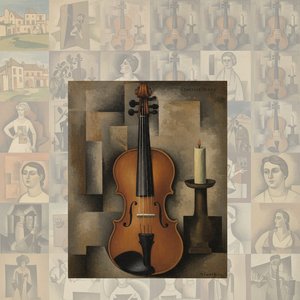
ჟორჟ ბრაკის 25 შედევრი: ხელოვნების ისტორიაში გამორჩეული ნაწარმოებები | AllPaintingsStore.com
გაიცანით ჟორჟ ბრაკის 25 გამორჩეული შედევრი! კუბიზმის ისტორია, ფერწერის სტილი და ხელოვნების უნიკალური სამყარო AllPaintingsStore.com-ზე. ნახატების რეპროდუქციები თქვენი სახლისთვის - ექსკლუზიური დეკორი და ინტერიერის იდეები. აღმოაჩინეთ მთელი კოლექცია ონლაინ!

Beyond the Fabric: Decoding Identity, Authority, and Symbolism in the Art of Military Uniforms
Explore the profound symbolism of military uniforms in art history. From Victorian portraits to realistic lithographs, discover how artists capture power, identity, and historical legacy through the intricate details of martial regalia and command.

Saint George in Art: A Scholarly Exploration of Iconic Masterpieces and Eternal Legends
Delve into the profound legacy of Saint George through art history. Explore iconic masterpieces by Raphael and Dürer, decoding the iconography of the dragon legend. Discover scholarly insights and bring these timeless tales to life with our museum-quality, hand-painted oil reproductions.


