თანხის დაბრუნების გარანტია · 100 დღე უფასო მიწოდება მთელ მსოფლიოში
646 446ნამუშევრები 53 409მხატვრები 5 406მუზეუმები 32ენები
Portrait of ედვარდ მუნკი

The 100 Most Famous ედვარდ მუნკი Paintings to Choose From

Updated ოქტომბერი 2026 · ranked by our popularity score (searches, visits and orders for each work) · 2 121 works by ედვარდ მუნკი in our catalogue

Quick answer

Number one among ედვარდ მუნკი's paintings is მეძვრეტავი (1893), whose original is at the Nasjonalgalleriet, ოსლო. In second and third place: ვამპირის ეროვნული გალერეა ოსლო and სქესობრივი მომწიფება (1914). Our catalogue holds 2,121 works by ედვარდ მუნკი. The 100 listed here are the most famous, in rank order, with the year and museum of each original.

1863 – 1944, ადელსბრუკ Ექსპრესიონიზმი Most works: მუნჩის მუზეუმი

The top 10: ედვარდ მუნკი's most famous paintings

1
მეძვრეტავი (1893) by ედვარდ მუნკი

მეძვრეტავი

1893 · ზეთი ტილოზე · Nasjonalgalleriet, ოსლო

ნორვეგიელი მხატვრის, ედვარდ მუნკის შედევრი, "სრული ტირილი", 1893 წელს შეიქმნა და დღემდე რჩება ერთ-ერთ ყველაზე ცნობილ და გავლენიან გამოსახულებას ხელოვნებაში. ეს ნაწარმოები 단순ად სცენის აღწერა არ არის; ესაა ადამიანური მდგომარეობის პირდაპირი, მკაცრი გამოხატვა – არსებობრივი შიშის, განქიცხვის და მარტინის უმწვერვალესი გრძნობა, რომელიც დღესაც აგორებს რეზონანსს მსმენელებში. "სრული ტირილი" არ არის მხოლოდ ნახატი; ესაა ემოციის სიმფონია, რომელიც ქაღალდზეა გადატანილი.

2
ვამპირის ეროვნული გალერეა ოსლო by ედვარდ მუნკი

ვამპირის ეროვნული გალერეა ოსლო

ზეთი ტილოზე · მუნჩის მუზეუმი, ოსლო

A Haunting Embrace: Decoding Edvard Munch’s ‘Vampyren’ ‘Vampyren’ (The Vampire), შექმნილი ნორვეგიის გამოქ연재 Edvard Munch-მა, არის ღრუბნად მოხიებულ და ფსიქოლოგიურად დატვირთული ნ œuvres, რომელიც გამჟღავრულებს Символизма განვითარებას ბოლო საუკუნეში. ეს ინтимური გამოსახულება ორი ადამიანის, რომლებიც შეიმკო ერთმანეთს, გადააჭარცლება მარტივს გადმოგთხოვნას, აკავშირებს სიყვარულს, შემოქმედებას და ადამიანური ურთიერთობების მﻈﻠურ მხარეებს. Предметი და სტრუქტურა ნ œuvres წარმოставляет ახლოსมองვის ხედვას ორი ადამიანის, რომლებიც შეიმკო ერთმანეთს nhiệt tìnhით და შემადარ თბილად. სტრუქტურა მართველობს მათი შეიმკის…

3
სქესობრივი მომწიფება (1914) by ედვარდ მუნკი

სქესობრივი მომწიფება

1914 · ზეთი ტილოზე · მუნჩის მუზეუმი, ოსლო

The Threshold of Change A young girl sits on the edge of a bed, her body positioned frontally against the horizontal plane of the mattress. Her limbs are crossed, and she uses her arms to shield her crotch, an instinctive gesture of modesty and vulnerability. The figure is rendered in soft, pale tones that contrast with a fragmented, mosaic-like background. To the left, a pillow rests near her; to the…

4
შფოთვა 2 (1894) by ედვარდ მუნკი

შფოთვა 2

1894 · ზეთი ტილოზე · მუნჩის მუზეუმი, ოსლო

Introduction to the Artist and Painting Edvard Munch was a Norwegian painter, and his work Anxiety 2, created in 1894, is a quintessential example of Expressionism. This style of art emphasizes the subjective emotional experience of the artist, often using distorted or exaggerated forms to convey intense emotions. Anxiety 2 is part of Munch's oeuvre that explores themes of anxiety, fear, and the human condition. Image Information and Style The…

5
the kiss (1897) by ედვარდ მუნკი

the kiss

1897 · Acrylic On Canvas · მუნჩის მუზეუმი, ოსლო

Edvard Munch’s “The Kiss” (1897) isn't merely a depiction of romantic embrace; it’s a profound exploration of isolation, vulnerability, and the unsettling undercurrents of human connection. Painted during a period of intense personal turmoil for the artist – marked by illness, loss, and a pervasive sense of dread – the work transcends simple representation to become a visceral embodiment of Munch's psychological landscape. The scene unfolds within a deliberately ambiguous…

6
dzīves ცეკვა (1899) by ედვარდ მუნკი

dzīves ცეკვა

1899 · ზეთი ტილოზე · Nasjonalgalleriet, ოსლო

ედვარდ მუნკის „სიცოცხლის ცეკვა“ (1899) არის მომხიბვლელი ექსპრესიონისტული შედევრი, რომელიც მაყურებელს მკვეთრი ფერების, დინამიკური მოძრაობისა და ღრმა ემოციური სიღრმის სამყაროში ეპატიჟებს. ეს საკულტო ნამუშევარი, რომელიც მუნკის სახელovდებული „სიცოცხლის ფრიზის> სერიის ნაწილია, ცოცხალი სოციალური შეკრების მეშვეობით იკვლევს ადამიანური ურთიერთობების სირთულეებსა და დროის წარსადგინ ვითარებას.

7
Night street Karl Johan 03 (1892) by ედვარდ მუნკი

Night street Karl Johan 03

1892 · Acrylic On Canvas · Bergen Kunstmuseum, ბერგენი

Introduction Explore the depths of human emotion and urban life in Edvard Munch's captivating work, 'Night Street Karl Johan 03'. This masterpiece is a testament to Munch's unique style and his ability to evoke powerful feelings through art. Artist: Edvard Munch Edvard Munch (1863-1944) was a Norwegian painter and printmaker, known for his Expressionist style. His work often depicted intense emotions and personal experiences, reflecting the inner turmoil of modern…

8
მელანქოლია (1894) by ედვარდ მუნკი

მელანქოლია

1894 · ზეთი ტილოზე · Nasjonalgalleriet, ოსლო

მელანქოლია – Edvard Munch-ის ძვირფას ნაწილი მელანქოლია არის Edvard Munch მიერ შექმნილი და შესრულებული 1894 წელს ნორვეგიელი მხატვლის ძვირფასი ნაწილი და ერთერთი ყველაზე მნიშვნელოვანი ნამუშევარი ფინ დე სიეჩლე პერიოდში და გამოხატვისისტური მიმდொლეობის კორონდ ბაზა. ზომებით 81 სმ და 101 სმ მელანქოლია არ არის მხოლოდ ლანდშაფტის მხატვრობა და არ შეადგენს სხეულის დებაგებას და არ შეადგენს სხეულის დებაგებას და არ შეადგენს სხეულის დებაგებას და არ შეადგენს სხეულის დებაგებას და არ შეადგენს სხეულის…

9
ედვარდ მუნკი

ედვარდ მუნკი დაიბადა 1863 წელს ნორვეგიის მკაცრი ლანდშაფტებში და მისი შემოქმედება გახდა თანამედოვე ეპოქის შფოთებისა და ემოციური არასტაბილურობის სიმბოლოდ. მის ცხოვრებას, რომელიც ღრმად იყო ნიშნული დაკარგულობითა და მუდმივი მელანქოლიით, ეს ძლიერი (1894) by ედვარდ მუნკი

ედვარდ მუნკი ედვარდ მუნკი დაიბადა 1863 წელს ნორვეგიის მკაცრი ლანდშაფტებში და მისი შემოქმედება გახდა თანამედოვე ეპოქის შფოთებისა და ემოციური არასტაბილურობის სიმბოლოდ. მის ცხოვრებას, რომელიც ღრმად იყო ნიშნული დაკარგულობითა და მუდმივი მელანქოლიით, ეს ძლიერი

1894 · აკრილი ტილოზე · მუნჩის მუზეუმი, ოსლო

Edvard Munch's *Madonna*, created in 1895, stands as an emblem of Expressionism’s preoccupation with psychological depth and emotional intensity—a cornerstone of Norwegian art history. Unlike idealized depictions prevalent during the Victorian era, Munch eschews conventional beauty standards, presenting a raw portrayal of female vulnerability intertwined with profound anguish.

10
ქრისტიანობა საშიშხნისაში (1905) by ედვარდ მუნკი

ქრისტიანობა საშიშხნისაში

1905 · ზეთი ტილოზე · მუნჩის მუზეუმი, ოსლო

ედვარდ მუნკის "ქრისტე ქალაქში" (1905) არის გამორჩეული ტილო, რომელიც მკითხველს იწვევს მხატვრის შინაგანი სამყაროს საიდუმოებაში. ეს ნაწარმოები, შესრულებული ექსპრესიული სტილის მიხედვით, გამოირჩევა ბრმად გამოყენებულ ფერებსა და დინამიკურ თავხაზვასთან ერთად, რაც ქალაქის ინტიმურობისა და ჩაზნექვის განცდას უქმნის. ტილოში გამოსახულებათა კონტრასტი, ნათელი ფერები და მოჩვენებითი ატმოსფერო, მუნკის შემოქმედების მთავარი მახასიათებლებია.

Ranks 11 to 100: more ედვარდ მუნკი paintings

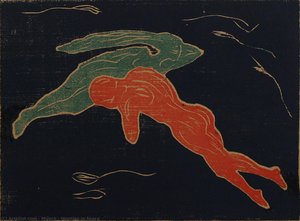
11მარია (1894) by ედვარდ მუნკიმარია1894 · მუნჩის მუზეუმი 12ედვარდ მუნკი

ედვარდ მუნკის საიდუმო შედევრი "წვირი" (1894) ნორვეგიელი მხატვრის ედვარდ მუნკის მომხიბლავი ნამუშევარია, რომელიც ცნობილია თავისი βαθιά ემოციური და ფსიქოლოგიურად დამუხტული ტილოებით. ეს ნაწილი წარმოადგენს მუნკის გამორჩეული სტილის მაგალითს, სიმბო (1894) by ედვარდ მუნკიედვარდ მუნკი ედვარდ მუნკის საიდუმო შედევრი "წვირი" (1894) ნორვეგიელი მხატვრის ედვარდ მუნკის მომხიბლავი ნამუშევარია, რომელიც ცნობილია თავისი βαθιά ემოციური და ფსიქოლოგიურად დამუხტული ტილოებით. ეს ნაწილი წარმოადგენს მუნკის გამორჩეული სტილის მაგალითს, სიმბო1894 · ხელოვნების, არქიტექტურისა და დიზაინის ეროვნული მუზეუმი 13ედვარდ მუნკი

A Life Shrouded in Shadow: The World of Edvard MunchEdvard Munch, born in 1863 amidst the stark landscapes of Norway, was an artist whose work became synonymous with the anxieties and emotional turmoil of the modern age. His life, deeply mar (1895) by ედვარდ მუნკიედვარდ მუნკი A Life Shrouded in Shadow: The World of Edvard MunchEdvard Munch, born in 1863 amidst the stark landscapes of Norway, was an artist whose work became synonymous with the anxieties and emotional turmoil of the modern age. His life, deeply mar1895 · Nasjonalgalleriet 14სიკვდილის საწოლთან (სიცხე) (1915) by ედვარდ მუნკისიკვდილის საწოლთან (სიცხე)1915 · მუნჩის მუზეუმი 15Cree (კაზეინი კარტონზე) 2 (1893) by ედვარდ მუნკიCree (კაზეინი კარტონზე) 21893 · ხელოვნების, არქიტექტურისა და დიზაინის ეროვნული მუზეუმი 16გარიშვლა (1896) by ედვარდ მუნკიგარიშვლა1896 · Bergen Kunstmuseum 17ბავშვი და სიკვდილი (1899) by ედვარდ მუნკიბავშვი და სიკვდილი1899 · კუნსტჰალე ბრემენი 18კ upid და ფსიქე (1907) by ედვარდ მუნკიკ upid და ფსიქე1907 19The Kiss (1895) by ედვარდ მუნკიThe Kiss1895 20The Murderer (1910) by ედვარდ მუნკიThe Murderer1910 · მუნჩის მუზეუმი 21გოგონები პირსზე (1904) by ედვარდ მუნკიგოგონები პირსზე1904 · კიმბელის ხელოვნების მუზეუმი 22Man and Woman I (1905) by ედვარდ მუნკიMan and Woman I1905 · Munch Museum 23ვამპირები (1893) by ედვარდ მუნკივამპირები1893 · Gothenburg Museum of Art 24ცეცხლი (1897) by ედვარდ მუნკიცეცხლი1897 · Munch Museum 25დაสิ้นგება (1892) by ედვარდ მუნკიდაสิ้นგება1892 26Eye in Eye (1894) by ედვარდ მუნკიEye in Eye1894 27ავადმყოფი ბავშვი - დახატული ვერსია - 1926 by ედვარდ მუნკიავადმყოფი ბავშვი - დახატული ვერსია - 1926 28შეხვედრა სივრცეში (1899) by ედვარდ მუნკიშეხვედრა სივრცეში1899 · თელ-ავივის ხელოვნების მუზეუმი 29ავადმყოფი ბავშვი (1925) by ედვარდ მუნკიავადმყოფი ბავშვი1925 · მუნჩის მუზეუმი 30ახალგაზრდა ქალი სანაპიროზე (1896) by ედვარდ მუნკიახალგაზრდა ქალი სანაპიროზე1896 · მუნჩის მუზეუმი 31ავადმყოფი ბავშვი (1885) by ედვარდ მუნკიავადმყოფი ბავშვი1885 32მთვლის სხეული (1895) by ედვარდ მუნკიმთვლის სხეული1895 · Nasjonalgalleriet 33ყვილი (1893) by ედვარდ მუნკიყვილი1893 · მუნჩის მუზეუმი 34Kiss IV (1902) by ედვარდ მუნკიKiss IV1902 35მკვლელი (1907) by ედვარდ მუნკიმკვლელი1907 · მუნჩის მუზეუმი 36სელფ-პორტრეტი (1895) by ედვარდ მუნკისელფ-პორტრეტი1895 · Kunsthaus Zürich 37მელანქოლია, ლაურა (1899) by ედვარდ მუნკიმელანქოლია, ლაურა1899 · მუნჩის მუზეუმი 38მამაკეთა აბანგება (1907) by ედვარდ მუნკიმამაკეთა აბანგება1907 39ედვარდ მუნკის ნაჭარმოები (1896) by ედვარდ მუნკიედვარდ მუნკის ნაჭარმოები1896 · Gothenburg Museum of Art 40ორი გული (1899) by ედვარდ მუნკიორი გული1899 · თელ-ავივის ხელოვნების მუზეუმი 41Death at the helm (1893) by ედვარდ მუნკიDeath at the helm1893 · მუნჩის მუზეუმი 42Storm (1893) by ედვარდ მუნკიStorm1893 43სიკვდილის და ახალგაზრდა გოგონა (1893) by ედვარდ მუნკისიკვდილის და ახალგაზრდა გოგონა1893 · მუნჩის მუზეუმი 44მადონა (1902) by ედვარდ მუნკიმადონა1902 · Ohara Museum of Art 45მრავლისწრფეების სამი ეტაპი (სფინქსი) (1894) by ედვარდ მუნკიმრავლისწრფეების სამი ეტაპი (სფინქსი)1894 46ცხრა წელი ცხოვრებაში (1902) by ედვარდ მუნკიცხრა წელი ცხოვრებაში1902 · Bergen Kunstmuseum 47თვიის სინათლე (1893) by ედვარდ მუნკითვიის სინათლე1893 · ხელოვნების, არქიტექტურისა და დიზაინის ეროვნული მუზეუმი 48Cupid and Psyche (1907) by ედვარდ მუნკიCupid and Psyche1907 · მუნჩის მუზეუმი 49მ별ათის ღამე (1893) by ედვარდ მუნკიმ별ათის ღამე1893 50ზამთრის ღამე (1900) by ედვარდ მუნკიზამთრის ღამე1900 · Kunsthaus Zürich 51The Kiss (1892) by ედვარდ მუნკიThe Kiss1892 52Mother and Daughter (1897) by ედვარდ მუნკიMother and Daughter1897 · Nasjonalgalleriet 53გოგონები ხიდზე (1901) by ედვარდ მუნკიგოგონები ხიდზე1901 · Nasjonalgalleriet 54გოგონა ფანჯარასთან (1893) by ედვარდ მუნკიგოგონა ფანჯარასთან1893 · ჩიკაგოს ხელოვნების ინსტიტუტი 55Nude I (1913) by ედვარდ მუნკიNude I1913 · მუნჩის მუზეუმი 56Garden with Red House (1882) by ედვარდ მუნკიGarden with Red House1882 57მსვლევი (1890) by ედვარდ მუნკიმსვლევი1890 58თქმულება (1894) by ედვარდ მუნკითქმულება1894 59Madonna (1894) by ედვარდ მუნკიMadonna1894 · Hamburger Kunsthalle 60untitled (7660) by ედვარდ მუნკიuntitled (7660) 61Vampire II (1902) by ედვარდ მუნკიVampire II1902 62ძვირფასოება (1895) by ედვარდ მუნკიძვირფასოება1895 · Bergen Kunstmuseum 63ჰერბერტ ეშეს პორტრეტი (1905) by ედვარდ მუნკიჰერბერტ ეშეს პორტრეტი1905 · Kunsthaus Zürich 64Dance on the Beach (1904) by ედვარდ მუნკიDance on the Beach1904 · National Gallery Prague 65The Sick Child (1907) by ედვარდ მუნკიThe Sick Child1907 · Thiel Gallery 66Woman Combing Her Hair (1892) by ედვარდ მუნკიWoman Combing Her Hair1892 67The Assassin (1910) by ედვარდ მუნკიThe Assassin1910 68The killer (1906) by ედვარდ მუნკიThe killer1906 69Under the Chestnut Tree (1937) by ედვარდ მუნკიUnder the Chestnut Tree1937 · მუნჩის მუზეუმი 70Starry Night (1923) by ედვარდ მუნკიStarry Night1923 71Starry Night (1901) by ედვარდ მუნკიStarry Night1901 · Folkwang-ის მუზეუმი 72ტავერნა სენტ-კლუდში (1890) by ედვარდ მუნკიტავერნა სენტ-კლუდში1890 73Melancholy (1894) by ედვარდ მუნკიMelancholy1894 74Death in the Sickroom (1893) by ედვარდ მუნკიDeath in the Sickroom1893 · მუნჩის მუზეუმი 75Three Girls in Åsgårdstrand (1905) by ედვარდ მუნკიThree Girls in Åsgårdstrand1905 · Thiel Gallery 76ቅናት (1907) by ედვარდ მუნკიቅናት1907 · მუნჩის მუზეუმი 77ფრიდრიხ ნიცშე (1906) by ედვარდ მუნკიფრიდრიხ ნიცშე1906 · მუნჩის მუზეუმი 78The girl and death (1894) by ედვარდ მუნკიThe girl and death1894 79Lübeck Harbour with the Holstentor (1907) by ედვარდ მუნკიLübeck Harbour with the Holstentor1907 80The Researchers: Central Group with Alma Mater (1910) by ედვარდ მუნკიThe Researchers: Central Group with Alma Mater1910 · მუნჩის მუზეუმი 81Irmgard Steinbart (1913) by ედვარდ მუნკიIrmgard Steinbart1913 · Mildred Lane Kemper Art Museum 82სიკვდილის ოთახი (1915) by ედვარდ მუნკისიკვდილის ოთახი1915 · მუნჩის მუზეუმი 83Snow shovelers (1911) by ედვარდ მუნკიSnow shovelers1911 84ბოჰემური ქორწილი (1927) by ედვარდ მუნკიბოჰემური ქორწილი1927 · მუნჩის მუზეუმი 85Self-Portrait on the Glass Veranda (1930) by ედვარდ მუნკიSelf-Portrait on the Glass Veranda1930 · მუნჩის მუზეუმი 86The Dead Mother and Child (1901) by ედვარდ მუნკიThe Dead Mother and Child1901 · კუნსტჰალე ბრემენი 87რულეტკოსთან (1892) by ედვარდ მუნკირულეტკოსთან1892 88Summer (1889) by ედვარდ მუნკიSummer1889 89Vampire (1894) by ედვარდ მუნკიVampire1894 90Helge Bäckström (1893) by ედვარდ მუნკიHelge Bäckström1893 · Thiel Gallery 91friedrich nietzsche by ედვარდ მუნკიfriedrich nietzsche 92Self-Portrait I (1896) by ედვარდ მუნკიSelf-Portrait I1896 93fortvivlan (1892) by ედვარდ მუნკიfortvivlan1892 94შიშველი (1896) by ედვარდ მუნკიშიშველი1896 · რასმუს მეიერის კოლექცია 95Ungdom (Youth) by ედვარდ მუნკიUngdom (Youth)Folkwang-ის მუზეუმი 96Skriet oslo by ედვარდ მუნკიSkriet oslo 97Red vine (1898) by ედვარდ მუნკიRed vine1898 98Anton Brünings (1919) by ედვარდ მუნკიAnton Brünings1919 99Skriet Olja, NG Oslo (1893) by ედვარდ მუნკიSkriet Olja, NG Oslo1893 100The House is Burning! (1927) by ედვარდ მუნკიThe House is Burning!1927 · მუნჩის მუზეუმი

ედვარდ მუნკი paintings by period

ედვარდ მუნკი paintings by subject

The four most frequent subjects in this ranking, with the top painting for each.

Museums holding ედვარდ მუნკი's originals

The 8 museums that hold the most of the paintings on this page.

Museum City Works by ედვარდ მუნკი Paintings from this list
მუნჩის მუზეუმი, ოსლომუნჩის მუზეუმი ოსლო 1 030 ვამპირის ეროვნული გალერეა ოსლო, სქესობრივი მომწიფება, შფოთვა 2
Nasjonalgalleriet, ოსლოNasjonalgalleriet ოსლო 10 მეძვრეტავი, dzīves ცეკვა, მელანქოლია
Bergen Kunstmuseum, ბერგენიBergen Kunstmuseum ბერგენი 42 Night street Karl Johan 03, გარიშვლა, ცხრა წელი ცხოვრებაში
ხელოვნების, არქიტექტურისა და დიზაინის ეროვნული მუზეუმი, ოსლოხელოვნების, არქიტექტურისა და დიზაინის ეროვნული მუზეუმი ოსლო 51 ედვარდ მუნკი ედვარდ მუნკის საიდუმო შედევრი "წვირი" (1894) ნორვეგიელი მხატვრის ედვარდ მუნკის მომხიბლავი ნამუშევარია, რომელიც ცნობილია თავისი βαθιά ემოციური და ფსიქოლოგიურად დამუხტული ტილოებით. ეს ნაწილი წარმოადგენს მუნკის გამორჩეული სტილის მაგალითს, სიმბო, Cree (კაზეინი კარტონზე) 2, თვიის სინათლე
Kunsthaus Zürich, ՑյուրխեKunsthaus Zürich Ցյուրխե 25 სელფ-პორტრეტი, ზამთრის ღამე, ჰერბერტ ეშეს პორტრეტი
Thiel Gallery, StockholmThiel Gallery Stockholm 13 The Sick Child, Three Girls in Åsgårdstrand, Helge Bäckström
Gothenburg Museum of Art, GothenburgGothenburg Museum of Art Gothenburg 5 ვამპირები, ედვარდ მუნკის ნაჭარმოები
Folkwang-ის მუზეუმი, ესენიFolkwang-ის მუზეუმი ესენი 5 Starry Night, Ungdom (Youth)

Each decade's top ედვარდ მუნკი painting

Works per decade

Select a decade to see its top painting.

ედვარდ მუნკი paintings: FAQ

Which is ედვარდ მუნკი's most famous work?Show answer

მეძვრეტავი (1893), Nasjonalgalleriet, ოსლო, ranks first, followed by ვამპირის ეროვნული გალერეა ოსლო and სქესობრივი მომწიფება (1914).

At what age was მეძვრეტავი painted by ედვარდ მუნკი?Show answer

ედვარდ მუნკი was 30: მეძვრეტავი is dated 1893, and ედვარდ მუნკი was born in 1863.

What are the ten most famous ედვარდ მუნკი paintings?Show answer

მეძვრეტავი, ვამპირის ეროვნული გალერეა ოსლო, სქესობრივი მომწიფება, შფოთვა 2, the kiss, dzīves ცეკვა, Night street Karl Johan 03, მელანქოლია, ედვარდ მუნკი ედვარდ მუნკი დაიბადა 1863 წელს ნორვეგიის მკაცრი ლანდშაფტებში და მისი შემოქმედება გახდა თანამედოვე ეპოქის შფოთებისა და ემოციური არასტაბილურობის სიმბოლოდ. მის ცხოვრებას, რომელიც ღრმად იყო ნიშნული დაკარგულობითა და მუდმივი მელანქოლიით, ეს ძლიერი and ქრისტიანობა საშიშხნისაში. Year and museum for each are in the ranking above.

How many paintings by ედვარდ მუნკი are listed?Show answer

2,121 works by ედვარდ მუნკი are in our catalogue, dated 1882 to 1937.

Which museums hold ედვარდ მუნკი's most famous originals?Show answer

Mainly in მუნჩის მუზეუმი (ოსლო), Nasjonalgalleriet (ოსლო) and Bergen Kunstmuseum (ბერგენი). See the museum table above for the full list.

When were the top ედვარდ მუნკი paintings made?Show answer

In 1890s: 52 of the 100 paintings ranked here date from that time, including მეძვრეტავი.

What are the oldest and the most recent famous ედვარდ მუნკი paintings?Show answer

Earliest on this page: Garden with Red House (1882). Latest: Under the Chestnut Tree (1937).

Which subjects appear most in ედვარდ მუნკი's paintings?Show answer

Among the 100 paintings ranked here: Სიმბოლიზმი (12), Ემოცია (11) and Landscape (10).

Which medium is most common in ედვარდ მუნკი's paintings?Show answer

Ზეთი ტილოზე, for 34 of the 100 paintings ranked here.

What movement do ედვარდ მუნკი's paintings belong to?Show answer

Ექსპრესიონიზმი, based on the paintings ranked on this page.

Which famous ედვარდ მუნკი paintings does the მუნჩის მუზეუმი have?Show answer

The მუნჩის მუზეუმი, ოსლო holds 27 of the paintings ranked here, including ვამპირის ეროვნული გალერეა ოსლო, სქესობრივი მომწიფება and შფოთვა 2.

Can I buy a ედვარდ მუნკი painting as a reproduction?Show answer

Yes. Every painting on this page can be ordered as a hand-painted oil reproduction or a print. Open the painting, choose the size and place your order.

ედვარდ მუნკი: the artist behind the paintings

The Life and Identity of Edvard Munch

Edvard Munch was a Norwegian painter whose life was deeply tied to the landscapes and the heavy atmosphere of his homeland. Born on 12 December 1863, he spent much of his existence navigating the complexities of the human psyche through his brush and printmaking tools. His work often felt like a direct extension of his own internal struggles, turning private emotions into something visible and shared. He remained an active presence in the art world until his death on 23 January 1944.

His ability to capture the tremors of human existence reached a peak in 1893 with the creation of The Scream. This specific work has become one of the most acclaimed images in Western art, recognized globally for its depiction of existential dread. While many artists sought to replicate the physical world, Munch was interested in the things that cannot be seen, such as anxiety and the weight of loneliness. He used color and form to give a shape to the invisible forces that pull at the human spirit.

Throughout his long career, he produced a vast body of work that spanned many different mediums. His output included:

Early Life, Family and Training

Edvard Munch was born in 1863 amidst the stark landscapes of Norway. His childhood was shaped by a household where the presence of sickness was a constant companion. In 1868, his mother died from tuberculosis, a loss that left a heavy mark on the young boy. This sense of fragility deepened in 1877 when his sister, Johanne Sophie, also succumbed to tuberculosis at the age of 15. These early bereavements meant that the shadows of mortality were woven into the fabric of his daily life.

His father, Christian Munch, worked as a physician and medical officer. Christian was a man of intense religious devotion, but he also struggled with a temperament that was nervous and obsessively religious. The atmosphere of the home was often heavy with this sense of dread. Growing up in such a setting, Edvard often found himself drawing to keep occupied during the long winters when illness kept him from school. These early experiences of grief and fear would eventually find their way onto his canvases.

For his formal education, he attended the Royal School of Art and Design in Kristiania. It was here that he began to develop the technical skills that would support his later explorations of the human psyche. His training provided the foundation for a career spent translating internal distress into visual form.

The Bohemian Circles of Kristiania

In the streets of Kristiania, the former name of Oslo, Munch found a community that challenged everything he had been taught. He moved within the bohemian circles of the city, a group of people who lived outside the strict rules of the era. Among them was the naturalistic painter Christian Krohg, who was a part of this progressive circle. These gatherings were not just social; they were spaces where new ways of seeing the world were debated and lived.

It was through the influence of the nihilist Hans Jæger that Munch’s own path began to shift. Jæger urged him to move away from the polite, academic traditions of the time. He encouraged the artist to look inward and paint his own emotional and psychological state. This was a radical idea. Instead of trying to capture the world as it appeared to others, Munch began to use his canvas to express the internal storms of his own mind.

Travels and Influences in Paris and Berlin

Moving through the centers of European art allowed Munch to see his own impulses reflected in the work of others. In Paris, he encountered the techniques of artists like Paul Gauguin and Vincent van Gogh. He learned much from them, absorbing how they used color and form to move beyond simple representation. His time in the city also brought him into contact with Henri de Toulouse-Lautrec. These encounters helped him refine a way of seeing that prioritized the internal over the external.

His time in Berlin shifted his focus toward the deeper, more unsettling layers of the human mind. It was there that he met the Swedish dramatist August Strindberg. These connections with figures such as Strindberg pushed his investigations into psychological themes. He began to use his art to explore the tremors of human existence, moving away from naturalistic depictions toward a style that could communicate the heavy weight of fear and anxiety.

Technique and Style of Soul Painting

Munch did not aim to replicate the physical world as it appeared to the eye. Instead, he sought to externalize his internal state, a method he called soul painting. He used distorted forms and rhythmic lines to communicate the tremors of human existence, turning psychological distress into a visible, tangible form. His brushwork often reflected the turbulence of his own mind, using color and shape to translate what he felt rather than what he saw.

This focus on the internal led him to experiment extensively with various mediums. He was a highly active printmaker, working through lithography, woodcut, and etching to expand his reach. His technical range was broad, involving intaglio processes such as aquatint, drypoint, and engraving on copper. These methods allowed him to layer textures and lines that mirrored the complexity of human emotion.

The Frieze of Life and Key Works

Munch sought to capture the recurring cycles of human existence through a series of works he called The Frieze of Life. This collection focused on the heavy, inescapable themes of love, fear, death, and anxiety. He did not aim for a simple depiction of life, but rather an exploration of the internal storms that define it. His paintings often functioned as a way to process the grief and the psychological tremors that stayed with him from his youth.

Many of his most recognized images emerged from these personal struggles. He conceived The Scream while in Kristiania, using swirling, fiery landscapes to represent a sense of existential dread. In other works, he turned his gaze toward the complexities of human connection and the fragility of life. Madonna explores the intersection of sexuality and mortality, while The Sick Child remains a poignant reminder of the loss of his sister, Sophie. These pieces reflect a man trying to make sense of the shadows that followed him.

Later Years and Death

The later years of Munch's life were marked by a significant shift in his personal habits and his creative environment. Following a mental breakdown in 1908, he made the decision to give up heavy drinking. This period of change led him away from the turbulent social scenes of his youth. Instead, he spent his remaining years working in peace and privacy, finding a quiet space to continue his practice.

His output remained steady until the end of his life. By the time he passed away in 1944, he had amassed a collection of 1006 paintings. While the world around him faced the immense upheaval of World War II, the majority of his works survived the conflict, ensuring that his visual language would remain available for future generations to study and experience.

The Lasting Legacy and Influence

Munch's ability to confront the darker aspects of the human condition helped pave the way for German Expressionism. He was a pioneer of Expressionism, moving away from the polite rules of academic art to find a way to show the internal storms of the mind. By translating psychological distress into visual form, he changed how artists approached the canvas. His work became a cornerstone of the modernism movement, shifting the focus from what the eye sees to what the soul endures.

His presence is felt deeply within the history of Norwegian art. He helped define a national identity through his exploration of universal human experiences. The way he used color and distorted lines to communicate the tremors of existence left a mark that many artists followed. His influence reached far beyond the borders of Norway, affecting how the modern world perceives anxiety and isolation.

Where to See the Works Today

To experience the breadth of his life's work, one must travel to Oslo, Norway. The Munch Museum is the primary guardian of his legacy, housing a vast collection that spans the full range of his artistic output. It is a place where the sheer scale of his production becomes clear, offering a deep look into the themes he explored throughout his years of painting and printmaking.

Other significant pieces are held in the city's other major institutions. The National Gallery in Oslo holds the 1893 tempera and crayon on cardboard version of The Scream. This specific piece offers a different texture and feeling compared to other versions. Additionally, the National Museum of Norway is home to a version of Madonna, allowing visitors to see how he approached the same subject through different lenses.

All 2121 works by ედვარდ მუნკი →