თანხის დაბრუნების გარანტია · 100 დღე უფასო მიწოდება მთელ მსოფლიოში
646 446ნამუშევრები 53 409მხატვრები 5 406მუზეუმები 32ენები
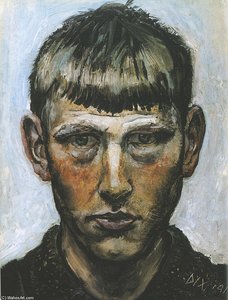
ოტო დიქსი პორტრეტი

ოტო დიქსი-ის ნახატები: 100 ყველაზე ცნობილი, რეიტინგით

განახლდა ოქტომბერი 2026 · დალაგებულია ჩვენი პოპულარობის ქულების მიხედვით (ძიება, ნახვა და შეკვეთები თითოეული ნამუშწაროსთვის) · 373 ნამუშევარი ოტო დიქსი ჩვენს კატალოგში

სწრაფი პასუხი

ყველაზე ცნობილი ოტო დიქსი ნამუშევარია სილვია ფონ ჰარდენის პორტრეტი (1926); ორიგინალი იმყოფება ცენტრი პომპიდო-ში, პარიზი. Flanders და The Skat Players (1920) არის ორი და სამი. ჩვენს კატალოგში არსებული ოტო დიქსი-ის 373 ნამუშწევრიდან, ეს არის 100 ყველაზე ცნობილი, დახარისხებული ნამუშწევრი, რომელთაგან თითოეულს ახლავს წელი და მუზეუმი, რათა შეძლოთ სასურველი სურათის შეკვეთა.

1891 – 1969, უნტერჰაუსი Neue sachlichkeit ყველაზე მეტი ნამشევრი: ბავარიის სახელმწიფო ფერწერის კოლექციები

ოტო დიქსი-ის 10 საუკეთესო ნამთვარი, რეიტინგით

1
სილვია ფონ ჰარდენის პორტრეტი (1926) ავტორის: ოტო დიქსი

სილვია ფონ ჰარდენის პორტრეტი

1926 · ზეთი პანელზე · ცენტრი პომპიდო, პარიზი

Portrait of the Journalist Sylvia von Harden – A Reflection of Weimar’s Unease The painting “Portrait of the Journalist Sylvia von Harden” by Otto Dix stands as an arresting testament to the anxieties and contradictions simmering beneath the surface of Weimar Republic Germany. Created in 1926, it's more than just a likeness; it’s a meticulously crafted distillation of the era’s psychological landscape—a visual echo of the profound disillusionment following World…

2
Flanders ავტორის: ოტო დიქსი

Flanders

ზეთი ტილოზე

Flanders: A Chronicle of Trauma The artwork before you – Otto Dix’s ‘Flanders’ – isn't merely a depiction of a battlefield; it is a visceral scream rendered in oil, a haunting echo of the horrors experienced by German soldiers during World War I. This monumental piece transcends simple representation, plunging the viewer directly into the heart of a shattered landscape and the profound psychological trauma inflicted upon those who fought…

3
The Skat Players (1920) ავტორის: ოტო დიქსი

The Skat Players

1920 · Acrylic On Canvas

Otto Dix's "The Skat Players," created in 1920, is a profoundly unsettling and powerful artwork that serves as a stark commentary on the aftermath of World War I. This oil-on-canvas painting (87 x 110 cm) embodies the Dadaist style, capturing the despair, social upheaval, and struggle for survival prevalent in post-war Germany.

4
Trench Warfare ავტორის: ოტო დიქსი

Trench Warfare

Oil

is an oil painting by Otto Dix. The canvas captures the heavy, suffocating darkness of a battlefield, focusing on the visceral reality of war and its devastating consequences. A lone soldier emerges from a turbulent background of smoke and fire, his form highlighted by dramatic light against the surrounding gloom. The scene is a landscape of grit and unrest.

5
Nelly among Flowers ავტორის: ოტო დიქსი

Nelly among Flowers

Acrylic On Canvas · Folkwang-ის მუზეუმი, ესენი

Otto Dix’s Tender Reverie: Nelly Among Flowers The painting “Nelly Among Flowers” by Otto Dix stands as an arresting paradox—a glimpse into the artist's deeply personal world juxtaposed against the stark, uncompromising aesthetic of Neue Sachlichkeit. Created in 1924, shortly after Dix’s daughter Nelly was born, it represents a significant departure from his characteristic depictions of war and societal critique, offering instead a serene tableau bathed in soft light and…

6
Metropolis ავტორის: ოტო დიქსი

Metropolis

Oil On Panel

The triptych Metropolis by the German artist Otto Dix captures the fractured pulse of the Weimar Republic. Executed between 1927 and 1928, the work presents three nighttime city scenes. It focuses on the nightlife of a German big city during the golden twenties. The panels act as windows into a world of decadence, femininity, and sexuality. This modern city is a place of sharp contrasts and restless energy.

7
The Seven Cardinal Sins ავტორის: ოტო დიქსი

The Seven Cardinal Sins

Oil

Introduction to the Artist and Painting Title Otto Dix, a prominent German artist known for his powerful and thought-provoking works, created "The Seven Cardinal Sins" in 1933. This captivating painting is an exceptional example of the Neue Sachlichkeit (New Objectivity) movement, which emerged in Germany during the 1920s and 1930s as a response to the country's turbulent socio-political climate. Symbolism and Meaning In "The Seven Cardinal Sins," Dix masterfully employs…

8
Newborn Baby on Hands ავტორის: ოტო დიქსი

Newborn Baby on Hands

In this quiet composition titled Newborn Baby on Hands, the artist Otto Dix turns his gaze toward a moment of profound intimacy. The work presents a departure from the more turbulent social critiques often associated with his name, focusing instead on the delicate connection between a mother and her newborn child. It is a study of tenderness, captured through the simple, protective presence of a mother's hands.

9
Pragerstrasse (1920) ავტორის: ოტო დიქსი

Pragerstrasse

1920 · Oil On Canvas

Executed in July 1920, Pragerstrasse is an oil and collage on canvas that captures a scene on Prager Straße in Dresden, Germany, shortly after the First World War. The composition presents a fragmented view of urban life, featuring several distinct figures. In the foreground, a character from the middle or upper class is depicted without legs, moving with the assistance of a skateboard and canes; this figure wears a bowler…

10
To Beauty (1922) ავტორის: ოტო დიქსი

To Beauty

1922 · Oil On Canvas

Otto Dix's "To Beauty," painted in 1922, stands as a stark and unsettling critique of the moral decay and superficiality that permeated post-World War I Germany. Housed within the Von der Heydt Museum in Wuppertal, Germany, this oil on canvas masterpiece is more than just a painting; it's a historical document capturing an era defined by disillusionment and decadence through the lens of Expressionism.

ოტო დიქსი-ის ნახატები, peringkatი 11-დან 100-მდე

11War (1932) ავტორის: ოტო დიქსიWar1932 12Portrait of Dr Heinrich Stadelmann (1922) ავტორის: ოტო დიქსიPortrait of Dr Heinrich Stadelmann1922 13Plague German (1919) ავტორის: ოტო დიქსიPlague German1919 14Prager Straße (Prague Street) ავტორის: ოტო დიქსიPrager Straße (Prague Street) 15Portrait of the Lawyer Hugo Simons 1 ავტორის: ოტო დიქსიPortrait of the Lawyer Hugo Simons 1 16Suleika, the Tatooed Wonder ავტორის: ოტო დიქსიSuleika, the Tatooed Wonder 17Sunrise ავტორის: ოტო დიქსიSunrise 18Shock Troops Advance under Gas (1924) ავტორის: ოტო დიქსიShock Troops Advance under Gas1924 · MOMA - მოდერნ არტის მუზეუმი 19Triptychon Der Krieg (War Triptych) ავტორის: ოტო დიქსიTriptychon Der Krieg (War Triptych) 20Randegg in the snow with ravens ავტორის: ოტო დიქსიRandegg in the snow with ravens 21How I Looked As A Soldier ავტორის: ოტო დიქსიHow I Looked As A Soldier 22Portrait of Mrs. Martha Dix ავტორის: ოტო დიქსიPortrait of Mrs. Martha DixFolkwang-ის მუზეუმი 23Mother with Child (1921) ავტორის: ოტო დიქსიMother with Child1921 24Sappenkopf (1920) ავტორის: ოტო დიქსიSappenkopf1920 · ბავარიის სახელმწიფო ფერწერის კოლექციები 25Fritz Perls ავტორის: ოტო დიქსიFritz Perls 26prisoners of war ავტორის: ოტო დიქსიprisoners of war 27Portrait of Dr. Heinrich Stadelmann ავტორის: ოტო დიქსიPortrait of Dr. Heinrich Stadelmann 28Self-Portrait as a Soldier ავტორის: ოტო დიქსიSelf-Portrait as a Soldier 29Portrait of Paul F. Schmidt (1921) ავტორის: ოტო დიქსიPortrait of Paul F. Schmidt1921 30Nelly with Toy ავტორის: ოტო დიქსიNelly with Toy 31War cripples ავტორის: ოტო დიქსიWar cripples 32Still Life with Widow's Veil (1925) ავტორის: ოტო დიქსიStill Life with Widow's Veil1925 33Dream of the sadist ავტორის: ოტო დიქსიDream of the sadist 34The Dancer Anita Berber ავტორის: ოტო დიქსიThe Dancer Anita Berber 35Portrait of Heinrich George ავტორის: ოტო დიქსიPortrait of Heinrich George 36Half-Nude ავტორის: ოტო დიქსიHalf-Nude 37House by the Stream (1912) ავტორის: ოტო დიქსიHouse by the Stream1912 38The Declaration of War (1914) ავტორის: ოტო დიქსიThe Declaration of War1914 39Portrait of the Poet Alfred Günther (1919) ავტორის: ოტო დიქსიPortrait of the Poet Alfred Günther1919 · ბავარიის სახელმწიფო ფერწერის კოლექციები 40Female Worker in Sunday Dress (1920) ავტორის: ოტო დიქსიFemale Worker in Sunday Dress1920 41Fit for service (1919) ავტორის: ოტო დიქსიFit for service1919 42Portrait of the Photographer Hugo Erfurth (1925) ავტორის: ოტო დიქსიPortrait of the Photographer Hugo Erfurth1925 · ბავარიის სახელმწიფო ფერწერის კოლექციები 43The Widow (1925) ავტორის: ოტო დიქსიThe Widow1925 44Woman with Infant (1924) ავტორის: ოტო დიქსიWoman with Infant1924 45Self-Portrait with Wife (1923) ავტორის: ოტო დიქსიSelf-Portrait with Wife1923 46Family of the Painter Adalbert Trillhaase (1923) ავტორის: ოტო დიქსიFamily of the Painter Adalbert Trillhaase1923 47Old Lovers (1923) ავტორის: ოტო დიქსიOld Lovers1923 48Son of the Artist (1928) ავტორის: ოტო დიქსიSon of the Artist1928 · ბავარიის სახელმწიფო ფერწერის კოლექციები 49Portrait of the Dancer Marianne Vogelsang (1931) ავტორის: ოტო დიქსიPortrait of the Dancer Marianne Vogelsang1931 50untitled (1685) ავტორის: ოტო დიქსიuntitled (1685) 51The Resurrection ავტორის: ოტო დიქსიThe Resurrection 52untitled (4922) ავტორის: ოტო დიქსიuntitled (4922) 53war triptych (1932) ავტორის: ოტო დიქსიwar triptych1932 54Der Triumph des Todes, Triumph of death ავტორის: ოტო დიქსიDer Triumph des Todes, Triumph of death 55Uneven couple ავტორის: ოტო დიქსიUneven couple 56Little Girl ავტორის: ოტო დიქსიLittle Girl 57Family Portrait ავტორის: ოტო დიქსიFamily Portrait 58St. Christopher IV ავტორის: ოტო დიქსიSt. Christopher IV 59Self-Portrait ავტორის: ოტო დიქსიSelf-Portrait 60untitled (238) ავტორის: ოტო დიქსიuntitled (238) 61Parents of the Artist ავტორის: ოტო დიქსიParents of the Artist 62Apotheosis ავტორის: ოტო დიქსიApotheosis 63Mediterranean Sailor ავტორის: ოტო დიქსიMediterranean Sailor 64Flare illuminates the farm at Monacu ავტორის: ოტო დიქსიFlare illuminates the farm at Monacu 65Crater field near Dontrien lit up by flares ავტორის: ოტო დიქსიCrater field near Dontrien lit up by flares 66Dance of death 1917 - (Dead Man's Hill) ავტორის: ოტო დიქსიDance of death 1917 - (Dead Man's Hill) 67untitled (7119) ავტორის: ოტო დიქსიuntitled (7119) 68Annunciation ავტორის: ოტო დიქსიAnnunciation 69Mother and Child (Irmgard Bahle) ავტორის: ოტო დიქსიMother and Child (Irmgard Bahle) 70The God of confectioners ავტორის: ოტო დიქსიThe God of confectioners 71Skull ავტორის: ოტო დიქსიSkull 72The Businessman Max Roesberg, Dresden ავტორის: ოტო დიქსიThe Businessman Max Roesberg, Dresden 73Dr. Mayer-Hermann ავტორის: ოტო დიქსიDr. Mayer-Hermann 74Man and Woman (Nocturnal scene) ავტორის: ოტო დიქსიMan and Woman (Nocturnal scene) 75Family of the painter Adalbert Trillhaase ავტორის: ოტო დიქსიFamily of the painter Adalbert Trillhaase 76The War Cripples ავტორის: ოტო დიქსიThe War Cripples 77Laughing Girl ავტორის: ოტო დიქსიLaughing Girl 78Wounded ავტორის: ოტო დიქსიWounded 79Self Portrait ავტორის: ოტო დიქსიSelf Portrait 80Forenoon ავტორის: ოტო დიქსიForenoon 81This is Ursus Dix ავტორის: ოტო დიქსიThis is Ursus Dix 82Old man ავტორის: ოტო დიქსიOld man 83Girl with sunflower ავტორის: ოტო დიქსიGirl with sunflower 84Old Woman ავტორის: ოტო დიქსიOld Woman 85Trenches ავტორის: ოტო დიქსიTrenches 86Battle weary troops retreating - Battle of the Somme ავტორის: ოტო დიქსიBattle weary troops retreating - Battle of the Somme 87Street Fight ავტორის: ოტო დიქსიStreet Fight 88Stormtroopers go ahead into the gas (Assault under Gas) ავტორის: ოტო დიქსიStormtroopers go ahead into the gas (Assault under Gas) 89untitled (8348) ავტორის: ოტო დიქსიuntitled (8348) 90untitled (7198) ავტორის: ოტო დიქსიuntitled (7198) 91shelter ავტორის: ოტო დიქსიshelter 92Child with Doll ავტორის: ოტო დიქსიChild with Doll 93untitled (3407) ავტორის: ოტო დიქსიuntitled (3407) 94Gas Victims ავტორის: ოტო დიქსიGas Victims 95untitled (1737) ავტორის: ოტო დიქსიuntitled (1737) 96Erna I, standing, hand under chin ავტორის: ოტო დიქსიErna I, standing, hand under chin 97Zirkusszene ავტორის: ოტო დიქსიZirkusszene 98Sketch of 'Melancholy' ავტორის: ოტო დიქსიSketch of 'Melancholy' 99Mealtime in the Trenches ავტორის: ოტო დიქსიMealtime in the Trenches 100At the Café ავტორის: ოტო დიქსიAt the Café

ოტო დიქსი-ის ნახატები თემატიკის მიხედვით

ამ რეიტინგში ყველაზე ხშირად წარმოდგენილი ოთხი თემა და თითოეული მათგანის საუკეთესო ნამუშწარო.

მუზეუმები, სადაც ოტო დიქსი-ის ორიგინალები ინახება

ამ გვერდზე წარმოდგენილი მხატვრობის შედეგების უმეტესობას 4 მუზეუმი ინახავს.

მუზეუმი ქალაქი ოტო დიქსი შემოქმედებაలు ამ სიიდან მოპოვებული ნახატები
ბავარიის სახელმწიფო ფერწერის კოლექციები, მუნხენიბავარიის სახელმწიფო ფერწერის კოლექციები მუნხენი 4 Sappenkopf, Portrait of the Poet Alfred Günther, Portrait of the Photographer Hugo Erfurth
Folkwang-ის მუზეუმი, ესენიFolkwang-ის მუზეუმი ესენი 2 Nelly among Flowers, Portrait of Mrs. Martha Dix
ცენტრი პომპიდო, პარიზიცენტრი პომპიდო პარიზი 1 სილვია ფონ ჰარდენის პორტრეტი
MOMA - მოდერნ არტის მუზეუმი, ნიუ-იორკიMOMA - მოდერნ არტის მუზეუმი ნიუ-იორკი 1 Shock Troops Advance under Gas

ოტო დიქსი ათწლეულების მიხედვით: თითოეული მათგანის საუკეთესო ნახატი

ნამუშევრები ათწლეულების მიხედვით

შეარჩიეთ ათწლეული, რომლოსაც წარმოგიდგენთ მის საუკეთესო ნაწერს.

ოტო დიქსი-ის შემოქმედება: ხშირად დასმული კითხვები

რა არის ოტო დიქსი-ის ყველაზე ცნობილი ნახატი?პასუხის ჩვენება

სილვია ფონ ჰარდენის პორტრეტი (1926), ცენტრი პომპიდო, პარიზი, პირველ ადგილს იკავებს, მას მოსდევს Flanders და The Skat Players (1920).

რამდენage იყო ოტო დიქსი, როდესაც სილვია ფონ ჰარდენის პორტრეტი დაიწერა?პასუხის ჩვენება

ოტო დიქსი იყო 35 წლის: სილვია ფონ ჰარდენის პორტრეტი დათარიღებულია 1926, ხოლო ოტო დიქსი დაიბადა 1891-ში.

რომელია ოტო დიქსი-ის 10 საუკეთესო ნამი?პასუხის ჩვენება

სილვია ფონ ჰარდენის პორტრეტი, Flanders, The Skat Players, Trench Warfare, Nelly among Flowers, Metropolis, The Seven Cardinal Sins, Newborn Baby on Hands, Pragerstrasse და To Beauty. თითოეული მათგანის წელი და მუზეუმი მოცემულია ზემოთ მოყვანილ რეიტინგში.

რამდენად ბევრი ნამუშწევრია ოტო დიქსი-ის წარმოდგენილი?პასუხის ჩვენება

ჩვენს კატალოგშია 373 ნამუშგარები ოტო დიქსი-ისგან, თარიღებით 1912-დან 1932-მდე.

სად ინახება ოტო დიქსი-ის ორიგინალი ნამუშევრები?პასუხის ჩვენება

ძირითადად ბავარიის სახელმწიფო ფერწერის კოლექციები (მუნხენი), Folkwang-ის მუზეუმი (ესენი) და ცენტრი პომპიდო (პარიზი)-ში. სრული სიის სანახავად იხილეთ ზემოთ მოცემული მუზეუმების ცხრილი.

რომელმა პერიოდმა შექმნა ოტო დიქსი-ის ყველაზე ცნობილი სურათები?პასუხის ჩვენება

1920s-ში: აქ მოყვანილი 100 სურათებიდან 18 იმ პერიოდს მიეკუთვნება, მათ შორის სილვია ფონ ჰარდენის პორტრეტი.

რომელია ოტო დიქსი-ის ყველაზე ადრეული და ყველაზე გვიანდელი ცნობილი ნამუშევრები?პასუხის ჩვენება

ყველაზე ადრეული ამ გვერდზე: House by the Stream (1912). უახლესი: War (1932).

რა არის ოტო დიქსი-ის ტილოების ძირითადი თემები?პასუხის ჩვენება

აქ მოცემულ 100 ჩანაწერილობას შორის: Portraits (8), Wars (7) და German art (6).

რა ტექნიკით არის შესრულებული ოტო დიქსი-ის ორიგინალი ნამუშევრების უმეტესობა?პასუხის ჩვენება

Oil, აქ მოცემული 100 სურათიდან 4 ცალიდან.

რომელ მიძღვნასთან არის დაკავშირებული ოტო დიქსი?პასუხის ჩვენება

Neue sachlichkeit და Expressionism, ამ გვერდზე წარმოდგენილი სურათების მიხედვით.

რომელი ოტო დიქსი-ის ორიგინალები იმყოფება ბავარიის სახელმწიფო ფერწერის კოლექციები-ში?პასუხის ჩვენება

ბავარიის სახელმწიფო ფერწერის კოლექციები, მუნხენი-ში წარმოდგენილია აქ მოყვანილი 4 სურათი, მათ შორის Sappenkopf, Portrait of the Poet Alfred Günther და Portrait of the Photographer Hugo Erfurth.

მხატვრის შესახებ: ოტო დიქსი

Early Life, Family and Artistic Training

Untermhaus, Germany, 2 December 1891. The environment shaping Otto Dix is one of stark industrial labor and quiet, poetic undertones. His father, Franz Dix, works in an iron foundry, a setting defined by heavy toil. His mother, Louise, a seamstress, carries a history of writing poetry. This domestic landscape provides the first, subtle friction between the grit of manual labor and the impulse toward creative expression.

The path toward professional training begins in 1906. Dix enters an apprenticeship under the painter Carl Senff, a period of study that lasts until 1910. This formative training moves him away from the domestic sphere and into the technical discipline of the craft. By 1910, he moves to Dresden to enter the Kunstgewerbeschule, the institution known today as the Dresden Academy of Fine Arts. His early focus remains on applied arts and crafts rather than the fine painting that would later define his reputation.

The Brutal Reality of World War I

August 1914. The outbreak of World War I triggers a surge of patriotic fervor. Dix volunteers for the German army, trading the studio for the front lines. He serves as a machine gunner, facing the mechanized slaughter of both the Eastern and Western Fronts. The war is a landscape of mud, decay, and relentless suffering. He survives the carnage, eventually earning an Iron Cross for his service.

The trenches leave a psychological wound that refuses to heal. The experience of mechanized warfare becomes a central, haunting presence in his psyche. He witnesses the grotesque reality of combat—not the sanitized heroism of propaganda, but the visceral truth of destruction. These harrowing memories provide the raw material for his later work. After 1920, he begins to translate this trauma into a relentless, anti-war visual language.

Technique and Artistic Style

Dix operates through a lens of ruthless and harshly realistic depictions. He rejects the soft edges of romanticism, opting instead for a stylized realism that confronts the viewer with the grit of German society. His hand moves with clinical precision, whether he is applying glaze techniques to a canvas or scratching into a metal plate. This technical rigor allows him to document the physical and psychological decay of the Weimar era without the buffer of abstraction.

The medium often dictates the intensity of the message. In his printmaking, he employs a sophisticated combination of drypoint, aquatint, and etching to achieve deep, tonal shadows and sharp, biting lines. These methods allow for a granular level of detail in his depictions of war and urban life. Beyond the heavy textures of print, he utilizes silverpoint on prepared paper, a demanding technique requiring absolute control and leaving no room for error. His work oscillates between the broad application of paint and the meticulous, almost surgical precision of fine drawing.

Key Works and Masterpieces

The aftermath of the Great War finds its most unsettling reflection in 1920 with The Skat Players. This oil-on-canvas work captures the despair and social upheaval of post-war Germany through a Dadaist lens. It moves the viewer into a world of struggle and survival. By 1923, the focus shifts from social tension to the visceral carnage of the front lines. The Trench causes immediate controversy when it is first exhibited in Cologne. The graphic portrayal of the conflict strips away any sense of heroism, replacing it with the raw reality of the battlefield.

In 1924, the intensity of the war is distilled into The War, a series of 50 drypoint and aquatint etchings. These prints offer a relentless look at the madness of mechanized warfare. The precision of the graphic art confronts the viewer with the physical and psychological scars of the era. This period of unflinching observation continues into the urban landscape. Portrait of the Journalist Sylvia Von Harden, painted in 1926, captures the specific character of the era. By 1928, the gaze turns toward the decadence of the city. Metropolis makes its first appearance in Dresden, presenting a scathing indictment of urban life, filled with scenes of social alienation and debauchery.

Persecution and Later Years

The political climate shifts violently in 1933. The Nazi-affiliated German Art Society targets Dix, labeling his work as "degenerate." This designation carries immediate consequences: he is dismissed from his teaching position at the Dresden Academy of Fine Arts. The artist retreats from the political vitriol of the era, seeking seclusion in the small town of Hemmenhofen on Lake Constance. Even in this quietude, the tension remains. He paints religious allegories, often using them as a way to secretly criticize the regime.

The pressure intensifies in 1939. The Gestapo arrests Dix on suspicion of involvement in a plot to kill Hitler. He spends two weeks in interrogation before being released. The shadow of the Second World War looms large, and Dix finds himself conscripted into the Volkssturm during the waning months of the conflict. He survives the chaos of the war, eventually finding a period of renewed recognition in post-war Germany. He remains a significant figure in the cultural landscape until his death on 25 July 1969 in Singen, Hohentwiel (DE).

Legacy and Global Influence

Otto Dix remains a central figure in 20th-century German painting. His presence in the permanent collections of major institutions, such as the Museum of Modern Art in New York, confirms his lasting importance. He did not merely document the era; he forced a confrontation with the physical and psychological wreckage of war and the moral decay of the Weimar Republic. His etchings, particularly the series The War, are recognized as significant achievements in graphic art, utilizing drypoint and aquatint to capture the visceral reality of the trenches.

The impact of his work extends through subsequent generations of artists. Those who seek to challenge societal norms or confront difficult truths find a precedent in his uncompromising realism. He moved beyond the emotional abstraction of Expressionism to embrace a clinical, often harsh, clarity. This approach ensured that the struggles of the marginalized and the scars of conflict remained visible long after the political landscapes that birthed them had shifted.

Where to See His Works Today

The physical presence of Dix’s vision remains scattered across major international institutions. In London, the British Museum preserves a complete set of the folio prints from his series The War. These etchings offer a direct encounter with the graphic intensity of his wartime observations. Across the channel in Paris, the Centre Pompidou holds the 1926 Portrait of the Journalist Sylvia Von Harden, a work that captures the specific social atmosphere of the Weimar era.

The reach of his output extends to the United States, where the Museum of Modern Art in New York City maintains Shock Troops Advance under Gas. This piece brings the visceral tension of the front lines into a contemporary museum setting. In Germany, the Museum Folkwang in Essen houses Nelly among Flowers, providing a different perspective on his ability to handle intimate subject matter.

ყველა 373 ნამუშევარი, რომელიც შემოქმედებითად ეკუთვნის ოტო დიქსი →