


 미리보기
미리보기
 프린트 구매
 공유하기
공유하기 공유하기
공유하기
 상세 정보
상세 정보

 다운로드
다운로드
 유사 작품
유사 작품 X-레이
X-레이 슬라이드 쇼
Man Offering Money to a Young Woman
 Oil On Canvas
- WallArt
- Dutch Golden Age
 1631
1631 30.0 x 24.0 cm
 Mauritshuis
 더 보기
더 보기




P118B $10

P118H $10

P118W $10

P438Z $10

P508JH $12

P508YH $12

P805H $10

P805Z $10

P919BZ $10

P919G $10

P919XJ $10

P959ZH $10

P968JZ $12

W106C $8

W218G $10

W218JH $8

W218Y $10

W307PJ $10

W316G $10

W316PJ $8

W316Y $10

W398PJ $8

W4111J $10

W500HY $15

W500JH $15

W692G $12

W849H $8

W940BG $15

W953PJ $8




작품의 원본 비율을 유지하는 미리 설정된 크기 중에서 선택하세요.

특정 프레임이나 공간에 맞도록 직접 크기를 입력할 수 있습니다. 선택하신 크기가 원본 이미지의 비율과 일치하지 않는 경우, 작품을 자르거나 추가적인 손으로 그린 요소를 사용하여 그림을 확장합니다. 제작 시작 전 승인을 위해 디지털 목업을 보내드립니다.
화면 미리 보기는 실제 자르기 또는 확장을 반영하지 않습니다. 최종 구성은 목업을 통해서만 정확하게 확인하실 수 있습니다.
맞춤 크기 제작도 가능하지만, 원본 비율을 유지하기 위해 사전 정의된 목록에서 크기를 선택하시는 것을 권장합니다.
주문 후 AllPaintingsStore.com 팀에서 상세 안내를 위해 고객님께 이메일을 보내드리며, 미리보기 시안을 제공해 드립니다.


 유리 옵션은 110cm 미만 크기에서만 선택 가능합니다.

Man Offering Money to a Young Woman
재현 기법
복제본 크기
-


최종 결제 금액
$ 283
작품 상세 설명
Judith Jans Leyster’s “Man Offering Money to a Young Woman”: A Portrait of Quiet Resistance
The Mauritshuis in The Hague houses one of the most striking paintings from the Dutch Golden Age—Judith Jans Leyster’s *Man Offering Money to a Young Woman*, completed around 1631. This deceptively simple composition, measuring just 30 x 24 cm, transcends its diminutive size to deliver a powerful message about gender roles and moral fortitude within the societal constraints of seventeenth-century Holland. It's a painting that continues to fascinate scholars and viewers alike, prompting ongoing debate about its interpretation and significance. ### Subject Matter and Context: Domesticity Under Scrutiny Leyster’s scene depicts a young woman diligently engaged in needlework—likely embroidery—by the flickering light of an oil lamp. Her feet rest on a foot warmer filled with burning coals, a detail that speaks to the practical realities of daily life for women during this period. The man seated beside her is older and dressed in a fur hat pulled down low over his forehead; he leans over her shoulder as he presents her with a handful of coins—a gesture laden with implication. This pairing immediately establishes a familiar motif prevalent in Northern European art: the “unequal love” narrative, where men attempt to seduce women by offering monetary rewards. However, Leyster’s genius lies not merely in presenting this trope but in subtly undermining its dominant interpretation. Unlike many depictions of similar themes—brothel scenes and flirtatious encounters—this painting avoids explicit sensuality. Instead, it focuses on the woman's unwavering concentration on her task, conveying a palpable sense of defiance against unwanted advances. ### Artistic Style and Technique: Chiaroscuro’s Dramatic Embrace Leyster employed a masterful technique known as chiaroscuro – dramatic contrasts between light and dark – reminiscent of Rembrandt’s work. This stylistic choice is evident throughout the canvas, casting deep shadows that accentuate the textures of the fabrics (particularly the woman's dress) and creating an atmosphere of solemn contemplation. The artist skillfully utilizes light to illuminate key elements—the lamp, the woman’s face, and her hand—drawing the viewer’s eye directly into the scene. The brushstrokes are smooth and deliberate, contributing to a sense of realism that belies the painting's understated aesthetic. Oil paint on canvas was the preferred medium for artists of Leyster’s time, allowing for rich colors and nuanced tonal gradations – qualities that are beautifully preserved in this remarkable artwork. ### Symbolism: Virtue Versus Temptation—A Silent Dialogue Beyond its formal elements, *Man Offering Money to a Young Woman* resonates with profound symbolic meaning. The foot warmer symbolizes domesticity and virtue—the woman’s steadfast commitment to her craft represents moral integrity amidst societal pressures. Conversely, the man embodies temptation and worldly desire, his fur hat serving as a visual marker of his perceived lack of refinement. Leyster's deliberate positioning of these figures—the woman focused on her work while ignoring the man’s advances—suggests that true strength lies in resisting allurements and upholding moral principles. The painting isn’t simply illustrating a narrative; it’s posing a question: What is more valuable – outward appearance or inner virtue? Leyster's subtle gesture of defiance speaks to a broader cultural preoccupation with gender roles and the importance of maintaining ethical conduct within a society grappling with changing social norms. ### Emotional Resonance: A Moment Frozen in Time Ultimately, *Man Offering Money to a Young Woman* captivates viewers not just through its visual beauty but also through its emotional depth. The painting evokes a feeling of quiet intensity—a palpable tension between desire and restraint—that lingers long after viewing. It’s a portrait that invites contemplation about the complexities of human relationships and the enduring power of moral conviction. Leyster's masterpiece continues to inspire artists and collectors alike, reminding us that art can convey profound truths about human experience without resorting to overt melodrama. Its understated elegance and symbolic richness solidify its place as one of the most compelling images from the Dutch Golden Age—a testament to Leyster’s artistic vision and her enduring contribution to art history.유사한 작품들


작가 약력
초기 생애와 교육
유디트 얀스 레이스테르는 선구적인 여성 화가로서 1609년 7월 네덜란드 하를렘에서 태어났습니다. 그녀는 직물 제작자에서 이후 양조업자가 된 얀 빌렘스 레이스테르의 여덟 번째 자녀였습니다. 그녀의 구체적인 교육 과정이 상세히 기록되어 있지는 않지만, 하를렘에 작업실을 두었던 존경받는 예술가 프란스 피테르스 드 그레버로부터 회화를 배웠을 것으로 추정됩니다.예술적 경력
레이스테르의 첫 서명된 작품으로 알려진 '세레나데'와 '즐거운 술꾼'은 그녀가 불과 스무 살이었던 1629년으로 거슬러 올라갑니다. 1633년에 이르러 그녀는 하를렘의 성 루카 길드에 입회하였는데, 이는 그녀가 이 권위 있는 조직에 소속된 최초의 여성 예술가 중 한 명이 되었음을 의미합니다.주요 작품과 협업
레이스테르의 주목할 만한 작품들은 다음과 같습니다:- 현재 워싱턴 D.C. 국립 미술관에 소장된 '자화상'(약 1633년)으로, 이는 그녀가 길드에 제출한 입회 작품이었을 가능성이 높습니다.
- 1643년 튤립에 관한 책에 수록된 두 점의 삽화는 그녀의 다재다능함을 잘 보여줍니다.
- 21세기에 개인 소장품에서 발견된 1652년의 초상화와 1654년의 정물화는 그녀의 변치 않는 예술적 기량을 증명합니다.
유산과 재발견
동시대 사람들에게 높은 평가를 받았음에도 불구하고, 레이스테르의 작품은 1660년 그녀가 사망한 이후 대부분 잊혔습니다. 1893년에 이르러서야 그녀는 다시 세상에 알려졌으며, 학자들은 비로소 그녀의 작품들을 올바르게 찾아내어 귀속시키기 시작했습니다. 오늘날 그녀의 회화는 네덜란드 황금기의 중대한 기여로 인정받고 있습니다.- AllPaintingsStore.com에서 레이스테르의 더 많은 작품을 탐험해 보세요.
- 위키백과에서 네덜란드 황금기와 그 시대의 저명한 예술가들에 대해 알아보세요.
- 네덜란드 황금기 미술 운동 페이지에서 이 시대의 다른 여성 예술가들을 만나보세요.
결론
17세기 네덜란드에서 여성 화가로서 개척해 나간 유디트 얀스 레이스테르의 경력은 미술사에 지울 수 없는 흔적을 남겼습니다. 그녀의 재발견과 인정은 그녀의 영원한 재능뿐만 아니라, 예술계 내에서 변화해 온 여성에 대한 인식을 보여주는 소중한 증거입니다. 소장 미술관: 워싱턴 D.C. 국립 미술관
유디트 헤르스 레이스터
1609 - 1660 , 네덜란드
주요 정보
- Artistic Movement Or Style: 네덜란드 황금기
- Artists Or Movements Influenced By This Artist: ['얀 민세 몰레나르']
- Artists Who Influenced This Artist: ['프란스 피테르스 드 그레버']
- Date Of Birth: 1609년 7월 28일
- Date Of Death: 1660년 2월 10일
- Full Name: 유디트 얀스 레이스테르
- Nationality: 네덜란드
- Notable Artworks:
- 젊은 플루트 연주자
- 즐거운 무리
- 쾌활한 술꾼
- Place Of Birth: 네덜란드 하를럼
관련 기사 더 보기

Golden Light & Dutch Skies: The Timeless Magic of Dutch Golden Age Landscapes
Discover the breathtaking beauty of Dutch Golden Age landscapes. Explore the mastery of light, chiaroscuro, and 17th-century realism through an expert art history lens, celebrating the enduring legacy of the Dutch Masters for discerning collectors and art lovers.
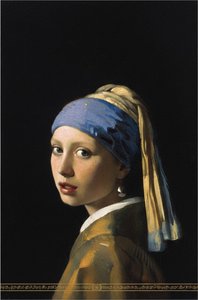
네덜란드 황금 시대 예술의 정수를 담은 10대 걸작 탐구
렘브란트, 베르메르의 걸작부터 할스의 인물화까지! 네덜란드 황금시대 미술의 10대 명품을 만나보세요. 예술적 깊이와 아름다움을 담은 작품들을 AllPaintingsStore에서 감상하고, 고품질 아트 프린트로 당신의 공간에 특별함을 더하세요. 지금 바로 AllPaintingsStore.com에서 모든 걸작을 발견하세요!

Golden Age Reflections: Dutch Baroque Painting & Cultural Innovation
Explore the Dutch Golden Age of painting! Discover key artists like Vermeer & ter Borch, their innovative techniques, and the rich cultural context behind these Baroque masterpieces. Learn about collecting & appreciating this iconic art period.

Illuminating Innovation: Exploring the Dutch Golden Age of Painting
Explore the Dutch Golden Age of painting with AllPaintingsStore. Discover Rembrandt, Vermeer & other Masters. Learn about key characteristics, iconic artworks, and lasting influence. Expert insights for collectors & enthusiasts.

Genre Painting: A Window into Daily Life & Societal Values of the Dutch Golden Age
Explore the captivating world of Dutch Golden Age genre painting! Discover realistic depictions of daily life, masterful artists like Ostade & Metsu, and hidden symbolism. Learn about this influential art movement with AllPaintingsStore.


