100% 환불 보장 · 30일 이내 전 세계 무료 배송
448,429작품들 30,637아티스트 4,753박물관 32언어 선택
통화
언어 설정
아틀리에 · 2015년 설립 · 프랑스 파리
AllPaintingsStore
allpaintingsstore.com
내 계정 위시리스트 장바구니 Sell Your Art

1520 - 1595

주요 정보

  • Art period: Renaissance
  • Lifespan: 75 years
  • Top-ranked work: Ceiling decoration
  • Nationality: Italy
  • Died: 1595
  • 더 보기…
  • Born: 1520, Bologna, Italy
  • Also known as:
    • Ercole Procaccini
    • Procaccini
  • Works on APS: 1
  • Copyright status: Public domain
  • Top 3 works: Ceiling decoration

예술 상식 퀴즈

각 질문의 정답은 하나뿐입니다.

질문 1:
Where was Ercole Procaccini the Elder born?
질문 2:
What artistic style did Ercole Procaccini the Elder primarily practice?
질문 3:
Ercole Procaccini the Elder is best known for his work on...
질문 4:
What era did Ercole Procaccini the Elder live in?
질문 5:
Which family was Ercole Procaccini the Elder associated with?

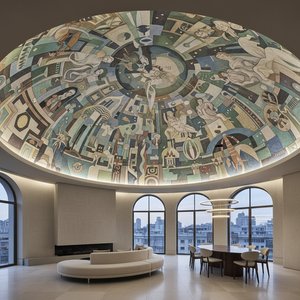
Ercole Procaccini the Elder (1520-1595): A Bolognese Master of Ceiling Decoration

Ercole Procaccini the Elder, born in Bologna around 1520, stands as a pivotal figure within the burgeoning Italian Mannerist movement. While overshadowed by contemporaries like Parmigianino and Bronzino, Procaccini’s distinctive style—characterized by elongated figures, stylized drapery, and an unsettling psychological depth—left an indelible mark on Bolognese art and exerted considerable influence across Europe. His legacy resides primarily in his breathtaking ceiling decorations, which continue to captivate viewers with their masterful illusionism and expressive narratives. Procaccini's formative years were steeped in the artistic traditions of Bologna, a city renowned for its humanist scholarship and burgeoning patronage during the Renaissance. He apprenticed under Giovanni Battista Dolce Vita, absorbing the principles of classical sculpture and humanist ideals that underpinned Bolognese art at the time. However, Procaccini swiftly diverged from Dolce Vita’s more restrained aesthetic, embracing a bolder approach that foreshadowed the stylistic innovations of Mannerism. This inclination towards experimentation would prove to be his defining characteristic throughout his career. His artistic output spanned across numerous commissions, primarily focused on decorating churches and aristocratic residences with monumental ceiling frescoes. Procaccini's technique involved meticulous preparation—creating detailed sketches and studying anatomical models—followed by painstaking layering of pigments to achieve remarkable depth and luminosity. He skillfully employed atmospheric perspective, blurring distant elements to heighten the illusion of space and conveying a sense of drama and emotion. Notably, his frescoes in Sant’Agostino church depict biblical scenes with an unsettling realism that reflects the anxieties of the era – a departure from the idealized representations prevalent during earlier Renaissance periods. Procaccini's influence extended beyond Bologna, reaching artists across Italy and even venturing into Northern Europe. His compositional innovations—particularly the use of pyramidal structures and dramatic diagonals—became hallmarks of Mannerist style. Furthermore, his exploration of psychological realism—capturing subtle expressions of emotion and conveying inner turmoil—challenged conventional artistic conventions and paved the way for subsequent developments in Baroque art. He is considered to be one of the most important Bolognese painters of the 16th century. Despite a relatively modest output compared to some of his peers, Procaccini’s enduring fame rests on the sheer grandeur and emotional intensity of his ceiling decorations. These artworks continue to inspire admiration for their technical brilliance and artistic vision—testaments to Procaccini's unwavering commitment to pushing the boundaries of artistic expression during a period marked by profound intellectual and cultural transformation. His contribution to Italian Mannerism secures him a place among the most significant artists of his time, ensuring that his legacy persists through centuries of art historical scholarship.