


 Peržiūrėti realybėje
 Pasidalinti
 Dalintis
 Išsamiau

 Atsisiųsti
 Panašūs eksponatai
 Rentgeno nuotrauka
 Automatinė diorama
Mikelijaus II papūčio eskizas
 Akrilas ant drobės
- Sieninis menas
- Mannerist Expression
 580.0 x 393.0 cm
 Staatliche Museen zu Berlin
 Skaityti daugiau
Rankų darbo aliejinės reprodukcijos
Rankiniu būdu tapytas aliejus ant droblio jūsų pageidaujamame dydį ir rėmuose – mūsų menininkų darbas pagal užsakymą. ( Pirkti spaudinį Pirkti vaizdą)




P118B $10

P118H $10

P118W $10

P438Z $10

P508JH $12

P508YH $12

P805H $10

P805Z $10

P919BZ $10

P919G $10

P919XJ $10

P959ZH $10

P968JZ $12

W106C $8

W218G $10

W218JH $8

W218Y $10

W307PJ $10

W316G $10

W316PJ $8

W316Y $10

W398PJ $8

W4111J $10

W500HY $15

W500JH $15

W692G $12

W849H $8

W940BG $15

W953PJ $8




Pasirinkite iš mūsų nustatytų dydžių, atitinkančių originalaus meno kūrinio proporcijas.

Galite įvesti savo matmenis, kad jie atitiktų konkretų rėmą ar erdvę. Jei pasirinktas dydis neatitinka originalaus paveikslėlio proporcijų, mes arba apkropsime meno kūrinį, arba papildysime tapybą rankomis dažytい elementais. Prieš pradėdami gamybą, jūsų patvirtinimui atsiųsime skaitmeninį maketą.
Atkreipkite dėmesį, kad ekrane rodomas vaizdas neatspindi tikrojo apkarpymo ar papildymo. Tik maketas tiksliai parodys galutinę kompoziciją.
Nors galima rinktis ir individualius dydžius, rekomenduojame pasirinkti matmenis iš nustatytos sąrašo, kad būtų išlaikytos originalios proporcijos.
Gavus užsakymą, AllPaintingsStore.com komanda susisieks su klientu el. paštu dėl instrukcijų ir pateiks maketo pavyzdį.
Pristatymas visame pasaulyje () per 3–4 savaites, o ne įprastai – per 5 savaites. (13 rugpjūtis). Kokybė lieka nepakeičiama.

Nemokamas greitasis pristatymas visame pasaulyje

Aukštos kokybės lininis drobė

Pilnas siuntimo draudimas

Muitinės mokesčių grąžinimo garantija

Tikro spalvų atitikimo garantija

60 dienų grąžinimo politika (tik esant gamyklinėms defektams)

100% pinigų grąžinimo garantija

Nuolaida už kelias reprodukcijas
 Stiklo variantas prieinamas tik pasirinkus dydį iki 110 cm

Mikelijaus II papūčio eskizas
Reprodukcijos technika
Reprodukcijos matmenys
-


Galutinė kaina
$ 258
Kūrinio aprašymas
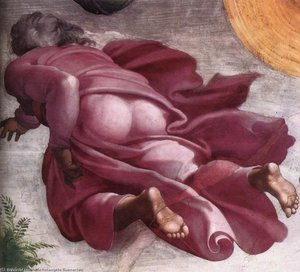
Michelangelo's Draft for the Tomb of Julius II – Giacomo Rocca
Giacomo Rocca’s contribution to Renaissance art remains largely unrecognized outside specialist circles, yet his work embodies a profound artistic vision rooted in the fervent piety of Rome during the papal reign of Gregory XIII. Born around 1592, Rocca’s biographical details are scarce, primarily gleaned from Giovanni Baglione's *Le Vite dei Pittori, Scultori et Architetti dal Pontificato di Gregorio XIII del 1572 in fino a tempi di Papa Urbano VIII nel 1642*, which offers invaluable documentation of the artistic environment he inhabited. This chronicle underscores Rocca’s formative years under the tutelage of Daniele da Volterra, a sculptor and painter whose stylistic influence decisively shaped Rocca's oeuvre—a commitment to dramatic expression characterized by distorted figures, exaggerated poses, and palpable emotion. The artwork itself – Michelangelo’s Draft for the Tomb of Julius II – is a meticulously rendered pen and brown ink drawing accompanied by subtle brown washes. Measuring 580 x 393 cm, it represents Rocca's masterful adaptation of Michelangelo’s original design for the tomb commission undertaken in response to Pope Julius II’s death in 1513. The ambitious project demanded a reimagining of the monumental scheme initially conceived, shifting from a freestanding sculpture to a wall mural integrated into the chapel’s architectural space. This pivotal decision necessitated a revised drawing by Rocca—a faithful reproduction mirroring Michelangelo's original sketch with astonishing precision.- Historical Context: The commission arose from Pope Julius II’s desire for a grand memorial commemorating his papacy and reflecting the spiritual aspirations of the era. Michelangelo’s initial vision was revolutionary, aiming to elevate Christian iconography through sculptural grandeur. Rocca's drawing captures this spirit of innovation.
- Style & Technique: Rocca’s style aligns squarely with Mannerism—a movement characterized by stylized forms, elongated proportions, and a deliberate rejection of classical ideals. The meticulous penwork demonstrates exceptional draughtsmanship, while the brown washes imbue the composition with depth and luminosity.
- Symbolism: The drawing depicts Christ enthroned as ruler of the world, flanked by St Peter and other apostles—symbols central to Christian theology representing divine authority and spiritual leadership. The scroll held aloft by St Peter embodies law and righteousness, furthering the artwork’s didactic purpose.
panašūs kūriniai


Autoriaus biografija
Giacomo Rocca (1592 – c. 1605): A Mannerist Vision of Faith and Patronage
Giacomo Rocca, a name largely absent from mainstream art historical narratives, nevertheless represents a significant contribution to the artistic landscape of late Renaissance Italy—specifically within the fervent devotional fervor surrounding Santa Maria degli Angeli in Rome. Born sometime around 1592, Rocca’s life remains shrouded in relative obscurity, primarily documented through Giovanni Baglione's *Le Vite dei Pittori*, Scultori et Architetti dal Pontificato di Gregorio XIII del 1572 in fino a tempi di Papa Urbano VIII nel 1642*, which offers invaluable insight into the artistic milieu of his era.
Rocca’s formative years were spent under the tutelage of Daniele da Volterra, a celebrated Mannerist sculptor and painter whose influence profoundly shaped Rocca's stylistic trajectory. Da Volterra championed a dramatic, expressive approach characterized by distorted figures, exaggerated poses, and intense emotional intensity—elements that would become hallmarks of Rocca’s oeuvre.
The Frescoes of Santa Maria degli Angeli
Rocca’s most enduring legacy resides in his monumental frescoes adorning the first chapel on the right of Santa Maria degli Angeli e dei Martiri, a basilica renowned for its opulent decoration and patronage by Cardinal Alessandro Farnese. Collaborating closely with Michele degli Alberti, Rocca undertook the ambitious task of depicting scenes from the Old Testament—specifically Prophets and Sibyls—and subjects commemorating Saint Francis Xavier, a pivotal figure in Jesuit missionary activity.
These frescoes exemplify the Mannerist preoccupation with psychological realism and symbolic grandeur. Rocca skillfully employed tenebrismo—a technique pioneered by Caravaggio—to create dramatic chiaroscuro effects that heighten emotional impact and convey profound spiritual contemplation. The figures are rendered with meticulous detail, capturing subtle nuances of expression and gesture, reflecting Da Volterra’s influence.
Style and Technique
Rocca's artistic style is firmly rooted in the Mannerist tradition, distinguished by its rejection of classical ideals of beauty and harmony. Instead, he embraced distortion, asymmetry, and expressive exaggeration—methods designed to elicit a visceral response from the viewer. His palette favored muted tones—primarily ochres, siennas, and umbers—creating an atmosphere of solemn contemplation.
Furthermore, Rocca’s meticulous attention to detail—evident in his rendering of drapery folds and facial expressions—demonstrates a mastery of disegno—the Italian term for drawing—a cornerstone of Renaissance artistic training. Like Da Volterra, Rocca prioritized conveying emotion over mere visual representation, prioritizing psychological depth and spiritual significance.
Legacy and Influence
Despite the paucity of biographical information, Giacomo Rocca’s contribution to Roman art history remains undeniable. His frescoes at Santa Maria degli Angeli stand as testament to the enduring power of Mannerist aesthetics—a style that continues to inspire artists today. Though overshadowed by more prominent contemporaries, Rocca's work embodies a distinctive vision of faith and artistic expression—a poignant reminder of the rich tapestry of creativity within Renaissance Italy.

giacomo rocca
1592 - 1605 , Italy
Trumpa informacija
- Artistic Movement Or Style: Mannerist
- Artists Or Movements Influenced By This Artist: ['Michelangelo']
- Artists Who Influenced This Artist: ['Daniele da Volterra']
- Date Of Death: between 1592 and 1605
- Full Name: Giacomo Rocca
- Nationality: Italian
- Notable Artworks:
- Frescoes in the Ricci Chapel
- Roman Triumphs
- Place Of Birth: Italy
Susiję straipsniai

The Ashcan School: A Guide to Urban Realism for Professional Interior Design and Hospitality Procurement
Discover the raw energy of the Ashcan School. Our guide for hotel designers explores urban realism, offering professional insights into sourcing hand-painted oil reproductions and custom large-scale murals for high-end hospitality and corporate interiors.

The Barbizon School: A Professional Guide to Naturalism and Landscape Mastery for Interior Designers
Explore the Barbizon School's mastery of naturalism. An expert guide for hotel designers and procurement managers on sourcing high-quality landscape reproductions to elevate hospitality and corporate interiors with authentic, large-scale fine art solutions.

The Renaissance Masters: A Comparative Study of Leonardo, Michelangelo, and Raphael
Explore the profound technical and philosophical differences between Leonardo, Michelangelo, and Raphael. A deep dive into High Renaissance mastery, from sfumato to anatomical precision, designed for art students and scholars seeking academic depth.



