


 Peržiūrėti realaus dydžio版
 Siųsti
 Dalintis
 Išsamiau
 Gidas
Gidas

 Atsisiųsti
 Panašūs eksponatai
 Rentgeno spindulių nuotrauka
 Diaporama
 Statistika
Šventosios Marijos Užėjimą į Žymią
 Akrilas ant drobės
- Sieninis menas
- Baroque Style
 1665
1665 237.0 x 169.0 cm
 Prado muziejus
 Rodyti daugiau
Rankų darbo aliejinės reprodukcijos
Rankiniu būdu tapytas aliejus ant droblio jūsų pageidaujamame dydį ir rėmuose – mūsų menininkų darbas pagal užsakymą. ( Perjungti į spausdinimą Perejti prie skaitmeninių vaizdų)




P118B $10

P118H $10

P118W $10

P438Z $10

P508JH $12

P508YH $12

P805H $10

P805Z $10

P919BZ $10

P919G $10

P919XJ $10

P959ZH $10

P968JZ $12

W106C $8

W218G $10

W218JH $8

W218Y $10

W307PJ $10

W316G $10

W316PJ $8

W316Y $10

W398PJ $8

W4111J $10

W500HY $15

W500JH $15

W692G $12

W849H $8

W940BG $15

W953PJ $8




Pasirinkite iš mūsų nustatytų dydžių, atitinkančių originalaus meno kūrinio proporcijas.

Galite įvesti savo matmenis, kad jie atitiktų konkretų rėmą ar erdvę. Jei pasirinktas dydis neatitinka originalaus paveikslėlio proporcijų, mes arba apkropsime meno kūrinį, arba papildysime tapybą rankomis dažytい elementais. Prieš pradėdami gamybą, jūsų patvirtinimui atsiųsime skaitmeninį maketą.
Atkreipkite dėmesį, kad ekrane rodomas vaizdas neatspindi tikrojo apkarpymo ar papildymo. Tik maketas tiksliai parodys galutinę kompoziciją.
Nors galima rinktis ir individualius dydžius, rekomenduojame pasirinkti matmenis iš nustatytos sąrašo, kad būtų išlaikytos originalios proporcijos.
Gavus užsakymą, AllPaintingsStore.com komanda susisieks su klientu el. paštu dėl instrukcijų ir pateiks maketo pavyzdį
Pristatymas visame pasaulyje () per 3–4 savaites, o ne įprastai – per 5 savaites. (24 rugsėjis). Kokybė lieka nepakeičiama.

Nemokamas greitasis pristatymas visame pasaulyje

Aukštos kokybės lininis drobė

Pilnas siuntimo draudimas

Muitinės mokesčių grąžinimo garantija

Tikro spalvų atitikimo garantija

100 dienų grąžinimo politika (tik esant įtaigoms)

100% pinigų grąžinimo garantija

Nuolaida dideliems užsakymams
 Stiklo variantas prieinamas tik pasirinkus dydį iki 110 cm

Šventosios Marijos Užėjimą į Žymią
Reprodukcijos technika
Reprodukcijos dydis
-


Visų pasirinktų variantų kaina
$ 258
Juan Martín Cabezalero ir „Švietimo Švėtis“
Juan Martín Cabezalero (1633–1673) buvo žymus ispaniškas Baroko dailininkas, kuris išsiskiria savo įmantriomis veiksniais ir emocijomis kupinėmis kūriniais. Jo darbų katalogo šiek tiek mažai yra, tačiau kiekvieną iš jų galima įvertinti kaip reikšmę istorijai ir meno estetikai. Štai vienas iš jo svarbiausių darbų – „Švietimo Švėtis“ („La Asunción de la Virgen María”), kuriame įvyko įvykis, kuris išraiškino religinį pasaulį XVII amžiaus paskutinėmis metais.- Šūdymai Baroko stiliumi: Cabezalero kūriniai yra įvykę Baroko estetikoje – dramiška šviesa, ryški spalvos ir detalūs veiksniai. Štai kaip jis išreiškė savo pasaulį!
- Technika ir medžiagos: Dailininkas naudojo aukštą meistriškumą dažant drobę naudojant užtikrintą skutinio techniką, kuri buvo labai įtakinga tuo metu vyravusiai meno tradicijai. Štai kaip jis įvaldė savo meistriškumą!
- Simbolika: Švietimo Švėtis yra užpildyta simboliais – šventosios Marijos aukštynėjimas į dangų, angelai, kuriuos globojo aukščiausioji religinė autoritetė.
Susiję kūriniai


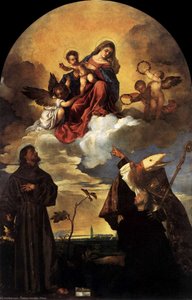


Autoriaus biografija
A Life Illuminated by Shadow and Reflection: Juan Martín Cabezalero
Juan Martín Cabezalero, born in Almaden, Spain, in 1633, emerged from the rich artistic tapestry of the Spanish Baroque period. While biographical details remain somewhat elusive – a common fate for artists operating outside the immediate orbit of courtly patronage – his surviving works speak volumes about a talent deeply attuned to both the spiritual fervor and the natural world of his time. Almaden, famed for its mercury mines, provided an unusual backdrop for a budding artist; perhaps the play of light and shadow within the depths of those mines subtly informed Cabezalero’s later mastery of chiaroscuro. He died in 1673, leaving behind a relatively small but profoundly impactful body of work that continues to captivate viewers with its evocative power. His career unfolded during a period of intense religious devotion in Spain, and this is undeniably reflected in the subject matter he chose to depict.The Spiritual Core: Religious Paintings and Artistic Influences
Cabezalero’s oeuvre is dominated by religious scenes, primarily focusing on depictions of saints, martyrs, and moments from the lives of Christ and the Virgin Mary. These are not grand, sweeping narratives intended to overwhelm with spectacle; rather, they are intimate studies in faith, suffering, and divine grace. His paintings possess a quiet intensity, drawing the viewer into the emotional core of each scene. The influence of Francisco Ribalta is readily apparent in Cabezalero’s early works – particularly in his use of somber palettes and dramatic lighting to create a sense of profound realism. However, Cabezalero quickly developed his own distinct style, moving away from Ribalta's more rigid compositions towards a softer, more nuanced approach. He also absorbed elements from the work of José de Zurbará, evident in the austere dignity he imbues in his depictions of monastic figures and saints. The emphasis on realism wasn’t merely technical; it was intended to foster a deeper connection between the viewer and the sacred subject matter.Beyond the Divine: Animal Studies and ‘The Dog and the Moon’
While celebrated for his religious paintings, Cabezalero also distinguished himself through his remarkable animal studies – particularly those featuring dogs. These works are not simply portraits of animals; they are imbued with a psychological depth rarely seen in contemporary depictions. His most famous painting, The Dog and the Moon, exemplifies this unique talent. The scene depicts a dog gazing intently at its reflection in water, mistaking it for another canine. This seemingly simple image is rich with symbolism, often interpreted as an allegory of human vanity and self-deception – a reminder that we are often misled by appearances. The painting’s enduring appeal lies in its ability to resonate on multiple levels, inviting contemplation about the nature of perception, reality, and the limitations of our own understanding. The meticulous detail with which Cabezalero renders the dog's fur, eyes, and expression speaks to his exceptional technical skill, but it is the underlying philosophical message that truly elevates the work.Technique and Legacy: A Master of Chiaroscuro
Cabezalero’s technique is characterized by a masterful use of chiaroscuro – the dramatic contrast between light and shadow. He employed this technique not merely to create visual impact, but to sculpt form, heighten emotional intensity, and guide the viewer's eye. His brushwork is generally smooth and refined, although he occasionally employs looser strokes to suggest texture and movement.- His color palette tends towards earth tones – browns, ochres, and grays – punctuated by occasional flashes of red or blue.
- He was adept at creating a sense of depth and atmosphere through subtle gradations of light and shadow.
- The composition of his paintings is typically balanced and harmonious, although he often introduces elements of asymmetry to create visual interest.

juan martín cabezalero
1633 - 1673 , Spain
Trumpa informacija apie kūrėją
- Artistic Movement Or Style: Baroque Painting
- Artists Or Movements Influenced By This Artist: ['José Jiménez Donoso']
- Artists Who Influenced This Artist: ['Anthony van Dyck']
- Date Of Birth: August 1645
- Full Name: Juan Martín Cabezalero
- Nationality: Spanish
- Notable Artworks:
- Saint Jerome
- The Dog and the Moon
- Place Of Birth: Almadén, Spain
Susiję straipsniai

The Dramatic Flourish: Exploring the Baroque Movement's Enduring Legacy in Art History
Explore the dramatic world of Baroque art! Discover iconic artists like Caravaggio & Rubens, defining techniques, and its lasting impact on art history. Expert insights for collectors & enthusiasts at AllPaintingsStore.

Baroko Šedevrai: 10 Menų Simbolių, Apibūdinusių Epoką | AllPaintingsStore
Atraskite 10 baroko šedevrų, kurie apibrėžė epoką! Karolis Rubenzas, Berninis ir kiti meistrai – jų kūriniai, istorijos bei spalvos. Aukščiausios kokybės dailės reprodukcijos ir interjero įkvėpimas AllPaintingsStore.com. Išnagrinėkite visą kolekciją internete!

Juan de Valdés Leal: Baroque Realism, Memento Mori & Theatricality of Spanish Grief
Explore the powerful Baroque realism of Juan de Valdés Leal (1622-1690). Discover his somber masterpieces, iconic 'In Ictu Oculi', and profound explorations of mortality. Museum-quality reproductions available at AllPaintingsStore.

The Golden Age Reforged: Dramatic Realism & Religious Zeal in Spanish Baroque Art
Explore the dramatic world of Spanish Baroque art! Discover masters like Zurbarán & the powerful influence of religious zeal on painting techniques – a guide for collectors and enthusiasts.
Spanish Baroque Art: The Dramatic Mastery of Light and Shadow in the Age of Velázquez
Explore the profound drama of Spanish Baroque art. Delve into the mastery of light, shadow, and realism through the legendary works of Diego Velázquez and the Spanish Golden Age.


