Pinigų grąžinimo garantija · 100 dienų Nemokamas pristatymas į visas pasaulio valstybes
646.446kūriniai 53.409menininkai 5.406muziejai 32kalbos
Alan Davie portretas

Alan Davie tapiai: 36 garsiausių, išvardytų pagal rangą

Atnaujinta spalis 2026 · pagal mūsų populiarumumo koeficientą (paieškos, lankytojai ir užsakymai kiekvienam kūriniui) · 36 Alan Davie darbai mūsų kataloge

Greitas atsakymas

Žymiausias Alan Davie paveikslas yra Woman Arranging Flowers (1945). Untitled Abstract ir Self Portrait with Brushes (1937) yra skaičiai du ir tris. Iš 36 Alan Davie darbų mūsų kataloge tai yra 36 garsiausi, surikiuoti pagal eilę, su nurodyta metais ir muziejumi, kad galėtumėte pasirinkti siųsti siuntinį.

1920 – 2014, Grangemouth Abstract expressionism Daugiausia darbų: The Pier Arts Centre

Alan Davie 10 geriausių paveikslų, išvardytų pagal rangą

Alan Davie tapiai, iš rango nuo 11 iki 36

Muziejai, kuriuose eksponuojami Alan Davie originalūs darbai

8 muziejai, kuriuose saugoma daugiausia šioje pusėje esamų paveikslų.

Muzejaus Miestas Alan Davie darbai Šiojo sąrašo paveikslai
The Pier Arts Centre, StromnessThe Pier Arts Centre Stromness 2 Symbols in a Landscape, Celtic Landscape (Dreamscape)
University of Hertfordshire, North HatleyUniversity of Hertfordshire North Hatley 1 Hopi Studies No.32, Opus 0.1173
Scottish National Gallery of Modern Art, EdinburgasScottish National Gallery of Modern Art Edinburgas 1 Magic Casket
The Mercer Art Gallery, HarrogateThe Mercer Art Gallery Harrogate 1 Magician's Mirror No.2
Pembroke College Oxford Jcr Art Collection, OxfordPembroke College Oxford Jcr Art Collection Oxford 1 Without Devices
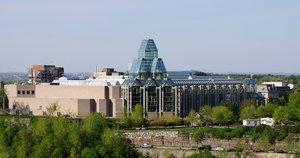
Kanados Nacionalinė galerija, OtavaKanados Nacionalinė galerija Otava 1 Around and Around in the Pink
The Fleming Collection, LondonThe Fleming Collection London 1 Flowers on a Table
Fitzwilliam College, CambridgeFitzwilliam College Cambridge 1 Prophet in a Tree, 1963

Alan Davie pagal dešimtmečius: geriausias tapas kiekvienam

Darbai pagal dešimtmečius

Pasirinkite dešimtmetį, kad pamatytėte jo geriausią tapybą.

Alan Davie paveikslai: dažniausiai užduodami klausimai

Koks yra garsiausias Alan Davie paveikslas?Rodyti atsakymą

Woman Arranging Flowers (1945) užima pirmą vietą, o paskui sekia Untitled Abstract ir Self Portrait with Brushes (1937).

Kokia buvo Alan Davie amžius, kai buvo nupieštas kūrinys Woman Arranging Flowers?Rodyti atsakymą

Alan Davie buvo 25 metų: Woman Arranging Flowers datuota 1945 m., o Alan Davie gimė 1920.

Kokie yra 10 geriausių Alan Davie paveikslų?Rodyti atsakymą

Woman Arranging Flowers, Untitled Abstract, Self Portrait with Brushes, The Saint, Entrance to a Paradise, Jingling Space, Ram Grip, Piggy Chain, Joy Bag No. 1 ir Entrance For A Red Temple No. 4. Kiekvieno kūrinio metai ir muziejus nurodyti viršuje esančiame reitinge.

Kiek Alan Davie darbų jūs siūlote?Rodyti atsakymą

Mūsų kataloge yra 36 Alan Davie darbų, datuoti nuo 1937 iki 2004.

Kur saugomi originalūs Alan Davie paveikslai?Rodyti atsakymą

Daugiausia – The Pier Arts Centre (Stromness), University of Hertfordshire (North Hatley) ir Scottish National Gallery of Modern Art (Edinburgas). Pilną sąrašą rasite virš esančioje muzejos lentelėje.

Kuri laikotarpis sukūrė garsiausias Alan Davie paveikslus?Rodyti atsakymą

1990s laikotarpyje: 10 iš čia esamų 36 paveikslų kilę iš to laiko, įskaitant Hopi Studies No.32, Opus 0.1173.

Kokie yra ankstyviausi ir vėliausi garsieji Alan Davie paveikslai?Rodyti atsakymą

Pirmiausia šioje puslapyje: Self Portrait with Brushes (1937). Paskutinė: Without Devices (2004).

Su kokiu kierliu siejama Alan Davie?Rodyti atsakymą

Abstract expressionism, remiantis šioje pusėje pateiktais paveiksliais.

Kurių Alan Davie originalūs darbai yra The Pier Arts Centre?Rodyti atsakymą

The Pier Arts Centre, Stromness kolekcijoje yra 2 šių įrangių paveikslų, įskaitant Symbols in a Landscape ir Celtic Landscape (Dreamscape).

Apie šį menininką: Alan Davie

Alan Davie: A Visionary Bridging Zen and Surrealism

James Alan Davie (September 28, 1920 – April 5, 2014) was a Scottish painter and musician whose distinctive style fused abstract expressionism with influences from Zen Buddhism and surrealist art. Born in Grangemouth, Scotland, Davie’s artistic journey began at Edinburgh College of Art in the late 1930s where he honed his skills before serving in World War II. His early exhibitions showcased a burgeoning talent for capturing ethereal landscapes and exploring profound symbolic representations.
  • Early Influences: Davie's formative years were marked by exposure to European avant-garde movements, particularly Surrealism. He was deeply impacted by artists like Joan Miró and Paul Klee, whose playful use of form and color resonated with his own artistic sensibilities.
  • Zen Buddhism’s Impact: A pivotal moment arrived when Davie encountered Eugen Herrigel's book “Zen in the Art of Archery,” sparking an interest in Zen philosophy. He embraced its emphasis on spontaneity and intuitive action, believing that true creativity stemmed from releasing conscious control—a principle he actively applied to his painting process.
  • Technique & Method: Davie’s approach was revolutionary. Often working on paper, he employed a technique of layering paint until the original canvas was obscured, creating textured surfaces brimming with hidden depths. He famously stood above his paintings during execution, allowing gravity and chance to guide the application of pigment—a method mirroring Pollock's drip painting style.

Exploring Symbolism & Jungian Psychology

Davie’s artistic vision extended beyond mere visual aesthetics; he viewed art as a conduit for spiritual exploration, drawing inspiration from Carl Jung’s theories of archetypes and the unconscious mind. Like Pollock and Miró, he sought to tap into primal energies and communicate universal symbols—a conviction rooted in his belief that cultures across the globe share fundamental artistic expressions. He likened himself to a shaman, recognizing art's capacity to connect with realms beyond rational comprehension.
  • Celtic Roots: Davie’s fascination with Celtic mythology and symbolism profoundly shaped his imagery. Recurring motifs of spirals, circles, and stylized landscapes reflected ancient traditions and conveyed ideas of interconnectedness and transformation.
  • Jungian Resonance: Influenced by Jung's concept of the collective unconscious, Davie aimed to depict hidden patterns and archetypal energies—a deliberate effort to engage viewers on a subconscious level.

Notable Works & Artistic Achievements

Davie’s oeuvre comprises numerous paintings and screenprints that exemplify his distinctive style. Among his most celebrated pieces are “Woman Arranging Flowers” (1945), “Entrance For A Red Temple No. 4” (1960) and "The Magician's Mirror No.3 (Opus 1450)" (2000). These works demonstrate his mastery of color, texture, and compositional dynamism—characteristics that solidified his reputation as a leading figure in British abstract expressionism. His paintings are held in collections worldwide, including the Fine Arts Gallery in San Diego.

Legacy & Historical Significance

Alan Davie’s contribution to art history lies in his pioneering blend of Zen philosophy and Surrealist techniques—a synthesis that challenged conventional artistic norms and paved the way for a more expansive understanding of creative expression. He remains an influential artist whose work continues to inspire contemporary artists and collectors alike, embodying a spirit of experimentation and unwavering devotion to conveying profound symbolic meaning. His enduring legacy resides in his ability to capture the essence of human experience through evocative imagery and transformative textures—a testament to the power of art as a vehicle for spiritual contemplation.

Visi 36 Alan Davie darbai →