


 Bekijk op ware grootte
 Verstuur
 Delen
Delen
 Details bekijken
 Gids
Gids

 Download
 Vergelijkbare items
 Röntgenonderzoek
 Diavoorstelling
 Statistieken
Susanna en de Oudsten
 Olieverf op canvas
- Wanddecoratie
- Baroque Dramatic Realism
 1610
1610- Vroegmoderne tijd
 170.0 x 121.0 cm
 Schloss Weißenstein
 Lees meer
Handgemaakte olieverfreproductie
Met de hand geschilderd in olieverf op canvas in uw gewenste maat en lijst, op bestelling gemaakt door onze kunstenaars. ( Schakel over naar print Schakel over naar digitale afbeeldingen)




P118B $10

P118H $10

P118W $10

P438Z $10

P508JH $12

P508YH $12

P805H $10

P805Z $10

P919BZ $10

P919G $10

P919XJ $10

P959ZH $10

P968JZ $12

W106C $8

W218G $10

W218JH $8

W218Y $10

W307PJ $10

W316G $10

W316PJ $8

W316Y $10

W398PJ $8

W4111J $10

W500HY $15

W500JH $15

W692G $12

W849H $8

W940BG $15

W953PJ $8




Kies uit onze vooraf ingestelde maten die overeenkomen met de originele verhoudingen van het kunstwerk.

U kunt uw eigen afmetingen invoeren om in een specifieke lijst of ruimte te passen. Als de door u gekozen maat niet overeenkomt met de verhoudingen van het originele beeld, zullen we het kunstwerk bijsnijden of het schilderij uitbreiden met extra handgeschilderde elementen. Een digitale mockup wordt ter goedkeuring naar u verzonden voordat de productie begint.
Houd er rekening mee dat de preview op het scherm niet de werkelijke uitsnede of uitbreiding weergeeft. Alleen de mockup toont de uiteindelijke compositie nauwkeurig.
Hoewel aangepaste afmetingen mogelijk zijn, raden we aan een maat uit de vooraf gedefinieerde lijst te selecteren om de originele verhoudingen te behouden.
Na de bestelling zal het team van AllPaintingsStore.com per e-mail contact opnemen met de klant voor instructies en een mockup-voorbeeld sturen.
Wereldwijde levering () binnen 3 tot 4 weken in plaats van de standaard 5 weken. (21 september). Zonder concessies aan de kwaliteit.

Gratis wereldwijde expressverzending

Hoogwaardig linnen canvas

Volledige verzendverzekering

Garantie op terugbetaling van invoerrechten

Garantie op exacte kleurweergave

Retourbeleid van 100 dagen (alleen bij defecten)

100% Geld-terug-garantie

Korting bij meerdere afnames
 De optie voor glas is alleen beschikbaar bij een formaat kleiner dan 110 cm.

Susanna en de Oudsten
Reproductiemethode
Formaat reproductie
-


Totaalprijs
$ 283
Susanna en de Oudsten: Een Triumph van Barok Kunst
Artemisia Gentileschi’s “Susanna en de Oudsten” (1610) is een kunstwerk dat voortdurend fascineert en inspireert. Deze schilderij, afkomstig uit het hoogtijdagenste periode van de Barok, biedt een prachtige illustratie van een verhaal uit het boek Daniël – een verhaal over moed, kracht en bovenal een diepe emotionele resonans. Gentileschi’s werk staat los van haar tijdgenoten, omdat hij een unieke kijk op dit populaire thema biedt, waarbij zij niet alleen een historische gebeurtenis weergeeft maar ook een complexe psychologische analyse uitvoert. Een kunstenaar die zich bewust was van het belang van persoonlijke expressie en een scherp oog had voor de nuances van menselijke emoties.Een Barok Visioen Onder Caravaggio’s Invloed
Gentileschi’s stijl is sterk beïnvloed door Caravaggio, een kunstenaar die revolutionaire technieken gebruikte om licht en schaduw te combineren – een manier waarop hij het publiek nog steeds aanspoort tot verwondering. Het gebruik van *chiaroscuro*, waarbij intense lichtcontrasten worden toegepast, creëert een gevoel van dramatische diepte en beweging. De compositie is dynamisch geplaatst, met vloeiende lijnen die spanning en energie uitstralen. Gentileschi’s kunstenaarschap laat zien dat hij een meester was in het gebruik van licht om emotie en aandacht te kanaliseren – een kwaliteit die zelden voorkomt bij andere kunstenaars van zijn tijd. Een prachtige manier om de aandacht van de kijker naar het belangrijkste element van het schilderij te leiden: Susanna’s gezicht, waar het licht bijzonder sterk staatpunt laat zien.Naturalisme en Emotionele Diepte
Wat Gentileschi echt onderscheidt van haar tijdgenoten is haar ongeëvenaarde beheersing van het natuurlijke beeldmateriaal. Haar afbeelding van Susanna is niet alleen realistisch maar ook emotioneel aangrijpend. De manier waarop ze de vrouwelijke figuur weergeeft, met aandacht voor anatomische details en subtiele bewegingen, is een bewijs van haar technische vaardigheid en artistieke visie. Het lichaam wordt niet alleen gerepresenteerd als fysiek maar ook als emotioneel centrum – een belangrijk principe binnen de kunst van Gentileschi. Een prachtige manier om het publiek mee te nemen in een wereld van gevoelens en ervaringen.Symbolisme en Historische Context
Het schilderij is rijk aan symbolische betekenis. Susanna staat voor zuiverheid en eerlijkheid, terwijl de oudsten symbool staan voor corruptie en onderdrukking. De stenen trap waarop Susanna zit kan worden gezien als een metafoor voor haar persoonlijke reis naar zelfbewustzijn en kracht – een thema dat ook terugkomt in veel kunstwerken uit dezelfde periode. Gentileschi’s keuze om het verhaal niet te plaatsen in een tuin, zoals gebruikelijk was, maar juist in een stenen omgeving draagt bij aan de symbolische lading van het werk. Een prachtige manier om een verhaal over persoonlijke groei en transformatie weergegeven. Het schilderij spreekt tot het publiek op verschillende niveaus – zowel intellectueel als emotioneel – waardoor het een blijvend kunstwerk blijft dat nog steeds relevante thema’s behandelt.Een Laatste Kijk
“Susanna en de Oudsten” is meer dan alleen een prachtige afbeelding; het is een kunstwerk dat een belangrijke plaats inneemt in de geschiedenis van kunst en kunstgeschiedenis. Het laat zien hoe Gentileschi haar tijdgenoten kon overtreffen door middel van technische innovatie en emotionele expressie – een artistieke kwaliteit die tot op de dag van vandaag wordt bewonderd en nagevolgd. Een kunstwerk dat je niet snel vergeet en dat je blijft aanspoort tot nadenken over thema’s als macht, verantwoordelijkheid en persoonlijke kracht. Een echte klassieker!Gerelateerde kunstwerken


Biografie van de kunstenaar
A Daughter of Rome: The Life and Art of Artemisia Gentileschi
Artemisia Gentileschi’s name echoes through the halls of art history, resonating not simply as that of a painter, but as an emblem of resilience, defiance, and extraordinary artistic talent in a world determined to silence female voices. Born in Rome in 1593, she entered a milieu steeped in artistry—her father, Orazio Gentileschi, was a respected painter deeply influenced by the revolutionary realism of Caravaggio. From her earliest years, Artemisia’s gift was undeniable, nurtured within her father's workshop where she absorbed techniques of composition and the dramatic use of light and shadow that would become hallmarks of her distinctive style. This formative training wasn’t merely about mastering brushstrokes; it was an immersion into a world of artistic ambition, one typically closed to women. Recognizing his daughter’s exceptional talent, Orazio provided opportunities unavailable to most females of the era, allowing her to study from life models—a crucial step in developing anatomical accuracy and expressive power.Shadows and Strength: Artistic Development
Gentileschi's artistic development was profoundly shaped by Caravaggio’s tenebrism—the stark contrast between light and darkness that imbued his paintings with an intense emotionality. Yet, she didn’t simply mimic her father or Caravaggio; she forged her own unique voice, characterized by a raw psychological depth and a compelling focus on female subjects often depicted with unprecedented agency and strength. Even in her early works, like *Susanna and the Elders* (1610), a biblical scene depicting Susanna being spied upon by two lecherous old men, Artemisia’s interpretation diverges from traditional portrayals. Here, Susanna isn't passively vulnerable; she displays a quiet dignity and resistance, foreshadowing the powerful female figures that would dominate her later oeuvre. But it is *Judith Slaying Holofernes* (existing in multiple versions between 1614-1620) that cemented her reputation as a master of dramatic narrative and psychological realism. The painting isn’t merely a depiction of violence; it's an exploration of courage, determination, and the righteous fury of a woman defending her people. The visceral intensity, the unflinching portrayal of the act itself, shocked and captivated audiences then—and continues to do so today. Other notable works like *Judith and her Maidservant* (1625) and *Danaë* (c. 1636-1639) further demonstrate her evolving style, showcasing both vulnerability and power in her female protagonists. Her ability to render flesh with such realism, combined with a masterful use of chiaroscuro, created scenes that were both terrifying and deeply moving.A Trial by Fire: Trauma and Triumph
Artemisia’s life was irrevocably altered by a horrific event: her rape at the hands of Agostino Tassi, a fellow painter and colleague of her father. The ensuing trial (1611-1612) became a public spectacle, subjecting Artemisia to grueling questioning and societal scrutiny. While she bravely testified against Tassi, the proceedings were marred by bias and attempts to discredit her character. This trauma profoundly impacted her life and art, imbuing her work with an emotional intensity that some scholars believe is directly linked to her personal experiences. The trial itself became a symbol of the challenges faced by women seeking justice in a patriarchal society. Despite this ordeal, Artemisia refused to be defined by it. She continued to paint, moving between Rome, Florence, and Naples, establishing herself as a successful artist in her own right. In 1616, she achieved another milestone: becoming the first woman admitted to the Accademia di Arte del Disegno in Florence—a testament to her talent and perseverance. This achievement was not merely symbolic; it opened doors for future generations of female artists.Key Works
- Judith Slaying Holofernes (1614-1620): Perhaps her most famous work, showcasing dramatic realism and female empowerment.
- Susanna and the Elders (1610): An early masterpiece demonstrating her unique interpretation of a classic biblical scene.
- Judith and Her Maidservant (1625): A compelling portrayal of female solidarity and strength after a violent act.
- Danaë (c. 1636-1639): A sensual and psychologically complex depiction of the mythological figure.
Legacy of a Pioneer
Artemisia Gentileschi’s career spanned decades, marked by both artistic innovation and personal resilience. She worked for prominent patrons, including the Medici family, and established a thriving workshop, proving that women could not only excel as artists but also succeed in a traditionally male-dominated profession. For centuries, her work was often overshadowed by the circumstances of her life, viewed through the lens of scandal rather than artistic merit. However, beginning in the 20th century, there has been a significant reevaluation of her art, recognizing her as one of the most important and innovative painters of the Baroque period. Her paintings are now celebrated for their emotional depth, dramatic realism, and powerful depictions of women—not as passive objects but as active agents in their own narratives. Artemisia Gentileschi is more than just an artist; she’s a feminist icon, a trailblazer who defied societal expectations and left behind a legacy that continues to inspire generations. Her story serves as a potent reminder of the importance of recognizing and celebrating the contributions of women throughout history—and of ensuring that their voices are never silenced again. She painted not just with her hands, but with her soul.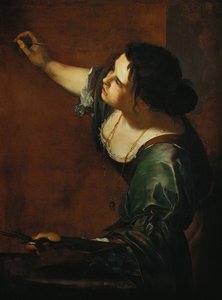
Artemisia Gentileschi
1593 - 1656 , Italië
Snelle feiten
- Artistic Movement Or Style: Barokke schilderkunst
- Artists Or Movements Influenced By This Artist: ['Feministische kunst']
- Artists Who Influenced This Artist:
- Caravaggio
- Orazio Gentileschi
- Date Of Birth: 8 juli 1593
- Date Of Death: ca. 1656
- Full Name: Artemisia Lomi Gentileschi
- Nationality: Italiaanse
- Notable Artworks:
- Judith onthoofdt
- Susanna en de oudsten
- Danaë
- Place Of Birth: Rome, Italië
Gerelateerde artikelen

Decoding Baroque Grandeur: A Masterclass in Drama, Movement, and Emotion in 17th-Century Art
Explore the breathtaking drama of 17th-century Baroque art. Discover how masters used chiaroscuro, movement, and intense emotion to create timeless grandeur in this expert guide for fine art enthusiasts.

The Visceral Stage: Exploring Dramatic Narratives & Emotional Intensity in Baroque Art
Explore the dramatic world of Baroque art! Discover iconic masters like Caravaggio & Rembrandt, their techniques, and the movement's lasting impact. Expert insights for collectors & enthusiasts at AllPaintingsStore.

The Dramatic Flourish: Exploring the Baroque Movement's Enduring Legacy in Art History
Explore the dramatic world of Baroque art! Discover iconic artists like Caravaggio & Rubens, defining techniques, and its lasting impact on art history. Expert insights for collectors & enthusiasts at AllPaintingsStore.

Top 10 Barok Meesterwerken: Kunstgeschiedenis voor uw Interieur | AllPaintingsStore.nl
Ontdek de 10 meest iconische Barok meesterwerken van Caravaggio, Rembrandt & Rubens! Duik in de geschiedenis en passie achter deze klassieke schilderijen. Vind museumkwaliteit reproducties voor uw interieur op AllPaintingsStore.com.

Barok Schilderwerk: Top 10 Meesterwerken die een Beweging Definieerden | AllPaintingsStore
Ontdek de 10 meest invloedrijke meesterwerken van het Barok schilderwerk! Caravaggio, Rembrandt & Rubens – leer over hun techniek en passie. Vind museumkwaliteit reproducties & interieurinspiratie op AllPaintingsStore.com.


