


 Bekijk op ware grootte
 Verstuur
 Delen
Delen
 Details bekijken
 Gids
Gids

 Download
 Vergelijkbare items
 Röntgenonderzoek
 Diavoorstelling
 Statistieken
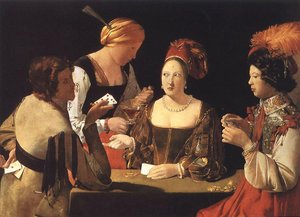
Bedrieger met de aas van ruiten
 Olieverf op canvas
- Wanddecoratie
- Barok
 1635
1635- Vroegmoderne tijd
 106.0 x 146.0 cm
 Louvre
 Lees meer
Handgemaakte olieverfreproductie
Met de hand geschilderd in olieverf op canvas in uw gewenste maat en lijst, op bestelling gemaakt door onze kunstenaars. ( Schakel over naar print Schakel over naar digitale afbeeldingen)




P118B $10

P118H $10

P118W $10

P438Z $10

P508JH $12

P508YH $12

P805H $10

P805Z $10

P919BZ $10

P919G $10

P919XJ $10

P959ZH $10

P968JZ $12

W106C $8

W218G $10

W218JH $8

W218Y $10

W307PJ $10

W316G $10

W316PJ $8

W316Y $10

W398PJ $8

W4111J $10

W500HY $15

W500JH $15

W692G $12

W849H $8

W940BG $15

W953PJ $8




Kies uit onze vooraf ingestelde maten die overeenkomen met de originele verhoudingen van het kunstwerk.

U kunt uw eigen afmetingen invoeren om in een specifieke lijst of ruimte te passen. Als de door u gekozen maat niet overeenkomt met de verhoudingen van het originele beeld, zullen we het kunstwerk bijsnijden of het schilderij uitbreiden met extra handgeschilderde elementen. Een digitale mockup wordt ter goedkeuring naar u verzonden voordat de productie begint.
Houd er rekening mee dat de preview op het scherm niet de werkelijke uitsnede of uitbreiding weergeeft. Alleen de mockup toont de uiteindelijke compositie nauwkeurig.
Hoewel aangepaste afmetingen mogelijk zijn, raden we aan een maat uit de vooraf gedefinieerde lijst te selecteren om de originele verhoudingen te behouden.
Na de bestelling zal het team van AllPaintingsStore.com per e-mail contact opnemen met de klant voor instructies en een mockup-voorbeeld sturen.
Wereldwijde levering () binnen 3 tot 4 weken in plaats van de standaard 5 weken. (21 september). Zonder concessies aan de kwaliteit.

Gratis wereldwijde expressverzending

Hoogwaardig linnen canvas

Volledige verzendverzekering

Garantie op terugbetaling van invoerrechten

Garantie op exacte kleurweergave

Retourbeleid van 100 dagen (alleen bij defecten)

100% Geld-terug-garantie

Korting bij meerdere afnames
 De optie voor glas is alleen beschikbaar bij een formaat kleiner dan 110 cm.

Bedrieger met de aas van ruiten
Reproductiemethode
Formaat reproductie
-


Totaalprijs
$ 258
Een Meesterwerk van Schaduw en Misleiding
In de verstilde, amberkleurig verlichte hoeken van de zeventiende eeuw legde Georges de La Tour een moment van diepe morele spanning vast dat de moderne ziel nog steeds weet te fascineren. De Valsspeler met de Scherm van Ruiten is niet louter een afbeelding van een kaartspel; het is een psychologisch drama dat in de tijd is bevroren. Terwijl we naar dit meesterwerk kijken, worden we meegezogen in een clandestiene wereld waar licht en schaduw een delicate dans van waarheid en verraad uitvoeren. De scène ontvouwt zich rond een tafel vol met de overblijfselen van ontspanning—gobels, wijn en verspreide kaarten—maar onder de oppervlakte van deze sociale bijeenkomst schuilt een berekend complot. De compositie trekt de kijker in de intieme kring van vier figuren, die elk gevangen zitten in een web van onuitgesproken intenties, wat het een ideaal middelpunt maakt voor elke collectie die mysterie en intellectuele diepgang wil oproepen.
De genialiteit van de La Tour ligt in zijn ongeëvenaarde beheersing van het chiaroscuro. In tegenstelling tot de agressievere schaduwen van Caravaggio, hanteert de La Tour een zachtere, meer meditatieve benadering van het licht. Een warme, onzichtbare gloed verlicht de centrale figuren en boetseert hun gezichten en de rijke texturen van hun historische kledij met een bijna tastbare precisie. Deze techniek creëert meer dan alleen diepte; het dient als een moreel kompas binnen het schilderij. Het licht benadrukt de kwetsbaarheid van de jonge man die wordt opgelicht, terwijl de diepe, fluweelzachte schaduwen op de achtergrond de samenzweerders in de periferie laten voortbestaan, gehuld in ambiguïteit. Voor de interieurontwerper biedt dit samenspel van licht en donker een verfijnde esthetiek die een gevoel van klassiek drama en ingetogen luxe brengt naar elke zorgvuldig samengestelde ruimte.
Historische Resonantie en Symbolische Diepgang
Dit werk, geschilderd tijdens de regeerperiode van Lodewijk XIII, weerspiegelt een tijdperk waarin de grenzen tussen aristocratische elegantie en de rauwe realiteit van het straatleven vaak vervaagden. De figuren zijn gekleed in kostbare kleding, wat duidt op een zekere status, maar hun daden zijn onmiskenbaar laag. Deze juxtapositie dient als een krachtig symbool voor de preoccupatie van die tijd met deugd en ondeugd. De handeling waarbij de kaartspeler de aas achter zijn rug vandaan haalt, is een meesterzet in narratieve spanning; het nodigt de toeschouwer uit om een stille getuige van het misdrijf te worden. Elk element, van de schittering van het licht op een wijnglas tot de subtiele positionering van een hand, draagt bij aan een grotere meditatie over de menselijke feilbaarheid en de bedrieglijke aard van schijn.
Het bezitten van een reproductie van dit werk is als het uitnodigen van een gesprek over geschiedenis, ethiek en de blijvende kracht van de barokstijl. Het is een stuk dat aandacht opeist, niet door luidruchtigheid, maar door zijn diepe emotionele resonantie. Of het nu wordt geplaatst in een studeerkamer vol met lederen boeken of als een opvallend brandpunt in een hedendaagse galerie, De Valsspeler met de Scherm van Ruiten biedt een ongeëvenaard gevoel van atmosfeer. Het blijft een tijdloos getuigenis van het vermogen van Georges de La Tour om een banale gokscène te transformeren tot een sublieme verkenning van de menselijke conditie, wat het een essentiële aanwinst maakt voor de kritische kunstliefhebber en verzamelaar.
Gerelateerde kunstwerken




Biografie van de kunstenaar
A Life Bathed in Shadow: The Enigmatic World of Georges de La Tour
Georges de La Tour, a name that resonates with the hushed reverence reserved for masters of light and shadow, remains one of the most compelling figures of the French Baroque. Born in 1593 in Vic-sur-Seille, a small town nestled within the Duchy of Lorraine, his life unfolded against a backdrop of religious fervor and political upheaval. While details surrounding his early training remain somewhat elusive—scholars speculate about potential journeys to Italy or apprenticeships with local artists like Jacques Bellange—the seeds of his artistic vision were undoubtedly sown in this environment. He wasn’t born into an artistically established family; his father was a baker, yet the circumstances of his mother's lineage hint at a possible connection to nobility, a subtle influence perhaps reflected in the dignity and quiet grace that permeate his work. In 1617 he married Diane Le Nerf, establishing a stable home life in Lunéville, where he would spend much of his career serving both the French court and the Dukes of Lorraine. This dual patronage allowed him to flourish, yet it was within the intimate confines of domestic scenes and religious contemplation that his true genius found expression.The Dance of Light and Darkness: Artistic Influences and Development
De La Tour’s artistic journey wasn't one of radical innovation but rather a masterful synthesis of existing influences, transformed through the lens of his unique sensibility. The dramatic chiaroscuro—the stark contrast between light and dark—that defines his paintings owes an undeniable debt to Caravaggio, the Italian master who revolutionized painting with his intensely realistic and emotionally charged scenes. However, De La Tour didn’t simply imitate; he filtered Caravaggism through the prism of Dutch Caravaggisti, particularly those from the Utrecht School like Hendrick Terbrugghen. This fusion resulted in a style that was both powerful and restrained, characterized by a muted palette dominated by earth tones and subtle gradations of light. His early works, predating 1630, exhibit a greater vibrancy and dynamism, reflecting the influence of the Utrecht school. But as his career progressed, he moved towards an increasingly introspective and minimalist aesthetic. He began to pare down compositions, focusing on essential forms and reducing extraneous details, creating scenes that felt both timeless and deeply personal. This evolution wasn’t merely technical; it was a reflection of his growing spiritual depth and his desire to convey profound emotional truths through the simplest of means.Candlelight and Contemplation: Major Works and Recurring Themes
The hallmark of De La Tour's oeuvre is undoubtedly his masterful use of candlelight, which he employed not merely as a source of illumination but as a metaphor for divine grace and spiritual awakening. His paintings are often set at night, with figures bathed in the warm, flickering glow of a single candle or lamp. This creates an atmosphere of intimacy and quiet contemplation, drawing the viewer into the scene and inviting them to share in the emotional experience of the subjects. The Fortune-Teller, painted around 1630, exemplifies this early style—a lively genre scene rendered with sharp observation and dramatic lighting. But it is his later religious works that truly showcase his genius. Adoration of the Shepherds, created around 1640, demonstrates his ability to imbue a traditional subject with profound emotional resonance. The figures are not idealized or heroic; they are ordinary people, humbled by the presence of the divine. The Tears of Saint Peter, painted in the 1650s, is a particularly poignant example of his psychological insight—the apostle’s grief rendered with heartbreaking subtlety and realism. Saint Joseph the Carpenter, another iconic work, depicts a serene domestic scene, highlighting De La Tour's mastery of capturing the quiet dignity of everyday life. These paintings aren’t simply depictions of religious events; they are meditations on faith, doubt, and the human condition.A Rediscovered Legacy: Historical Significance and Enduring Appeal
Despite achieving recognition during his lifetime—he was appointed “Painter to the King” by Louis XIII in 1638—De La Tour’s work fell into relative obscurity after his death in 1652. For centuries, many of his paintings were misattributed to other artists, and his name faded from art historical memory. It wasn't until the early 20th century that a concerted effort was made to rediscover and re-evaluate his oeuvre, led by scholars like Hermann Voss. This rediscovery revealed an artist of extraordinary originality and depth, whose work bridged the gap between Caravaggism and French Classicism. De La Tour’s innovative use of light and shadow, combined with his psychological insight into his subjects, continues to captivate audiences today. His paintings offer a glimpse into 17th-century life and spirituality, reflecting both the religious fervor and the social realities of his time. *He remains celebrated for his ability to imbue everyday scenes with profound meaning and emotional depth*, reminding us that even in the darkest of times, there is always hope to be found in the flickering light of faith and human connection. His influence can be seen in later artists who explored similar themes of introspection and spiritual longing, solidifying his place as a pivotal figure in the history of European art.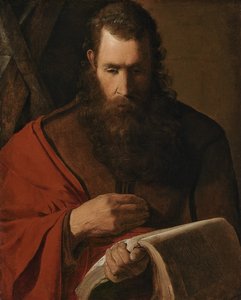
Georges de La Tour
1593 - 1652 , Frankrijk
Snelle feiten
- Artistic Movement Or Style: Barok, Tenebrisme
- Artists Or Movements Influenced By This Artist: ['Franse Classicisme']
- Artists Who Influenced This Artist:
- Caravaggio
- Terbrugghen
- Date Of Birth: 13 maart 1593
- Date Of Death: 30 januari 1652
- Full Name: Georges de La Tour
- Nationality: Frans
- Notable Artworks:
- De Grapper
- Verering
- Rendingen St. Peter
- Place Of Birth: Vic-le-Comte, Frankrijk
Gerelateerde artikelen
Goya's Meesterwerken: 25 Iconische Schilderijen voor Kunstliefhebbers | AllPaintingsStore
Ontdek de 25 meest iconische schilderijen van Francisco Goya! Duik in zijn Spaanse romantiek, donkere kleuren & emotionele kracht. Museumkwaliteit reproducties voor jouw interieur op AllPaintingsStore.com.

Georges de La Tour: Luminosity, Spirituality & Realism in Baroque Painting
Discover the captivating world of Georges de La Tour, a Baroque master renowned for his dramatic chiaroscuro & spiritual realism. Explore key works, influences, and his remarkable rediscovery. Learn more at AllPaintingsStore.

Maurice Quentin de La Tour: Light, Shadow & the Rococo Portrait
Explore the captivating world of Maurice Quentin de La Tour, a master of Rococo portraiture. Discover his innovative pastel techniques, intimate depictions of French aristocracy, and lasting artistic legacy. Learn more at AllPaintingsStore.

Georges Seurat's Meesterwerken: 25 Iconische Schilderijen voor Kunstliefhebbers | AllPaintingsStore
Ontdek de 25 meesterwerken van Georges Seurat! Duik in Pointillisme, Impressionisme & chromoluminarism. Bewonder 'A Sunday on La Grande Jatte' en meer. Museumkwaliteit kunst reproducties op AllPaintingsStore.com.
Georges Braque's Top 25 Meesterwerken: Cubisme & Kunst voor uw Interieur
Ontdek de 25 meest iconische meesterwerken van Georges Braque, pionier van het Cubisme. Lees over zijn techniek, inspiratie & de impact op moderne kunst. Vind museumkwaliteit reproducties en verrijk uw interieur met AllPaintingsStore.com!


