


 Bekijk op ware grootte
 Verstuur
 Delen
Delen
 Details bekijken
 Gids
Gids

 Download
 Vergelijkbare items
 Röntgenonderzoek
 Diavoorstelling
 Statistieken
De weg naar Monte Carlo


 Lees meer
Handgemaakte olieverfreproductie
Met de hand geschilderd in olieverf op canvas in uw gewenste maat en lijst, op bestelling gemaakt door onze kunstenaars. ( Schakel over naar print Schakel over naar digitale afbeeldingen)




P118B $10

P118H $10

P118W $10

P438Z $10

P508JH $12

P508YH $12

P805H $10

P805Z $10

P919BZ $10

P919G $10

P919XJ $10

P959ZH $10

P968JZ $12

W106C $8

W218G $10

W218JH $8

W218Y $10

W307PJ $10

W316G $10

W316PJ $8

W316Y $10

W398PJ $8

W4111J $10

W500HY $15

W500JH $15

W692G $12

W849H $8

W940BG $15

W953PJ $8




Kies uit onze vooraf ingestelde maten die overeenkomen met de originele verhoudingen van het kunstwerk.

U kunt uw eigen afmetingen invoeren om in een specifieke lijst of ruimte te passen. Als de door u gekozen maat niet overeenkomt met de verhoudingen van het originele beeld, zullen we het kunstwerk bijsnijden of het schilderij uitbreiden met extra handgeschilderde elementen. Een digitale mockup wordt ter goedkeuring naar u verzonden voordat de productie begint.
Houd er rekening mee dat de preview op het scherm niet de werkelijke uitsnede of uitbreiding weergeeft. Alleen de mockup toont de uiteindelijke compositie nauwkeurig.
Hoewel aangepaste afmetingen mogelijk zijn, raden we aan een maat uit de vooraf gedefinieerde lijst te selecteren om de originele verhoudingen te behouden.
Na de bestelling zal het team van AllPaintingsStore.com per e-mail contact opnemen met de klant voor instructies en een mockup-voorbeeld sturen.
Wereldwijde levering () binnen 3 tot 4 weken in plaats van de standaard 5 weken. (21 september). Zonder concessies aan de kwaliteit.

Gratis wereldwijde expressverzending

Hoogwaardig linnen canvas

Volledige verzendverzekering

Garantie op terugbetaling van invoerrechten

Garantie op exacte kleurweergave

Retourbeleid van 100 dagen (alleen bij defecten)

100% Geld-terug-garantie

Korting bij meerdere afnames
 De optie voor glas is alleen beschikbaar bij een formaat kleiner dan 110 cm.

De weg naar Monte Carlo
Reproductiemethode
Formaat reproductie
-


Totaalprijs
$ 258
Claude Monet en de Impressionistische Revolutie
Claude Monet (1840-1926) is meer dan een schilder; hij was een chroniqueur van vluchtige momenten, een dichter van licht en kleur. Zijn leven markeerde een keerpunt in de kunstgeschiedenis, door de manier waarop hij de natuur vastleg, niet met rigide vormen en gedetailleerde weergaven, maar met de dynamische schittering van het licht en de atmosfeer. Monet’s baanbrekende *plein air* techniek – direct buiten werken, rechtstreeks vanuit de observatie – legde de basis voor het Impressionisme, een beweging die de kunstwereld radicaal veranderde. Zijn werk is niet alleen een weerspiegeling van zijn tijd, maar ook een bewijs van zijn onvermoeibare zoektocht naar de essentie van schoonheid.
Monet’s jeugd in Le Havre, aan de Noordzee, vormde de basis voor zijn artistieke ontwikkeling. De constante verandering van het weer en de lichteffecten op zee inspireerden hem al vroeg om te observeren en vast te leggen wat hij zag, niet wat hij dacht dat hij moest zien. Deze ervaring zou cruciaal worden voor zijn latere werk, met name zijn landschappen.
De Weg naar Monte Carlo: Een Moment van Inspiratie
Tussen 1883 en 1884 reisde Monet naar de Côte d’Azur, specifiek naar Monte Carlo in Frankrijk. Deze reis was een zoektocht naar artistieke vernieuwing na een periode van frustratie met het interieur schilderen voor Paul Durand-Ruel, zijn dealer. De levendige sfeer van Monte Carlo, met zijn prachtige landschappen, elegante hotels en de glinsterende casino’s, bood hem een nieuwe bron van inspiratie. “Ik kan niet langer wachten tot ik uit deze omgeving ben,” verklaarde hij, “het is al een eeuw geleden dat ik voor het laatst buiten heb gewerkt.”
De Weg naar Monte Carlo, geschilderd in 1883, is een direct gevolg van deze reis. Het is niet zomaar een landschap; het is een moment vastgelegd in de tijd, een poging om de vluchtige schoonheid van de omgeving te vangen. De compositie, met de kronkelende weg die naar het casino leidt, de weelderige vegetatie en de blauwe hemel, creëert een gevoel van rust en sereniteit.
Techniek en Symbolisme: Licht als Hoofdthema
Monet’s techniek was revolutionair voor zijn tijd. Hij gebruikte dunne, transparante lagen verf – *laissez-faire* in het Frans – die elkaar overlappen en vermengen. Dit creëert een effect van beweging en licht, alsof de kleuren zelf schitteren. De penseelstreek is los en expressief, met name in de achtergrond, waar de vegetatie wordt weergegeven als een collage van groene tinten. De warme gele tonen domineren het palet, wat bijdraagt aan de vrolijke en optimistische sfeer van het schilderij.
Symbolisch gezien kan de weg naar Monte Carlo worden gezien als een reis naar verlichting of welvaart, een metafoor voor de aspiraties van de mensen die in deze elegante stad woonden. De figuren die langs de weg lopen, vertegenwoordigen de menselijke aanwezigheid in de natuur en nodigen ons uit tot reflectie over onze relatie met de wereld om ons heen. Het schilderij is meer dan een landschap; het is een visuele meditatie over schoonheid, licht en de menselijke ervaring.
Een Replica Creëren: De Essentie van Monet in uw Thuis
Wilt u de betoverende schoonheid en de meesterschap van De Weg naar Monte Carlo in uw eigen huis ervaren? Arts & Crafts biedt hoogwaardige reproducties aan, gemaakt met traditionele technieken die de nuances van Monet’s originele schilderij perfect weergeven. Of het nu een canvas print is of een handgeschilderde olie replica, u kunt de essentie van Impressionisme in uw interieur brengen en de tijdloze schoonheid van dit iconische werk bewonderen.
Ontdek meer iconische werken door Claude Monet op Discover the Masterpieces of Musée France, waar u een uitgebreide collectie van Impressionistische en Post-Impressionistische meesterwerken kunt verkennen.
Gerelateerde kunstwerken


Biografie van de kunstenaar
Een Leven Gedompeld in Licht: De Wereld van Claude Monet
Oscar-Claude Monet, een naam die synoniem staat voor het Impressionisme, was meer dan slechts een schilder van landschappen; hij was een chroniqueur van vluchtige momenten, een dichter van licht en kleur. Geboren in Parijs op 14 november 1840, nam zijn vroege leven een onverwachte wending toen zijn familie zich op vijfjarige leeftijd vestigde in Le Havre, Normandië. Hoewel aanvankelijk voorbestemd voor een commerciële carrière door zijn vader, kwam het aangeboren artistieke talent van de jonge Claude al snel aan het licht, eerst in houtskoolkarikaturen die hij lokaal verkocht – een bewijs van zowel zijn vaardigheid als ondernemingsgeest. Toch was zijn ontmoeting met Eugène Boudin cruciaal. Boudin leerde Monet niet alleen hoe te schilderen; hij plantte het revolutionaire idee in hem om en plein air te schilderen – direct naar de natuur toe – een praktijk die zijn hele artistieke reis zou definiëren.
Monets formele opleiding begon in Parijs, kort aan de Académie Suisse en later onder Charles Gleyre. Hier sloot hij duurzame vriendschappen met medekunstenaars zoals Auguste Renoir, een band gebouwd op gedeelde artistieke frustraties en de wens om zich te bevrijden van de beperkingen van traditionele academische schilderkunst. Zijn vroege werken toonden technische bekwaamheid, maar misten de onderscheidende stem die zijn stijl weldra zou kenmerken. Een periode van onrust volgde – de Frans-Pruisische Oorlog dwong Monet om zijn toevlucht te zoeken in Londen, waar hij zich onderdompelde in het werk van Engelse landschapmeesters zoals J.M.W. Turner, en hun atmosferische effecten en innovatieve kleurgebruik absorbeerde.
De Geboorte van een Esthetische Revolutie
Bij zijn terugkeer naar Frankrijk werd Monet een centraal figuur in een opkomende artistieke rebellie. Ontevreden met de conservatieve normen van het Salon, sloot hij zich aan bij andere gelijkgestemde kunstenaars om onafhankelijke tentoonstellingen te organiseren. De tentoonstelling van 1874 bleek een keerpunt te zijn, niet alleen voor Monet maar voor de hele kunstwereld. Hier werd zijn schilderij “Impression, soleil levant” (Impression, Sunrise) – een vage weergave van de haven van Le Havre bij dageraad – getoond, en waaraan de spottende term "Impressionisme" zijn oorsprong ontleent. De naam bleef echter hangen en evolueerde tot een ereteken voor een beweging die streefde naar het vastleggen van de subjectieve *impressie* van een scène in plaats van haar exacte representatie.
Monets kenmerkende stijl bloeide tijdens deze periode op: losse, zichtbare penseelstreken, levendige en vaak ongemengde kleuren naast elkaar aangebracht (een techniek bekend als “broken color”), en een onwrikbare focus op het vastleggen van de vluchtige kwaliteiten van licht. Hij zette zich meedogenloos voort met zijn plein air-praktijk, waarbij hij snel werkte om zijn directe waarnemingen vast te leggen voordat de veranderende omstandigheden de scène veranderden. Deze toewijding ging niet alleen over het afbeelden van wat hij *zag*, maar eerder hoe hij *voelde* als reactie daarop – een radicale afwijking van artistieke conventies.
Giverny: Een Paradijs van Licht en Reflectie
In 1883 vestigde Monet zich in Giverny, ten noordwesten van Parijs, en stichtte hij een huis en tuin die zowel zijn toevluchtsoord als zijn grootste bron van inspiratie zouden worden. Hij transformeerde het landgoed minutieus tot een uitgebreid paradijs, compleet met exotische bloemen, treurwilgen en, beroemd genoeg, een vijver met waterlelies overspannen door een Japanse brug. Dit was niet alleen een decoratieve tuin; het was een levend laboratorium waar Monet de effecten van licht op water, bladeren en reflecties onder gecontroleerde omstandigheden kon bestuderen.
De laatste decennia van zijn leven waren bijna volledig gewijd aan het schilderen van de vijver met waterlelies in Giverny. Hij begon aan de monumentale Water Lilies-serie (Nymphéas), en creëerde enorme doeken die het oppervlak van de vijver afbeeldden als een voortdurend veranderend tapijt van kleur en licht. Dit waren niet simpelweg schilderijen van bloemen; het waren meeslepende ervaringen, ontworpen om de kijker te omhullen in een wereld van serene schoonheid en contemplatieve stilte. De schaal van deze werken is adembenemend, die de grenzen van traditioneel schilderen verlegt en abstract expressionisme anticipeert.
Erfenis: Een Blijvende Impact op de Kunstgeschiedenis
Claude Monets impact op de kunstgeschiedenis is onmeetbaar. Hij was niet alleen de grondlegger van het Impressionisme; hij heeft fundamenteel veranderd hoe kunstenaars de wereld om hen heen waarnamen en weergafden. Zijn nadruk op subjectieve ervaring, zijn acceptatie van plein air-schilderen en zijn innovatieve technieken baanden de weg voor de moderne kunsts exploratie van abstractie en niet-representationale vormen.
Monet behaalde aanzienlijk commercieel succes tijdens zijn leven – een zeldzaamheid voor avant-gardekunstenaars uit zijn tijd. Zijn werk blijft wereldwijd ontzag inboezemen en publiek boeien, waardoor zijn plaats als een van de belangrijkste figuren in de westerse kunst wordt verstevigd. Hij stierf op 5 december 1926 en liet een erfenis achter die door generaties kunstenaars en kunstliefhebbers heen resoneert. Significante collecties van zijn meesterwerken worden bewaard in prestigieuze instellingen zoals het Musée d'Orsay en het Musée Marmottan Monet in Parijs, waardoor zijn visie de wereld blijft verlichten.
Belangrijkste Artistieke Technieken
- Plein Air Schilderen: Centraal voor zijn ontwikkeling, waardoor directe observatie van licht en atmosfeer mogelijk was.
- Broken Color: Het aanbrengen van kleine streken pure kleur naast elkaar voor optische menging.
- Serieschilderij: Het afbeelden van hetzelfde onderwerp onder verschillende licht- en weersomstandigheden – het aantonen van de transformerende kracht van tijd en licht.
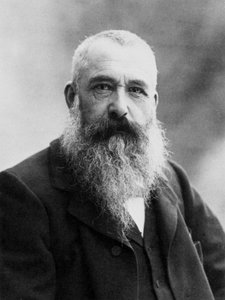
Claude Monet
1840 - 1926 , Frankrijk
Snelle feiten
- Artistic Movement Or Style: Impressionisme
- Artists Or Movements Influenced By This Artist: ['Moderne kunst']
- Artists Who Influenced This Artist:
- Eugène Boudin
- J.M.W. Turner
- Date Of Birth: 14 november 1840
- Date Of Death: 5 december 1926
- Full Name: Oscar-Claude Monet
- Nationality: Frans
- Notable Artworks:
- Zonsopgang
- Waterlelies
- Hooinstapels
- Place Of Birth: Parijs, Frankrijk
Gerelateerde artikelen

Evocations of Place: A Historical Journey Through Landscape Art
Explore the rich history of landscape art with AllPaintingsStore. Discover renowned artists, movements like Impressionism & tonalism, and expert guidance for collecting timeless pieces. Find your perfect serene escape today!

Top 10 Impressionistische Landschappen: Meesterwerken voor uw Interieur
Ontdek de 10 meest iconische impressionistische landschappen! Leer over Monet, Renoir & andere meesters. Prachtige schilderijen voor uw interieur. Museumkwaliteit reproducties op AllPaintingsStore.com.
Paul Cézanne's Top 25 Meesterwerken: Kleur, Vorm & De Basis van Modern Art | AllPaintingsStore
Ontdek de 25 meest iconische schilderijen van Paul Cézanne! Duik in zijn kleurrijke wereld, leer over impressionisme & post-impressionisme en bewonder meesterwerken als 'De Baders'. Vind museumkwaliteit reproducties & interieurinspiratie op AllPaintingsStore.com.
Claude Monet's Top 25 Meesterwerken: Kleur, Licht & Impressionisme | AllPaintingsStore
Ontdek de 25 meest iconische werken van Claude Monet! Duik in de wereld van impressionisme, kleur en licht. Van Waterlelies tot Zonsopgang – bekijk de meesterwerken & vind perfecte kunst voor jouw interieur op AllPaintingsStore.com.
Top 10 Impressionistische Landschappen: Meesterwerken voor uw Interieur
Ontdek de 10 meest iconische impressionistische landschappen van Monet, Renoir & meer. Leer over hun technieken en betekenis. Vind museumkwaliteit kunst reproducties voor uw interieur op AllPaintingsStore.com!


