


 Bekijk op ware grootte
 Verstuur
 Delen
Delen
 Details bekijken
 Gids
Gids

 Download
 Vergelijkbare items
 Röntgenonderzoek
 Diavoorstelling
 Statistieken
Het Poppenpaard, De Kano En Een Kruidenvat

 Lees meer
Handgemaakte olieverfreproductie
Met de hand geschilderd in olieverf op canvas in uw gewenste maat en lijst, op bestelling gemaakt door onze kunstenaars. ( Schakel over naar print Schakel over naar digitale afbeeldingen)




P118B $10

P118H $10

P118W $10

P438Z $10

P508JH $12

P508YH $12

P805H $10

P805Z $10

P919BZ $10

P919G $10

P919XJ $10

P959ZH $10

P968JZ $12

W106C $8

W218G $10

W218JH $8

W218Y $10

W307PJ $10

W316G $10

W316PJ $8

W316Y $10

W398PJ $8

W4111J $10

W500HY $15

W500JH $15

W692G $12

W849H $8

W940BG $15

W953PJ $8




Kies uit onze vooraf ingestelde maten die overeenkomen met de originele verhoudingen van het kunstwerk.

U kunt uw eigen afmetingen invoeren om in een specifieke lijst of ruimte te passen. Als de door u gekozen maat niet overeenkomt met de verhoudingen van het originele beeld, zullen we het kunstwerk bijsnijden of het schilderij uitbreiden met extra handgeschilderde elementen. Een digitale mockup wordt ter goedkeuring naar u verzonden voordat de productie begint.
Houd er rekening mee dat de preview op het scherm niet de werkelijke uitsnede of uitbreiding weergeeft. Alleen de mockup toont de uiteindelijke compositie nauwkeurig.
Hoewel aangepaste afmetingen mogelijk zijn, raden we aan een maat uit de vooraf gedefinieerde lijst te selecteren om de originele verhoudingen te behouden.
Na de bestelling zal het team van AllPaintingsStore.com per e-mail contact opnemen met de klant voor instructies en een mockup-voorbeeld sturen.
Wereldwijde levering () binnen 3 tot 4 weken in plaats van de standaard 5 weken. (21 september). Zonder concessies aan de kwaliteit.

Gratis wereldwijde expressverzending

Hoogwaardig linnen canvas

Volledige verzendverzekering

Garantie op terugbetaling van invoerrechten

Garantie op exacte kleurweergave

Retourbeleid van 100 dagen (alleen bij defecten)

100% Geld-terug-garantie

Korting bij meerdere afnames
 De optie voor glas is alleen beschikbaar bij een formaat kleiner dan 110 cm.

Het Poppenpaard, De Kano En Een Kruidenvat
Reproductiemethode
Formaat reproductie
-


Totaalprijs
$ 258
Een Ademhaling van Edo: Een Onderzoek naar Katsushika Hokusai’s “Toy Horse, Fan And Incense Burner”
Katsushika Hokusai's "Toy Horse, Fan And Incense Burner," een kunstwerk dat vaak wordt aangewezen als een voorbeeld van de prachtige balans tussen natuur en menselijke aanwezigheid binnen het Edo-periode kunstenaarschap, biedt meer dan alleen een visueel aantrekkelijke scène. Het is een tastbare terugblik op een tijd waarin Japanse kunst en filosofie een ongekende hoogt bereikten – een periode gekenmerkt door economische groei, complexe sociale structuren en een diepe waardering voor de schoonheid van het natuurlijke wereldbeeld. Deze afbeelding spreekt tot een gevoel van rust en contemplatie aan, een essentieel onderdeel van Edo-kunstelijke principes die nog steeds resoneren bij kunstliefhebbers en verzamelaars wereldwijd.- Onderwerp: Het centrale figuur – waarschijnlijk een samurai of edelman – zit op een paard, wat symbool staat voor macht en status binnen het feudale systeem. Samen met hem staan twee kopjes thee, een verwijzing naar belangrijke rituelen die tijdens de Edo-periode plaatsvonden en die harmonie, respect en mindfulness vertegenwoordigden. Deze kopjes zijn niet alleen praktische accessoires maar ook een visuele aankondiging van de tijdgeest waarin kunst werd gemaakt.
- Stijl & Techniek: Hokusai’s stijl wordt gekenmerkt door *hokuyo-ga*, of landschap prints, waarbij hij zich richtte op het vastleggen van atmosferische omstandigheden – vooral zee – met een ongeëvenaarde nauwkeurigheid. Hoewel dit specifieke werk iets minder dramatisch is dan sommige van zijn meest beroemde werken over Fuji, behoudt het Hokusai’s karakteristieke aandacht voor detail en subtiele tonalenvariaties die hij bereikt door zorgvuldige laag na laag van zwarte inkten. Deze techniek, typisch voor *hokuyo-ga*, zorgt ervoor dat de afbeelding een gevoel van diepte en beweging oproept, waardoor het een prachtige manier is om de natuurlijke wereld weer te geven.
Historische Context: Edo-Kunstenaarschap en Kokyūsei
De Edo periode (1603-1868) vormde een tijd van ongekende kunstelijke bloei, ondersteund door economische welvaart en directe patronage vanuit het Tokugawa shogunaat. Kunstenaars zoals Hokusai werden belast met het verhogen van de kunstvormen om het machtige shogunaat te eren en zijn ideologie van *kokyūsei* – harmonie tussen hemel en aard – uit te drukken. Deze filosofische stroming had een diepe invloed op alle vormen van Japanse cultuur, waarbij kunstenaars streven naar een balans tussen natuurlijke schoonheid en menselijke aanwezigheid. De zorgvuldige compositie en het gebruik van licht en schaduw zijn directe gevolgen hiervan – een bewijs van Hokusai’s begrip voor de principes die onderliggend liggen aan Edo-kunstenaarschap.- Symbolisme: Het paard zelf staat voor macht en trots, wat overeenkomt met de rol van de samurai warrior bij het handhaven van sociale orde. Maar zijn houding suggereert een moment van stilte en contemplatie – een element dat terugvindt in Hokusai’s bredere artistieke visie. Bovendien vertegenwoordigen de kopjes thee niet alleen praktische functies maar ook een belangrijke symbolische waarde, die verwijst naar de Edo-periode filosofie van mindfulness en het belang van spirituele reflectie binnen deze tijdgeest.
- Kleurenpalet: Hoewel monochrome prints vaak voorkwamen in Hokusai’s werk, gebruikt dit kunstwerk een beperkte kleurenschaal bestaande uit bruin en zwart – kenmerken van *sumi-e*, of ink monochrome schilderkunst. Deze kleuren dragen een gevoel van ernst en diepte over zich mee, waardoor ze overeenkomen met de contemplatieve stemming van het beeld.
Een Ademhaling van Tranquility: Een emotionele Impact
“Toy Horse, Fan And Incense Burner” biedt meer dan alleen een prachtige afbeelding; het roept een gevoel op van serene rust – een essentieel principe binnen Edo kunstenaarschap. Hokusai’s aandacht voor detail en zijn gebruik van licht en schaduw creëren een atmosfeer van ingetogen grandeur, waardoor kijkers worden uitgenodigd om stil te staan en de subtiele nuances van kleur en compositie te waarderen. Net als sommige van zijn meest iconische werken over Fuji – zoals *Thirty-Six Views of Mount Fuji* – nodigt dit kunstwerk uit tot het verkennen van schoonheid in eenvoud – een tijdloze boodschap die nog steeds resoneren bij mensen over de hele wereld. Een hoogwaardige reproductie van deze prachtige afbeelding kan een prachtige aanvulling vormen op elke ruimte, waardoor een directe verbinding wordt gelegd met het rijke erfgoed van Japanse kunstgeschiedenis. movement: Japanese Landscape Impressionism topics: Edo Period Art, Tranquility Symbolism, Horse Figurines, Fan Decoration, Incense Rituals, Artistic MasteryGerelateerde kunstwerken


Biografie van de kunstenaar
A Life Etched in Ink: The World of Katsushika Hokusai
Katsushika Hokusai, a name synonymous with Japanese art and the instantly recognizable image of *The Great Wave off Kanagawa*, was far more than just a printmaker. Born in Edo (modern-day Tokyo) around 1760, his life unfolded as an intensely restless pursuit of artistic mastery – a continuous evolution marked by shifting names and an insatiable curiosity about the world around him. From humble beginnings as the son of a mirror maker, Hokusai’s early inclination towards art wasn't immediately encouraged; yet, he relentlessly honed his skills, reportedly beginning to draw at the age of six. This unwavering dedication would define a career spanning nearly nine decades, leaving behind a legacy that continues to resonate profoundly with audiences worldwide. His father, Nakajima Ise, though not an artist himself, recognized and perhaps fostered this nascent talent, laying the groundwork for a journey that would fundamentally transform Japanese visual culture. Hokusai’s early life wasn't one of privilege, but rather a steady climb fueled by ambition and a deep-seated passion to capture the essence of the world around him.From Apprenticeship to Innovation: The Blossoming of a Style
Hokusai’s formal artistic training began at twelve when he entered the studio of Katsukawa Shunshō, a leading master of *ukiyo-e* – “pictures of the floating world.” This genre, immensely popular during the Edo period, served as a vibrant mirror reflecting the daily life of Japan: actors performing in Kabuki theaters, courtesans engaging in elaborate rituals, sweeping landscapes, and glimpses into the bustling urban culture. Under Shunshō’s guidance, Hokusai mastered the intricate techniques of woodblock printing – a demanding process requiring exceptional precision and artistic skill. However, he wasn't content to simply replicate his teacher’s established style; even in his early work, a palpable restlessness was evident – a fervent desire to push boundaries and explore new avenues of expression. He began experimenting with diverse subjects, venturing beyond the traditional focus on actors and courtesans, including book illustrations and single-sheet prints, constantly refining his skills and developing a uniquely powerful visual language. This period also witnessed the first of many name changes—a common practice among *ukiyo-e* artists, signifying periods of artistic reinvention or affiliation with different schools – reflecting Hokusai’s constant evolution.Mount Fuji and the Floating World: Defining Masterpieces
Hokusai's artistic output was astonishingly prolific; tens of thousands of woodblock prints, paintings, and illustrated books bear his signature. While he explored a vast array of subjects—from scenes of everyday life to fantastical creatures—it was his series *Thirty-Six Views of Mount Fuji* (circa 1831) that cemented his enduring fame. This monumental collection wasn’t merely a straightforward depiction of a landscape; it was a masterful exploration of perspective, composition, and the sheer power of nature. The wave itself – a towering, dynamic force about to crash down upon tiny boats – embodies both the breathtaking beauty and the underlying terror of the sea. Beyond *Fuji*, works like *Fireworks at Ryōgoku Bridge* (1790) demonstrated his remarkable ability to capture the energy and dynamism of everyday life in Japan with astonishing detail and a sense of immediacy. His *Hokusai Manga* – a collection of sketches and studies encompassing people, animals, landscapes, and even fantastical creatures—was groundbreaking in its scope and influence, foreshadowing the development of modern manga as an art form. These works weren’t isolated achievements; they were milestones in a continuous artistic journey, each building upon the last to create a body of work that is both deeply rooted in Japanese tradition and remarkably innovative.The Old Man Mad About Painting
Hokusai's life was one of constant reinvention, marked by numerous name changes – over thirty throughout his career – each reflecting a new phase in his artistic development. He often referred to himself as “Gakyō Rōjin,” or "Old Man Crazy to Paint," a fitting title for an artist who remained passionately devoted to his craft well into his eighties. This relentless pursuit of perfection, coupled with his innovative spirit and profound understanding of both Japanese tradition and the wider world, cemented Hokusai’s legacy as a true master of *ukiyo-e* and a pivotal figure in the history of art. He continued to experiment with new techniques and subjects until his death in 1849 at the age of 89, leaving behind an unparalleled body of work that continues to captivate and inspire.A Legacy Beyond Borders: Hokusai's Enduring Influence
Hokusai’s impact extended far beyond Japan. In the late 19th century, as Japan opened its doors to the West, *ukiyo-e* prints flooded European markets, sparking a phenomenon known as *Japonisme*. Artists like Claude Monet, Edgar Degas, and Vincent van Gogh were profoundly influenced by Hokusai’s bold compositions, vibrant colors, and unconventional perspectives. Van Gogh, in particular, was deeply moved by *The Great Wave off Kanagawa*, even recreating it in his own paintings. Hokusai's influence wasn't limited to Impressionism; it permeated various modern art movements, shaping the way artists approached composition, color, and subject matter. His emphasis on capturing fleeting moments, his dynamic use of line, and his ability to find beauty in everyday life resonated with a generation of artists seeking new forms of expression. Even today, Hokusai’s work continues to inspire and challenge artists around the world, solidifying his place as one of the most important figures in art history.- Major Influences: Ukiyo-e traditions, Chinese landscape painting, everyday life in Edo.
- Key Characteristics: Bold lines, vibrant colors, dynamic compositions, keen observation of nature.
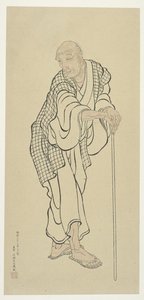
Hokusai
1760 - 1849 , Japan
Snelle feiten
- Artistic Movement Or Style: Ukiyo-e
- Artists Or Movements Influenced By This Artist:
- Impressionisme
- Van Gogh
- Artists Who Influenced This Artist:
- Chinese landschap
- Tradities
- Date Of Birth: 31 okt 1760
- Date Of Death: 10 mei 1849
- Full Name: Katsushika Hokusai
- Nationality: Japanse
- Notable Artworks:
- De grote golf
- Fuji
- Manga
- Place Of Birth: Tokyo, Japan
Gerelateerde artikelen

Japanese Landscape Painting: A Professional Guide to Integrating Zen Aesthetics into Luxury Hospitality Design
Elevate hospitality interiors with the timeless Zen aesthetics of Japanese landscape painting. Our expert guide explores Ukiyo-e masters like Hokusai to help designers source premium, large-scale hand-painted reproductions and archival prints for luxury hotel projects.


