Geld-terug-garantie · 100 dagen Gratis wereldwijde verzending
646.446kunstwerken 53.409kunstenaars 5.406musea 32talen
Portret van Daniel Gran

The Top 14 Daniel Gran Paintings, Ranked by Fame

Bijgewerkt in oktober 2026 · gerangschikt op basis van onze populariteitsscore (zoekopdrachten, bezoeken en bestellingen per kunstwerk) · 14 werken van Daniel Gran in onze catalogus

Snel antwoord

Allegory of the Dawn (1723) is het bekendste schilderij van Daniel Gran. Mary with Child and Saints, Enthroned on Clouds (1730) staat op de tweede plaats, Diana's Admission to Olympus (1732) op de derde. Onze catalogus bevat 14 werken van Daniel Gran; hier zijn de 14 bekendste, gerangschikt met het jaartal en het museum van elk werk, om u te helpen bij het maken van uw keuze.

1694 – 1757, Vienna Meeste werken: Nationaal Museum in Warschau

Daniel Gran: de 10 best gerangschikte schilderijen

Daniel Gran, rangschikt van 11 tot 14

Musea met originele werken van Daniel Gran

De 3 musea met de meeste schilderijen op deze pagina.

Museum Stad Werken van Daniel Gran Schilderijen uit deze lijst
Nationaal Museum in Warschau, WarschauNationaal Museum in Warschau Warschau 2 Greeting of Venus at Mount Olympus, Bacchus and Ceres
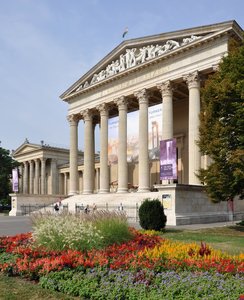
Szépművészeti Múzeum, BoedapestSzépművészeti Múzeum Boedapest 2 St Elizabeth Distributing Alms, The Day Driving away the Night
Nationaal Museum in Krakau, KrakauNationaal Museum in Krakau Krakau 1 Apollo with the Muses – Project for a Plafond

Top Daniel Gran schilderijen per decennium

Werken per decennium

Selecteer een decennium om het topstuk te bekijken.

Wat u moet weten over schilderijen van Daniel Gran

Welk beroemd schilderij van Daniel Gran staat bovenaan de ranglijst?Antwoord tonen

Allegory of the Dawn (1723) staat op de eerste plaats, gevolgd door Mary with Child and Saints, Enthroned on Clouds (1730) en Diana's Admission to Olympus (1732).

Hoe oud was Daniel Gran in het jaar van Allegory of the Dawn?Antwoord tonen

Daniel Gran was 29 jaar oud: Allegory of the Dawn dateert uit 1723, en Daniel Gran werd geboren in 1694.

Welke schilderijen van Daniel Gran maken de top 10?Antwoord tonen

Allegory of the Dawn, Mary with Child and Saints, Enthroned on Clouds, Diana's Admission to Olympus, Apollo with the Muses – Project for a Plafond, Allegory of the Happy Government of Mähren, Allegory of the Morning, Instruction of Mary by Joachim and Anna, The Holy Family, Madonna and Child en unleserlich. Het jaar en het museum per werk staan in de bovenstaande ranglijst.

Hoeveel werken van Daniel Gran staan er in uw catalogus?Antwoord tonen

14 werken van Daniel Gran zijn opgenomen in onze catalogus, gedateerd van 1723 tot 1747.

Waar kunnen de originele werken van de beroemde schilderijen van Daniel Gran worden bekeken?Antwoord tonen

Voornamelijk in Nationaal Museum in Warschau (Warschau), Szépművészeti Múzeum (Boedapest) en Nationaal Museum in Krakau (Krakau). Zie de museumtabel hierboven voor de volledige lijst.

In welke jaren schilderde Daniel Gran de best gerangschikte werken?Antwoord tonen

In 1730s: 4 van de 14 hier gerangschikte schilderijen stammen uit die tijd, waaronder Mary with Child and Saints, Enthroned on Clouds.

Welke beroemde schilderijen van Daniel Gran zijn de vroegste en de meest recente?Antwoord tonen

Eerste op deze pagina: Allegory of the Dawn (1723). Laatste: Allegory of the Morning (1747).

Welke schilderijen van Daniel Gran zijn in de collectie van het Nationaal Museum in Warschau?Antwoord tonen

Het Nationaal Museum in Warschau, Warschau herbergt 2 van de schilderijen in deze ranglijst, waaronder Greeting of Venus at Mount Olympus en Bacchus and Ceres.

Verkoopt u reproducties van de schilderijen van Daniel Gran?Antwoord tonen

Ja. Elk schilderij op deze pagina kan worden besteld als een handgeschilderde olieverfreproductie of als een print. Open het schilderij, kies de gewenste afmeting en plaats uw bestelling.

Daniel Gran: leven en carrière

Daniel Gran: Life and Legacy

Daniel Gran (1694-1757) was a prominent Austrian Baroque painter who played a crucial role in the transition towards Classicism. His career spanned a period of significant artistic change, and he is remembered for his masterful frescoes, religious scenes, and illusionistic style.

Early Life and Training

Born in Vienna, Italy in 1694, Daniel Gran came from a family that valued its noble lineage. Successfully asserting his claim to this title was important during his time, as improper use of such distinctions could have severe social consequences. Details regarding his early artistic training remain somewhat scarce, but it is known he developed considerable skill and ambition.

Artistic Development & Influences

Gran’s initial work firmly rooted in the Baroque tradition, characterized by dramatic compositions, rich colors, and a sense of movement. However, towards the end of his career, his paintings began to exhibit a shift away from purely Baroque aesthetics – particularly in terms of figural dimensions and illusionism. This evolution suggests an increasing interest in the emerging principles of Classicism, emphasizing clarity, balance, and restraint.

While specific influences are not extensively documented, it’s reasonable to assume Gran was impacted by contemporary Italian and Austrian Baroque masters. His later stylistic changes suggest a growing awareness of early Classical art and its emphasis on form and proportion.

Major Achievements & Notable Works

  • Frescoes: Gran is particularly celebrated for his large-scale fresco cycles, adorning the ceilings and walls of numerous churches and palaces in Austria.
  • St. Elizabeth Distributing Alms (1736): A compelling depiction of a charitable act, showcasing Gran’s skill in portraying human emotion and narrative detail.
  • Christ and the Roman Captain (1736): Another significant religious work demonstrating his mastery of composition and dramatic lighting.
  • Paradise (Sketch for a ceiling fresco in Sonntagberg Basilica, Austria) (1736): A preparatory sketch revealing Gran’s meticulous planning process for complex fresco projects.
  • Glory of the House of Austria (Ceiling fresco in Marble Hall of Klosterneuburg Monastery) (1749): Considered one of his most ambitious and impressive works, showcasing his ability to create grand illusionistic spaces.
  • Allegory of Four Seasons (1757): A late work reflecting a more refined and classical approach.

Historical Significance

Daniel Gran’s significance lies in his role as a bridge between the Baroque and Classical periods. He wasn't merely an imitator of earlier styles but actively contributed to the evolving artistic landscape of 18th-century Austria. His work demonstrates a conscious effort to move beyond the exuberance of the High Baroque towards a more restrained and balanced aesthetic.

Gran’s influence can be seen in the subsequent development of Austrian painting, paving the way for later Classicist artists. In 1894, Vienna honored his legacy by naming the Grangasse street in Rudolfsheim-Fünfhaus (the 15th district) after him. His self-portrait remains a treasured piece within the monastery of Herzogenburg.

Gran’s frescoes continue to captivate viewers with their beauty, technical skill, and historical importance, solidifying his place as a notable figure in Austrian art history.