Geld-terug-garantie · 100 dagen Gratis wereldwijde verzending
646.446kunstwerken 53.409kunstenaars 5.406musea 32talen

Gothic artiesten at a glance

Famous Gothic Kunstenaars — Top 34 List

Duccio Di Buoninsegna (1255–1319) is the most famous Gothic kunstenaar, best known for Rucellai Madonna en De Maestà. Then Simone Martini, Gentile Da Fabriano, Pisanello en Stefan Lochner. The list covers 34 artiesten born between 1161 and 1465 in 8 countries, from Master Mateo to Jan Baegert.

Method. Scope: artists filed under Gothic in our catalogue. Order: our artist fame ranking. Excluded: artists born after 1955 without a Wikidata identifier. Wikipedia figure: languages with an article, out of our 32.

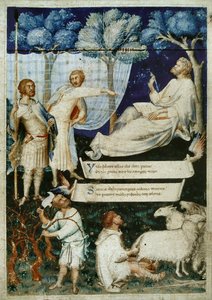
  1. Rucellai Madonna door Duccio Di Buoninsegna1Duccio Di Buoninsegna
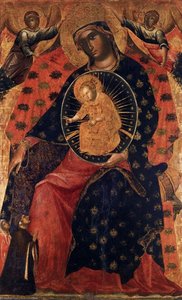
  2. Maestà (Madonna with Angels and Saints) door Simone Martini2Simone Martini
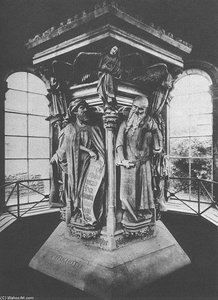
  3. Adoration of the Magi Altarpiece, left hand predella panel depicting the Nativity door Gentile Da Fabriano3Gentile Da Fabriano

Key data

Gothic: key data

  • 34Kunstenaars
  • 1161–1465Geboortejaren
  • 8Landen van geboorte
  • 0Vrouwen
  • 1.535Werken in onze catalogus
Steden met de meeste geboorten
Florence (6), Siena (3), Nijmegen (2), Fabriano (1)
Musea met de meeste sleutelwerken
Metropolitan Museum of Art (7), Galleria degli Uffizi (4), National Gallery (4), Harvard Art Museums (3)

Ranked list

34 Gothic Kunstenaars, ranked with key works

1/ 34

Duccio Di Buoninsegna

Italiaans b. Siena Sienese School, Trecento Gotiek Wikipedia 31/32
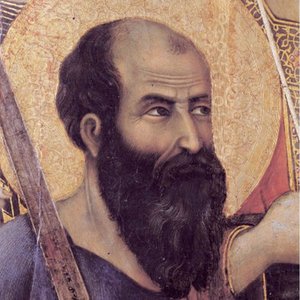
Duccio Di Buoninsegna

Geboren in Siena, Italië, rond 1255, leidde Duccio Di Buoninsegna een leven dat diep verweven was met de religieuze en burgerlijke hartslag van Toscane. The Virgin and Child with Saints Dominic and Aurea (1312). Geboren in Siena, Italië, rond 1255 of 1256, kwam Duccio Di Buoninsegna voort uit een afkomst die zijn hele identiteit zou vormen.

Key works · Top 100 works · Duccio Di Buoninsegna reproductions

2/ 34

Simone Martini

Italiaans b. Siena Internationale Gotiek Wikipedia 28/32

Simone Martini

In 1319 voltooide hij het Polyptiek van de Heilige Catharina van Alexandrië Polyptych in Pisa. Saint Louis of Toulouse Crowning His Brother Robert of Anjou, 1317. Saint Louis of Toulouse Crowning His Brother Robert of Anjou, 1317.

Trained Lippo Memmi #9

Key works · Top 100 works · Simone Martini reproductions

3/ 34

Gentile Da Fabriano

Italiaans b. Fabriano Internationale Gotiek Wikipedia 23/32

Gentile Da Fabriano

Commissioned by the wealthy merchant Palla Strozzi, Gentile embarked on what is arguably his most iconic creation: the Adoration of the Magi (1423), now gracing the halls of the Uffizi Gallery.

Key works · Top 100 works · Gentile Da Fabriano reproductions

4/ 34

Pisanello

Italiaans b. Pisa Internationale Gotiek; Vroege Renaissance Wikipedia 28/32

Pisanello

But his influences extended beyond contemporary artists; he knew Paolo Uccello, the painter of the Battle of San Romano with its many horses.

Key works · Top 100 works · Pisanello reproductions

5/ 34

Stefan Lochner

Duits b. Meersburg Laatgotiek, Internationale Gotiek Wikipedia 19/32

Stefan Lochner

Geboren rond 1410 in het schilderachtige Meersburg, Duitsland – een plek doordrenkt van legendes en genesteld aan het prachtige Bodensemeer – werd het leven van Stephan Lochner rond 1451 tragisch kort in Keulen.

Key works · Top 100 works · Stefan Lochner reproductions

6/ 34

Agnolo Gaddi

Italian b. Florence Gothic, Early Renaissance Wikipedia 20/32

Agnolo Gaddi

Consider his early frescoes at San Jacopo tra i Fossi – “The Resurrection of Lazarus” – where Gaddi captures Giotto’s expressive pathos while simultaneously elevating the composition with meticulous attention to textural detail. Agnolo Gaddi’s artistic reputation rests largely on his extensive frescoes within the Basilica di Santa Croce in Florence.

Key works · Top 100 works · Agnolo Gaddi reproductions

7/ 34

Gebroeders Van Lymborch

b. Nijmegen Wikipedia 21/32

Gebroeders Van Lymborch

Herman, Paul en Jean de Limburg, gezamenlijk bekend als de Gebroeders Van Limburg, waren niet louter schilders, maar architecten van miniatuurwerelden. Geboren in een geslacht van bekwame ambachtslieden, werd hun vroege leven gevormd door de levendige artistieke stromingen die tussen de Nederlanden, Frankrijk en Bourgondië stroomden. Hoewel hun levens tragisch kort waren—alle drie overleden rond 1416—blijft de impact van hun werk een eeuwige hoeksteen van de Internationale Gotische stijl.

Key works · Top 100 works · Gebroeders Van Lymborch reproductions

8/ 34

Paolo Veneziano

Italiaans b. Venetië Byzantijnse invloed & Gotische kunst Wikipedia 15/32

Paolo Veneziano

Paolo Veneziano (ca. 1333 – 1358) staat als een monumentale figuur in de geschiedenis van de Venetiaanse kunst, universeel erkend als de belangrijkste Venetiaanse schilder van de veertiende eeuw. Geboren in een artistieke bloedlijn binnen het hart van Venetië—zijn vader was zelf een gerenomerd kunstenaar—viel de korte maar briljante carrière van Veneziano samen met een transformerende periode in de Europese schilderkunst.

Key works · Top 100 works · Paolo Veneziano reproductions

9/ 34

Lippo Memmi

Italiaan b. Siena Internationaal Gotiek Wikipedia 17/32

Lippo Memmi

Lippo Memmi, geboren rond 1291 in het hart van Siena, Italië, staat als een sleutelfiguur in de overgang van de Byzantijns gewortelde tradities van middeleeuwse schilderkunst naar de opkomende elegantie van de Internationale Gotiek. Ansanus (1333), gemaakt in samenwerking met Simone Martini voor de Uffizi Galerie.

Trained by Simone Martini #2

Key works · Top 100 works · Lippo Memmi reproductions

10/ 34

Spinello Aretino

Italiaans b. Arezzo Schakel tussen de school van Giotto en de Sienese School Wikipedia 16/32

Spinello Aretino

Geboren in een familie van Florentijnse goudsmeden, was zijn ware naam Spinello Di Luca Spinelli, maar hij werd door de geschiedenis bekend onder de bijnaam "Aretino", wat duidt op zijn verbondenheid met Arezzo.

Key works · Top 100 works · Spinello Aretino reproductions

11/ 34

Bernardo Daddi

Italiaans b. Florence Vroege Renaissance Wikipedia 17/32

Bernardo Daddi

Bernardo Daddi, geboren in Florence rond 1290 en overleden in 1348, staat als een spilfiguur in de overgang van de late Gotiek naar de ontluikende Italiaanse Renaissance. De Uffizi Gallery in Florence herbergt een belangrijk triptiek uit 1328, dat een boeiend kijkje biedt in zijn compositietechnieken en verhalende kracht. Eveneord merkwaardig is het “Martyrium van de Heilige Stefanus” in de Pinacoteca Vaticana—een predella bestaande uit acht panelen, geschilderd rond 1345.

Key works · Top 100 works · Bernardo Daddi reproductions

12/ 34

Andrea Pisano

Italiaans b. Pontecorvo Gotiek

Andrea Pisano

Andrea Pisano (ca. 1290 – 1348 Orvieto) staat te boek als een monumentale figuur binnen de Italiaanse renaissance-sculptuur, hoewel zijn artistieke nalatenschap onlosmakelijk verbonden is met het voorafgaande gotische tijdperk en diepgaand werd gevormd door de revolutionaire invloed van Giotto di Bondone.

Key works · Top 100 works · Andrea Pisano reproductions

13/ 34

Master Mateo

Spanish Romanesque Sculpture

Master Mateo

While his contemporaries often relied on stylized, flat figures, Mateo meticulously studied human anatomy and the complex behavior of drapery, achieving an astonishing accuracy in his depictions.

Key works · Top 100 works · Master Mateo reproductions

14/ 34

Jan Maelwael

Netherlandish (Dutch) b. Nijmegen International Gothic Wikipedia 16/32

Jan Maelwael

This circular composition, with its depiction of the Virgin Mary cradling the body of Christ, blends Northern European and Sienese artistic influences into a harmonious whole.

Key works · Top 100 works · Jan Maelwael reproductions

15/ 34

Tilman Riemenschneider

Duits b. Heiligenstadt Late Gotiek & Renaissance

Tilman Riemenschneider

Tilman Riemenschneider, a name that echoes through the corridors of late medieval German art, represents a pivotal moment – a bridge between the deeply spiritual intensity of the Gothic era and the burgeoning humanism of the Renaissance. His journey toward mastery began with extensive travels throughout Swabia and the Upper Rhine region, commencing around 1478/79, immersing himself in diverse workshops and absorbing the stylistic nuances of the time.

Key works · Top 100 works · Tilman Riemenschneider reproductions

16/ 34

Meister Francke

Nederlands b. Nederrijn Gotische Renaissance Wikipedia 14/32

Meister Francke

Johannes Francke, beter bekend als Frater Francke, vormt een cruciaal figuur in het ontluikende artistieke landschap van het 15e-eeuwse Duitsland – en dan specifiek binnen de levendige gotische traditie van Hamburg. Hij kwam echter rond 1380 uit Zutphen, waar hij waarschijnlijk zijn eerste artistieke training ontving binnen het destijds gangbare gildesysteem – een hoeksteen van het middeleeuwse vakmanschap, waarin leertrajecten technische meesterschap stimuleerden naast spirituele devotie.

Key works · Top 100 works · Meister Francke reproductions

17/ 34

Claus Sluter

Nederlands b. Haarlem Noordelijk Realisme

Claus Sluter

Claus Sluter (ca. 1350-1406) staat te boek als een van de meest invloedrijke beeldhouwers van zijn tijd, een meester die een cruciaal kruispunt markeerde tussen de gotische en renaissance-artistieke tradities in Noord-Europa. De vermelding van zijn naam in het register van het Brusselse steenhouwersgilde rond 1379/1380 bevestigt zijn professionele betrokkenheid en onderstreept het belang van vakmanschap binnen de middeleeuwse artistieke cultuur.

Key works · Top 100 works · Claus Sluter reproductions

18/ 34

Jacopo di Cione

Italian b. Florence Gothic Wikipedia 7/32

Jacopo di Cione

Jacopo's dedication extended beyond commissions; he actively participated in shaping Florence’s cultural landscape through his involvement with the cathedral workshop and his role as consul of the Arte dei Medici e Speziali (1384, 1387, 1392).

Key works · Top 100 works · Jacopo di Cione reproductions

19/ 34

Jaume Huguet

Catalan b. Valls Late Gothic, Flemish influence Wikipedia 10/32

Jaume Huguet

Between 1440 and 1445, his hand reached into the workshops of Zaragoza and Tarragona, where he encountered the influential Flemish style brought by Luis Dalmau. His ability to command both scale and detail is evident in his diverse body of work: The Archangel St Michael: A celestial sentinel rendered with heroic posture, framed by stylized foliage and a radiant, textured gold leaf that seems to emanate an inner light.

Key works · Top 100 works · Jaume Huguet reproductions

21/ 34

Master Bertram

German b. Minden International Gothic Wikipedia 13/32

Master Bertram

While sharing similarities with other artists of the period, such as Master Francke (another prominent Hamburg painter), Bertram's work possesses a distinct character—a subtle restraint in emotional expression compared to Francke’s more overtly dramatic approach. The Victoria and Albert Museum in London houses a 45-scene depiction of the Apocalypse, likely created by Bertram's workshop, further demonstrating his influence within the artistic community.

Key works · Top 100 works · Master Bertram reproductions

23/ 34

Paolo Di Giovanni Fei

Italiaans b. San Quirico d'Orcia Naturalisme, Proto-Renaissance Wikipedia 10/32

Paolo Di Giovanni Fei

Pietro Lorenzetti, geboren rond 1280 en tragisch overleden in 1348 tijdens de verwoestende Zwarte Doodpandemie, blijft een centrale figuur in de evolutie van de Italiaanse schilderkunst.

Key works · Top 100 works · Paolo Di Giovanni Fei reproductions

24/ 34

Giovannino De' Grassi

Italian b. Milan Gothic Illuminations

Giovannino De' Grassi

Giovannino de’ Grassi remains one of the most captivating enigmas of the late medieval period, a figure whose brushstrokes breathed life into the prestigious Visconti court of Milan. He operated in an era where the transition from the rigid structures of the Middle Ages to the burgeoning naturalism of the early Renaissance was beginning to stir, and de’ Grassim stood at the very heart of this aesthetic evolution.

Key works · Top 100 works · Giovannino De' Grassi reproductions

25/ 34

Lluís Borrassà

Catalan b. Girona International Gothic Wikipedia 8/32

Lluís Borrassà

A pioneer who fundamentally reshaped the visual language of Catalonia, Borrassà emerged from the historic streets of Girona to become a master of the International Gothic style. The foundations of Borrassá’s mastery were laid in his youth, likely under the guidance of his father, Honorat Borrassà, a fellow painter.

Key works · Top 100 works · Lluís Borrassà reproductions

26/ 34

Michele Giambono

Italian b. Venice International Gothic Wikipedia 10/32

Michele Giambono

In the heart of fifteenth-century Venice, a city defined by its shimmering lagoons and unparalleled maritime wealth, the artistry of Michele Giambono emerged as a luminous bridge between the medieval past and the dawning Renaissance. As a follower of luminaries such as Jacobello del Fiore and Gentile da Fabriano, Giambono inherited a fascination with delicate line work and the use of precious materials to evoke the celestial realm.

Key works · Top 100 works · Michele Giambono reproductions

27/ 34

Giovanni dal Ponte

Italiaans b. Florence Late Gotiek/Renaissance Wikipedia 7/32

Giovanni dal Ponte

Geboren rond 1385 in het hart van Toscane, ontviel zijn leven aan een periode waarin de gracieuze lijnen van de Gotische traditie begonnen te wijken voor de opkomende naturalisme, gepromoot door kunstenaars als Masaccio.

Key works · Top 100 works · Giovanni dal Ponte reproductions

28/ 34

Theodoricus Van Praag

Tsjechisch b. Italië Gotiek Wikipedia 16/32

Theodoricus Van Praag

Meester Theodoricus Van Praag, in het Latijn bekend als Magister Theodoricus, was een Tsjechische schilder die een onuitwisbare stempel drukte op de gotische tijdperk. Hij was actief tussen ongeveer 1360 en 1380, een periode waarin zijn aanwezigheid aan het Boheemse hof nauwgezet werd vastgelegd. Hij diende als de favoriete hofschilder van Karel IV, de Heilige Roomse Keizer.

Key works · Top 100 works

29/ 34

Niccolò Di Pietro Gerini

Italiaans b. Florence Laatgotiek Wikipedia 6/32

Niccolò Di Pietro Gerini

Geboren rond 1368 in Florence en overleden omstreeks 1415, ontvouwde de carrière van Gerini zich tegen een achtergrond van artistieke fermentatie, waarin traditie en experiment een delicaat evenwicht dansten. Zijn vader, Pietro Geri, was zelf lid van het Sint-Lucasgilde, wat wijst op een jeugd die doordrenkt was met artistieke praktijk—een familiaal erfgoed dat zou voortdieren met Niccolò's zoon, Bindo, die eveneeks schilder werd.

Key works · Top 100 works · Niccolò Di Pietro Gerini reproductions

30/ 34

Pacino Di Bonaguida

Italiaans b. Florence Gotische kunst Wikipedia 4/32

Pacino Di Bonaguida

Zijn latere inschrijving bij de Arte dei Medici e Speziali rond 1330 bevestigt zijn positie als een gerespecteerd professional, diep geworteld in het economische en sociale weefsel van de stad.

Key works · Top 100 works · Pacino Di Bonaguida reproductions

32/ 34

Jan Baegert

b. Wesel Late Gothic Wikipedia 3/32

Jan Baegert

By 1492, Jan Baegert was recognized as a master in Kalkar, a significant milestone that confirmed his ability to manage large-scale commissions independently. In Hamburg, the Kunsthalle holds two significant examples of his ability to handle specific hagiographic figures: Saint Catherine with a patron and John the Baptist.

Location Tracing the physical remains of Jan Baegert’s output requires looking toward the Westphalian and Lower Rhine regions.

Key works · Top 100 works · Jan Baegert reproductions

33/ 34

Master Of The Osservanza

Italian Late Gothic Wikipedia 8/32

Master Of The Osservanza

These paintings, scattered across museums in Siena, Washington D.C., New York, and Wiesbaden, Germany, offer a profound glimpse into the evolving artistic landscape of late Gothic Italy and reveal a painter deeply attuned to both religious devotion and the complexities of human experience.

Key works · Top 100 works

34/ 34

Master of Heiligenkreuz Abbey

Austrian International Gothic Wikipedia 5/32

Master of Heiligenkreuz Abbey

However, he also incorporated elements of the International Gothic style, characterized by elongated figures, delicate hands, and an expressive use of color. Clare (c. 1400-1410): National Gallery of Art, Washington D.C. – A cornerstone of the Master’s oeuvre, showcasing his dramatic use of light and shadow to convey a sense of profound sorrow and spiritual transcendence.

Key works · Top 100 works

Best-known works

Famous Gothic paintings by artist

  1. Rucellai Madonna door Duccio Di Buoninsegna

    Rucellai Madonna

    Duccio Di Buoninsegna

    1285 · Galleria degli Uffizi, Florence

  2. Maestà (Madonna with Angels and Saints) door Simone Martini

    Maestà (Madonna with Angels and Saints)

    Simone Martini

    1315 · Palazzo Pubblico, Siena

  3. Adoration of the Magi Altarpiece, left hand predella panel depicting the Nativity door Gentile Da Fabriano

    Adoration of the Magi Altarpiece, left hand predella panel depicting the Nativity

    Gentile Da Fabriano

    1423 · Galleria degli Uffizi, Florence

  4. Sigismondo Pandolfo Malatesta, Lord of Rimini door Pisanello

    Sigismondo Pandolfo Malatesta, Lord of Rimini

    Pisanello

    1445 · Calouste Gulbenkian Foundation, Lissabon

  5. The Last Judgment door Stefan Lochner

    The Last Judgment

    Stefan Lochner

    1435 · Wallraf-Richartz-Museum, Köln

  6. The Crucifixion with the Virgin and Saint John door Agnolo Gaddi

    The Crucifixion with the Virgin and Saint John

    Agnolo Gaddi

    1380 · Museum of Fine Arts, Boston

  7. Les très riches heures du Duc de Berry: Avril (April) door Gebroeders Van Lymborch

    Les très riches heures du Duc de Berry: Avril (April)

    Gebroeders Van Lymborch

    1412 · Musée Condé, Chantilly

  8. Madonna and Child with two Votaries door Paolo Veneziano

    Madonna and Child with two Votaries

    Paolo Veneziano

    1325 · Gallerie dell'Accademia di Venezia, Venetië

Chronology

Gothic chronology

  1. 1188
  2. 1285
  3. 1315
  4. 1320
  5. 1333
  6. 1334
  7. 1336
  8. 1375
  9. 1380
  10. 1384
  11. 1390
  12. 1394
  13. 1395
  14. 1400

Statistics

Counts by country, period and museum

Index

Full list of 34 famous Gothic artiesten

  1. 1Duccio Di BuoninsegnaDuccio Di BuoninsegnaItaliaans · 1255–1319
  2. 2Simone MartiniSimone MartiniItaliaans · 1284–1344
  3. 3Gentile Da FabrianoGentile Da FabrianoItaliaans · 1370–1427
  4. 4PisanelloPisanelloItaliaans · 1395–1455
  5. 5Stefan LochnerStefan LochnerDuits · 1410–1451
  6. 6Agnolo GaddiAgnolo GaddiItalian · 1350–1396
  7. 7Gebroeders Van LymborchGebroeders Van Lymborch1385–1416
  8. 8Paolo VenezianoPaolo VenezianoItaliaans · 1333–1358
  9. 9Lippo MemmiLippo MemmiItaliaan · 1291–1356
  10. 10Spinello AretinoSpinello AretinoItaliaans · 1350–1410
  11. 11Bernardo DaddiBernardo DaddiItaliaans · 1290–1348
  12. 12Andrea PisanoAndrea PisanoItaliaans · 1290–1348
  13. 13Master MateoMaster MateoSpanish · 1161–1217
  14. 14Jan MaelwaelJan MaelwaelNetherlandish (Dutch) · 1370–1415
  15. 15Tilman RiemenschneiderTilman RiemenschneiderDuits · 1460–1531
  16. 16Meister FranckeMeister FranckeNederlands · 1380–1435
  17. 17Claus SluterClaus SluterNederlands · 1355–1406
  18. 18Jacopo di CioneJacopo di CioneItalian · 1325–1399
  19. 19Jaume HuguetJaume HuguetCatalan · 1445–1492
  20. 20Lucas MoserLucas MoserGerman · 1390–1443
  21. 21Master BertramMaster BertramGerman · 1345–1415
  22. 22Pere SerraPere SerraSpanish · 1357–1406
  23. 23Paolo Di Giovanni FeiPaolo Di Giovanni FeiItaliaans · 1345–1411
  24. 24Giovannino De' GrassiGiovannino De' GrassiItalian · 1350–1398
  25. 25Lluís BorrassàLluís BorrassàCatalan · 1360–1425
  26. 26Michele GiambonoMichele GiambonoItalian · 1400–1462
  27. 27Giovanni dal PonteGiovanni dal PonteItaliaans · 1385–1438
  28. 28Theodoricus Van PraagTheodoricus Van PraagTsjechisch ·
  29. 29Niccolò Di Pietro GeriniNiccolò Di Pietro GeriniItaliaans · 1368–1415
  30. 30Pacino Di BonaguidaPacino Di BonaguidaItaliaans · 1280–1340
  31. 31Master Of The Life Of The VirginMaster Of The Life Of The VirginGerman ·
  32. 32Jan BaegertJan Baegert1465–1535
  33. 33Master Of The OsservanzaMaster Of The OsservanzaItalian ·
  34. 34Master of Heiligenkreuz AbbeyMaster of Heiligenkreuz AbbeyAustrian ·

FAQ

Gothic: quick answers

  • Who was the greatest Gothic kunstenaar?

    Duccio Di Buoninsegna (#1) comes first, ahead of Simone Martini (#2) and Gentile Da Fabriano (#3).

  • Which five Gothic artiesten should everyone know?

  • Which techniques define Gothic art?

    “Het penseel van Duccio Di Buoninsegna vond zijn weg voornamelijk door de wereld van de egg tempera op houten panelen, een medium dat zowel een onwankelbaar geduld als een uiterste precisie vereiste.” — from our biography of Duccio Di Buoninsegna (#1).

  • Which city produced the most Gothic artiesten?

    Florence: 6 of the artiesten in this list were born there.

  • Which country produced the most Gothic artiesten?

    Italië: 15 of the 34 artiesten in this list were born there, then Germany (4) en Duitsland (3).

  • Which Gothic artiesten from Italië are the most famous?

    The highest-ranked artiesten born in Italië are Duccio Di Buoninsegna (#1), Simone Martini (#2), Gentile Da Fabriano (#3), Pisanello (#4) en Agnolo Gaddi (#6).

  • Where can I see Gothic art?

    The museums holding the most key works of this list are Metropolitan Museum of Art (7), Galleria degli Uffizi (4) en National Gallery (4).

  • Who was the first Gothic kunstenaar?

    The earliest-born kunstenaar in this list is Master Mateo (#13), born in 1161.

  • In which period did Gothic art flourish?

    Most artiesten in this list were born in the 14th eeuw (18 of 34), between 1161 and 1465 overall.

  • Which Gothic masters trained other famous artiesten?

    Simone Martini (#2) taught Lippo Memmi (#9).

  • Where can I buy Gothic art?

    Our catalogue holds 1,535 works by these artiesten. Each one can be ordered as a hand-painted oil reproduction or a print.

Guides

AllPaintingsStore.com guides

Other lists

Famous artists by movement

By period

Famous artists by period

Related lists

Related rankings