


 Forhåndsvisning
 Send
Send Del med andre
 Vis detaljer
 Veiledning

 Last ned bildet
 Liknende objekter
 Røntgenundersøkelse
 Lysbildefremvisning
 Statistikk
Ved Koncerten (Bok om Opera)


 Vis hele teksten
Håndlaget oljereproduksjon
Håndmalt olje på lerret i din valgte størrelse og ramme, laget på bestilling av våre kunstnere. ( Bytt til trykk Bytt til digitalt bilde)




P118B $10

P118H $10

P118W $10

P438Z $10

P508JH $12

P508YH $12

P805H $10

P805Z $10

P919BZ $10

P919G $10

P919XJ $10

P959ZH $10

P968JZ $12

W106C $8

W218G $10

W218JH $8

W218Y $10

W307PJ $10

W316G $10

W316PJ $8

W316Y $10

W398PJ $8

W4111J $10

W500HY $15

W500JH $15

W692G $12

W849H $8

W940BG $15

W953PJ $8




Velg mellom våre forhåndsdefinerte størrelser som bevarer kunstverkets opprinnelige proporsjoner.

Du kan angi egne mål for å tilpasse en spesifikk ramme eller plass. Dersom den valgte størrelsen ikke samsvarer med originalbildets proporsjoner, vil vi enten beskjære kunstverket eller utvide maleriet med ytterligere håndmalte elementer. En digital mockup vil bli sendt til din godkjenning før produksjonen starter.
Vennligst merk at forhåndsvisningen på skjermen ikke gjenspeiler den faktiske beskjæringen eller utvidelsen. Kun mockuppen vil vise den endelige komposisjonen nøyaktig.
Selv om tilpassede størrelser er tilgjengelige, anbefaler vi å velge et mål fra den forhåndsdefinerte listen for å bevare de originale proporsjonene.
Etter bestilling vil AllPaintingsStore.com-teamet sende e-post til kunden for instruksjoner og sende et utkast (mockup) som forhåndsvisning.
Verdensomspennende levering () på 3–4 uker i stedet for standard 5 uker. (21 September). Ingen kompromisser med kvaliteten.

Gratis ekspressfrakt over hele verden

Lerretsduk av høykvalitets lin

Full forsikring under transport

Garanti for refusjon av toll og importavgifter

Garantert korrekt fargegjengivelse

100 dagers returrett (kun ved mangler)

100% pengene tilbake-garanti

Rabatt ved flere kjøp
 Glassalternativet er kun tilgjengelig i størrelser under 110 cm

Ved Koncerten (Bok om Opera)
Teknikk for reproduksjon
Størrelse på reproduksjon
-


Endelig pris
$ 258
Pierre-Auguste Renoir’s Parisian Symphony
Pierre-Auguste Renoir’s “At the Concert (Box at the Opera)” isn't merely a painting; it’s a captured moment, a fleeting glimpse into the vibrant heart of 19th-century Paris. Completed in 1880, this masterpiece transports us to an opulent evening within the Palais Garnier opera house, a space brimming with social grace and quiet intimacy. Renoir masterfully eschews grand theatricality, instead focusing on the subtle nuances of human interaction – the shared delight, the unspoken admiration, and the comfortable companionship between two women seated in a lavish box. The painting isn’t about the performance itself, but rather the atmosphere surrounding it, the palpable sense of refined society unfolding before our eyes.
The scene is deceptively simple: two elegantly dressed women, bathed in the soft, diffused light characteristic of an opera house interior. One woman, a vision in pastel hues, holds a bouquet of flowers – a gesture laden with meaning, suggesting admiration and perhaps even a secret affection. Her gaze is directed towards her companion, radiating warmth and genuine pleasure. The composition is carefully balanced, drawing our attention to the central figures while subtly hinting at the quiet conversation that likely preceded their arrival. A book resting on a nearby chair adds another layer of intrigue, suggesting an earlier exchange of ideas and thoughts.
Impressionist Light and Delicate Brushstrokes
Renoir’s genius lies in his masterful application of Impressionist techniques. He abandons the rigid lines and precise details of academic painting, opting instead for loose, delicate brushstrokes that dance across the canvas surface. These strokes aren't meant to define form with precision but rather to capture the fleeting effects of light and atmosphere. Notice how he blends colors seamlessly, creating a luminous quality that mimics the way sunlight filters through the opera house windows. The palette is rich in pastel shades – peach, rose, and cream – evoking a sense of serenity and understated beauty. This deliberate blurring of detail isn’t an act of carelessness; it's a conscious choice to prioritize the *feeling* of the scene over its literal representation.
A Window into Parisian Society
“At the Concert (Box at the Opera)” offers a fascinating glimpse into the social dynamics of Belle Époque Paris. The opera house was more than just a venue for entertainment; it was a microcosm of Parisian society, a place where wealth, status, and fashion converged. Renoir captures this atmosphere with remarkable sensitivity, portraying the women not as individual portraits but as representatives of a particular social class – elegant, sophisticated, and deeply engaged in the rituals of polite interaction. The painting speaks to the importance of social gatherings, the subtle codes of etiquette, and the quiet pleasures of shared experience.
Legacy and Enduring Appeal
Pierre-Auguste Renoir’s influence on subsequent generations of artists is undeniable. His innovative use of color, light, and brushstroke continues to inspire painters today. His ability to capture fleeting moments of emotion and atmosphere has cemented his place as one of the most beloved figures in Impressionist art. Reproductions like this allow us to experience the beauty and serenity of Renoir’s vision, bringing a touch of Parisian elegance into our own homes. Consider commissioning a high-quality reproduction – a tangible reminder of a timeless masterpiece that continues to resonate with viewers across time.
Lignende kunstverk


Om kunstneren
En Livsfølelse Fanget i Lys: Verden av Pierre-Auguste Renoir
Pierre-Auguste Renoir, født i den provinsielle franske byen Limoges i 1841, representerer en bemerkelsesverdig reise fra beskjedne kår som porselensmaler til å bli en feiret mester innen impresjonismen. Hans tidlige liv ble preget av en flytting til Paris med familien, drevet av økonomiske muligheter – en erfaring som skulle forme hans kunstneriske følsomhet dyptgripende. Den pulserende byen, med sitt levende gateliv og mangfoldige persongalleri, ble inspirasjonskilden for mye av hans senere arbeid. I utgangspunktet arbeidet han som lærling i et porselensverksted – en praktisk nødvendighet diktert av økonomiske forhold – men den unge Renoir fant trøst i hyppige besøk på Louvre, hvor han nøye studerte de gamle mestrene og tilegnet seg deres teknikker. Han utviklet også en forståelse for skjønnhet som skulle bli et kjennetegn ved hans stil. Denne tidlige eksponeringen tente en lidenskap i ham som overgikk rent håndverk; det var en kall til å fange lysets flyktige kvaliteter og livet selv på lerretet. Senere meldte han seg inn på Charles Gleyres atelier, hvor han knyttet livslange vennskap med andre ambisiøse kunstnere som Claude Monet, Alfred Sisley og Frédéric Bazille – et avgjørende øyeblikk som la grunnlaget for impresjonistbevegelsen.Fra Realisme til Strålende Inntrykk
Renoirs kunstneriske utvikling var en fascinerende prosess, påvirket av et mangfold av mestere. I utgangspunktet ble han tiltrukket av realismen til Gustave Courbet og Édouard Manet, og beundret deres engasjement for å skildre samtiden med ærlighet og direktehet. Det var imidlertid de lysende fargene og sensuelle formene til Peter Paul Rubens og Jean-Antoine Watteau som virkelig fengslet ham, og ga hans arbeid en dyp forståelse for skjønnhet og en forkjærlighet for å fremstille scener med glede og fritid. Disse tidlige påvirkningene kulminerte da Renoir begynte å forme sin egen unike stil, preget av livlige farger, oppdelte penselstrøk og et fokus på å fange lysets flyktige effekter. Hans deltakelse i den første impresjonistutstillingen i 1874 var et vannskille, selv om den ble møtt med kritikk fra tradisjonelle kunstkretser. Dette dristige trekket signaliserte en avvisning av akademiske konvensjoner og en omfavnelse av en ny kunstnerisk visjon – en som søkte å fange ikke bare det øyet ser, men *hvordan* det føles å oppleve et bestemt øyeblikk i tid. Malerier som Dans ved Moulin de la Galette (1876) er et godt eksempel på denne tilnærmingen, og senker seeren ned i den livlige atmosfæren i Paris’ natteliv med sitt flimrende sollys og glade figurer.Å Fange Livets Flyktige Øyeblikk: Nøkkelverk og Temaer
Renoirs oeuvre er en feiring av livets enkle gleder – intime samlinger, sollfylte landskap og den strålende skjønnheten i menneskekroppen. Lunsj for Båtførerne (1880-81) står kanskje som et av hans mest ikoniske verk, og viser en selskapelig gruppe som nyter en avslappet ettermiddag på Seinen. Maleriet er en mesterklasse i å fange lys og bevegelse, med figurer badet i varmt sollys og refleksjoner som skimrer i vannet. Etter Badet (1885-87) viser Renoirs utsøkte ferdigheter i å portrettere den kvinnelige nakenheten, og fremhever delikate hudtoner og grasiøse positurer. Hans malerier er ikke bare representasjoner av virkeligheten; de er fylt med en følelse av varme, intimitet og glede som resonerer dypt hos seeren. Han var ikke interessert i store historiske fortellinger eller dramatiske allegorier; i stedet fokuserte han på å fange skjønnheten som ligger i hverdagen, og løfte vanlige øyeblikk til kunstverk. Dans ved Bougival, et annet kjent stykke, demonstrerer hans evne til å fange flyktige inntrykk og atmosfæriske effekter, og skape en følelse av bevegelse og spontanitet.Et Skifte Mot Form og Struktur: Senere År og Arv
På 1890-tallet gjennomgikk Renoirs stil en betydelig transformasjon. Selv om han aldri helt forlot sine impresjonistiske røtter, begynte han å bevege seg mot en mer skulpturell og klassisk tilnærming, påvirket av hans reiser til Italia og en fornyet interesse for form og struktur. Dette skiftet ble også delvis utløst av fysiske begrensninger – artritt begrenset gradvis mobiliteten hans, noe som tvang ham til å tilpasse teknikken sin. Til tross for disse utfordringene fortsatte Renoir å male med urokkelig engasjement, og produserte verk preget av fyldigere figurer og et varmere fargeskjema. Hans senere malerier gjenspeiler ofte en mer kontemplativ stemning, men de beholder likevel den samme underliggende feiringen av skjønnhet som definerte hans tidligere arbeid. Utover sine kunstneriske prestasjoner strekker Renoirs arv seg gjennom familien hans; sønnen Jean Renoir ble en anerkjent filmskaper og videreførte en kreativ ånd over generasjonene. Pierre-Auguste Renoir døde i 1919, og etterlot seg et varig arbeid som fortsetter å inspirere og glede publikum over hele verden. Han er fortsatt en av de mest elskede figurene i kunsthistorien, feiret for sin evne til å fange livets glede og skjønnheten i den menneskelige opplevelsen med uovertruffen følsomhet og ynde.Varig Innflytelse
- Renoirs innflytelse på etterfølgende generasjoner av kunstnere er utvilsom. Hans vektlegging av lys, farge og å fange flyktige øyeblikk banet vei for mange moderne kunstbevegelser.
- Hans feiring av skjønnhet og sensualitet fortsetter å resonere med publikum i dag, noe som gjør hans arbeid universelt tiltalende.
- Han spilte en avgjørende rolle i å etablere impresjonismen som en stor kraft i kunsthistorien, utfordre tradisjonelle konvensjoner og åpne opp nye muligheter for kunstnerisk uttrykk.
- Den vedvarende populariteten til hans malerier – gjengitt på utallige plakater, kalendere og andre varer – vitner om den tidløse kvaliteten i hans arbeid.
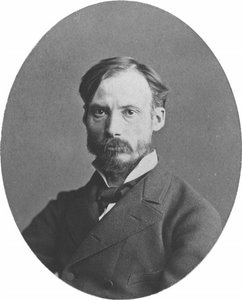
Pierre-Auguste Renoir
1841 - 1919 , Frankrike
Kort om kunstneren
- Artistic Movement Or Style: Impresjonisme
- Artists Or Movements Influenced By This Artist: ['Impresjonisme']
- Artists Who Influenced This Artist:
- Rubens
- Watteau
- Courbet
- Manet
- Date Of Birth: 25. februar 1841
- Date Of Death: 3. desember 1919
- Full Name: Pierre-Auguste Renoir
- Nationality: Fransk
- Notable Artworks:
- Dance at Le Moulin de la Galette
- Luncheon of the Boating Party
- After the Bath
- Dance at Bougival
- Place Of Birth: Limoges, Frankrike
Relaterte artikler
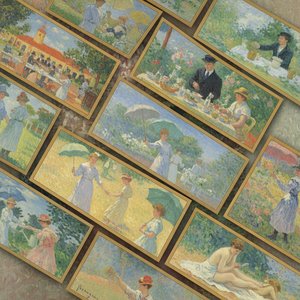
Renoirs Mesterverk: Topp 25 Kunstverk for Din Vegg – AllPaintingsStore.no
Oppdag Renoirs 25 mest ikoniske malerier! Fordyp deg i impresjonismens verden, fargerike dansebilder og vakre portretter. Finn museumskvalitets reproduksjoner & interiørinspirasjon på AllPaintingsStore.com.

The Luminous World of Pierre-Auguste Renoir: An Exploration of Impressionism's Sensuous Embrace
Explore the captivating world of Pierre-Auguste Renoir! Discover his life, iconic Impressionist masterpieces & enduring legacy with our expert guide. High-quality reproductions available.
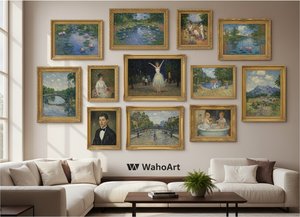
Impresjonismens Mesterverk: 10 Maler Som Forandret Kunsten | AllPaintingsStore.no
Oppdag de 10 mest ikoniske impresjonistiske maleriene av Monet, Renoir & Degas. Lær historien bak disse mesterverkene og finn inspirasjon til din interiørdesign med AllPaintingsStore.no! Utforsk kunstsamlingen online.

Capturing Light and Joy: A Definitive Guide to the Luminous Masterpieces of Pierre-Auguste Renoir
Discover the luminous world of Pierre-Auguste Renoir. Explore an expert guide to his mastery of light, color, and joy through the lens of Impressionist history, perfect for fine art enthusiasts and collectors seeking timeless elegance.

Impresjonismens Mesterverk: Topp 10 Maler som Definerte en Epoke | AllPaintingsStore
Oppdag de 10 mest ikoniske impresjonistiske maleriene! Lær historien bak Monet, Degas og Renoir. Finn inspirasjon til interiørdesign & kjøp museumskvalitets kunsttrykk på AllPaintingsStore.com.


