


 Podgląd w skali
 Wyślij jako kartkę
 Udostępnij
 Szczegóły dzieła

 Pobierz
 Podobne obiekty
 RTG
RTG Pokaz slajdów
Manchester Beach


 Rozwiń treść
Ręcznie malowana reprodukcja olejowa
Ręcznie malowany obraz olejny na płótnie, wykonany na zamówienie przez naszych artystów w wybranym przez Ciebie wymiarze i oprawie. ( Zamów wydruk Przełącz na obraz)




P118B $10

P118H $10

P118W $10

P438Z $10

P508JH $12

P508YH $12

P805H $10

P805Z $10

P919BZ $10

P919G $10

P919XJ $10

P959ZH $10

P968JZ $12

W106C $8

W218G $10

W218JH $8

W218Y $10

W307PJ $10

W316G $10

W316PJ $8

W316Y $10

W398PJ $8

W4111J $10

W500HY $15

W500JH $15

W692G $12

W849H $8

W940BG $15

W953PJ $8




Wybierz spośród naszych standardowych rozmiarów, które zachowują oryginalne proporcje dzieła sztuki.

Możesz wprowadzić własne wymiary, aby dopasować obraz do konkretnej ramy lub przestrzeni. Jeśli wybrany rozmiar nie będzie odpowiadał proporcjom oryginału, przytniecie dzieło sztuki lub rozszerzymy je o dodatkowe elementy, ręcznie domalowane przez artystę. Przed rozpoczęciem produkcji wyślemy projekt cyfrowy do Twojej akceptacji.
Należy pamiętać, że podgląd na ekranie nie odzwierciedla rzeczywistego przycinania ani rozszerzania obrazu. Tylko projekt dokładnie pokaże ostateczną kompozycję.
Choć oferujemy możliwość zamówienia niestandardowych rozmiarów, zalecamy wybór wymiaru z gotowej listy, aby zachować oryginalne proporcje dzieła.
Po złożeniu zamówienia zespół AllPaintingsStore.com skontaktuje się z klientem drogą mailową w celu uzyskania instrukcji i prześle wizualizację projektu
Dostawa na całym świecie () w ciągu 3–4 tygodni zamiast standardowych 5 tygodni. (10 Sierpień). Bez kompromisów w kwestii jakości.

Bezpłatna ekspresowa wysyłka na cały świat

Wysokiej jakości płótno lniane

Pełne ubezpieczenie przesyłki

Gwarancja zwrotu należności celnych i podatków importowych

Gwarancja wiernego odwzorowania kolorów

Polityka 60-dniowego zwrotu (tylko w przypadku wad)

Gwarancja 100% zwrotu kosztów

Zniżka przy zamówieniu wielu produktów
 Opcja ze szkłem jest dostępna wyłącznie w rozmiarach poniżej 110 cm

Manchester Beach
Technika reprodukcji
Wymiary reprodukcji
-


Cena całkowita
$ 258
Opis dzieła
Manchester Beach przez Sanforda Robinsona Giforda – Odysemia Światła i Spokoju
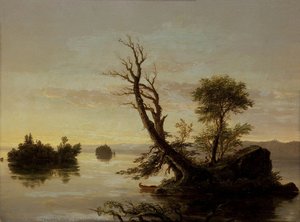
Manchester Beach, obraz stworzony w 1865 roku przez Sanforda Robinsona Giforda, stanowi doskonałe przykładowe dzieło Hudson River School, ruchu skupionego na wiernym odwzorowaniu krajobrazów amerykańskich. Obecnie znajduje się w kolekcji Thyssen-Bornemisza w Madrycie i zachwyca swoim majestatycznym spokojem oraz umiejętnością uchwycenia delikatnej atmosfery dnia nad morzem. Jest to obraz, który zaprasza do refleksji nad pięknem natury i wewnętrznym harmoniami.- Temat: Scena plaży z oceanem na tle górnych skał i drzewami. Obraz przedstawia grupę ludzi korzystających z przyjemności wypoczynku nad wodą oraz dwóch psów zabawnie biegających po brzegu plaży. Dodatkowe elementy obrazu to niewielkie łódki pływające w oceanie.
- Styl: Dzieło Giforda wpisuje się w nurt luminizmu – stylu charakterystycznego dla Hudson River School, który wyróżnia się niezwykłą delikatnością i miękkimi efektami świetlnymi. Artysta skupił się na wiernym odwzorowaniu światła naturalnego, co nadaje obrazowi atmosferę ciepła i spokoju.
- Technika: Obraz został wykonany techniką olejną na płótnie. Giford wykorzystał miękkie kolory oraz subtelne gradacje tonalne, aby osiągnąć efekt głębi i realizmu jednocześnie zachowując piękno krajobrazu. Jego umiejętność manipulowania światłem jest jednym z czynników determinujących sukces dzieła.
- Historia i Kontekst: Obraz powstał w okresie rozkwitu amerykańskiej sztuki pejzażowej, kiedy Hudson River School dominował na scenie artystycznej. Dzieło Giforda odzwierciedla zainteresowanie XIX wieku pięknem przyrody oraz potrzebą wyrażenia emocji związanych z podróżami i odkryciami geograficznymi.
- Symbolizm: Plaża, ocean i skały często miały znaczenie symboliczne dla artystów tego okresu. Można je interpretować jako symbole wolności, harmonii oraz połączenia z naturą – wartości cenione przez Hudson River School i odzwierciedlone w dziełach takich jak Manchester Beach.
Podobne dzieła


O artyście
Early Life and Artistic Beginnings
Sanford Robinson Gifford, a name synonymous with the serene beauty of American landscapes, was born on July 10th, 1823, in Greenfield, New York – a small town nestled amidst the rolling hills of Saratoga County. His early life was deeply intertwined with the rhythms of rural existence; his father, a successful iron foundry owner and bank director, provided a stable environment that fostered Gifford’s burgeoning artistic inclinations. Unlike many artists of his time who hailed from established families of wealth and privilege, Gifford's exposure to art began somewhat unexpectedly – through his elder brother, Charles, an avid collector of prints, particularly those by the renowned British watercolorist, John Rubens Smith. This early introduction sparked a lifelong fascination with capturing the essence of nature on canvas. Following in Charles’ footsteps, Gifford sought instruction from Smith himself, immersing himself in the fundamentals of drawing and perspective – skills considered essential for any aspiring artist. He also attended classes at the National Academy of Design in New York City, further honing his technical abilities and absorbing the prevailing artistic trends of the era.The Influence of the Hudson River School
Gifford’s artistic journey was profoundly shaped by the burgeoning movement known as the Hudson River School. This group of American landscape painters, including Thomas Cole, Frederic Church, and Albert Bierstadt, sought to depict the majestic beauty of the American wilderness with a romantic sensibility. Inspired by Cole's pioneering work – particularly his evocative scenes of the Catskill Mountains – Gifford abandoned his initial focus on portraiture and embraced the challenge of translating the grandeur of nature onto canvas. He was captivated by the School’s emphasis on capturing light, atmosphere, and the sublime qualities of the natural world. Unlike some of his contemporaries who incorporated elements of European Romanticism, Gifford deliberately sought to create a distinctly American landscape style – one that celebrated the unique character of the United States.European Travels and Artistic Transformation
In 1855, at the age of thirty-two, Gifford embarked on a transformative journey to Europe, a period that would fundamentally alter his artistic vision. He spent over two years traversing the continent, immersing himself in the art and culture of England, Scotland, France, Belgium, Holland, and Germany. This extensive travel experience proved pivotal in shaping his distinctive Luminist style. He was particularly influenced by J.M.W. Turner, the celebrated English Romantic painter known for his atmospheric landscapes and masterful use of light. Gifford meticulously studied Turner’s techniques, absorbing his innovative approach to color, composition, and brushwork. His time in Italy proved equally enriching, allowing him to observe firsthand the classical ruins and dramatic landscapes that had inspired generations of artists. These experiences broadened his artistic horizons and provided him with a new perspective on the relationship between humanity and nature.A Distinctive Luminist Style and Notable Works
Upon his return to America in 1857, Gifford established a studio in New York City, where he began to develop his signature Luminist style – characterized by its soft, diffused light, subtle atmospheric effects, and delicate brushwork. He eschewed bold colors and dramatic contrasts, instead favoring a muted palette and an emphasis on capturing the ephemeral qualities of light and shadow. Gifford’s landscapes often depicted serene scenes of mountains, valleys, and forests, evoking a sense of tranquility and contemplation. Among his most celebrated works are *Tivoli* (1868), currently housed in the Metropolitan Museum of Art, and *Mount Mansfield* (1858), which was exhibited at the National Academy of Design. These paintings exemplify Gifford’s mastery of light and atmosphere, capturing the essence of the American wilderness with remarkable sensitivity and grace.Legacy and Historical Significance
Sanford Robinson Gifford died in New York City on August 29th, 1880, leaving behind a legacy as one of the most important landscape painters of the Hudson River School. His work continues to resonate with viewers today, offering a glimpse into the beauty and serenity of the American wilderness. Gifford’s contributions to American art are undeniable, and his paintings can be found in numerous museums across the country. He is remembered not only for his technical skill but also for his ability to capture the spirit of the American landscape – its vastness, its tranquility, and its enduring appeal. His legacy endures as a testament to the power of observation, imagination, and artistic vision.
Sanford Robinson Gifford
1823 - 1880 , Stany Zjednoczone
Krótka nota
- Artistic Movement Or Style: Luminizm, Hudson River School
- Artists Or Movements Influenced By This Artist: ['Hudson River School']
- Artists Who Influenced This Artist: ['John Rubens Smith']
- Date Of Birth: 10 lipca 1823
- Date Of Death: 29 sierpnia 1880
- Full Name: Sanford Robinson Gifford
- Nationality: Amerykański
- Notable Artworks:
- Tivoli
- Mount Mansfield
- Place Of Birth: Greenfield, USA
Powiązane artykuły

Jasper Francis Cropsey: Luminism, Landscape & the American Pastoral Ideal
Explore the captivating landscapes of Jasper Francis Cropsey, a leading figure of the Hudson River School & Luminism movement. Discover his signature style and idyllic American scenes. Own a hand-painted reproduction today!

Sublime Krajobrazy: Narodziny Amerykańskiej Tożsamości Artystycznej i Rola Szkoły Hudson River
Odkryj fascynującą historię Szkoły Hudson River i narodziny amerykańskiej tożsamości artystycznej. Poznaj kluczowych artystów, techniki malarskie i inspiracje. Reprodukcje najwyższej jakości na AllPaintingsStore.com!
David Johnson: A Luminist Master of the Hudson River School & Beyond
Explore the captivating landscapes of David Johnson, a key figure in the Hudson River School & Luminism movement. Discover his artistic evolution, legacy, and how to collect his works with AllPaintingsStore.

Szkoła Rzeki Hudson: 10 arcydzieł, które ukształtowały pejzaż amerykańskiej sztuki | AllPaintingsStore
Odkryj 10 arcydzieł Szkoły Rzeki Hudson – malarstwo krajobrazowe Cole'a, Churcha i Bierstadta. Poznaj historię artystów i inspiracje romantyzmu amerykańskiego. Reprodukcje obrazów najwyższej jakości na AllPaintingsStore.com! Eksploruj kolekcję online.

William Bradford: Navigating Faith, Landscape & Artistic Innovation in Early American Painting
Explore the captivating world of William Bradford, American Romanticist painter renowned for his dramatic Arctic seascapes & ship portraits. Discover his artistic evolution, influences, and lasting legacy with AllPaintingsStore.





