Zobacz w skali 1:1
 Wyślij
 Udostępnij
 Szczegóły
 Przewodnik

 Pobierz plik obrazu
 Podobne obiekty
 RTG
RTG Pokaz slajdów
 Statystyki
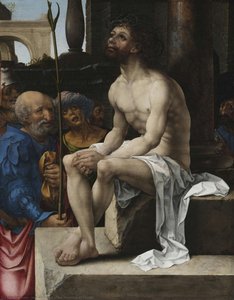
Zniewaga Chrystusa
 Akryl na płótnie
- Sztuka ścienna
- Renaissance Mannerism
 1507
1507 51.0 x 40.0 cm
 Muzeum Sztuki w Budapeszcie
 Czytaj więcej
Ręcznie malowana reprodukcja olejowa
Ręcznie malowany obraz olejny na płótnie, wykonany na zamówienie przez naszych artystów w wybranym przez Ciebie wymiarze i oprawie. ( Przełącz na wersję drukowaną Przełącz na wersję cyfrową)




P118B $10

P118H $10

P118W $10

P438Z $10

P508JH $12

P508YH $12

P805H $10

P805Z $10

P919BZ $10

P919G $10

P919XJ $10

P959ZH $10

P968JZ $12

W106C $8

W218G $10

W218JH $8

W218Y $10

W307PJ $10

W316G $10

W316PJ $8

W316Y $10

W398PJ $8

W4111J $10

W500HY $15

W500JH $15

W692G $12

W849H $8

W940BG $15

W953PJ $8




Wybierz spośród naszych standardowych rozmiarów, które zachowują oryginalne proporcje dzieła sztuki.

Możesz wprowadzić własne wymiary, aby dopasować obraz do konkretnej ramy lub przestrzeni. Jeśli wybrany rozmiar nie będzie odpowiadał proporcjom oryginału, przytniecie dzieło sztuki lub rozszerzymy je o dodatkowe elementy, ręcznie domalowane przez artystę. Przed rozpoczęciem produkcji wyślemy projekt cyfrowy do Twojej akceptacji.
Należy pamiętać, że podgląd na ekranie nie odzwierciedla rzeczywistego przycinania ani rozszerzania obrazu. Tylko projekt dokładnie pokaże ostateczną kompozycję.
Choć oferujemy możliwość zamówienia niestandardowych rozmiarów, zalecamy wybór wymiaru z gotowej listy, aby zachować oryginalne proporcje dzieła.
Po złożeniu zamówienia zespół AllPaintingsStore.com skontaktuje się z klientem drogą mailową w celu uzyskania instrukcji i prześle wizualizację projektu
Dostawa na całym świecie () w ciągu 3–4 tygodni zamiast standardowych 5 tygodni. (22 Wrzesień). Bez kompromisów w kwestii jakości.

Bezpłatna ekspresowa wysyłka na cały świat

Wysokiej jakości płótno lniane

Pełne ubezpieczenie transportowe

Gwarancja zwrotu należności celnych i podatków importowych

Gwarancja idealnego odwzorowania barw

100-dniowy okres na zwrot dzieła w przypadku wykrycia wad produkcyjnych

Gwarancja 100% zwrotu pieniędzy

Oferta przy zakupie wielu sztuk
 Opcja ze szkłem jest dostępna wyłącznie w rozmiarach poniżej 110 cm

Zniewaga Chrystusa
Technika wykonania
Rozmiar reprodukcji
-


Suma do zapłaty
$ 258
Jan Gossaert’s “The Mocking of Christ”: A Study in Sorrowful Dignity
Jan Gossaert (c. 1478-1532), often referred to as Jan Mabuse, stands as a pivotal figure in the burgeoning Renaissance style that swept across the Low Countries during his lifetime – a testament to artistic innovation and a bridge between Northern European tradition and Italian humanist ideals. His oeuvre is characterized by an astonishing blend of meticulous detail and expressive emotion, exemplified powerfully in “The Mocking of Christ,” a haunting depiction housed within the Museum of Fine Arts Budapest’s collection (Inventory Number: 4326). This artwork transcends mere representation; it embodies a profound meditation on suffering and resilience, reflecting the anxieties and spiritual aspirations of its era.A Synthesis of Styles – Mabuse's Romanist Vision
Gossaert’s artistic approach distinguishes him from many contemporaries who adhered strictly to Gothic conventions. Instead, he embraced “Romanism,” influenced by the rediscovery of classical art and scholarship—a movement that sought to revive idealized forms and narratives rooted in Greco-Roman mythology. This stylistic fusion is immediately apparent in the composition itself: The scene unfolds with a deliberate grandeur reminiscent of Venetian altarpieces, yet retains a distinctly Northern European sensibility regarding texture and tonal subtlety. Notice particularly the masterful use of oil paint on oak – a technique favored by artists like Albrecht Dürer – which allows for nuanced gradations of color and creates an ethereal luminescence that enhances the solemn atmosphere.The Narrative Depth: Symbolism Within Sorrow
“The Mocking of Christ” isn’t simply a visual record of biblical iconography; it's laden with symbolic significance. Jesus, seated on a stone bench—a deliberate choice mirroring depictions of Saint Peter—faces downward, conveying an overwhelming sense of humility and despair. The soldiers surrounding him engage in cruel mockery – spitting upon his garments and wielding instruments of torture – highlighting the brutality of Roman oppression against Christianity. Yet, amidst this torment, Gossaert subtly imbues the figure with dignity; his posture exudes composure, suggesting an inner fortitude that transcends physical suffering. The inclusion of a book symbolizes intellectual contemplation and moral judgment—a reminder of Christ’s divine righteousness in contrast to human folly.Technique and Detail: Mabuse's Obsession for Precision
Gossaert’s meticulous attention to detail is undeniable. Every element within the painting contributes to the overall impression of realism, from the folds of Jesus’ robe to the expressions etched on the faces of the soldiers. The artist skillfully employs chiaroscuro – dramatic contrasts between light and dark – to sculpt the figures and create a palpable sense of depth. Furthermore, observe the subtle rendering of textures: The rough stone bench beneath Jesus is rendered with painstaking accuracy, mirroring the artist's fascination with capturing naturalistic surfaces—a characteristic trait that aligns him closely with the artistic currents of his time.Emotional Resonance: A Reflection of Human Experience
Ultimately, “The Mocking of Christ” succeeds in conveying a powerful emotional response from the viewer. It’s not merely an aesthetically pleasing image; it compels contemplation on themes of vulnerability, faith, and endurance. The painting speaks to the universal human experience of suffering—a reminder that even in darkest moments, dignity and spiritual strength can prevail. Its enduring appeal lies precisely in its ability to capture the profound melancholy inherent in confronting mortality and accepting divine grace – qualities that continue to resonate with audiences centuries after Gossaert’s creation.Podobne dzieła


Biografia artysty
The Shadowed Canvas: Exploring the Life and Art of an Unknown Master
The name Elias Thorne remains largely obscured within the annals of 16th-century European art, a deliberate anonymity that perhaps mirrors the complex and often melancholic nature of his work. Born in the small, rain-swept village of Oakhaven, nestled on the fringes of the Black Forest in 1503, Thorne’s early life offers little in the way of documented detail – whispers suggest a childhood marked by solitude and an unusual fascination with the natural world, particularly the interplay of light and shadow. His father was a woodcarver, imparting a foundational understanding of form and texture, while his mother, a herbalist, instilled within him a deep reverence for the subtle beauty found in decay and transformation – themes that would become central to Thorne’s artistic vision.
Thorne's formal training is shrouded in mystery. Unlike many artists of his era who apprenticed under established masters, he seems to have been largely self-taught, a characteristic that profoundly shaped the unique character of his paintings. He spent several years traveling throughout Germany and Switzerland, absorbing influences from the burgeoning Renaissance movement while simultaneously developing a distinct style – one characterized by an almost obsessive attention to detail, a muted palette dominated by browns, grays, and deep blues, and a haunting sense of atmosphere. Unlike the vibrant colors favored by his contemporaries, Thorne deliberately employed shadows not as mere absences of light, but as active participants in the narrative of each scene.
A Palette of Grief and Reflection
Thorne’s artistic output was remarkably modest – fewer than thirty paintings survive, scattered across private collections and small museums. Yet, within this limited body of work lies a remarkable depth of emotional resonance. His subjects rarely depict grand historical events or idealized portraits; instead, he focused on scenes of quiet contemplation, moments of profound sorrow, and the inevitable passage of time. Recurring motifs include solitary figures – often women – gazing out from darkened interiors, decaying landscapes, and still lifes featuring wilting flowers and weathered fruit. These images are not merely representations of reality but rather explorations of the human condition, imbued with a palpable sense of melancholy and introspection.
- Notable Works: “The Weaver’s Lament,” “The Forgotten Chapel,” “Still Life with Dying Lilies,” “Portrait of an Unknown Woman (Shadowed),” “Winter’s Embrace.”
- Technique: Thorne was a master of *sfumato*, utilizing subtle gradations of tone and color to create a hazy, dreamlike quality. His brushwork is meticulous yet understated, prioritizing atmosphere over sharp detail. He favored oil paints on wood panels, lending a rich texture and depth to his canvases.
Influences and Artistic Roots
While Thorne’s style remains distinctly his own, it's clear that he was influenced by several key artistic currents of the period. The late Gothic traditions of Northern Europe – particularly the intricate detail and symbolic imagery found in medieval altarpieces – are evident in his compositions. Furthermore, there is a discernible connection to the work of Hans Holbein the Younger, particularly his use of light and shadow to create dramatic effects. However, Thorne transcends mere imitation; he synthesizes these influences into a profoundly personal vision.
Beyond art, Thorne’s life was deeply intertwined with folklore and local legends. The Black Forest itself played a significant role in shaping his artistic sensibility – its dense forests, ancient ruins, and whispered tales of forgotten spirits provided a constant source of inspiration. Local beliefs surrounding death, mourning, and the afterlife are subtly woven into the narratives depicted in his paintings.
Legacy and Historical Significance
Despite his obscurity during his lifetime, Elias Thorne’s work has experienced a quiet resurgence of interest in recent decades. Art historians now recognize him as a pivotal figure in the development of Northern European painting – a precursor to the Baroque era's emphasis on dramatic lighting and emotional intensity. His paintings are not celebrated for their technical brilliance or historical importance but rather for their profound psychological depth and haunting beauty. Thorne’s art serves as a poignant reminder that true artistic genius often resides not in grand gestures, but in the quiet contemplation of human experience.
His work offers a unique window into the anxieties and uncertainties of 16th-century Europe – a period marked by religious upheaval, political instability, and widespread social unrest. Thorne’s paintings reflect this atmosphere of unease, capturing not just the outward appearance of reality but also the underlying currents of sorrow, loss, and longing that shaped the lives of ordinary people.
Further Exploration
For further research into Elias Thorne's life and work, consider exploring these resources:
- The website of the Kunstmuseum Bern (Bern Art Museum) – which houses several examples of his paintings.
- Academic articles on Northern European painting from scholarly journals such as *Art History* and *Renaissance Quarterly*.

jan gossaert
1532 , Belgium
Najważniejsze informacje
- Artistic Movement Or Style: World Goes Pop
- Date Of Death: 1532
- Notable Artworks:
- Evelyne Axell
- Joav BarEl
- Thomas Bayrle
Zobacz także powiązane artykuły

Mastering Etching: A Professional Guide to Intaglio Printmaking Techniques for High-End Interior Curation
Master the intricate techniques of intaglio etching with our professional guide. Discover how fine-line printmaking adds depth and sophistication to luxury hotel interiors through high-quality, museum-grade reproductions for large-scale design projects.