Podgląd w skali
 Wyślij jako kartkę
 Udostępnij
 Szczegóły dzieła

 Pobierz
 Podobne obiekty
 RTG
RTG Pokaz slajdów
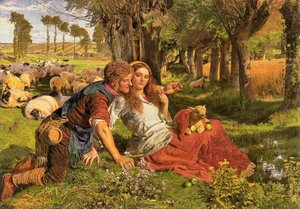
Hodowany Pasztor
 Olej na płótnie
- Sztuka ścienna
- Pre-Raphaelite Brotherhood
 1851
1851- XIX wiek
 76.0 x 110.0 cm
 Manchester Art Gallery
 Rozwiń treść
Ręcznie malowana reprodukcja olejowa
Ręcznie malowany obraz olejny na płótnie, wykonany na zamówienie przez naszych artystów w wybranym przez Ciebie wymiarze i oprawie. ( Zamów wydruk Przełącz na obraz)




P118B $10

P118H $10

P118W $10

P438Z $10

P508JH $12

P508YH $12

P805H $10

P805Z $10

P919BZ $10

P919G $10

P919XJ $10

P959ZH $10

P968JZ $12

W106C $8

W218G $10

W218JH $8

W218Y $10

W307PJ $10

W316G $10

W316PJ $8

W316Y $10

W398PJ $8

W4111J $10

W500HY $15

W500JH $15

W692G $12

W849H $8

W940BG $15

W953PJ $8




Wybierz spośród naszych standardowych rozmiarów, które zachowują oryginalne proporcje dzieła sztuki.

Możesz wprowadzić własne wymiary, aby dopasować obraz do konkretnej ramy lub przestrzeni. Jeśli wybrany rozmiar nie będzie odpowiadał proporcjom oryginału, przytniecie dzieło sztuki lub rozszerzymy je o dodatkowe elementy, ręcznie domalowane przez artystę. Przed rozpoczęciem produkcji wyślemy projekt cyfrowy do Twojej akceptacji.
Należy pamiętać, że podgląd na ekranie nie odzwierciedla rzeczywistego przycinania ani rozszerzania obrazu. Tylko projekt dokładnie pokaże ostateczną kompozycję.
Choć oferujemy możliwość zamówienia niestandardowych rozmiarów, zalecamy wybór wymiaru z gotowej listy, aby zachować oryginalne proporcje dzieła.
Po złożeniu zamówienia zespół AllPaintingsStore.com skontaktuje się z klientem drogą mailową w celu uzyskania instrukcji i prześle wizualizację projektu
Dostawa na całym świecie () w ciągu 3–4 tygodni zamiast standardowych 5 tygodni. (11 Sierpień). Bez kompromisów w kwestii jakości.

Bezpłatna ekspresowa wysyłka na cały świat

Wysokiej jakości płótno lniane

Pełne ubezpieczenie przesyłki

Gwarancja zwrotu należności celnych i podatków importowych

Gwarancja wiernego odwzorowania kolorów

Polityka 60-dniowego zwrotu (tylko w przypadku wad)

Gwarancja 100% zwrotu kosztów

Zniżka przy zamówieniu wielu produktów
 Opcja ze szkłem jest dostępna wyłącznie w rozmiarach poniżej 110 cm

Hodowany Pasztor
Technika reprodukcji
Wymiary reprodukcji
-


Cena całkowita
$ 283
Opis dzieła
Hodowany Pasterz: Prerafaelickie Arcydzieło
Zanurz się w urzekającym świecie „Hodowanego Pasterza” autorstwa Williama Holmana Hunta, pociągającego dzieła, które stanowi kwintesencję oddania Bractwa Prerafaelitów naturze i symbolicznej głębi. To arcydzieło z 1851 roku zaprasza widzów do sielankowej scenerii, tętniącej misternymi detalami, żywymi kolorami i wielowarstwową narracją.
Sielanka pełna intrygi
Obraz przedstawia młodego pasterza i dziewicę w bujnej, wiejskiej scenerii. Pasterz, zaniedbując swoje stado, jest całkowicie pochłonięty pokazywaniem kobiecie ćmy z motywem czaszki – prządka śmierci. Ta pozornie niewinna interakcja rozgrywa się na tle błądzących owiec, łanu pszenicy i spokojnego krajobrazu, tworząc poczucie harmonii zakłóconej przez subtelne napięcia.
Styl i technika prerafaelitów
Skrupulatna uwaga Hunta do detali oraz żywa paleta barw są znakami rozpoznawczymi stylu prerafaelickiego. Ziemiste tony zieleni, brązów i czerwieni płynnie łączą się z łagodniejszymi odcieniami błękitu i bieli, tworząc bogate i teksturalne doświadczenie wizualne. Gładkie, miękkie pociągnięcia pędzla nadają postaciom i elementom natury niemal żywotną jakość, prezentując mistrzostwo Hunta w malarstwie olejnym.
Kontekst historyczny i symbolika
Namalowany w czasach artystycznego buntu przeciwko akademickim tradycjom Royal Academy, „Hodowany Pasterz” odzwierciedla pragnienie prerafaelitów powrotu do czystości i szczegółowości sztuki średniowiecznej. Symbolika obrazu jest wielowymiarowa: zaniedbanie stada przez pasterza można postrzegać jako metaforę duchowego niedbalstwa, podczas gdy ćma z motywem czaszki może reprezentować śmiertelność lub pokusę. Wykorzystanie przez Hunta aluzji biblijnych dodaje kolejnym warstw znaczeniowych, zapraszając widzów do rozważań nad głębszymi tematami odpowiedzialności i moralnego przewodnictwa.
Oddziaływanie emocjonalne i dziedzictwo
Emocjonalny rezonans „Hodowanego Pasterza” tkwi w jego zdolności do wywoływania poczucia spokoju i romansu, przy jednoczesnym subtelnym sugerowaniu ukrytych napięć. Ta pastoralna idylla jest zarazem zachęcająca, jak i skłaniająca do refleksji, co czyni ją pociągającym dziełem zarówno dla miłośników sztuki, jak i kolekcjonerów. Praca Hunta pozostawiła niezatarte piętno w świecie sztuki, inspirując pokolenia artystów i nieustannie zachwycając odbiorców swoim pięknem i głębią.
Dlaczego warto wybrać tę reprodukcję?
Dla projektantów wnętrz oraz entuzjastów sztuki pragnących dodać swoim przestrzeniom szczyptę prerafaelickiej elegancji, wysokiej jakości reprodukcja „Hodowanego Pasterza” oferuje wykwintne połączenie znaczenia historycznego i estetycznej atrakcyjności. Bogate barwy obrazu oraz szczegółowa kompozycja sprawiają, że stanowi on uderzający punkt centralny w każdej aranżacji – od tradycyjnych domów po współczesne galerie.
Doświadcz ponadczasowego uroku arcydzieła Williama Holmana Hunta i wprowadź cząstkę prerafaelickiej sztuki do swojego świata dzięki tej zachwycającej reprodukcji.
Podobne dzieła


O artyście
A Life Devoted to Vision
William Holman Hunt, born in Cheapside, London on April 2, 1827, was more than simply a painter; he was a philosophical and spiritual seeker who translated his deepest convictions onto canvas. His early life, though rooted in the bustling commercial world of his father’s warehouse business, held within it an artistic inclination that would ultimately defy expectations. Initially destined for a career mirroring his father's, Hunt found solace and purpose in art, beginning with surreptitious sketching and later, after some struggle, formal training at the Royal Academy Schools. This period of apprenticeship, however, proved restrictive. He yearned for an artistic expression that transcended prevailing academic conventions—a desire that would soon propel him toward revolutionary change. He felt stifled by what he perceived as the artificiality of contemporary art and sought a return to the sincerity and detail found in pre-Renaissance masters, a sentiment central to the formation of the Pre-Raphaelite Brotherhood. Hunt’s journey wasn't merely about aesthetics; it was a quest for truth, morality, and spiritual resonance within the realm of visual representation.The Genesis of a Revolutionary Brotherhood
In 1848, alongside Dante Gabriel Rossetti and John Everett Millais, Hunt established the Pre-Raphaelite Brotherhood (PRB). This collective wasn’t just an artistic movement; it was a rebellion against what they saw as the decline of art since Raphael. The PRB advocated for a return to meticulous detail, vibrant colors, and sincere subject matter characteristic of early Italian painting—before the perceived artificiality of High Renaissance ideals took hold. Hunt's commitment to this philosophy remained unwavering throughout his career. Early works like *The Hireling Shepherd*, painted in 1851, exemplify this dedication. The painting’s painstaking realism – from the texture of the sheep’s wool to each individual blade of grass – was revolutionary for its time. It wasn't merely a depiction of rural life; it was an attempt to convey moral and symbolic meaning through precise observation of nature. *The Awakening Conscience*, also from this period, further solidified Hunt’s reputation for intensely naturalistic scenes imbued with psychological depth and moral weight. These paintings weren’t just visually striking; they were statements about the artist's belief in art as a vehicle for truth and spiritual awakening. The Brotherhood sought to challenge the established norms of artistic production, rejecting what they perceived as formulaic academic painting in favor of a more direct and honest engagement with the world around them.A Pilgrimage of Faith and Symbolic Depth
Hunt’s artistic journey took an extraordinary turn with his travels to the Holy Land in the 1850s and 60s. Driven by a desire for historical and topographical accuracy, he embarked on a pilgrimage to Palestine and Syria, meticulously documenting landscapes, costumes, and customs. This dedication to authenticity profoundly influenced his later works, imbuing them with an unparalleled sense of realism and spiritual resonance. *The Shadow of Death*, painted during this period, stands as a powerful example. The painting depicts the scene of Christ’s sacrifice in a way that was both visually arresting and deeply symbolic, reflecting Hunt's profound religious convictions. He sought to capture not just the physical reality of the event but also its spiritual significance, drawing upon biblical accounts and medieval iconography. His meticulous research extended beyond mere observation; he studied ancient texts, consulted with scholars, and even learned Arabic in order to gain a deeper understanding of the historical context. This pilgrimage wasn’t simply an artistic endeavor; it was a deeply personal quest for faith and knowledge.The Iconography of Salvation: *The Light of the World*
Perhaps Hunt's most famous and influential work, *The Light of the World* (1853), encapsulates this synthesis of faith and artistic skill. The image of Christ knocking at a door, offering salvation to those who open their hearts, became immensely popular and remains one of the most recognizable religious paintings of the Victorian era. Hunt’s meticulous attention to detail—from the folds of the beggar's robe to the flickering light emanating from the doorway—created an intensely realistic and emotionally resonant scene. The painting was initially met with mixed reactions; some critics praised its technical brilliance, while others dismissed it as overly sentimental or morbid. However, *The Light of the World* quickly gained widespread recognition thanks to a series of engravings that disseminated the image throughout Britain and America. It became a symbol of Victorian morality and spiritual aspiration, reflecting the era’s anxieties about sin, redemption, and the promise of salvation. The painting's enduring appeal lies in its ability to evoke a profound sense of empathy and invite viewers to contemplate their own relationship with faith and morality.Enduring Legacy and Later Years
Despite facing failing eyesight in his later years – a devastating blow for a painter so dedicated to detail – Hunt continued to create art, often relying on the assistance of his assistant, Edward Robert Hughes. He published an autobiography in 1905, offering invaluable insights into his artistic philosophy and personal life. His dedication was recognized with appointment to the Order of Merit by King Edward VII that same year. Hunt’s personal life was marked by both joy and sorrow; he married twice, first to Fanny Waugh, who served as a model for several of his works, and later to her sister Edith, after navigating legal complexities surrounding British laws regarding marriage to a deceased wife's sibling. He passed away on September 7, 1910, and was honored with burial in St Paul’s Cathedral—a testament to his significant contribution to British art and culture. William Holman Hunt’s legacy extends far beyond the beauty of his paintings. He revolutionized Victorian art by championing realism, symbolism, and spiritual depth, leaving an indelible mark on generations of artists and viewers alike. His works continue to inspire awe and contemplation, reminding us of the power of art to illuminate the human condition and explore the mysteries of faith.Key Influences & Themes
- Influences: John Ruskin’s writings on art and morality; Early Italian Renaissance painting (pre-Raphaelite); Biblical texts and medieval allegory.
- Major Themes: Religious faith, moral awakening, the beauty of nature, social commentary, symbolism. Hunt consistently explored themes of redemption, sacrifice, and the search for spiritual truth in his work.
- Key Dates: April 2, 1827: Born in Cheapside, London; 1851-1853: Painted *The Light of the World*; September 7, 1910: Passed away and buried in St Paul’s Cathedral, London.

William Holman Hunt
1827 - 1910 , Wielka Brytania
Krótka nota
- Artistic Movement Or Style: Prerafaelizm
- Artists Or Movements Influenced By This Artist: ['Prerafaelizm']
- Artists Who Influenced This Artist:
- John Ruskin
- Wczesny malarstwo włoskie
- Date Of Birth: 2 kwietnia 1827
- Date Of Death: 7 września 1910
- Full Name: William Holman Hunt
- Nationality: Brytyjczyk
- Notable Artworks:
- Światłość świata
- The Light of the World
- Przebudzone sumienie
- Place Of Birth: Londyn, Wielka Brytania
Powiązane artykuły
Dante Gabriel Rossetti: 25 Arcydzieł Pełnych Pasji i Symboliki | AllPaintingsStore
Odkryj 25 najpiękniejszych obrazów Dante Gabriela Rossettiego! Poznaj historię, symbolikę i techniki prerafaelitów. Reprodukcje najwyższej jakości do Twojego wnętrza – AllPaintingsStore.

Sir John Everett Millais: Pre-Raphaelite Rebellion & Victorian Narrative Detail
Explore the revolutionary art of Sir John Everett Millais & the Pre-Raphaelite Brotherhood. Discover their radical realism, symbolic narratives, and lasting impact on Victorian aesthetics. A deep dive into 19th-century masterpieces.

Prerafaelici: Bunt przeciw akademizmowi i odrodzenie malarstwa narracyjnego
Poznaj fascynujący świat prerafaelitów – ruchu artystycznego, który zrewolucjonizował malarstwo wiktoriańskie. Analiza stylu, twórczości Millaisa, Rossettiego i innych mistrzów. Odkryj inspiracje średniowieczem i symbolikę ich dzieł.

Arthur Hughes: Pre-Raphaelite Visions of Beauty & Melancholy
Explore the captivating world of Arthur Hughes (1832-1915), a leading Pre-Raphaelite painter. Discover his dreamy landscapes, poetic narratives & iconic Victorian artworks. Learn about his life, style & collecting today.

John William Waterhouse: Pre-Raphaelite Mythmaker & Poetic Depictions of Female Identity
Explore the captivating world of John William Waterhouse, a master of Pre-Raphaelite painting. Discover his iconic depictions of mythology and female identity in this expert guide.