difference between post impressionism and impressionism
Impressionism focuses on capturing the fleeting, naturalistic effects of light and movement through visible brushstrokes. Post-Impressionism reacts against this by emphasizing emotional depth, symbolic content, and structured forms. While Impressionism seeks to recreate optical sensations, Post-Impressionism prioritizes the artist's internal feelings and abstract qualities.
Impressionism emerged in Paris during the 19th century, characterized by an emphasis on ordinary subject matter and unusual visual angles. It often resembles a snapshot, blurring the boundary between the subject and the background. A famous example is Claude Monet's Impression, Sunrise.
Post-Impressionism developed roughly between 1886 and 1905. It is a broad movement encompassing various styles like Neo-Impressionism, Symbolism, and Synthetism. Rather than just documenting light, these artists used color and form to convey ideas that exist beyond the visible spectrum.
What is the difference between post impressionism and impressionism?
The primary difference lies in their intent: Impressionism aims for the accurate depiction of light and atmosphere in a single moment. Post-Impressionism moves toward subjectivity, using exaggerated colors and shapes to express psychological intensity, spiritual meaning, or structural permanence rather than mere visual observation.
Key distinctions include:
- Impressionism: Focused on the "sensation in the eye," capturing the passage of time and light through loose, rapid brushwork.
- Post-Impressionism: Focused on the "sensation in the mind," utilizing more deliberate, heavy applications of paint to achieve emotional resonance.
Impressionism served as a precursor to later movements like Fauvism and Cubism. Post-Impressionism, however, acted as a bridge from representation toward the abstraction seen in modern art.
How do brushwork and color usage change between these two movements?
Impressionists used short, visible brushstrokes and pure pigment applied side-by-side to allow the eye to blend colors optically, creating luminosity. Post-Impressionists moved toward more deliberate, heavy, or even distorted applications of paint, such as impasto, to prioritize emotional impact over naturalistic accuracy.
Technique shifts include:
- Impressionist Color: Focused on how light changes the appearance of color in real-time, often creating a soft, hazy atmosphere.
- Post-Impressionist Color: Often vibrant and conspicuous, used to convey a specific state of mind or to create structured patterns.
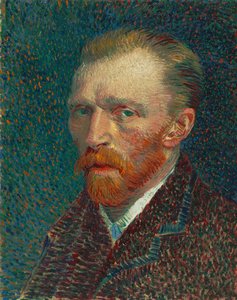
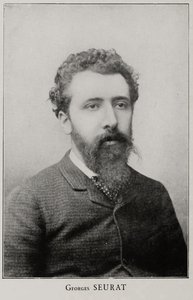
For instance, Vincent van Gogh used bold, expressive lines and vibrant colors to communicate his inner world. In contrast, Georges Seurat utilized a more systematic, scientific approach to color through pointillism.
Which key artists belong to each specific movement?
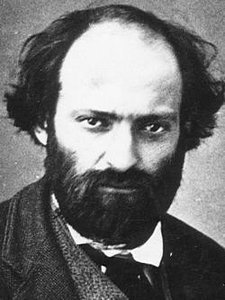
Impressionism is defined by a group of Paris-based artists who held eight exhibitions between 1874 and 1886. Post-Impressionism is a diverse movement featuring several major figures who developed different precepts for color, pattern, and form, including Paul Cézanne, Paul Gauguin, Vincent van Gogh, and Georges Seurat.
Notable figures include:
- Impressionists: Claude Monet, Berthe Morisot, Mary Cassatt, and Pierre-Auguste Renoir.
- Post-Impressionists: Paul Cézanne (often called the father of the movement), Paul Gauguin, Vincent van Gogh, and Georges Seurat.
While some artists, like Camille Pissarro, experimented with Neo-Impressionist ideas, the Post-Impressionist era is generally recognized as a distinct period of rebellion against the limitations of naturalism.
Frequently asked questions
How many Impressionism exhibitions were held?
Impressionism exhibitions were held eight times between 1874 and 1886.
What movements are part of Post-Impressionism?
Post-Impressionism encompasses movements like Les Nabis and Synthetism.
What movements did Impressionism lead to?
Impressionism is a precursor to Fauvism and Cubism.
Who named the Post-Impressionism movement?
Roger Fry chose the name Post-Impressionism to describe the artists' position in time.
Learn more
- 1853 – 1890Vincent van GoghStudy Van Gogh's expressive brushwork to see how Post-Impressionism conveys emotion.
- 1859 – 1891Georges SeuratLearn how Seurat used systematic color application in Post-Impressionism.
- 1839 – 1906Paul CézanneExplore Cézanne's works to understand the structural foundations of Post-Impressionism.