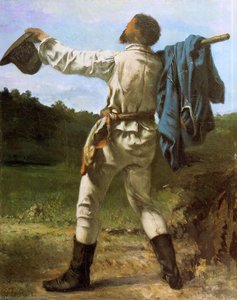
Pędzel buntownika: Życie i dziedzictwo Gustave'a Courbeta
Urodzony w cichej wiosce Ornans we Francji w 1819 roku, Jean Désiré Gustave Courbet wyłonił się jako siła sprzeciwu wobec ustalonych norm artystycznych swoich czasów. Jego historia to nie tylko opowieść o farbie i płótnie; to narracja utkany z nici komentarza społecznego, przekonań politycznych i niezachwianego oddania przedstawianiu świata dokładnie takim, jakim go widział – nieidealizowanym, surowym i głęboko prawdziwym. Dorastając w stosunkowo zamożnej rodzinie burżuazyjnej, Courbet otrzymał od matki wsparcie w rozwijaniu swoich artystycznych skłonności, co ostatecznie stało się paliwem dla rewolucją w świecie sztuki. Jego formalne wykształcenie rozpoczęło się w École des Beaux-Arts w Paryżu w 1839 roku, lecz szybko poczuł opór wobec panujących tam akademickich konwencji i romantycznego idealizmu. Choć uznawał wpływy takich mistrzów jak Eugène Delacroix czy Théodore Géricault, Courbet wykuł własną ścieżkę – taką, która przedkładała obserwację nad wyobraźnię, a prawdę nad tradycję.Narodziny realizmu: Rzucenie wyzwania konwencjom artystycznym
Rozwój artystyczny Courbeta charakteryzował się celowym odrzuceniem dominujących standardów estetycznych. Nie interesowały go mityczne narracje ani heroiczne alegorie; jego wzrok utkwiony był w codziennym życiu zwykłych ludzi, szczególnie tych zaangażowanych w trud pracy i wiejską egzystencję. To oddanie w ukazywaniu świata bez upiększeń – co później przeszło do historii jako realizm – początkowo spotkało się z pogardą i drwiną krytyków przyzwyczajonych do bardziej wygładzonych i idealizowanych przedstawień. Wczesne prace eksplorowały pejzaże i portrety, lecz wkrótce zwróciły się ku scenom z życia klasy robotniczej, ukazowanym w monumentalnej skali, tradycyjnie zarezerwowanej dla malarstwa historycznego lub religijnego. Ten świadomy wybór nie był jedynie zabiegiem stylistycznym; był to manifest dotyczący przyrodzonej godności i ważności tych często pomijanych tematów. Kamieniarze, ukończone w 1849 roku, lecz tragicznie zniszczone podczas II wojny światowej, stanowiły przykład tego podejścia – surowy obraz dwóch robotników ciężko pracujących, których twarze są przesłonięte przez wycieńczenie i trud. Ten obraz, wraz z innymi, takimi jak Pogrzeb w Ornans (1850), rzucił wyzwanie samej definicji tego, co uznawano za „godny” temat dla sztuki wysokiej.Główne dzieła i filozofia artystyczna
Pogrzeb w Ornans, kolosalne płótno przedstawiające prowincjonalną ceremonię pogrzebową, wywołało skandal podczas wystawy w latach 1850-5ł. Jego ogrom – zazwyczaj zarezerwowany dla wielkich obrazów historycznych – w połączeniu z nieustępliwym realizmem i brakiem emocjonalnej idealizacji, zaszokował publiczność. Courbet nie przedstawił żałobników jako szlachetnych czy pogrążonych w rozpaczy postaci; ukazał ich jako zwykłych ludzi, których twarze naznaczone były mieszanką smutku, znużenia i rezygnacji. Ta szczerość była rewolucyjna. Jego filozofia artystyczna wykraczała poza sam temat, obejmując również technikę. Preferował bezpośredni styl impastowy – nakładanie grubej warstwy farby na płótno – co podkreślało materialność samego medium. Pracownia malarza (1855), dzieło alegoryczne odzwierciedlające jego przekonania artystyczne i zaangażowanie w ówczesne problemy społeczne, jeszcze bardziej ugruntowało jego reputację jako prowokującego i niezależnego artysty. Jego udział w Salon des Refusés w 1863 roku – wystawie prac odrzuconych przez oficjalny Salon – przypieczętował jego status buntownika i obrońcy wolności artystycznej. Nawet pejzaże, takie jak Widok w lesie Fontainebleau (1855), były przesiąknięte poczuciem realizmu, chwytając naturalne piękno lasu bez jego romantyzowania.Dziedzictwo i znaczenie historyczne
Wpływ Gustave'a Courbeta na późniejsze nurty artystyczne jest niezaprzeczalny. Choć czerpał inspirację z wcześniejszych mistrzów, takich jak Caravaggio, ze względu na ich dramatyczny realizm oraz operowanie światłem i cieniem, jego oddziaływanie wykraczało daleko poza zwykłe naśladownictwo. W głęboki sposób wpłynął na impresjonistów i postimpresjonistów, uwalniając ich od ograniczeń tradycyjnego przedstawiania rzeczywistości i zachęcając do poszukiwania nowych sposobów widzenia i ukazywania świata. Jego nacisk na komentarz społeczny utorował drogę późniejszym artystom zaangażowanym społecznie, którzy wykorzystywali swoją twórczość jako platformę dla aktywizmu politycznego. Courbet nie był tylko malarzem; był głośnym rzecznikiem wolności artystycznej i zmian politycznych, aktywnie uczestnicząc w burzliwych wydarzeniach swoich czasów, w tym w Komunie Paryskiej w 1871 roku – co doprowadziło do okresu wygnania w Szwajcarii. Zmarł w 1877 roku, pozostawiając po sobie dorobek, który do dziś inspiruje i prowokuje odbiorców.- Pionier realizmu
- Rzucił wyzwanie konwencjom akademickim
- Wpłynął na impresjonizm i postimpresjonizm
- Obrońca wolności artystycznej
Pytania i odpowiedzi
Jak znaleźć dzieła Gustaw Courbet o konkretnej tematyce?
Dzieła artysty Gustaw Courbet można przeglądać według słów kluczowych na stronie Według słów kluczowych. Każde słowo kluczowe grupuje powiązane ze sobą dzieła.
Czy mogę przeglądać dzieła Gustaw Courbet według tematyki?
Strona Atlas tematów prezentuje dzieła Gustaw Courbet pogrupowane według tematów.
Gdzie można zobaczyć wszystkie dzieła Gustaw Courbet?
Wszystkie dzieła Gustaw Courbet dostępne w niniejsza strona można przeglądać na stronie Wszystkie dzieła artysty.