Gwarancja zwrotu pieniędzy · 30 dni Darmowa dostawa na cały świat
448 429dzieła sztuki 30 637artyści 4 753muzea 32język
Waluta
Język
Atelier · Est. 2015 · Paryż, Francja
AllPaintingsStore
allpaintingsstore.com
Moje konto Lista życzeń Koszyk

Willem van de Velde (starszy)

1611 - 1693

Krótka biografia

  • Works on APS: 174
  • Born: 1611, Lejda, Holandia
  • Museums on APS:
    • English Heritage
    • Bristol Museum - Art Gallery
    • Bristol Museum - Art Gallery
    • Bristol Museum - Art Gallery
    • Bristol Museum - Art Gallery
  • Room fit: salon lub strefa dzienna
  • Art period: Wczesna nowożytność
  • Best occasions: akcent kolorystyczny
  • Died: 1693
  • Vibe:
    • spokój
    • dramatyzm
  • Top 3 works:
    • The Battle of Livorno
    • The Cannon Shot
    • The Cannon Shot
  • Color intensity:
    • zrównoważony
    • intensywny
  • Movements: dutch golden age
  • Rozwiń…
  • Copyright status: Public domain
  • Gift suitability:
    • other-none
    • prezent biznesowy
  • Typical colors: ciepłe tony
  • Nationality: Holandia
  • Mediums:
    • akryl na płótnie
    • olej na płótnie
  • Lifespan: 82 years
  • Emotional tone: spokój
  • Also known as:
    • Willem willemsz van de velde
    • Willem van de Velde II
  • Top-ranked work: The Battle of Livorno
  • Creative periods: mature period

Quiz o sztuce

Na każde pytanie istnieje tylko jedna poprawna odpowiedź.

Pytanie 1:
Jaki styl malarski charakteryzuje prace Willema van de Velde the Elder?
Pytanie 2:
Jaki wpływ prawdopodobnie wpłynął na zainteresowania artystyczne Willema van de Velde the Elder?
Pytanie 3:
Która z poniższych najlepiej opisuje innowacyjną technikę, którą zapoczątkował Willem van de Velde the Elder?
Pytanie 4:
Willem van de Velde the Elder współpracował z Charlesem II z Anglii. Jaki był główny cel tej współpracy?
Pytanie 5:
Gdzie można znaleźć kompleksowy przewodnik po twórczości Willema van de Velde the Elder i jego kontekście kulturowym?

early life and career

Willem van de Velde the Elder, a name synonymous with Dutch Golden Age maritime art, was born in Leiden around 1611 – a city steeped in maritime tradition and brimming with artistic talent. His lineage played a crucial role in shaping his destiny; he descended from Willem Willemsz van de Velde, a Flemish skipper whose seafaring life undoubtedly instilled within young Willem a deep fascination with the ocean and its dramatic power. While formal art training was scarce for many at the time, it’s believed that Willem's early years were spent accompanying his father on voyages, an experience that profoundly influenced his artistic vision – providing him with firsthand knowledge of ships, naval battles, and the very essence of maritime life. This practical immersion, combined with a keen observational eye, formed the bedrock of his distinctive style. Initially, he worked as a ship’s draughtsman, meticulously documenting vessels and engagements for wealthy patrons, a role that honed his technical skills and developed his ability to capture intricate details.

artistic style and technique

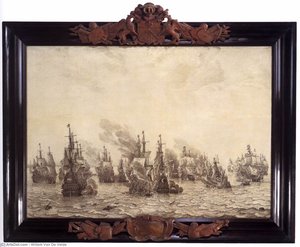
Van de Velde's artistic legacy rests primarily on two groundbreaking techniques: the meticulous pen painting (penschilderij) and his masterful use of ink. Unlike many of his contemporaries who favored oil paints, Van de Velde pioneered a method of creating remarkably detailed and durable artworks using ink on vellum or panel. This technique, demanding immense patience and precision, allowed him to achieve an astonishing level of realism – mimicking the appearance of elaborate drawings while retaining the longevity of a painting. His works often resembled intricate diagrams, filled with minute details of rigging, sails, and ship structures. He wasn’t simply depicting ships; he was rendering them with scientific accuracy and artistic flair. This innovative approach distinguished his work from that of other Dutch marine artists, establishing him as a leading figure in the field. Furthermore, Van de Velde's compositions were characterized by their dramatic lighting and dynamic arrangements, capturing the raw energy of storms and naval engagements.

notable works and collaborations

Van de Velde’s career was punctuated by several significant commissions that cemented his reputation. The “Battle of Texel” (1687), an oil painting depicting a fierce naval clash, stands as one of his most celebrated achievements – a testament to his ability to convey the chaos and drama of battle with remarkable clarity. Equally noteworthy is "The Burning of James" (drawing), a detailed record of the destruction of the Royal James during the Battle of Solebay. However, perhaps his most impactful collaboration was with Charles II of England. Recognizing Van de Velde’s exceptional talent, the King invited him to London in 1672, offering him a royal stipend and a studio at the Queen's House (now part of the National Maritime Museum). Here, he produced numerous paintings of British ships and naval battles, contributing significantly to the development of maritime art in England. His work served as a model for future generations of artists, including J.M.W. Turner.

museums and collections featuring van de velde's work

Van de Velde’s artistic legacy is preserved in several prominent museums across Europe. The Mauritshuis in the Netherlands houses an impressive collection of his works, offering a comprehensive overview of his career. The Kremer Collection in The Hague also boasts a significant selection of his drawings and paintings, showcasing his meticulous attention to detail. Beyond these institutions, Van de Velde’s art can be found in major museums worldwide, including the National Gallery in London and the Metropolitan Museum of Art in New York City. These collections provide invaluable insights into the artist's creative process and artistic evolution. The museum universiteitsbibliotheek (Leiden, Netherlands) – a comprehensive guide on AllPaintingsStore.com provides further insight into the cultural context of van de velde’s work.

legacy and impact

Willem van de Velde the Elder’s contributions to Dutch Golden Age seascape painting are undeniable. His innovative techniques, meticulous attention to detail, and influential collaborations have secured his place as a pivotal figure in art history. He wasn't merely a painter of ships; he was a recorder of events, a documentarian of naval power, and a pioneer of a new artistic approach. His legacy continues to inspire artists today, demonstrating the enduring appeal of maritime themes and the transformative power of technical innovation. His work stands as a testament to the intersection of art, history, and the boundless allure of the sea.