


 Visualizar na parede
 Compartilhar
 Compartilhar
 Detalhes
 Guia
Guia

 Baixar imagem
 Semelhantes
 Raio X
 Ver diaporama
 Perguntas e Respostas
 Estatísticas
St John the Baptist at the Well

- 73.0 x 100.0 cm


 Ler mais
Giclée / Impressão de Arte
Impressão giclée ou em tela de qualidade de museu, com produção rápida e opções flexíveis de acabamento. ( Comprar pintura feita à mão Alternar para Imagem Digital)




P118B €10

P118H €10

P118W €10

P438Z €10

P508JH €12

P508YH €12

P805H €10

P805Z €10

P919BZ €10

P919G €10

P919XJ €10

P959ZH €10

P968JZ €12

W106C €8

W218G €10

W218JH €8

W218Y €10

W307PJ €10

W316G €10

W316PJ €8

W316Y €10

W398PJ €8

W4111J €10

W500HY €15

W500JH €15

W692G €12

W849H €8

W940BG €15

W953PJ €8




Escolha entre os nossos tamanhos pré-definidos que respeitam as proporções originais da obra de arte.

Insira a largura e a altura desejadas para se ajustarem à sua moldura ou parede. Uma impressão pode ser apenas cortada, nunca ampliada além da imagem original; portanto, um tamanho com proporções diferentes resultará na perda de parte da imagem. Enviamos uma maquete digital para sua aprovação antes de realizarmos a impressão. A imagem exibida nesta página não mostra o corte real — apenas a maquete o faz.
Entrega mundial () em 2 semanas, em vez das 4/5 semanas padrão. (4 Novembro)

Envio expresso gratuito para todo o mundo

Tela de Linho de Alta Qualidade

Seguro de transporte completo

Garantia de Reembolso de Impostos Alfandegários

Garantia de Fidelidade Cromática

Política de Devolução em 100 Dias (Apenas para Defeitos)

Garantia de reembolso de 100%

Oferta de desconto por quantidade
 A opção de vidro está disponível apenas para tamanhos inferiores a 110 cm

St John the Baptist at the Well
Giclée / Impressão de Arte
Tamanho da Reprodução
-


Preço Total
€ 58
A Moment of Profound Introspection: Unveiling Caravaggio’s *St John the Baptist at the Well*
This captivating 1607 oil on canvas by Michelangelo Merisi da Caravaggio, currently housed in the Collezione Bonello in Malta, offers a deeply moving portrayal of St. John the Baptist. Far removed from triumphant or overtly religious depictions, this work presents a strikingly human and vulnerable figure lost in contemplation. The painting depicts a youthful John, identifiable by his beard, leaning over what appears to be a well – though its darkness obscures any clear reflection. He clutches a reed flute, an object hinting at both pastoral simplicity and perhaps a longing for solace or inspiration.Masterful Technique: Chiaroscuro and Baroque Drama
Caravaggio’s signature *tenebrism*—a dramatic use of light and shadow—is powerfully evident here. A single, unseen source illuminates John's face and upper body, sharply contrasting with the enveloping darkness. This technique isn’t merely aesthetic; it directs our gaze, emphasizing the emotional weight on the figure’s face and creating a palpable sense of mystery. The brushwork is loose yet precise, contributing to the raw realism characteristic of the Baroque period. The stark contrast between light and dark amplifies the psychological intensity, drawing the viewer into John's internal world.Historical Context: A Troubled Genius in Exile
Painted during a turbulent period in Caravaggio’s life – while he was on the run from Rome after committing murder – *St John the Baptist at the Well* reflects the artist’s own sense of isolation and spiritual searching. Having fled to Malta, then Sicily, Caravaggio sought papal pardon, and this painting may have been created with that hope in mind. The work stands as a testament to his ability to channel personal turmoil into profound artistic expression. It's important to note the influence he had on artists like Cecco del Caravaggio (Francesco Buoneri), who also embraced dramatic lighting and realistic depictions.Symbolism and Interpretation: Beyond the Biblical Narrative
While depicting a biblical figure, Caravaggio transcends simple illustration. The well itself can be interpreted as a symbol of both life-giving water and the depths of the subconscious. John’s gaze into its darkness suggests an inward journey, a confrontation with his own doubts or fears.- The reed flute may represent music, poetry, or a lost innocence.
- His nudity emphasizes vulnerability and humility.
- The surrounding trees hint at a wild, untamed landscape mirroring the internal wilderness of the saint.
Emotional Impact: A Study in Solitude
*St John the Baptist at the Well* is not a painting that shouts for attention; it whispers. It evokes a sense of quiet contemplation, loneliness, and profound introspection. The viewer is invited to share in John’s solitude, to ponder the mysteries of faith, doubt, and the human condition. The emotional resonance of this work lies in its honesty and vulnerability, making it a powerful and enduring masterpiece. It's a piece that would lend itself beautifully to an interior space seeking depth, drama, and a touch of melancholic beauty.Perguntas e Respostas
As cores de "St John the Baptist at the Well", de Caravaggio são saturadas ou suaves?
A paleta de "St John the Baptist at the Well" possui uma saturação Muted.
O que retrata "St John the Baptist at the Well" e qual é a sua atmosfera?
"St John the Baptist at the Well", de Caravaggio combina religious art, youthful figure, contemplation, dark shadows, baroque style, italian painting, water scene, human form com uma atmosfera Dramatic.
Onde posso comprar reproduções pintadas à mão de "St John the Baptist at the Well", de Caravaggio?
Você pode encomendar uma reprodução pintada à mão de "St John the Baptist at the Well", de Caravaggio diretamente em sua página de Reprodução Pintada à Mão: uma reprodução a óleo pintada à mão sobre tela de linho, feita sob encomenda.
Obras Relacionadas



Biografia do Artista
Uma Vida Forjada na Sombra e na Luz
Michelangelo Merisi da Caravaggio, um nome indissociável da intensidade dramática da pintura barroca, nasceu em Milão em 1571, uma época permeada por florescimento artístico e turbulência social. Sua infância foi marcada pela perda; a peste assolou sua cidade natal, ceifando as vidas de seu pai e avô quando ele tinha apenas seis anos. Criado em relativa pobreza, os primeiros anos de Michelangelo lhe conferiram uma aguda consciência do sofrimento humano e da resiliência – temas que mais tarde dominariam suas telas. Iniciou sua formação artística em Milão sob a tutela de Simone Peterzano, um antigo aluno de Ticiano, absorvendo os fundamentos da técnica renascentista, mas já prenunciando um espírito rebelde que em breve estilhaçaria as convenções estabelecidas. Este aprendizado forneceu uma base sólida, mas foi em Roma, por volta de 1592, que Caravaggio verdadeiramente encontrou sua voz, embora não sem lutas e dificuldades iniciais. A cidade, um vibrante centro de mecenato artístico e fervor religioso, provou ser ao mesmo tempo atraente e implacável para o ambicioso jovem pintor.Revolucionando a Visão: Técnica e Estilo
A chegada de Caravaggio a Roma anunciou uma mudança sísmica na paisagem da arte italiana. Ele rejeitou o estilo maneirista predominante – caracterizado por sua elegância artificial e formas alongadas – em favor de um realismo implacável que chocou e cativou o público. Sua inovação mais marcante foi seu domínio magistral do chiaroscuro, o contraste dramático entre luz e sombra, que elevou a um novo nível de poder expressivo. Esta técnica, frequentemente referida como tenebrismo, não era meramente uma escolha estética; era um meio de intensificar o impacto emocional, atraindo os espectadores para o coração da cena e imbuindo suas figuras com uma palpável sensação de presença. Ele evitou representações idealizadas, povoando suas pinturas com pessoas comuns – frequentemente retiradas das ruas de Roma – como modelos para figuras religiosas. Essa abordagem radical desafiou as noções tradicionais de beleza e santidade, tornando o sagrado relacionável e profundamente humano. Suas composições eram muitas vezes austeras e diretas, focando em momentos cruciais de intensa dramaticidade, seja o brutal realismo de “A Captura de Cristo” ou a contemplação silenciosa em "São Francisco de Assis em Êxtase".Obras-Chave e Influência Duradoura
Ao longo de sua carreira relativamente curta, Caravaggio produziu um corpo de trabalho que continua a ressoar com o público hoje. Peças iniciais como “A Cartomante” (1594) demonstram seu talento crescente para capturar detalhes realistas e nuances psicológicas. "Supper at Emmaus" (1601-1602), abrigada na National Gallery em Londres, exemplifica seu domínio do chiaroscuro e sua capacidade de transmitir profunda profundidade emocional dentro de uma narrativa bíblica. “David com a Cabeça de Golias” (c. 1610) é particularmente assombrosa, frequentemente interpretada como um autorretrato refletindo o próprio estado perturbado de Caravaggio. Sua influência se estendeu muito além da Itália, inspirando uma geração de artistas conhecidos como os Caravaggisti, ou “ombristas”, que adotaram seu estilo em toda a Europa. Seguidores notáveis incluíram Peter Paul Rubens, Jusepe de Ribera e Gerrit van Honthorst, cada um adaptando as técnicas de Caravaggio às suas próprias visões artísticas únicas.Uma Existência Tumultuosa e Legado Eterno
A vida de Caravaggio foi tão dramática e turbulenta quanto sua arte. Um temperamento volátil e uma propensão para brigas o levaram a frequentes problemas com a lei, culminando em uma acusação de assassinato em 1606 que o forçou a fugir de Roma. Passou os quatro anos seguintes vagando por Nápoles, Malta e Sicília, continuando a pintar enquanto buscava desesperadamente um perdão papal. Apesar de seus esforços, permaneceu um fora da lei, assombrado pelo passado e atormentado por conflitos pessoais. Morreu em Porto Ercole, Itália, em 1610 em circunstâncias misteriosas – a causa de sua morte permanece debatida, com teorias variando de febre a envenenamento. Embora sua vida tenha sido interrompida, o legado artístico de Caravaggio perdura como um testemunho de sua visão revolucionária e compromisso inabalável com o realismo. Ele desafiou as convenções de seu tempo, abrindo caminho para uma abordagem mais moderna da pintura e deixando uma marca indelével no curso da história da arte ocidental. Seu trabalho continua a inspirar admiração e provocar contemplação, lembrando-nos do poder da arte para iluminar os cantos mais escuros da experiência humana.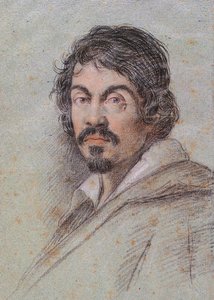
Caravaggio
1571 - 1610 , Itália
Dados Rápidos
- Artistas Que O Influenciaram:
- Titian
- Leonardo da Vinci
- Artistas/Movimentos Influenciados:
- Rubens
- Ribera
- Caravaggisti
- Data De Falecimento: 18 de julho de 1610
- Data De Nascimento: 29 de setembro de 1571
- Local De Nascimento: Milão, Itália
- Movimento Artístico: Barroco, Tenebrismo
- Nacionalidade: Italiano
- Nome Completo: Michelangelo Merisi da Caravaggio
- Obras Notáveis:
- A Fortune Teller
- Supper at Emmaus
- David com a cabeça...
Artigos Relacionados

Barroco em Cores: 10 Obras-Primas que Moldaram a Pintura e Inspiram Decoração
Descubra as 10 obras-primas da pintura barroca que revolucionaram a arte! Explore Caravaggio, Rembrandt e Rubens. Encontre reproduções de alta qualidade e inspire sua decoração em AllPaintingsStore.com.

John Constable: As 25 Obras-Primas que Definem o Mestre da Paisagem Inglesa | AllPaintingsStore
Descubra as 25 obras-primas de John Constable, o mestre da paisagem inglesa! Explore a arte romântica, cores vibrantes e histórias fascinantes por trás de 'Hay Wain' e outras pinturas icônicas. Encontre reproduções de alta qualidade para decorar sua casa com AllPaintingsStore.com.
John Singer Sargent: As 25 Obras-Primas que Definem um Ícone da Arte
Descubra as 25 obras-primas de John Singer Sargent, o mestre do retrato e do impressionismo americano. Explore a história, técnica e beleza atemporal de seus quadros mais famosos. Encontre reproduções de arte exclusivas para decorar sua casa com elegância em AllPaintingsStore.com.

Os 10 Mestres do Barroco: Obras-Primas que Moldaram a Arte e Decoram o Lar
Descubra os 10 maiores ícones do Barroco! Explore a história, técnica e emoção por trás de Caravaggio, Rembrandt, Bernini e outros mestres. Encontre reproduções de arte barroca para decorar seu lar com luxo em AllPaintingsStore.com.

The Dramatic Flourish: Exploring the Baroque Movement's Enduring Legacy in Art History
Explore the dramatic world of Baroque art! Discover iconic artists like Caravaggio & Rubens, defining techniques, and its lasting impact on art history. Expert insights for collectors & enthusiasts at AllPaintingsStore.


