


 Visualizar na parede
 Compartilhar
 Compartilhar
 Detalhes
 Guia
Guia

 Baixar imagem
 Semelhantes
 Raio X
 Ver diaporama
 Q&A
Q&A Estatísticas
O Despojamento


 Ler mais
Obtenha um arquivo pronto para impressão que vai muito além da visualização na web. Cada imagem digital que vendemos provém de um arquivo mestre de alta resolução em nosso banco de dados — geralmente entre 5.000 e 15.000 pixels de largura — para que você possa imprimir em grandes formatos, realizar cortes precisos ou reproduzir detalhes minuciosos com total confiança.
Nenhum arquivo sai do nosso estúdio sem passar por um cuidadoso processo de revisão. Um especialista digital verifica as cores em relação à pintura original e as corrige se necessário, aumentando então a clareza e o detalhe com ferramentas profissionais de retoque — sempre mantendo a fidelidade às pinceladas e ao estilo do artista. O resultado é uma imagem que se assemelha à pintura, e não a um scan com filtros.
Aprovação antes da finalização: nosso especialista enviará a imagem por e-mail em até 72 horas para sua revisão. Não ficou satisfeito? Solicite melhorias ou correções, ou peça o reembolso caso a qualidade não atenda às suas expectativas.
Esta é a qualidade em que confiam editoras, estúdios de design, galerias e gráficas.
Imagem Digital
Baixe um arquivo de alta resolução para exibição pessoal, impressão e projetos criativos. ( Alternar para Impressão Comprar pintura feita à mão)
Incluído em cada compra de imagem digital
Entrega Digital Especializada e Garantida
Ao escolher o AllPaintingsStore.com, você não está apenas adquirindo uma imagem — você está recebendo uma obra de arte digital profissionalmente aprimorada, elaborada com precisão e com garantia de satisfação. Aqui está tudo o que acompanha seu pedido, automaticamente:

Entrega rápida por e-mail
O seu arquivo de imagem digital em alta resolução será enviado por e-mail em até 72 horas após o pedido — pronto para uso imediato.

Arquivo Digital com IA Otimizado
Sua obra de arte é otimizada profissionalmente por meio de ferramentas avançadas de IA e edição manual, garantindo o máximo de detalhes, clareza e precisão de cores.

Reenvio gratuito vitalício
Apagou ou perdeu o seu ficheiro acidentalmente? Não se preocupe – nós reenviamos para si a qualquer momento, gratuitamente.

Sem Taxas de Importação - Sempre
Desfrute da sua obra de arte instantaneamente, sem taxas alfandegárias, impostos ou custos de entrega — downloads digitais são sempre isentos de taxas.

Garantia de Fidelidade de Cores
Garantimos que sua imagem digital reflita as cores originais com a maior fidelidade possível, utilizando ferramentas profissionais e gerenciamento de cores.

Garantia de satisfação de 100 dias
Se não estiver satisfeito com a sua imagem digital, nós a revisaremos ou reembolsaremos 100% dentro de 100 dias — sem perguntas.

Garantia de Reembolso 100%
Não está satisfeito? Receba o reembolso total em até 100 dias após o recebimento do seu arquivo digital — sem perguntas.

Descontos para pedidos em lote
Compre 3 imagens, economize 10% - Compre 5, economize 15% - Compre 10+, economize 20%. Ideal para projetos criativos, galerias e agências.
Introdução
El Greco (Doménikos Theotokopoulos) foi um artista grego que viveu e trabalhou na Espanha durante o final do período Renascentista. Ele é renomado por seu estilo único, que combina elementos da iconografia bizantina com as influências da arte veneziana e romana. Uma de suas obras mais famosas é O Despojamento, também conhecido como O Despojamento de Cristo, uma obra-prima do Maneirismo que demonstra a abordagem inovadora de El Greco (Doménikos Theotokopoulos) na pintura.Contexto Histórico
O Despojamento foi pintado em 1579 para o Altar-Mor da sacristia da Catedral de Toledo, onde permanece exposto até hoje. A pintura é uma representação visual da história bíblica da crucificação de Jesus, especificamente o momento em que ele é despojado de suas vestes antes de ser pregado na cruz. Este evento é descrito nos quatro Evangelhos e tem sido retratado por muitos artistas ao longo da história.Significado Artístico
A abordagem inovadora de El Greco (Doménikos Theotokopoulos) na pintura é evidente em O Despojamento, que apresenta seu uso característico de iluminação dramática, figuras alongadas e gestos exagerados. A pintura é uma representação poderosa da intensidade emocional da história da crucificação, com a vulnerabilidade e a humanidade de Jesus enfatizadas pelo tratamento rude que recebe pelas mãos dos soldados.Para saber mais
Para mais informações sobre El Greco (Doménikos Theotokopoulos) e suas obras, visite nosso website: El Greco (Doménimentikos Theotokopoulos). Você também pode aprender mais sobre a Catedral de Toledo e sua coleção de arte em: The Museum Sacristy of the Cathedral (Toledo, Espanha).- Obras Principais: O Despojamento, O Despojamento de Cristo e outras obras notáveis de El Greco (Doménikos Theotokopoulos) podem ser encontradas em nosso website.
- Estilo Artístico: Saiba mais sobre as características do Maneirismo, um estilo que surgiu na Itália no início do século XVI como uma reação contra a harmonia e o equilíbrio do Alto Renascimento.
- Coleção do Museu: A Catedral de Toledo abriga uma coleção impressionante de arte e artefatos, incluindo obras de El Greco (Doménikos Theotokopoulos).
Perguntas e Respostas
Quais cores predominam em "O Despojamento", de El Greco?
"O Despojamento", de El Greco utiliza uma paleta Tons escuros, com Mogno (#bc481f) como cor dominante.
"O Despojamento", de El Greco é uma pintura, um desenho ou uma gravura?
No catálogo, "O Despojamento", de El Greco está registrado como Arte de Parede. A categoria ajuda a encontrar obras semelhantes.
Qual é a saturação e a intensidade de "O Despojamento", de El Greco?
A cor de "O Despojamento" apresenta Presença de cor nítida de saturação e Equilibrado de intensidade.
Obras Relacionadas


Biografia do Artista
Doménikos Theotokópoulos, called El Greco
Doménikos Theotokópoulos, universally known as El Greco – “the Greek” – stands as one of the most enigmatic and influential figures in Western art history. Born around 1541 in Crete, then under Venetian rule, his artistic journey transcended geographical boundaries and stylistic conventions, establishing him as a pioneer whose vision anticipated movements like Expressionism and Cubism centuries later. More than just a painter, El Greco was a sculptor and architect who embodied the spirit of his time—a testament to faith, innovation, and an unwavering pursuit of artistic truth.Early Training and Cretan Roots
El Greco’s formative years were steeped in Byzantine tradition. Crete, at that time a bastion of Orthodox Christianity, nurtured a rich artistic heritage characterized by meticulous detail, symbolic imagery, and profound spiritual contemplation. He received his initial training within this environment, mastering the techniques of icon painting—a craft demanding unwavering precision and an understanding of theological concepts. This foundational knowledge would profoundly shape his subsequent artistic endeavors, informing his approach to composition, color palette, and expressive gesture. The influence of Byzantine art is palpable in his early works, particularly *Saint Titus*, where the drapery folds are rendered with astonishing realism and imbued with a sense of solemn dignity—a hallmark of Cretan painting during the Renaissance.Venetian Exposure: Embracing Innovation
Around 1567, El Greco embarked on a transformative voyage to Venice, Italy’s artistic epicenter at the time. This relocation marked a pivotal moment in his artistic development, exposing him to the groundbreaking innovations championed by Titian, Tintoretto, and Veronese—masters who had revolutionized painting with their mastery of color, perspective, and dramatic lighting. He eagerly absorbed their techniques, experimenting with looser brushwork and embracing the sensual qualities of oil paint—a departure from the more restrained mediums favored in Crete. The Venetian influence is vividly apparent in *Saint Sebastian*, painted shortly after his arrival, where anatomical accuracy blends seamlessly with theatrical chiaroscuro—creating a scene brimming with emotional intensity. This encounter with Venetian art propelled him toward a bolder stylistic vision, one that would ultimately define his legacy.Roman Aspirations and Mannerist Influence
El Greco’s ambition extended beyond Venice; he sought recognition in Rome, the heart of the Renaissance and papal patronage. Despite facing considerable competition within the Roman art world—a realm dominated by established artists and conservative tastes—he persevered, honing his skills and producing a series of works that showcased his talent for capturing psychological nuance and conveying profound emotion. However, El Greco struggled to gain widespread acclaim in Rome, finding it difficult to secure commissions from influential patrons. Nevertheless, he absorbed the stylistic precepts of Mannerism—a movement characterized by elongated figures, distorted perspectives, and stylized compositions—further enriching his artistic repertoire. This exposure to Mannerist aesthetics contributed to the distinctive elongation of his figures and the unsettling grandeur of his canvases—elements that would become synonymous with El Greco’s style.Toledo: Spiritual Synthesis and Artistic Zenith
In 1577, El Greco established himself in Toledo, Spain—a city steeped in religious fervor during the Counter- Reformation and renowned for its magnificent cathedral and monastic institutions. This relocation proved to be instrumental in achieving his artistic zenith, providing him with a supportive environment and fostering collaborations with prominent patrons who recognized his singular genius. It was here that he produced his most celebrated paintings—works imbued with an unparalleled blend of Byzantine tradition, Venetian innovation, and Mannerist refinement. *The Burial of the Count of Orgaz*, considered El Greco’s masterpiece, exemplifies this synthesis perfectly—a monumental composition featuring elongated figures bathed in ethereal light, conveying a sense of spiritual transcendence that captivated audiences throughout Europe. His Toledo paintings stand as enduring symbols of faith, artistic ambition, and the transformative power of creative vision—solidifying his place among the greatest artists of all time.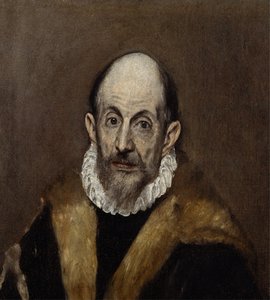
El Greco
1541 - 1614 , Grécia
Breve Biografia
- Artistic Movement Or Style: Mannerismo e Barroco
- Artists Who Influenced This Artist:
- Titian
- Tintoretto
- Date Of Birth: 1541
- Full Name: Doménikos Theotokópoulos
- Nationality: Grega
- Notable Artworks:
- Burial of the Count of Orgaz
- View of Toledo
- El Espolio
- Saint Sebastian
- Place Of Birth: Crete, Greece