


 Visualizar em escala
 Enviar
 Compartilhar
 Ver detalhes
 Guia de Obras do Aluno

 Baixar imagem
 Semelhantes
 Raio X
 Apresentação de slides
 Estatísticas
Giulio Clovio: Uma Janela para a Intimidade Renascentista
 Acrílico sobre tela
- Arte de Parede
- Northern Mannerism
 1571
1571- Renascimento
 58.0 x 86.0 cm
 Palácio de Capodimonte
 Ver mais
Reprodução em Óleo Feita à Mão
Óleo sobre tela pintado à mão no tamanho e moldura de sua escolha, feito sob encomenda pelos nossos artistas. ( Alternar para Impressão Ver Imagem Digital)




P118B €10

P118H €10

P118W €10

P438Z €10

P508JH €12

P508YH €12

P805H €10

P805Z €10

P919BZ €10

P919G €10

P919XJ €10

P959ZH €10

P968JZ €12

W106C €8

W218G €10

W218JH €8

W218Y €10

W307PJ €10

W316G €10

W316PJ €8

W316Y €10

W398PJ €8

W4111J €10

W500HY €15

W500JH €15

W692G €12

W849H €8

W940BG €15

W953PJ €8




Escolha entre os nossos tamanhos pré-definidos que respeitam as proporções originais da obra de arte.

Digite a largura e a altura de que necessita, para se ajustar à sua moldura ou à sua parede. Esta obra é pintada à mão, por isso, para um tamanho com uma proporção diferente, o artista pode pintar um pouco mais ao redor da imagem ou cortar um pouco — você escolhe. Enviamos-lhe uma maquete digital para aprovação antes de a pintura começar. A imagem exibida nesta página não mostra o resultado real — apenas a maquete mostra.
Após o pedido, a equipa AllPaintingsStore.com enviará um e-mail ao cliente para solicitar instruções e fornecer uma prévia do esboço.
Entrega mundial () em 3 a 4 semanas, em vez das 5 semanas padrão. (23 Outubro). Sem comprometer a qualidade.

Envio expresso gratuito para todo o mundo

Tela de Linho Premium

Seguro de transporte total

Garantia de Reembolso de Impostos Alfandegários

Garantia de Fidelidade de Cor

Política de Devolução em 100 Dias (Apenas para Defeitos)

Garantia de reembolso de 100%

Desconto para múltiplas unidades
 A opção de vidro está disponível apenas para tamanhos inferiores a 110 cm

Giulio Clovio: Uma Janela para a Intimidade Renascentista
Técnica de Reprodução
Dimensões da Reprodução
-


Preço Total
€ 226
Giulio Clovio: Uma Janela para a Intimidade Renascentista
Doménikos Theotokópoulos, universalmente conhecido como El Greco, permanece como uma das figuras mais singularmente cativantes da história da arte ocidental. Suas telas pulsam com uma intensidade quase insuportável – uma mistura de espiritualidade bizantina e emoção fervorosa que continua a ressoar séculos depois. Dentro de sua obra, poucos retratos capturam este espírito único como “Giulio Clovio”, pintado em 1571, um trabalho encomendado pelo influente Cardeal Alessandro Farnese durante o período de El Greco em Roma. Mais do que uma simples semelhança, esta pintura oferece um vislumbre profundo do mundo do saber renascentista, do mecenato artístico e do artesanato meticuloso que definiu a era.
O próprio retratado, Giulio Clovio (1498-1578), era um celebrado miniaturista, frequentemente apelidado de “o Michelangelo da miniatura” pelo estimado Giorgio Vasari. Sua habilidade não residia em grandes paisagens ou narrativas dramáticas, mas na criação minuciosa de manuscritos iluminados incrivelmente detalhados – obras intrincadas que exigiam um nível incomparável de precisão e visão artística. A influência de Clovio sobre El Greco é imediatamente perceptível; o artista incorpora sutilmente elementos do estilo meticuloso de Clovidade em sua representação, mais notavelmente através da inclusão de um pano de fundo de janela que remete ao próprio trabalho de Clovio. O contexto histórico da pintura é rico: encomendada durante um período de intenso fermento artístico e intelectual em Roma, ela fala sobre o sistema de mecenato que alimentou grande parte da criatividade renascentista – um mundo onde artistas eram empregados por figuras poderosas como Farnese, moldando tanto a arte quanto a cultura.
Uma Obra-Prima de Detalhe e Simbolismo
“Giulio Clovio” não é meramente um retrato; é um tableau cuidadosamente construído, repleto de detalhes simbólicos. O próprio sujeito, representado em uma pose digna, segura sua obra-prima – as “Horas Farnese”, um monumental manuscrito iluminado que demonstrava a habilidade inigualável de Clovio. Esta inclusão não é acidental; ela ressalta a importância de Clovio e eleva o retrato a uma celebração da conquista artística. Além da figura central, detalhes sutis, porém significativos, povoam a cena. Note os dois pássaros pousados perto do canto superior esquerdo e no lado direito da moldura – estes não são meros elementos decorativos, mas provavelmente representam conceitos de sabedoria e vigilância, frequentemente empregados no simbolismo renascentista. O céu tempestuoso vislumbrado através da janela adiciona uma camada de profundidade e talvez até pressagia a própria vida de Clovio, marcada tanto pelo triunfo quanto pela adversidade.
O estilo distintivo de El Greco é poderosamente evidente. Suas formas alongadas, características de seu trabalho tardio, conferem um senso de dinamismo ao retrato, enquanto o uso de cores vibrantes – particularmente nos tecidos ricos da túnica de Clovio – cria um impacto visual imediato. O plano de fundo, com sua paisagem detalhada e céu dramático, serve como contraponto à quietude do sujeito, atraindo o olhar do espectador e enfatizando o contraste entre o homem e seu mundo. A pintura exemplifica a capacidade de El Greco de imbuir até mesmo um retrato aparentemente simples com uma profunda ressonância emocional – um testemunho de sua visão artística única.
Legado e Reprodução
“Giulio Clovio” posiciona-se como uma obra fundamental na carreira de El Greco, estabelecendo uma ponte entre suas primeiras influências bizantinas e seu estilo cada vez mais expressivo. É uma pintura que diz muito sobre a fascinação renascentista tanto pelo erudição quanto pela arte, demonstrando como esses dois reinos podiam estar entrelaçados sob o mecenato de figuras poderosas como Alessandro Farnese. A jornada da pintura através da história – desde sua encomenda inicial até sua atual residência no Museo Nazionale di Capodimonte – adiciona outra camada de intriga à sua história.
A AllPaintingsStore tem o orgulho de oferecer reproduções meticulosamente pintadas à mão de “Giulio Clovio”, capturando a essência do gênio de El Greco com precisão e detalhe incomparáveis. Cada reprodução é criada por artistas habilidosos utilizando técnicas tradicionais, garantindo que você receba uma representação fiel desta obra-prima icônica. Quer você seja um entusiasta da arte, um colecionador ou simplesmente alguém que busca adicionar um toque de elegância renascentista ao seu lar, nossas reproduções de “Giulio Clovio” proporcionam uma maneira bela e autêntica de vivenciar o legado duradouro de El Greco. Explore obras adicionais de El Greco na AllPaintingsStore.com – incluindo "El Greco (Doménikos Theotokopoulos): Giulio Clovio" – para uma apreciação mais profunda de sua extraordinária jornada artística.
Perguntas e Respostas
Posso usar realidade aumentada para ver "Giulio Clovio: Uma Janela para a Intimidade Renascentista" de El Greco no meu ambiente?
A página de Visualização em RA de "Giulio Clovio: Uma Janela para a Intimidade Renascentista" de El Greco utiliza realidade aumentada para mostrar a obra em seu próprio espaço, em um dispositivo compatível.
Em que ambiente sugere-se exibir "Giulio Clovio: Uma Janela para a Intimidade Renascentista", considerando a sua paleta de cores?
Considerando as suas cores Tons terrosos, "Giulio Clovio: Uma Janela para a Intimidade Renascentista" é sugerida para um(a) Sala de Estar.
"Giulio Clovio: Uma Janela para a Intimidade Renascentista" está livre de direitos autorais?
A informação de direitos autorais para "Giulio Clovio: Uma Janela para a Intimidade Renascentista" de El Greco: a obra está em em domínio público - seus direitos autorais expiraram. Isso determina se reproduções da imagem podem ser feitas livremente.
Obras Relacionadas


Biografia do Artista
Doménikos Theotokópoulos, called El Greco
Doménikos Theotokópoulos, universally known as El Greco – “the Greek” – stands as one of the most enigmatic and influential figures in Western art history. Born around 1541 in Crete, then under Venetian rule, his artistic journey transcended geographical boundaries and stylistic conventions, establishing him as a pioneer whose vision anticipated movements like Expressionism and Cubism centuries later. More than just a painter, El Greco was a sculptor and architect who embodied the spirit of his time—a testament to faith, innovation, and an unwavering pursuit of artistic truth.Early Training and Cretan Roots
El Greco’s formative years were steeped in Byzantine tradition. Crete, at that time a bastion of Orthodox Christianity, nurtured a rich artistic heritage characterized by meticulous detail, symbolic imagery, and profound spiritual contemplation. He received his initial training within this environment, mastering the techniques of icon painting—a craft demanding unwavering precision and an understanding of theological concepts. This foundational knowledge would profoundly shape his subsequent artistic endeavors, informing his approach to composition, color palette, and expressive gesture. The influence of Byzantine art is palpable in his early works, particularly *Saint Titus*, where the drapery folds are rendered with astonishing realism and imbued with a sense of solemn dignity—a hallmark of Cretan painting during the Renaissance.Venetian Exposure: Embracing Innovation
Around 1567, El Greco embarked on a transformative voyage to Venice, Italy’s artistic epicenter at the time. This relocation marked a pivotal moment in his artistic development, exposing him to the groundbreaking innovations championed by Titian, Tintoretto, and Veronese—masters who had revolutionized painting with their mastery of color, perspective, and dramatic lighting. He eagerly absorbed their techniques, experimenting with looser brushwork and embracing the sensual qualities of oil paint—a departure from the more restrained mediums favored in Crete. The Venetian influence is vividly apparent in *Saint Sebastian*, painted shortly after his arrival, where anatomical accuracy blends seamlessly with theatrical chiaroscuro—creating a scene brimming with emotional intensity. This encounter with Venetian art propelled him toward a bolder stylistic vision, one that would ultimately define his legacy.Roman Aspirations and Mannerist Influence
El Greco’s ambition extended beyond Venice; he sought recognition in Rome, the heart of the Renaissance and papal patronage. Despite facing considerable competition within the Roman art world—a realm dominated by established artists and conservative tastes—he persevered, honing his skills and producing a series of works that showcased his talent for capturing psychological nuance and conveying profound emotion. However, El Greco struggled to gain widespread acclaim in Rome, finding it difficult to secure commissions from influential patrons. Nevertheless, he absorbed the stylistic precepts of Mannerism—a movement characterized by elongated figures, distorted perspectives, and stylized compositions—further enriching his artistic repertoire. This exposure to Mannerist aesthetics contributed to the distinctive elongation of his figures and the unsettling grandeur of his canvases—elements that would become synonymous with El Greco’s style.Toledo: Spiritual Synthesis and Artistic Zenith
In 1577, El Greco established himself in Toledo, Spain—a city steeped in religious fervor during the Counter- Reformation and renowned for its magnificent cathedral and monastic institutions. This relocation proved to be instrumental in achieving his artistic zenith, providing him with a supportive environment and fostering collaborations with prominent patrons who recognized his singular genius. It was here that he produced his most celebrated paintings—works imbued with an unparalleled blend of Byzantine tradition, Venetian innovation, and Mannerist refinement. *The Burial of the Count of Orgaz*, considered El Greco’s masterpiece, exemplifies this synthesis perfectly—a monumental composition featuring elongated figures bathed in ethereal light, conveying a sense of spiritual transcendence that captivated audiences throughout Europe. His Toledo paintings stand as enduring symbols of faith, artistic ambition, and the transformative power of creative vision—solidifying his place among the greatest artists of all time.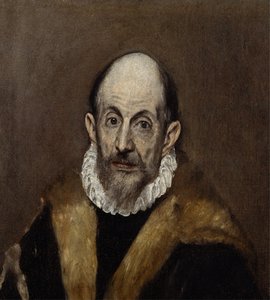
El Greco
1541 - 1614 , Grécia
Informações Rápidas
- Artistic Movement Or Style: Mannerismo e Barroco
- Artists Who Influenced This Artist:
- Titian
- Tintoretto
- Date Of Birth: 1541
- Full Name: Doménikos Theotokópoulos
- Nationality: Grega
- Notable Artworks:
- Burial of the Count of Orgaz
- View of Toledo
- El Espolio
- Saint Sebastian
- Place Of Birth: Crete, Greece
Artigos Relacionados

El Greco: Spirituality, Style & Innovation – A Renaissance Master's Legacy
Explore the captivating world of El Greco! Discover his unique style, spiritual intensity, and lasting impact on art history. Learn about this Renaissance master's life, iconic paintings & legacy.

Mannerism Explained: The Dramatic Evolution of Renaissance Art and the Rise of El Greco
Explore the dramatic evolution of Mannerism from High Renaissance perfection to El Greco's spiritual intensity. Discover the history, techniques, and enduring legacy of this transformative era through an expert art-history lens.

Giulio Romano: A Master of Mannerism & the Palazzo Te Legacy
Explore the revolutionary art of Giulio Romano, master of Mannerism & architect of Palazzo Te. Discover his influence, investment potential, and stunning frescoes – a guide for discerning collectors.
Os 25 Tesouros do Prado: Arte Espanhola para Inspirar a Sua Casa
Descubra os 25 tesouros do Museo del Prado! Explore a história de Velázquez, Goya e El Greco. Encontre reproduções de arte em alta qualidade para decorar sua casa com elegância. Inspire-se nas cores vibrantes e nos quadros clássicos espanhóis. Explore a coleção completa na AllPaintingsStore.com!
El Greco: As 25 Obras-Primas que Definem um Gênio da Pintura | AllPaintingsStore
Descubra as 25 obras-primas de El Greco, o mestre renascentista espanhol! Explore a história, técnica e emoção por trás de quadros icônicos como 'O Enterro do Conde Orgaz'. Encontre reproduções de arte exclusivas e inspire sua decoração em AllPaintingsStore.com.


