


 Visualizar em escala
 Enviar
 Compartilhar
 Ver detalhes

 Baixar
 Semelhantes
 Raio X
 Apresentação de slides
A estação ferroviária, Redfern
 Óleo sobre tela
- Arte de Parede
- Heidelberg School
 1893
1893- Século XIX
 40.0 x 61.0 cm
 Galeria de Arte da Nova Gales do Sul
 Ver mais
Reprodução em Óleo Feita à Mão
Óleo sobre tela pintado à mão no seu tamanho e moldura, feito sob encomenda pelos nossos artistas. ( Ver impressão do pedido Baixar imagem em alta resolução)




P118B $10

P118H $10

P118W $10

P438Z $10

P508JH $12

P508YH $12

P805H $10

P805Z $10

P919BZ $10

P919G $10

P919XJ $10

P959ZH $10

P968JZ $12

W106C $8

W218G $10

W218JH $8

W218Y $10

W307PJ $10

W316G $10

W316PJ $8

W316Y $10

W398PJ $8

W4111J $10

W500HY $15

W500JH $15

W692G $12

W849H $8

W940BG $15

W953PJ $8




Escolha entre os nossos tamanhos pré-definidos que respeitam as proporções originais da obra de arte.

Pode inserir as suas próprias dimensões para se adequar a uma moldura ou espaço específico. Se o tamanho selecionado não corresponder às proporções da imagem original, iremos cortar a obra de arte ou estender a pintura com elementos adicionais pintados à mão. Um esboço digital será enviado para sua aprovação antes do início da produção.
Tenha em atenção que a pré-visualização no ecrã não reflete o corte ou extensão real. Apenas o esboço mostrará com precisão a composição final.
Embora tamanhos personalizados estejam disponíveis, recomendamos selecionar uma dimensão da lista predefinida para preservar as proporções originais.
Após o pedido, a equipa AllPaintingsStore.com enviará um e-mail ao cliente para solicitar instruções e fornecer uma prévia do esboço.
Entrega mundial () em 3 a 4 semanas, em vez das 5 semanas padrão. (8 Agosto). Sem comprometer a qualidade.

Envio Expresso Gratuito para todo o Mundo

Tela de Linho Premium

Seguro de transporte total

Garantia de Reembolso de Impostos Alfandegários

Garantia de Fidelidade de Cor

Política de Devolução de 60 Dias (Apenas para Defeitos)

Garantia de reembolso de 100%

Desconto para múltiplas unidades
 A opção de vidro está disponível apenas para tamanhos inferiores a 110 cm

A estação ferroviária, Redfern
Técnica de Reprodução
Dimensões da Reprodução
-


Preço Total
$ 258
Descrição da Obra
A Cena Urbana em Chuvoso: A Estação de Redfern de Arthur Streeton
A obra “The Railway Station, Redfern”, pintada em 1893 pelo renomado artista australiano Arthur Streeton, é mais do que uma simples representação de uma estação ferroviária; é um retrato da vida urbana em Melbourne, imerso na atmosfera melancólica e vibrante da chuva. A pintura captura um momento fugaz, a interação entre os passageiros e o movimento incessante da cidade, tudo banhado pela luz suave e difusa que caracteriza o estilo impressionista de Streeton.
A Estação de Redfern, localizada na Devonshire Street, era um ponto crucial no sistema ferroviário de Sydney. A escolha deste local por Streeton não foi aleatória; ele demonstra uma profunda apreciação pela vida cotidiana e pelos espaços públicos que moldavam a identidade da cidade. A cena é dominada pela chuva, que não apenas cria uma atmosfera de mistério e introspecção, mas também serve como um elemento fundamental na composição, suavizando as linhas e cores, e conferindo à imagem uma qualidade quase etérea.
O Impressionismo Australiano e a Busca pela Luz Única
Arthur Streeton é considerado um dos pilares do movimento conhecido como “Heidelberg School” ou “Australian Impressionism”. Diferentemente de seus contemporâneos europeus, que buscavam replicar a luz e o clima da Europa, Streeton se dedicou a capturar a singularidade da luz australiana – intensa, dourada e frequentemente filtrada pela névoa. Essa busca incessante por uma "luz australiana" é evidente em “The Railway Station, Redfern”, onde a chuva não obscurece, mas sim intensifica as tonalidades quentes e os reflexos suaves que caracterizam a paisagem.
A técnica de Streeton é marcada pela pincelada solta e vibrante, típica do impressionismo. As cores são aplicadas em rápidas camadas, criando uma sensação de movimento e luminosidade. Observe como o artista utiliza a luz refletida na água da rua e nos telhados das edifícios para criar um jogo de sombras e destaques que confere profundidade e realismo à cena. A composição é cuidadosamente organizada, com os pedestres dispostos em diagonal, guiando o olhar do espectador através da imagem.
Simbolismos e a Vida Cotidiana
A pintura não se limita a uma mera representação visual; ela carrega consigo uma série de simbolismos. Os pedestres, imersos em suas atividades cotidianas, representam a diversidade da população urbana de Melbourne na época. O homem cruzando a rua, com seu guarda-chuva aberto, personifica a resiliência e a adaptabilidade dos habitantes da cidade diante das condições climáticas adversas. As carruagens, os carros e até mesmo o cavalo, evocam a transição entre a era da cavalaria e a crescente influência da tecnologia na vida urbana.
A Estação de Redfern em si pode ser interpretada como um símbolo de conexão e movimento – um ponto de encontro entre diferentes pessoas e lugares. A chuva, por sua vez, pode representar tanto a melancolia quanto a purificação, sugerindo uma reflexão sobre a efemeridade da vida e a necessidade de apreciar os momentos presentes. A obra, portanto, convida o espectador a contemplar não apenas a cena em si, mas também as complexidades da experiência humana.
Uma Reprodução Excepcional para Seu Espaço
AllPaintingsStore.com oferece reproduções meticulosamente pintadas de “The Railway Station, Redfern” por Arthur Streeton, utilizando técnicas tradicionais e materiais de alta qualidade. Nossas reproductions capturam a essência da obra original, transmitindo a atmosfera única e a beleza inigualável da paisagem urbana australiana. Seja para decorar sua sala de estar, escritório ou galeria particular, esta reprodução é uma escolha elegante e significativa que certamente despertará admiração e conversa.
Ao adquirir uma reprodução de “The Railway Station, Redfern”, você não está apenas comprando uma obra de arte; você está adquirindo um pedaço da história da arte australiana e um testemunho da visão singular de Arthur Streeton. Explore nossa coleção completa e encontre a reprodução perfeita para complementar seu espaço e expressar seu gosto refinado.
Obras Relacionadas


Biografia do Artista
A Pioneer of the Australian Light: The Life and Art of Arthur Streeton
Arthur Ernest Streeton, affectionately known as “Smike” to his contemporaries, stands as a monumental figure in Australian art history. Born on April 8, 1867, at Mount Duneed, Victoria, his life was inextricably linked to the evolving identity of a nation finding its voice through landscape painting. From humble beginnings – his parents were English migrants who met during their voyage to Australia – Streeton’s artistic journey began with studies at the National Gallery School in Melbourne from 1882 to 1887, laying the groundwork for a career that would define Australian Impressionism and the Heidelberg School. These early years weren't merely about technical skill; they were about discovering a way to capture the unique quality of light and atmosphere that characterized the Australian bush – a light unlike anything seen in Europe, and a challenge that captivated Streeton throughout his life. He supplemented his formal training with apprenticeships as a lithographer, experiences which undoubtedly informed his understanding of composition and tonal values.The Heidelberg School and the Eaglemont Camp
Streeton’s artistic maturation coincided with the burgeoning of the Heidelberg School, a group of artists determined to forge an authentically Australian style. His friendships with Tom Roberts and Frederick McCubbin were pivotal; together they embarked on *plein air* painting excursions, seeking to represent the landscape directly from nature. This commitment to working outdoors, inspired by French Impressionism but adapted to the distinctly Australian context, became a hallmark of their work. The establishment of the Eaglemont Camp in 1888 marked a turning point. Sharing a farmhouse on the outskirts of Melbourne with fellow artists, Streeton entered a period of intense creativity. It was here that he produced some of his most iconic works, including *Golden Summer, Eaglemont* (1889) and *Still glides the stream, and shall for ever glide* (1890). These paintings weren’t simply depictions of scenery; they were evocations of a feeling – the heat haze shimmering over golden fields, the stillness of a summer afternoon. The camp fostered an environment of shared experimentation and mutual encouragement, solidifying the Heidelberg School's reputation as a force to be reckoned with in the Australian art world. The group’s bold approach culminated in the controversial “9 by 5 Impression Exhibition” in 1889, showcasing small, rapidly executed paintings that challenged conventional artistic norms.Seeking Recognition and Returning Home
Driven by ambition and a desire for wider recognition, Streeton sailed for London on the *Polynesien* in 1897. While he achieved some success exhibiting at the Royal Academy, including representation in 1900, he found it difficult to replicate the acclaim he had enjoyed in Australia. The European art scene was crowded and competitive, and his distinctly Australian vision didn’t always resonate with established tastes. He continued to paint, exploring different subjects – Venetian scenes like *Palazzo Labia, Venice* (1908) demonstrate a shift in focus but retain his characteristic sensitivity to light and color. The outbreak of World War I saw Streeton attempting to contribute through service as an orderly with the Royal Army Medical Corps, later becoming an official war artist in 1918. His wartime paintings, while documenting the devastation of the Western Front, often focused on the landscape itself, reflecting his enduring fascination with the natural world. He returned to Australia in 1923 a celebrated figure, knighted in 1937 for his contributions to art.Legacy and Lasting Influence
Arthur Streeton’s legacy extends far beyond his individual paintings. He played a crucial role in establishing a uniquely Australian artistic identity, one that celebrated the beauty and vastness of the continent. His work helped to define how Australians saw themselves and their land. His influence can be seen in generations of landscape painters who followed, inspired by his ability to capture the essence of the Australian light and atmosphere. He was a prolific writer and art critic, further shaping the discourse around Australian art. Though he experienced periods of frustration and self-doubt, Streeton remained committed to his artistic vision until his death on September 1, 1943, at Olinda, Victoria. His paintings continue to captivate audiences today, offering a timeless glimpse into the heart and soul of Australia.Key Works & Themes
- Golden Summer, Eaglemont (1889): Perhaps his most famous work, embodying the heat and light of an Australian summer.
- Still glides the stream, and shall for ever glide (1890): A lyrical depiction of the Yarra River, showcasing his mastery of atmospheric perspective.
- Fire’s on (1891): A powerful representation of the Australian bushfire landscape, capturing both its beauty and danger.
- Palazzo Labia, Venice (1908): Demonstrates his ability to adapt his Impressionistic style to European subjects.
- Egyptian Drink Vendor (1897): A vibrant scene reflecting his travels and exploration of different cultures.

Arthur Streeton
1867 - 1943 , Austrália
Informações Rápidas
- Artistic Movement Or Style: Impressionismo, Heidelberg School
- Artists Or Movements Influenced By This Artist: ['Heidelberg School']
- Artists Who Influenced This Artist:
- Buvelot
- Turner
- Date Of Birth: 8 de abril de 1867
- Date Of Death: 1 de setembro de 1943
- Full Name: Arthur Ernest Streeton
- Nationality: Australiano
- Notable Artworks:
- Golden Summer
- Rio Yarra
- Palácio Labia
- Place Of Birth: Mount Duneed, Austrália
Artigos Relacionados

Os 10 Ícones do Impressionismo para Inspirar sua Decoração | AllPaintingsStore
Descubra os 10 quadros impressionistas mais icônicos de Monet, Renoir e Degas! Explore a história, cores vibrantes e técnicas revolucionárias do Impressionismo. Encontre reproduções de arte exclusivas para inspirar sua decoração em AllPaintingsStore.com.

Fleeting Moments & Radiant Light: Exploring the Enduring Legacy of Impressionism
Explore the captivating world of Impressionism! Discover its history, key artists like Monet & Renoir, defining techniques, and lasting impact on modern art. Expert insights for collectors.

Arthur Stockdale Cope: A Study in American Impressionism & Rural Life's Poetics
Explore the life & work of Arthur Stockdale Cope, a prominent British portraitist influenced by American Impressionism. Discover his captivating rural landscapes and royal commissions at AllPaintingsStore.
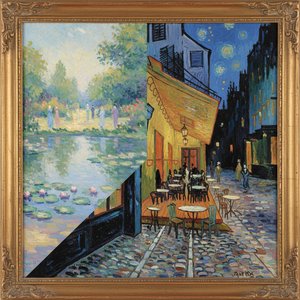
Além da Luz e Cor: Impressionismo vs. Pós-Impressionismo para o Colecionador Exigente
Descubra as nuances entre Impressionismo e Pós-Impressionismo! Guia completo para colecionadores exigentes, com artistas, história e dicas de investimento. Explore o legado da arte moderna.
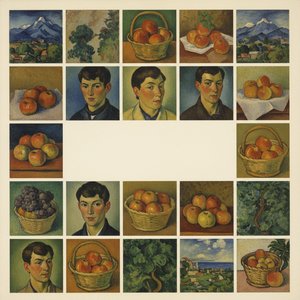
Paul Cézanne: As 25 Obras-Primas que Definiram um Gênio da Arte Moderna | AllPaintingsStore
Descubra as 25 obras-primas de Paul Cézanne, o mestre do pós-impressionismo! Explore a história, técnica e cores vibrantes por trás de quadros icônicos como 'Les Baigneurs' e 'Mont Sainte-Victoire'. Encontre reproduções de arte exclusivas para decorar sua casa com elegância em AllPaintingsStore.com.




