


Who is Peter Paul Rubens?
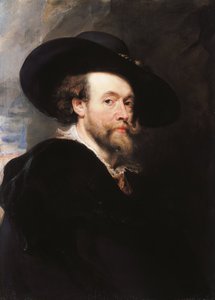 Peter Paul Rubens
Sir Peter Paul Rubens: A Baroque master! Known for dynamic compositions, vibrant colors & iconic works like 'The Massacre of the Innocents.' Explore his life & art.
Peter Paul Rubens (28 June 1577 – 30 May 1640) was a Flemish artist and diplomat born in Siegen, Nassau. He was a prominent figure of the Flemish Baroque tradition, known for producing altarpieces, portraits, landscapes, and history paintings of mythological and allegorical subjects for various European patrons.
Born to Jan Rubens and Maria Pypelincks, Rubens received a humanist education in Cologne and studied at the Latin school of Rombout Verdonck in Antwerp. His early career included serving as a page to Countess Marguerite de Ligne-Arenberg and training under his kinsman Tobias Verhaecht. In 1603, he undertook his first major diplomatic mission to the Spanish court.
Rubens was married to Isabella Brant in 1609 and later married a 16-year-old woman in 1630. He resided in a renovated Flemish townhouse in Antwerp, known as the Rubenshuis, and designed an Italian-style villa on the Vaartstraat. He also served as a diplomatic agent and adviser to Archduchess Isabella, the regent of Flanders.
What are the key characteristics of his Baroque style?
Rubens's Baroque style is defined by highly charged compositions that reference classical and Christian history. His work emphasizes movement, color, and sensuality, following the dramatic artistic style promoted during the Counter-Reformation. His paintings often feature robust, vital human forms and dynamic, energetic arrangements.
The technical elements of his style include:
- Emphasis on movement and dynamic compositions.
- Use of vibrant, saturated color palettes.
- Focus on sensuality and the portrayal of the human form.
- Integration of classical mythology and Christian narratives.
His approach to composition often involved large-scale, complex arrangements designed for significant religious or royal commissions. This style was characterized by an ability to synthesize the influences of Italian Renaissance masters with a distinct Flemish sensibility.
Which major artworks is he most famous for?
 Adoration of the Shepherds
Adoration of the Shepherds, Peter Paul Rubens
Rubens is recognized for a vast body of work including religious altarpieces, mythological scenes, and portraits. His most notable works include the 1616 painting Adoration of the Shepherds and the 1612 oil on oak work Head of an Old Woman (47.2 x 39.1 cm).
His catalog includes various significant pieces such as:
- The Drunken Hercules (1611)
- Christ Appearing to Mary Magdalen as a Gardener (Noli me Tangere) (workshop of Rubens, c. 1615–1618)
The artist's output was extensive, ranging from large-scale history paintings to smaller "cabinet" paintings. His works were commissioned by major entities, including the courts of England, France, Spain, and Bavaria.
How did his workshop function?
 Jan Brueghel the Elder
Explore the vibrant world of Jan Brueghel the Elder (1568-1625), Flemish Baroque master! Discover his exquisite landscapes, detailed still lifes & legacy as son of Pieter Bruegel.
Rubens operated a highly organized and efficient workshop in Antwerp to meet the high demand for his large-scale commissions. He utilized a system of students, collaborators, and specialists to execute complex works, while he personally guaranteed quality and often provided the final finishing touches.
The workshop structure involved several types of collaboration:
- Direct Collaborators: Jan Brueghel the Elder (until 1621), Jan Brueghel the Younger (until 1640), Frans Snijders, and Paul de Vos.
- Specialists: He subcontracted animals, landscapes, or still-lifes to specialists like Frans Snyders and Jacob Jordaens.
- Pupils and Assistants: Notable assistants included Anthony van Dyck, Jacob Jordaens, David Teniers the Elder, and Lucas Faydherbe.
The workshop was a major center of artistic production, capable of handling massive orders for international patrons. Rubens maintained a separate private studio for his personal drawings, portraits, and small-scale paintings that did not require the assistance of his pupils.
Frequently asked questions
Where was Peter Paul Rubens born?
Peter Paul Rubens was born in Siegen, Germany.
Who were the notable pupils of Peter Paul Rubens?
His workshop included notable pupils such as Anthony van Dyck.
Who did Peter Paul Rubens marry?
He married Isabella Brant in 1609.
Where was the workshop of Peter Paul Rubens located?
The Rubenshuis in Antwerp is the former home and workshop of the artist.
Learn more
- 1577 – 1640Peter Paul Rubens Artist CollectionBrowse our full catalog of Rubens reproductions in various standard and custom sizes for your project.
Sources
- Encyclopedia entry and biography of the Flemish artist (en.wikipedia.org)
- Information regarding the artist's former home and workshop (en.wikipedia.org)
- Catalogue entry for a specific oil painting (gallery.ca)
- Detailed biography of the Flemish painter (wga.hu)
- Historical study of Rubens' studio and collaborators (ccbmn.culture.gouv.fr)


