Garantia de Reembolso · 30 dias Entrega gratuita para todo o mundo
446.261obras de arte 30.640artistas 4.753museus 32idiomas
País
Moeda
Idioma
Ateliê · Desde 2015 · Paris, França
AllPaintingsStore
allpaintingsstore.com
Minha conta Lista de desejos Carrinho

Giovanni Paolo Pannini

1691 - 1765

Resumo Biográfico

  • Emotional tone: nostálgico
  • Died: 1765
  • Color intensity: equilibrado
  • Also known as: Gian Paolo Panini
  • Vibe:
    • elegante
    • dramático
  • Mediums:
    • óleo sobre tela
    • acrílico sobre tela
  • Top 3 works:
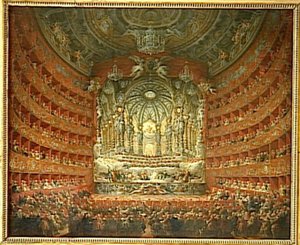
    • FETE MUSICALE DONNEE PAR LE CARDINAL DE LA ROCHEFOUCAULD AU THEATRE ARGENTINA DE ROME LE 15 JUILLET 1747 A L'OCCASION DU MARIAGE DU DAUPHIN DE FRANCE, LOUIS, FILS DE LOUIS XV AVEC MARIE JOSEPHE DE SAXE
    • Gallery of Views of Modern Rome
    • Ruins with St Paul Preaching
  • Room fit: sala de estar
  • Lifespan: 74 years
  • Copyright status: Public domain
  • Works on APS: 93
  • Ver mais…

Teste de Arte

Cada pergunta possui apenas uma resposta correta.

Pergunta 1:
Em que cidade Giovanni Paolo Panini nasceu?
Pergunta 2:
Panini é mais conhecido por pintar qual tipo de assunto?
Pergunta 3:
Quem foi um aluno notável de Giovanni Paolo Panini?
Pergunta 4:
O que é a projeção Panini conhecida por?
Pergunta 5:
Qual movimento artístico Giovanni Paolo Panini está principalmente associado?

Giovanni Paolo Pannini: Master of Roman Vedute & Architectural Fantasies

Giovanni Paolo Panini, a name synonymous with the grandeur and romantic allure of 18th-century Rome, was more than just a painter; he was a visual architect of memory. Born in Piacenza in 1691, his artistic journey began under the tutelage of Giuseppe Natali and Andrea Galluzzi, but it was his exposure to the theatrical designs of Francesco Galli-Bibiena that truly ignited his imagination. This early immersion in stagecraft would profoundly influence his later work, imbuing it with a sense of dramatic composition and illusionistic space. In 1711, Panini relocated to Rome, a city already steeped in artistic history, where he honed his skills under the guidance of Benedetto Luti, mastering the art of drawing and laying the foundation for his future mastery of perspective.

Early Training & Influences: Seeds of Vision

Panini’s formative years were marked by rigorous training in Piacenza with Giuseppe Natali and Andrea Galluzzi, artists known for their meticulous realism. However, it was Francesco Galli-Bibiena's theatrical productions—particularly his designs for elaborate stage sets—that proved to be a pivotal influence on Panini’s artistic sensibilities. Galli-Bibiena’s mastery of perspective and dramatic staging instilled in Panini a deep appreciation for illusionistic space and compositional balance – elements that would become hallmarks of his later veduta paintings. This early exposure to the visual arts fostered an imaginative spirit, preparing him for the challenges and opportunities presented by Rome's artistic milieu.

From Frescoes to Vedute: The Evolution of an Artistic Style

Panini’s initial success didn’t lie in easel painting but rather in decorative commissions—primarily frescoes adorning palaces frequented by Roman nobility. His monumental works at Villa Patrizi (1719-1725), Palazzo de Carolis (1720) and Seminario Romano (1721-1722) showcased his technical prowess and established him as a rising star within Rome’s artistic circles. These projects demanded precision, patience, and an understanding of architectural principles—skills Panini cultivated diligently. Yet it was his embrace of the *veduta*, or view painting, that would ultimately define his legacy. Unlike earlier topographical artists who prioritized accurate documentation, Panini rejected mere representation; he sought to capture the spirit of Rome’s layered history through imaginative reconstruction. He didn't merely record what he saw; he re-imagined it, blending existing structures with fragments of ancient ruins and fanciful architectural elements—a technique known as *capriccio*. This approach allowed him to create scenes that were both recognizable and dreamlike, transporting viewers back in time while simultaneously elevating them to a realm of artistic fantasy.

The Pantheon & Beyond: Panini's Signature Style

Panini’s most celebrated veduta is undoubtedly his depiction of the interior of Saint Peter’s Basilica (completed in collaboration with Francesco Algarotti), commissioned for the Congregazione dei Virtuosi al Pantheon. This monumental fresco exemplifies Panini’s masterful use of perspective and dramatic lighting—elements that convey a profound sense of grandeur and spiritual awe. However, Panini's artistic explorations extended beyond religious commissions; he produced numerous landscapes featuring ruins and architectural fantasies—a genre that cemented his reputation as one of Rome’s foremost vedutisti. His depictions of the Roman Forum, Castel Sant'Angelo, and other iconic sites are imbued with a palpable atmosphere of antiquity, reflecting Panini’s fascination with classical ideals and his desire to evoke emotion in the viewer.

Legacy & Influence: Shaping the Artistic Landscape

Giovanni Paolo Panini’s influence resonated throughout Rome’s artistic landscape during his lifetime and continues to inspire artists today. He was recognized as a prince among painters—a respected teacher at both the Accademia di San Luca and Académie de France, where he mentored Jean-Honoré Fragonard and instilled in him a similar appreciation for illusionistic space and imaginative composition. Panini’s groundbreaking perspective technique—the “Panini Projection”—became instrumental in rendering panoramic views with unparalleled accuracy, influencing subsequent generations of landscape painters. His works are now housed in prestigious museums across Europe, including the Prado Museum, the Louvre, and Museo Nazionale di Capodimonte, ensuring that his vision of Rome—a vision infused with beauty, grandeur, and a touch of romantic fantasy—will endure for centuries to come.