

1885. Ulei pe pânză.

§ 1Catalogue data


§ 2Abstract
Descriere obiect de colecție
{'meta_description': 'Admirați măiestria lui Monet în „Poppy Field în Hollow Near Giverny”, o operă impresionistă emblematică ce surprinde frumusețea efemeră a naturii și puterea luminii.'}
 Vezi mai mult
Biografie artist
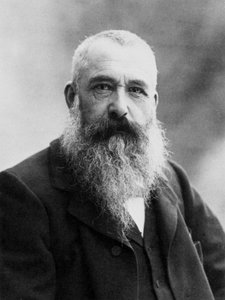
Explorează lumea lui Claude Monet, maestru impresionist renumit pentru surprinderea luminii și culorii efemere prin peisaje iconice, precum Nufării și Stogurile de fân.
§ 3Commentary
Claude Monet: A Pioneer of Impressionism
Claude Monet (1840–1926) stands as an undisputed titan amongst French painters, not merely for his prolific output but for fundamentally reshaping the very notion of artistic expression. He wasn’t simply depicting landscapes; he was attempting to capture the elusive essence of light and atmosphere—a daring ambition that cemented Impressionism's place in art history.
Born in Paris amidst a burgeoning intellectual climate, Monet’s early life instilled within him an unwavering fascination with the natural world. Encouraged by his mother, Louise Justine Aubrée Monet, who nurtured his artistic inclinations, he defied familial expectations for a conventional business career and pursued his passion for painting with resolute determination.
A formative encounter with Eugène Boudin proved instrumental in shaping Monet’s artistic trajectory. Boudin championed the revolutionary *plein air* technique—painting outdoors directly from observation—a practice that would become synonymous with Impressionism and profoundly influence Monet's subsequent work. This decision to abandon studio conventions wasn’t merely stylistic; it represented a philosophical commitment to experiencing and portraying nature as perceived by the artist’s senses.
Monet’s formative years in Le Havre exposed him to the rugged beauty of Normandy, fostering his artistic sensibilities and solidifying his belief that art should reflect its surroundings. His father, Claude Adolphe Monet, initially opposed Monet's artistic aspirations but ultimately recognized his talent and supported his endeavors.
His academic training at the Académie Suisse provided a crucial foundation for honing his skills under Charles Gleyre, where he befriended Auguste Renoir—a fellow artist who would become a lifelong collaborator. This connection fostered a shared understanding of Impressionist ideals and propelled Monet’s artistic development forward.
The pivotal moment arrived in 1857 when Monet's mother succumbed to illness, leaving him under the care of his aunt Marie-Jeanne Lecadre—a woman who steadfastly championed Monet’s artistic ambitions. Lecadre’s unwavering support ensured that Monet could continue pursuing his passion for painting without constraint.
From 1859 onwards, Monet resided in Paris, immersing himself in the vibrant cultural landscape of the city and honing his craft amidst fellow artists. He established a studio at Place du Havre and began experimenting with various artistic mediums—primarily oil paints—developing his distinctive style through tireless observation and meticulous practice.
Monet’s breakthrough came in 1874 with the exhibition of “Impression, soleil levant,” which sparked considerable controversy within the Parisian art establishment. Critics dismissed the painting as unfinished and lacking artistic merit, labeling it “wallpaper.” However, Monet and his fellow Impressionists persevered in their pursuit of innovative artistic expression—challenging academic conventions and advocating for a new aesthetic sensibility.
The Impressionist movement gained momentum throughout the 1870s and 1880s, attracting artists from across Europe who embraced *plein air* painting and prioritized capturing fleeting moments of light and color. Monet became a leading figure in this artistic revolution—establishing Giverny as his home and transforming it into an outdoor studio dedicated to documenting the changing seasons and capturing the sublime beauty of nature.
His monumental series of Water Lilies, begun in 1887 and continuing until his death in 1926, represents arguably Monet’s most ambitious artistic undertaking—a profound exploration of color, texture, and perception. These canvases embody the culmination of Monet's lifelong dedication to Impressionist principles—transforming Giverny into a living laboratory for artistic experimentation.
Monet’s legacy extends far beyond his paintings themselves—he fundamentally altered the trajectory of Western art history, inspiring generations of artists to embrace spontaneity, observation, and emotional expression. His unwavering commitment to capturing the essence of light and color continues to resonate with audiences worldwide—solidifying his position as one of the most influential figures in modern artistic canon.
Întrebări și răspunsuri
Care este atmosfera generală a operei "Poppy Field în Hollow Near Giverny" de Claude Monet?
Ambianta generală a operei "Poppy Field în Hollow Near Giverny" de Claude Monet este Liniște. Această stare descrie atmosfera generală a lucrării.
Din ce materiale este realizată „Poppy Field în Hollow Near Giverny”?
Claude Monet a utilizat tehnica Ulei pe pânză pentru "Poppy Field în Hollow Near Giverny". Tehnica definește natura materială a lucrării originale.
Ce format și orientare de imprimare se recomandă pentru "Poppy Field în Hollow Near Giverny" de Claude Monet?
Pentru o printare a lucrării "Poppy Field în Hollow Near Giverny" de Claude Monet, recomandăm dimensiunea de Format mare în orientare Format peisaj.


 Comută pe versiunea Print


 Pentru opere de artă sau reproduceri care depășesc 105 cm (aproximativ 41 de inch) pe oricare dintre laturi, cadrul va fi livrat demontat, sub formă de kit. Această metodă asigură o livrare sigură și previne deteriorarea în timpul transportului.


