Garanție de rambursare în 100 de zile Livrare gratuită în toată lumea
643.303opere de artă 52.888artişti 5.406muzee 32limbi
Portretul lui Alexandre Moitte

Cele mai 1 picturi ale lui Alexandre Moitte, ordonate după popularitate

Actualizat Noiembrie 2026 · clasat în funcție de scorul nostru de popularitate (căutări, vizite și comenzi pentru fiecare operă) · 1 lucrări ale lui Alexandre Moitte în catalogul nostru

Răspuns rapid

The Knife Grinder and his Family (1770) este cea mai cunoscută pictură a lui Alexandre Moitte; originalul aparține Muzeul Ermitaj, Sankt Petersburg. Catalogul nostru conține 1 lucrări ale lui Alexandre Moitte; iată cele 1 cele mai faimoase, clasificate, împreună cu anul și muzeul fiecăreia, pentru a vă ajuta să alegeți piesa pe care doriți să o comandați.

1750 – 1828, Paris Cele mai multe lucrări: Muzeul Ermitaj

Alexandre Moitte: cele 10 cele mai apreciate picturi

Muzee care dețin originalele lui Alexandre Moitte

Muzeul care deține cele mai multe dintre picturile prezentate pe această pagină.

Muzee Oraș Lucrări lui Alexandre Moitte Picturi din această listă
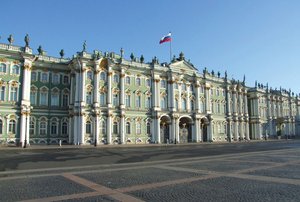
Muzeul Ermitaj, Sankt PetersburgMuzeul Ermitaj Sankt Petersburg 1 The Knife Grinder and his Family

Cele mai importante Alexandre Moitte picturi pe ani

Fiecare pictură a lui Alexandre Moitte datată, listată aici, este din 1770, în ordine de clasament.

Lucrări pe an

Selectați o anul pentru a vedea picturile acestuia.

Ce trebuie să știi despre picturile lui Alexandre Moitte

Care pictură a lui Alexandre Moitte ocupă primul loc în clasament?Afișează răspunsul

The Knife Grinder and his Family (1770) ocupă prima poziție.

Ce vârstă avea Alexandre Moitte în anul în care a fost creată The Knife Grinder and his Family?Afișează răspunsul

Alexandre Moitte avea 20 ani: The Knife Grinder and his Family este datată 1770, iar Alexandre Moitte s-a născut în 1750.

Câte lucrări cu Alexandre Moitte enumeră catalogul dumneavoastră?Afișează răspunsul

În catalogul nostru se află 1 lucrări ale lui Alexandre Moitte.

Unde pot fi vizualizate originalele picturilor celebre ale lui Alexandre Moitte?Afișează răspunsul

În principal în Muzeul Ermitaj (Sankt Petersburg). Consultați tabelul muzeelor de mai sus pentru lista completă.

Vindeți reproduceri ale picturilor lui Alexandre Moitte?Afișează răspunsul

Da. Fiecare pictură de pe această pagină poate fi comandată ca reproducere pictată manual în ulei sau ca print. Deschide pictura, alege dimensiunea și plasează comanda.

Alexandre Moitte: viață și carieră

A Life in Paris

Born in Paris, Alexandre Moitte grew up within a family deeply connected to the visual arts. His father, Pierre-Étienne Moitte, was a painter and a royal engraver, providing a domestic environment where the technicalities of line and form were part of daily life. This lineage likely shaped Alexandre's early understanding of his craft. He eventually sought formal training at the Académie royale de peinture et de sculpture, a step that solidified his place within the French artistic tradition of his era.

His personal life was anchored by his marriage to Charlotte Deruelle. Together, they raised several children, including Antoine Guillaume Alexandre, Auguste Pierre Charles, Flore, and Adrien Jules Philibert. These family connections reflect a life lived amidst the social and professional structures of late eighteenth-century France.

The Quiet Observation of Daily Life

Moitte’s work often turned its gaze toward the people and the labor that defined the era. One of his notable pieces, The Knife Grinder and his Family, created in the 1770s, offers a glimpse into the domestic and professional realities of the time. Painted in oil on a panel, the work captures a specific moment of communal existence. It is a scene of quiet industry, showing the intersection of work and family life.

His technique relied on a careful application of oil to panel, a medium that allowed for a certain level of detail in the textures of clothing and tools. This piece, which remains part of a private collection, demonstrates his ability to find meaning in the mundane activities of common people. He did not look for grand spectacles, but rather for the steady rhythm of life as it was lived in the streets and homes of France.

Legacy and Presence

Though his name may not carry the weight of the most famous painters of the period, Moitte’s contributions remain part of the historical record of French art. His work survives in collections that preserve the visual language of the eighteenth century. His life and his art provide a window into a period of transition, seen through the eyes of a man who understood both the precision of engraving and the softness of oil painting.