Garanție de rambursare în 100 de zile Livrare gratuită în toată lumea
646.446opere de artă 53.409artişti 5.406muzee 32limbi
Portretul lui Daniel Gran

The Top 14 Daniel Gran Paintings, Ranked by Fame

Actualizat Octombrie 2026 · clasat în funcție de scorul nostru de popularitate (căutări, vizite și comenzi pentru fiecare operă) · 14 lucrări ale lui Daniel Gran în catalogul nostru

Răspuns rapid

Allegory of the Dawn (1723) este cea mai cunoscută pictură a lui Daniel Gran. Mary with Child and Saints, Enthroned on Clouds (1730) ocupă locul doi, Diana's Admission to Olympus (1732) locul trei. Catalogul nostru conține 14 lucrări ale lui Daniel Gran; iată cele 14 cele mai faimoase, clasificate, împreună cu anul și muzeul fiecăreia, pentru a vă ajuta să alegeți piesa pe care doriți să o comandați.

1694 – 1757, Vienna Cele mai multe lucrări: Muzeul Național din Varșovia

Daniel Gran: cele 10 cele mai apreciate picturi

Daniel Gran, clasat de la 11 la 14

Muzee care dețin originalele lui Daniel Gran

Cele 3 muzee care dețin cele mai multe dintre picturile de pe această pagină.

Muzee Oraș Lucrări lui Daniel Gran Picturi din această listă
Muzeul Național din Varșovia, VarșoviaMuzeul Național din Varșovia Varșovia 2 Greeting of Venus at Mount Olympus, Bacchus and Ceres
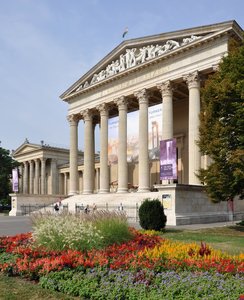
Muzeul de Artă Fine din Budapesta, BudapestaMuzeul de Artă Fine din Budapesta Budapesta 2 St Elizabeth Distributing Alms, The Day Driving away the Night
Muzeul Național din Cracovia, CracoviaMuzeul Național din Cracovia Cracovia 1 Apollo with the Muses – Project for a Plafond

Cele mai importante picturi ale lui Daniel Gran pe deceniu

Lucrări pe deceniu

Selectați o deceniu pentru a vedea cea mai importantă pictură a acesteia.

Ce trebuie să știi despre picturile lui Daniel Gran

Care pictură a lui Daniel Gran ocupă primul loc în clasament?Afișează răspunsul

Allegory of the Dawn (1723) ocupă prima poziție, urmat de Mary with Child and Saints, Enthroned on Clouds (1730) și Diana's Admission to Olympus (1732).

Ce vârstă avea Daniel Gran în anul în care a fost creată Allegory of the Dawn?Afișează răspunsul

Daniel Gran avea 29 ani: Allegory of the Dawn este datată 1723, iar Daniel Gran s-a născut în 1694.

Care sunt cele mai 10 picturi ale lui Daniel Gran?Afișează răspunsul

Allegory of the Dawn, Mary with Child and Saints, Enthroned on Clouds, Diana's Admission to Olympus, Apollo with the Muses – Project for a Plafond, Allegory of the Happy Government of Mähren, Allegory of the Morning, Instruction of Mary by Joachim and Anna, The Holy Family, Madonna and Child și unleserlich. Anul și muzeul pentru fiecare sunt menționate în clasamentul de mai sus.

Câte lucrări cu Daniel Gran enumeră catalogul dumneavoastră?Afișează răspunsul

În catalogul nostru sunt 14 lucrări ale lui Daniel Gran, datate între 1723 și 1747.

Unde pot fi vizualizate originalele picturilor celebre ale lui Daniel Gran?Afișează răspunsul

În principal în Muzeul Național din Varșovia (Varșovia), Muzeul de Artă Fine din Budapesta (Budapesta) și Muzeul Național din Cracovia (Cracovia). Consultați tabelul muzeelor de mai sus pentru lista completă.

În ce ani a pictat Daniel Gran lucrările de top?Afișează răspunsul

În 1730s: 4 dintre cele 14 picturi clasate aici datează din acea perioadă, inclusiv Mary with Child and Saints, Enthroned on Clouds.

Care sunt cele mai vechi și cele mai recente picturi ale lui Daniel Gran?Afișează răspunsul

Cea mai veche de pe această pagină: Allegory of the Dawn (1723). Cea mai recentă: Allegory of the Morning (1747).

Ce picturi cu Daniel Gran se află în colecția Muzeul Național din Varșovia?Afișează răspunsul

Muzeul Național din Varșovia, Varșovia deține 2 dintre picturile clasate aici, inclusiv Greeting of Venus at Mount Olympus și Bacchus and Ceres.

Vindeți reproduceri ale picturilor lui Daniel Gran?Afișează răspunsul

Da. Fiecare pictură de pe această pagină poate fi comandată ca reproducere pictată manual în ulei sau ca print. Deschide pictura, alege dimensiunea și plasează comanda.

Daniel Gran: viață și carieră

Daniel Gran: Life and Legacy

Daniel Gran (1694-1757) was a prominent Austrian Baroque painter who played a crucial role in the transition towards Classicism. His career spanned a period of significant artistic change, and he is remembered for his masterful frescoes, religious scenes, and illusionistic style.

Early Life and Training

Born in Vienna, Italy in 1694, Daniel Gran came from a family that valued its noble lineage. Successfully asserting his claim to this title was important during his time, as improper use of such distinctions could have severe social consequences. Details regarding his early artistic training remain somewhat scarce, but it is known he developed considerable skill and ambition.

Artistic Development & Influences

Gran’s initial work firmly rooted in the Baroque tradition, characterized by dramatic compositions, rich colors, and a sense of movement. However, towards the end of his career, his paintings began to exhibit a shift away from purely Baroque aesthetics – particularly in terms of figural dimensions and illusionism. This evolution suggests an increasing interest in the emerging principles of Classicism, emphasizing clarity, balance, and restraint.

While specific influences are not extensively documented, it’s reasonable to assume Gran was impacted by contemporary Italian and Austrian Baroque masters. His later stylistic changes suggest a growing awareness of early Classical art and its emphasis on form and proportion.

Major Achievements & Notable Works

  • Frescoes: Gran is particularly celebrated for his large-scale fresco cycles, adorning the ceilings and walls of numerous churches and palaces in Austria.
  • St. Elizabeth Distributing Alms (1736): A compelling depiction of a charitable act, showcasing Gran’s skill in portraying human emotion and narrative detail.
  • Christ and the Roman Captain (1736): Another significant religious work demonstrating his mastery of composition and dramatic lighting.
  • Paradise (Sketch for a ceiling fresco in Sonntagberg Basilica, Austria) (1736): A preparatory sketch revealing Gran’s meticulous planning process for complex fresco projects.
  • Glory of the House of Austria (Ceiling fresco in Marble Hall of Klosterneuburg Monastery) (1749): Considered one of his most ambitious and impressive works, showcasing his ability to create grand illusionistic spaces.
  • Allegory of Four Seasons (1757): A late work reflecting a more refined and classical approach.

Historical Significance

Daniel Gran’s significance lies in his role as a bridge between the Baroque and Classical periods. He wasn't merely an imitator of earlier styles but actively contributed to the evolving artistic landscape of 18th-century Austria. His work demonstrates a conscious effort to move beyond the exuberance of the High Baroque towards a more restrained and balanced aesthetic.

Gran’s influence can be seen in the subsequent development of Austrian painting, paving the way for later Classicist artists. In 1894, Vienna honored his legacy by naming the Grangasse street in Rudolfsheim-Fünfhaus (the 15th district) after him. His self-portrait remains a treasured piece within the monastery of Herzogenburg.

Gran’s frescoes continue to captivate viewers with their beauty, technical skill, and historical importance, solidifying his place as a notable figure in Austrian art history.