Garanție de rambursare în 100 de zile Livrare gratuită în toată lumea
646.446opere de artă 53.409artişti 5.406muzee 32limbi
Portretul lui Henry Ottmann

Cele mai 19 celebre picturi cu Henry Ottmann din care puteți alege

Actualizat Octombrie 2026 · clasat în funcție de scorul nostru de popularitate (căutări, vizite și comenzi pentru fiecare operă) · 19 lucrări ale lui Henry Ottmann în catalogul nostru

Răspuns rapid

Cea mai importantă pictură a lui Henry Ottmann este The luxembourg station - brussels. Pe locul doi și trei: Nature morte au violon Le violon rouge (Ancien titre) și Beach With Characters. Catalogul nostru cuprinde 19 lucrări ale lui Henry Ottmann. Cele 19 de mai jos sunt cele mai celebre, ordonate pe rang, incluzând anul și muzeul de proveniență pentru fiecare original.

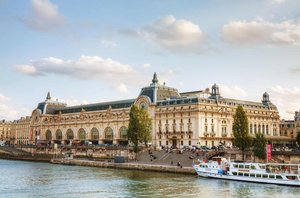
1877 – 1927, Ancenis Post-impressionism Cele mai multe lucrări: Musée d'Orsay

Top 10: cele mai faimoase picturi ale lui Henry Ottmann

Clasamentul 11 - 19: mai multe picturi cu Henry Ottmann

Picturi de Henry Ottmann pe subiecte

Cele patru cele mai frecvente subiecte din acest clasament, cu pictura principală pentru fiecare.

Muzee care dețin originalele lui Henry Ottmann

Cele 2 muzee care dețin cele mai multe dintre picturile de pe această pagină.

Muzeu Oraș Lucrări lui Henry Ottmann Picturi din această listă
Musée d'Orsay, ParisMusée d'Orsay Paris 1 The Luxembourg Station -
Centre Pompidou, ParisCentre Pompidou Paris 1 Sleeping Courtesan

Cele mai importante picturi ale lui Henry Ottmann din fiecare an

1920: fiecare pictură a lui Henry Ottmann datată pe această pagină provine din acel an. Iată-le, în ordinea clasamentului.

Lucrări pe an

Selectați o anul pentru a vedea picturile acestuia.

Picturi Henry Ottmann: FAQ

Care este cea mai celebră operă a lui Henry Ottmann?Afișează răspunsul

The luxembourg station - brussels ocupă prima poziție, urmat de Nature morte au violon Le violon rouge (Ancien titre) și Beach With Characters.

Care sunt cele mai celebre zece picturi ale lui Henry Ottmann?Afișează răspunsul

The luxembourg station - brussels, Nature morte au violon Le violon rouge (Ancien titre), Beach With Characters, Along The River, Le petit Fernand, Portrait de René Levrel, Portrait de l'artiste, L'étal marseillais, L'Erdre au pont d'Orléans, Nantes și Femme peignant dans un paysage. Anul și muzeul pentru fiecare sunt menționate în clasamentul de mai sus.

Câte picturi ale lui Henry Ottmann sunt listate?Afișează răspunsul

În catalogul nostru se află 19 lucrări ale lui Henry Ottmann.

În ce muzee se află cele mai celebre opere originale ale lui Henry Ottmann?Afișează răspunsul

În principal în Musée d'Orsay (Paris) și Centre Pompidou (Paris). Consultați tabelul muzeelor de mai sus pentru lista completă.

Ce teme apar cel mai des în picturile lui Henry Ottmann?Afișează răspunsul

Printre cele 19 picturi clasificate aici: Europe (3), Women (2) și Woman (2).

Din ce curent artistic fac parte picturile lui Henry Ottmann?Afișează răspunsul

Post-impressionism, pe baza picturilor clasificate în această pagină.

Pot cumpăra o pictură a lui Henry Ottmann sub formă de reproducere?Afișează răspunsul

Da. Fiecare pictură de pe această pagină poate fi comandată ca reproducere pictată manual în ulei sau ca print. Deschide pictura, alege dimensiunea și plasează comanda.

Henry Ottmann: artistul din spatele picturilor

A Glimpse into the French Soul: The Life and Art of Henri Ottmann

Henri Ottmann, a name perhaps less immediately recognized than some of his contemporaries, nevertheless occupies a significant niche in the transition between Impressionism and Post-Impressionism. Born in Ancenis, France, in 1877, Ottmann’s artistic journey was one of subtle evolution, marked by a sensitive approach to color, light, and the human form. His canvases offer a poignant window into early 20th-century French life, capturing not just appearances but also an underlying emotional resonance that speaks across generations. He debuted at the prestigious Salon La Libre Esthétique in Brussels in 1904, a pivotal moment that launched him onto the Parisian art scene and connected him with a network of forward-thinking artists who were challenging conventional artistic boundaries. This early exposure proved crucial, providing a platform for his emerging talent and fostering an environment of creative exchange.

Navigating Influences: From Impressionism to Personal Expression

Ottmann’s development wasn't one of abrupt revolution but rather a gradual refinement of technique and vision. Initially steeped in the principles of Impressionism, he absorbed the lessons of capturing fleeting moments and the effects of light on color. However, he soon began to move beyond mere optical representation, seeking a deeper level of emotional expression – a hallmark of Post-Impressionism. His active participation in key Parisian salons—the Salon des Indépendants from 1905 onward, the Salon d'Automne, and others—placed him squarely amongst the leading figures of his time. He wasn’t merely present; he was actively engaging with the artistic currents that were reshaping the landscape of modern art. The influence of artists like Armand Guillaumin, Henri Lebasque, and Paul Signac is readily apparent in his work. Exhibiting alongside these masters at the Galerie Paul Durand-Ruel in 1911 and 1912 allowed Ottmann to absorb their techniques and stylistic approaches firsthand. He masterfully blended Impressionistic color palettes with a more deliberate compositional structure and an emotional depth that distinguished his paintings from purely optical studies.

A Diverse Palette: Themes and Techniques

Ottmann’s artistic output was remarkably diverse, encompassing sensitive portraits, intimate nudes, vibrant still lifes, and evocative scenes of modern life. His portraiture stands out for its ability to capture not just the likeness but also the inner character of his subjects. He possessed a remarkable gift for conveying personality through subtle nuances of expression and pose. Similarly, his nude paintings are characterized by a delicate rendering of form and a restrained eroticism that avoids sensationalism. These works aren’t simply studies of the human body; they're explorations of sensuality and vulnerability. His still lifes showcase a mastery of color and composition, often featuring everyday objects arranged in harmonious groupings that elevate the mundane to the level of art. And his scenes of modern life offer glimpses into the changing social landscape of early 20th-century France, depicted with a keen eye for detail and atmosphere. Beyond painting, Ottmann also demonstrated versatility as a printmaker, contributing illustrations using woodcut techniques to periodicals like La Gebre in 1919 alongside artists such as Paul Signac and Henriette Tirman.

Legacy and Remembrance

Henri Ottmann’s career was tragically cut short by a car accident in Vernon, France, in 1927, at the age of fifty. Though his life ended prematurely, he left behind a body of work that continues to resonate with viewers today. While perhaps not a household name, his contributions to French painting are undeniably significant. His paintings can be found in prominent museums such as the Musée d'Orsay and the Musée National d'Art Moderne in Paris, ensuring that his artistic legacy endures. He represents a crucial transitional figure—an artist who embodied the shift from the fleeting impressions of Impressionism to the more subjective and expressive concerns of Post-Impressionism. His work provides invaluable insight into the artistic climate of early 20th-century France, offering a unique perspective on the social and cultural transformations that were taking place during this dynamic period. Ottmann’s art is a testament to the power of observation, sensitivity, and the enduring beauty of the human spirit.

Toate cele 19 de lucrări ale lui Henry Ottmann →